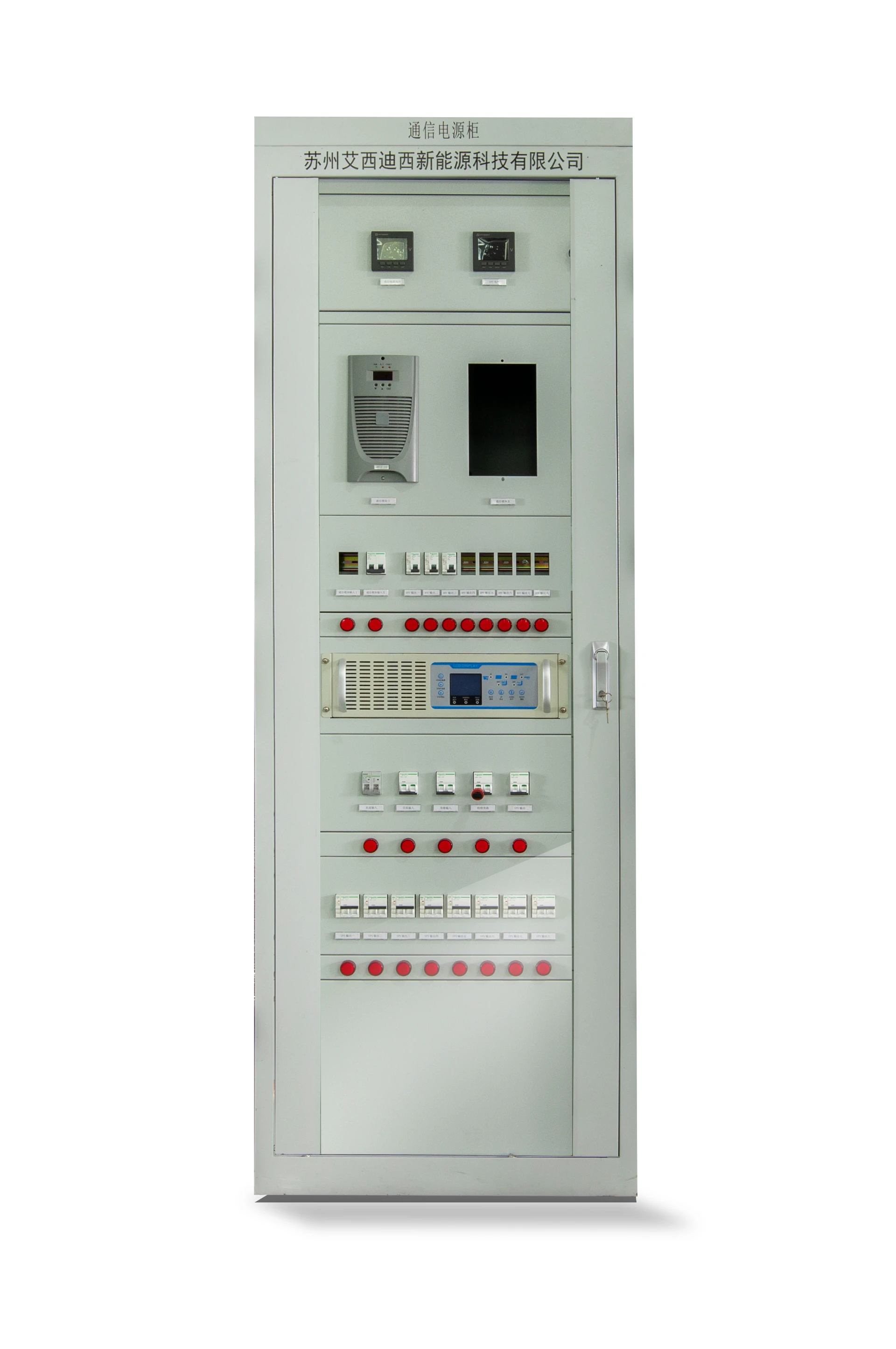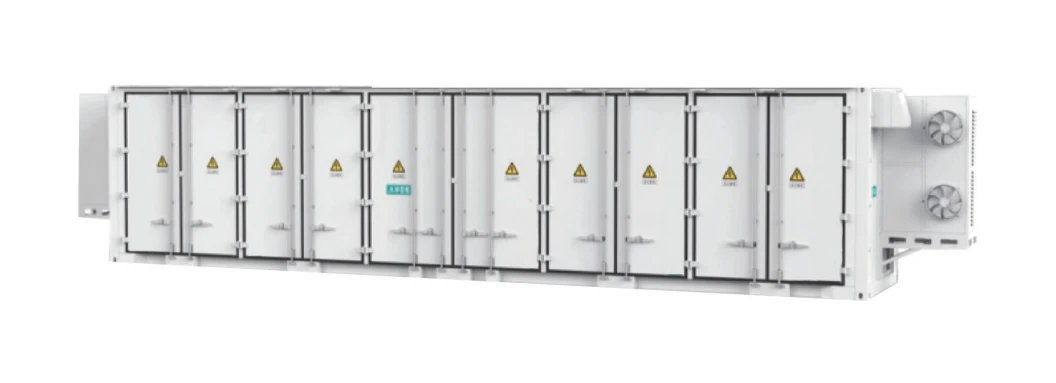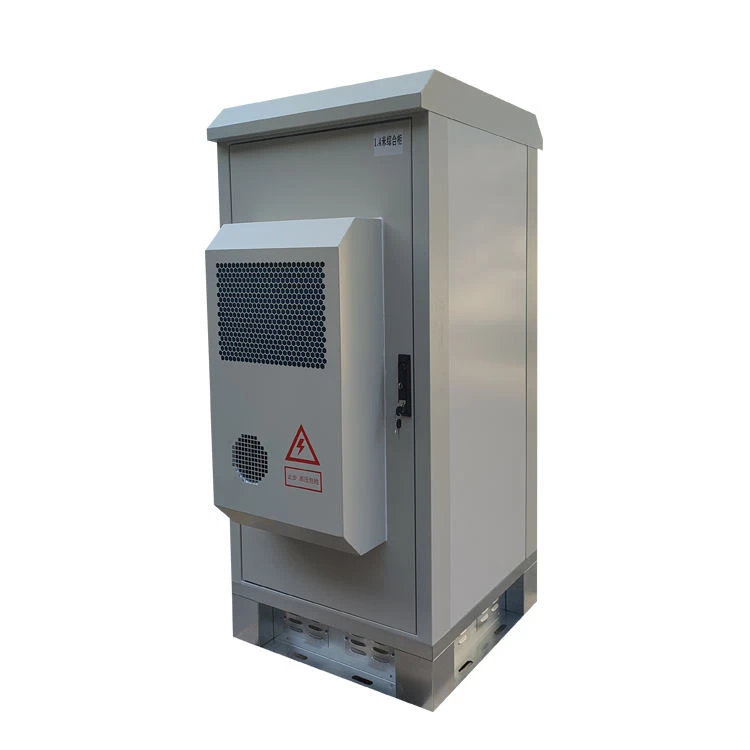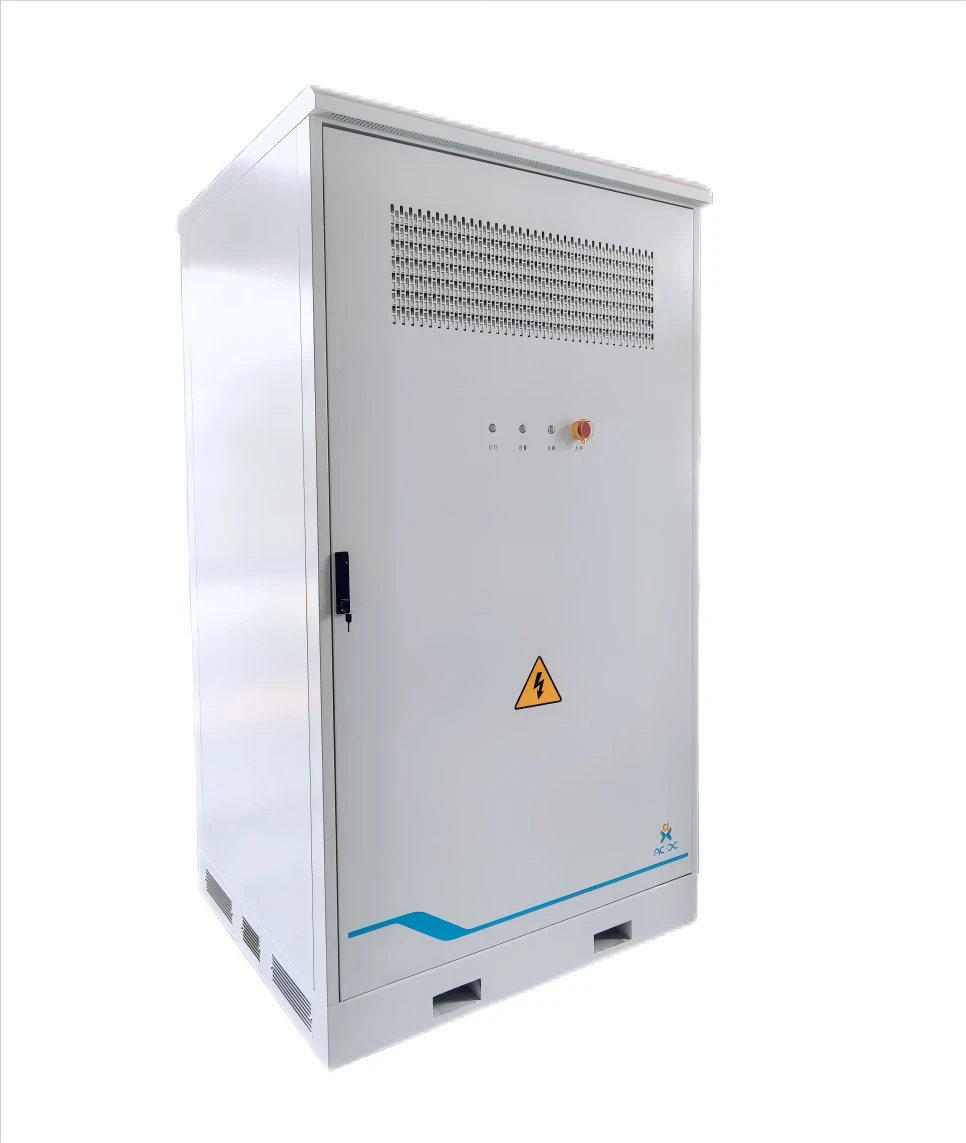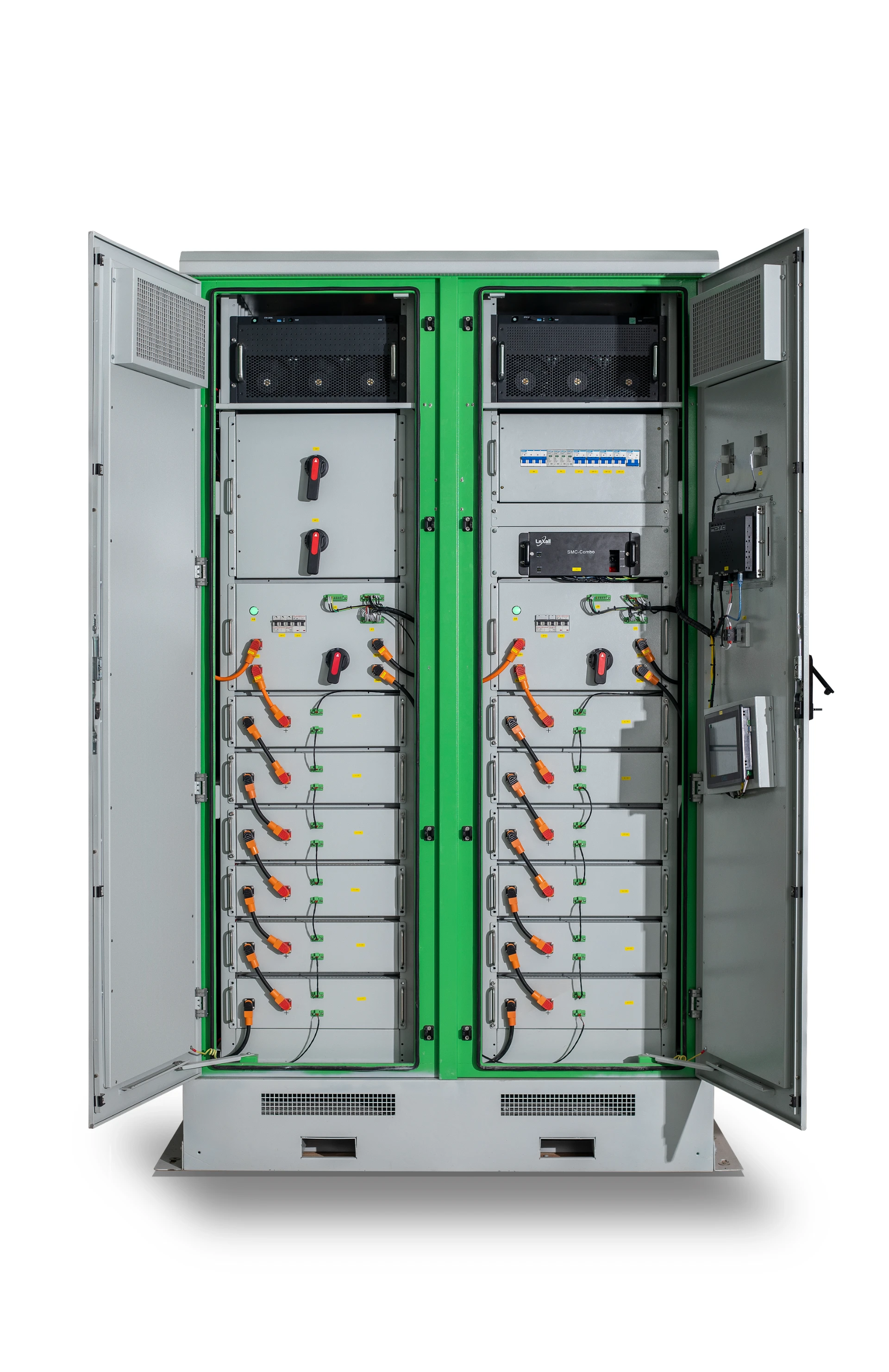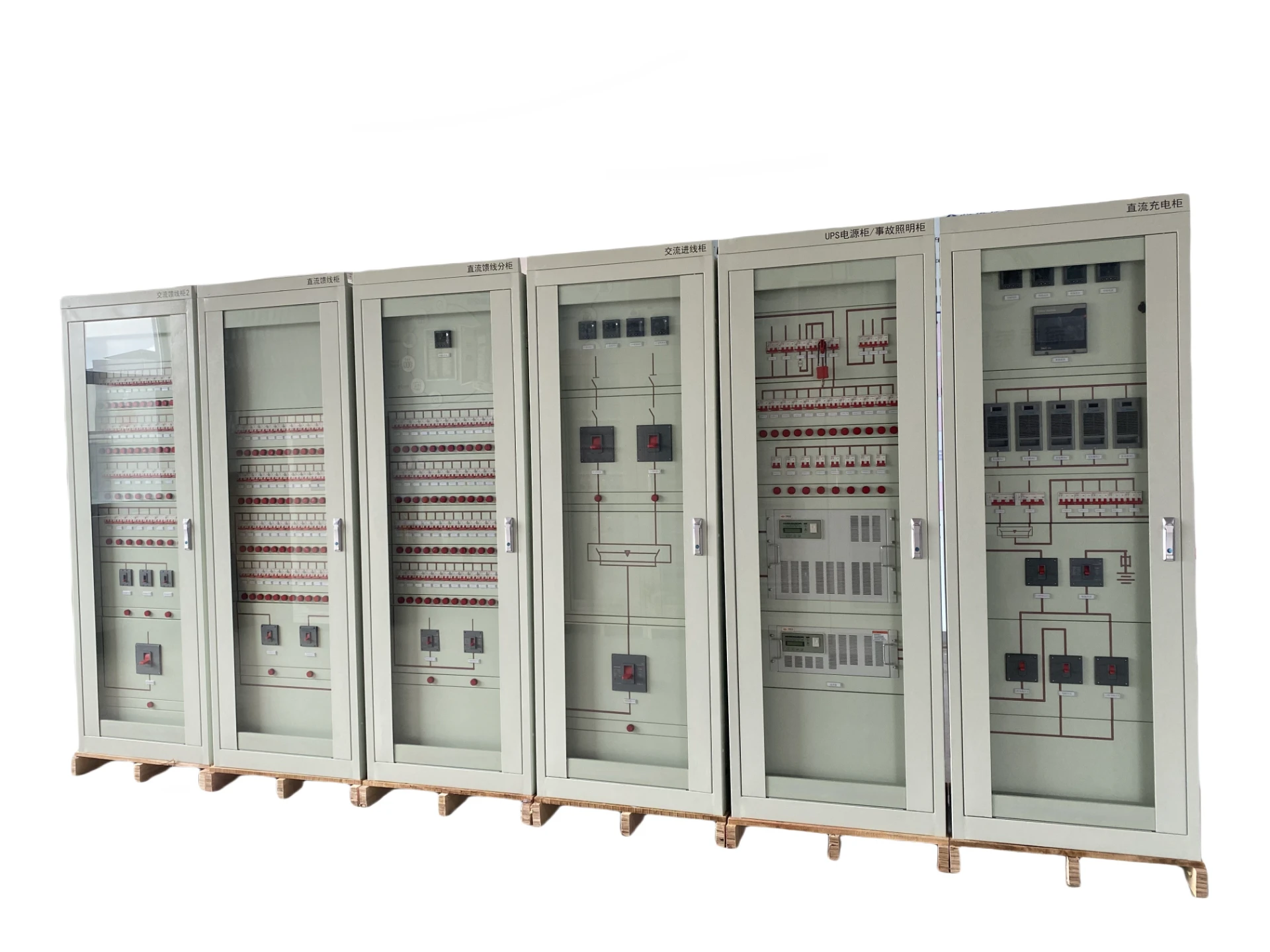


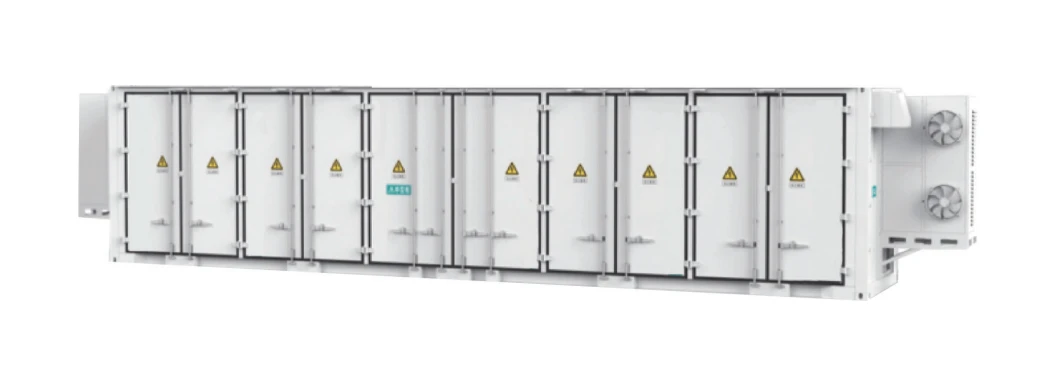
Our Centralized Energy Storage System represents the pinnacle of industrial-grade power management, specifically engineered for C&I applications and large-scale utility projects. By integrating high-density LFP cell technology with the intelligent "U-POWER" control system, this containerized solution provides an unmatched balance of energy density, operational safety, and long-term reliability for demanding electrical environments.
Designed for maximum flexibility, the system offers modular capacity configurations across 20HC, 30HC, and 40HC container standards, ensuring seamless scalability. With a focus on life-cycle quality tracking and advanced thermostatic isolation, our solution optimizes energy efficiency while maintaining rigorous safety standards, making it the ideal choice for stabilizing grids and reducing operational energy costs.
Detailed Parameters
| Full Energy Range | 3.65MWh / 6.02MWh / 7.53MWh | System Voltage | 1000V - 1500V |
|---|---|---|---|
| Battery Chemistry | LFP (Lithium Iron Phosphate) | Cycle Life | 8000 Cycles (90% DOD, ≥70% EOL) |
| Charge/Discharge Ratio | 0.5C | DC Side Efficiency | ≥94% |
| Protection Grade | IP65 / Anti-corrosion C4 (C5 optional) | Operating Temp | -40 to 55℃ |
| Communication | Ethernet/RS-485/CAN (Modbus-TCP/IEC61850) | Certifications | UL1973, UL9540A, IEC62619, UN38.3 |
Key Advantages
Multi-Level Safety
Integrated pack-level detection with gas, smoke, and temperature sensors combined with HFC227 and water firefighting systems.
Extended Lifecycle
Achieving 8000+ cycles through high-precision SOX estimation and active balancing solutions for prolonged asset life.
Precision Control
The "U-POWER" power control system ensures high-precision battery monitoring and optimized energy distribution.
Thermal Optimization
Intelligent variable frequency air cooling with a specialized design to isolate hot and cold air for maximum efficiency.
Lifecycle Tracking
Comprehensive quality tracking and data analysis throughout the entire product life cycle for predictive maintenance.
Modular Flexibility
Flexible capacity configuration via modular design, allowing easy scaling from 20ft to 40ft container footprints.
Product Gallery
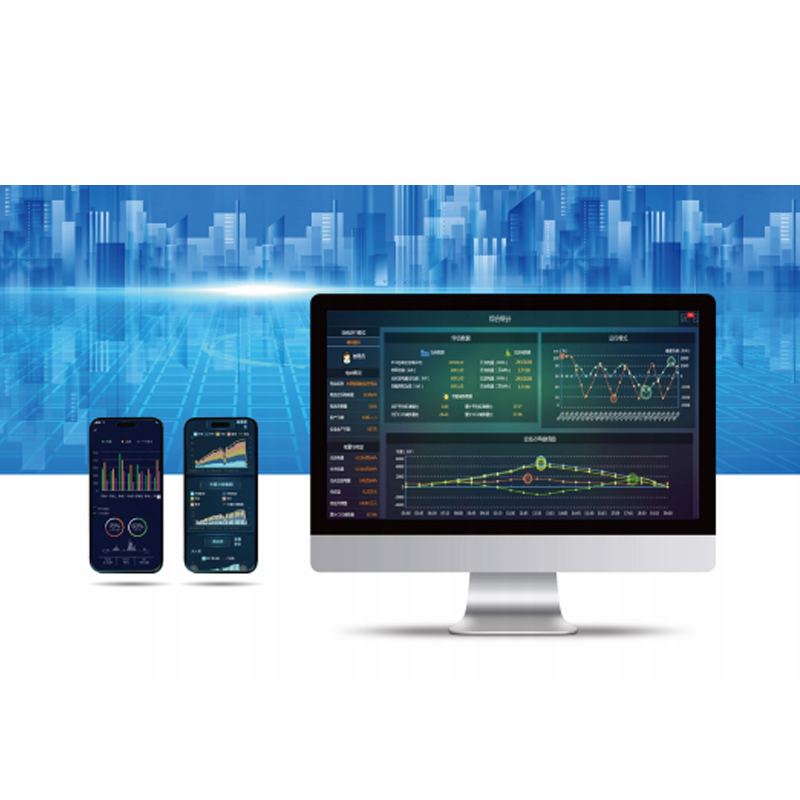
Management Platforms
BMS Architecture
Advanced 3-tier architecture ensuring seamless communication from cell to system level.
Active Equalization
Dynamic cell balancing to maximize usable capacity and prevent premature degradation.
Real-time Monitoring
High-precision SOX estimation providing accurate State-of-Charge and State-of-Health data.
Protocol Integration
Full support for Modbus-TCP, IEC61850, and 104 protocols for seamless SCADA integration.
Intelligent Cooling
Variable frequency air cooling that adjusts in real-time based on thermal load.
Remote Diagnostics
Cloud-based quality analysis and fault detection for minimized onsite maintenance.
Investment Return Comparison
| Standard Li-ion System | Our Centralized BESS | |
|---|---|---|
| Cycle Life | 3,000 - 5,000 Cycles | 8,000+ Cycles |
| Round Trip Efficiency | 85% - 90% | ≥94% (DC Side) |
| Safety Mechanism | Basic Fire Suppression | Multi-level Gas + Water Extinguishing |
| Thermal Management | Fixed Air Cooling | Intelligent Variable Frequency |
| Capacity Scaling | Fixed Modules | Modular 20HC/30HC/40HC |
Frequently Asked Questions
LFP (Lithium Iron Phosphate) offers superior thermal stability and a significantly longer cycle life (up to 8000 cycles) compared to NMC chemistries, reducing the total cost of ownership.
The U-POWER system utilizes high-precision SOX estimation and active balancing to optimize energy throughput and ensure cells are utilized uniformly.
Yes, with an IP65 protection grade and C4/C5 anti-corrosion ratings, the system is designed to operate in extreme temperatures ranging from -40 to 55℃.
The system is compliant with global safety standards including UL1973, UL9540A, and IEC62619, featuring an automatic multi-level extinguishing system.
Absolutely. We support industry-standard communication protocols such as Modbus-TCP, IEC61850, and CAN for easy integration with third-party Energy Management Systems.
Full Energy is the total theoretical capacity of the installed cells, while Available Energy is the usable capacity optimized for the system's depth of discharge (DOD) to ensure longevity.