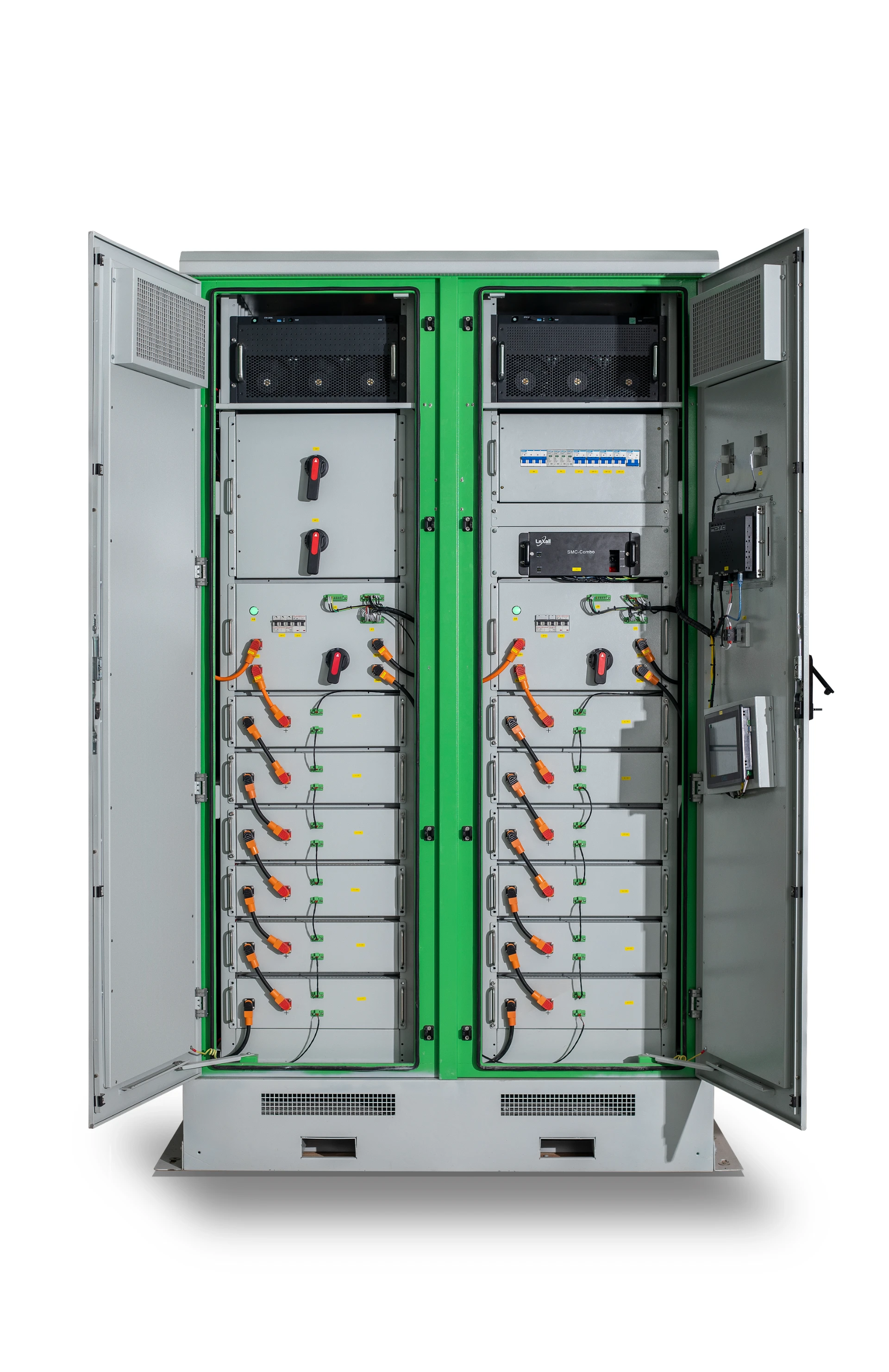
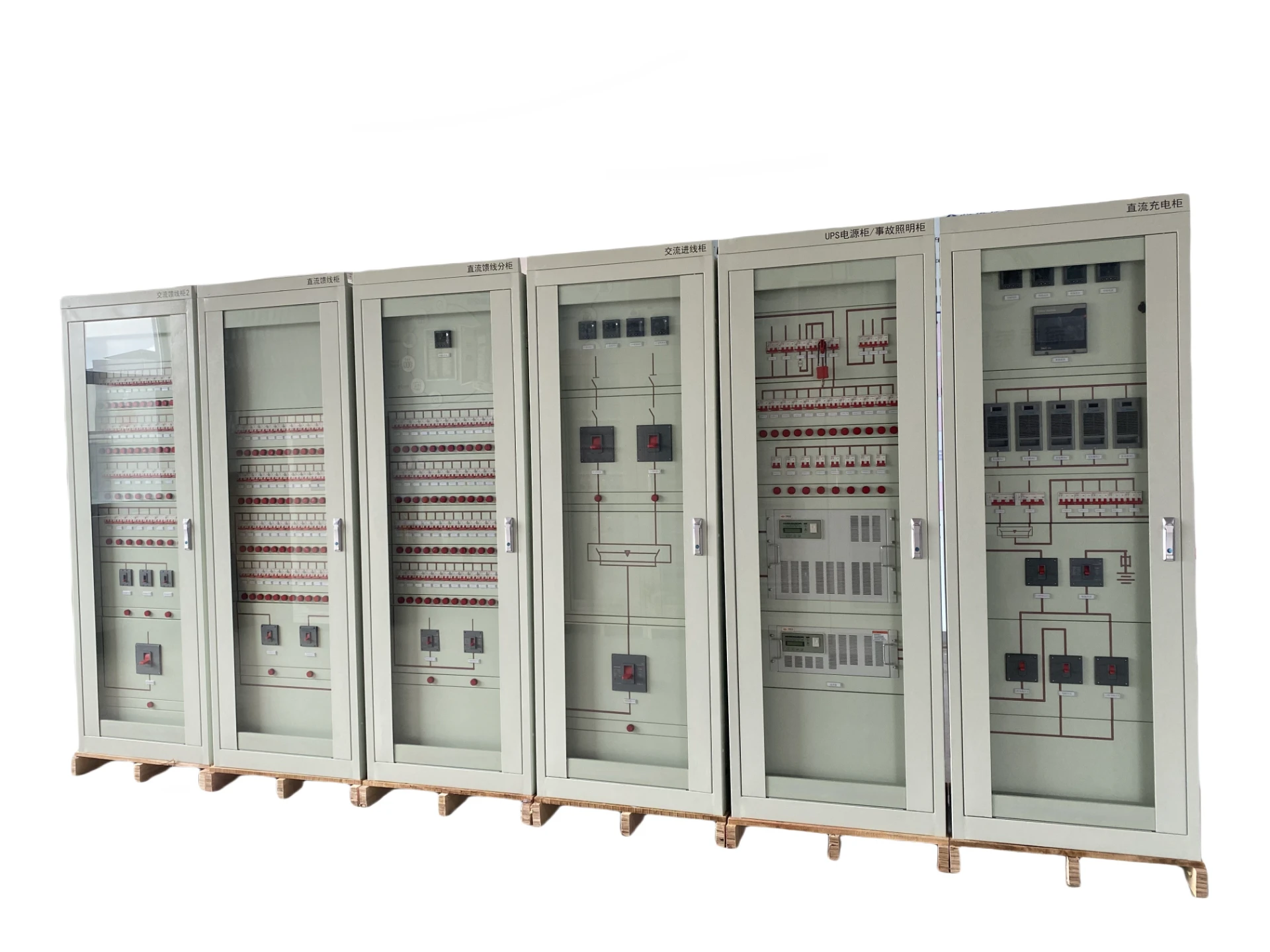
Advanced energy storage module Solutions for Poland's Industrial Grid

Empowering Polish manufacturing and emergency infrastructure with high-density lithium-ion technology and sustainable power management.

Advanced energy storage module Solutions for Poland's Industrial Grid

Integrating high-performance lithium-ion battery cells with intelligent BMS to provide stable, scalable, and efficient energy reserves for Poland's evolving industrial landscape.

The State of Energy Storage in Poland

Addressing the energy transition challenges in Central Europe's industrial heartland.

Poland's current energy landscape is characterized by a rapid shift away from coal-dependency toward renewable integration. In the manufacturing sector, the instability of the aging grid often necessitates the adoption of mobile energy storage to maintain continuous production cycles and avoid costly downtime.

Geographically, Poland's temperate climate with significant winter temperature drops creates a demand for batteries with superior thermal management. The industrial clusters in Silesia and Mazovia are increasingly integrating mechanical and thermal energy storage to optimize peak-shaving and load-shifting during extreme weather events.

Economically, the Polish market is seeing a surge in "Island Mode" requirements. Businesses are investing in outdoor emergency power supply systems to ensure that critical electrical machinery and lithium-ion production lines remain operational regardless of external grid fluctuations.
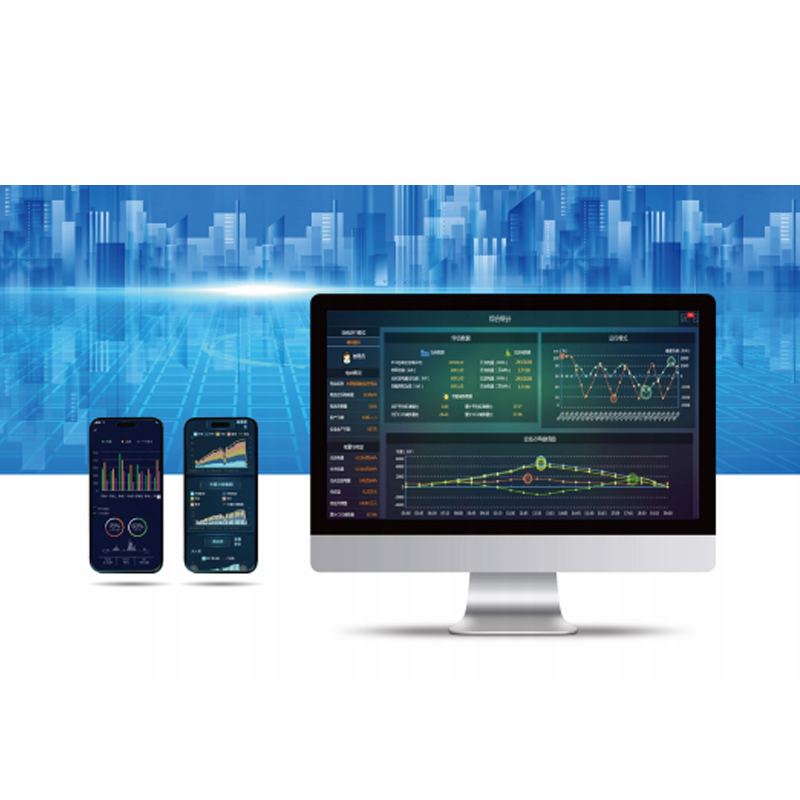
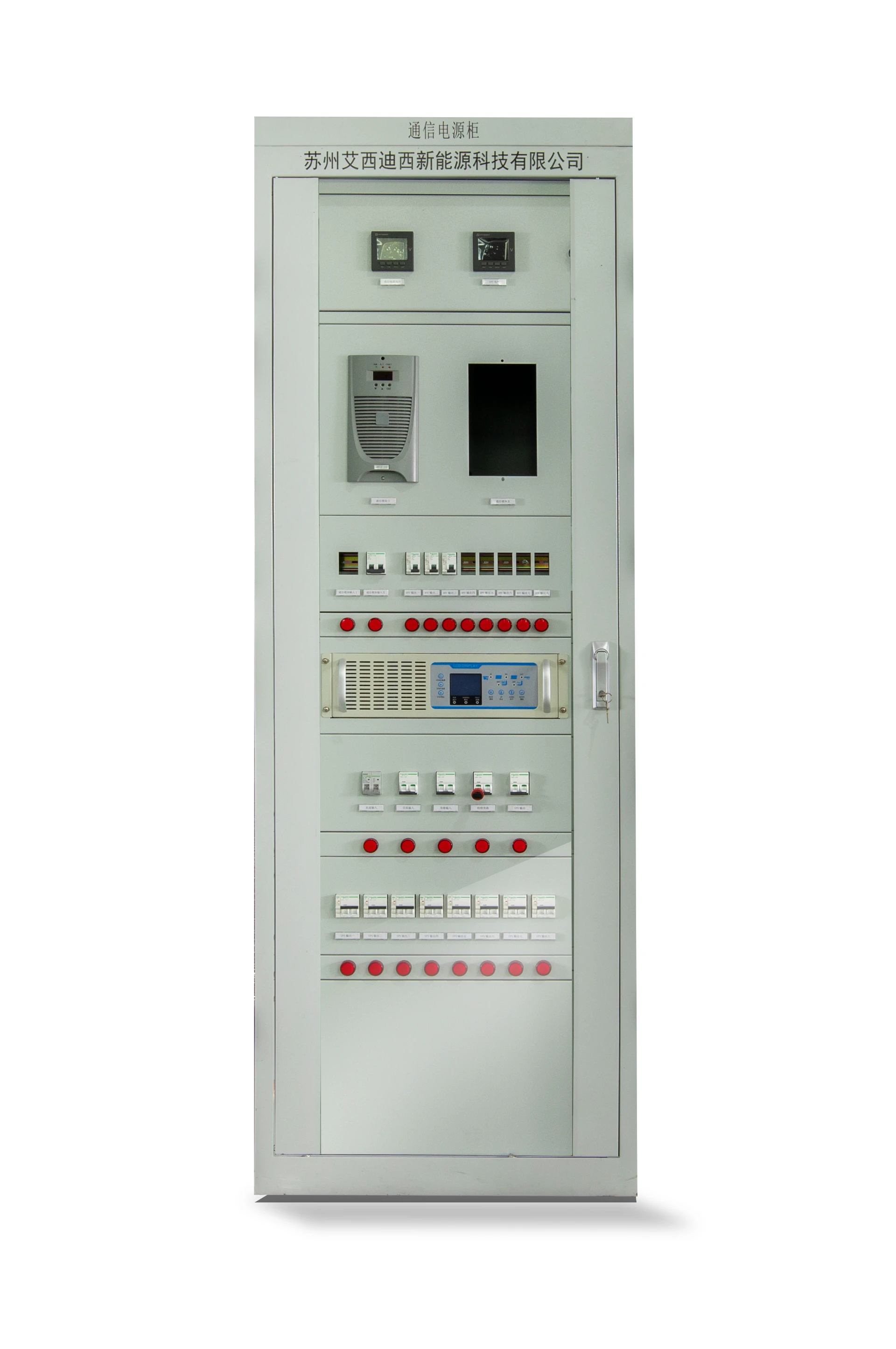
Evolution of Power Storage Technology in Poland

From lead-acid reliability to intelligent lithium-ion ecosystems.

Market Development History

Between 2010 and 2015, the Polish industrial sector relied heavily on traditional lead-acid batteries and diesel generators. These systems offered basic backup but lacked the efficiency and cycle life required for modern high-precision electrical machinery manufacturing.

From 2016 to 2020, the introduction of early-stage lithium-iron-phosphate (LiFePO4) technology marked a turning point. This period saw the first widespread adoption of portable mobile energy storage units for construction and remote maintenance sites across the Vistula region.

Since 2021, the focus has shifted toward "Smart Storage." Integration with IoT and AI-driven BMS has allowed Polish factories to treat energy storage not just as a backup, but as an active asset for arbitrage and grid stability.

Future Development Trends

Solid-State Integration

Transitioning from liquid electrolytes to solid-state chemistry to enhance safety and energy density in compact industrial modules.

V2G (Vehicle-to-Grid) Synergy

Leveraging the growing EV fleet in Poland to act as a distributed energy network, blurring the line between transport and stationary storage.

Hybrid Storage Architectures

Combining high-power capacitors with long-duration batteries to handle both transient spikes and long-term energy needs.

Future Outlook of Battery Manufacturing

Driving the "Green Deal" through technological innovation in Poland.

AI-Driven BMS Optimization
Implementing machine learning to predict cell degradation and optimize charging cycles in real-time.
Circular Economy Integration
Developing second-life battery applications for industrial sites to reduce environmental footprints.
Extreme Weather Hardening
Advanced thermal vacuum insulation for batteries operating in harsh Polish winters.
High-Density Modularization
Reducing footprint while increasing kWh capacity for urban manufacturing facilities.

Industry Outlook

Based on Google search trends for "Energy Transition Poland," there is a marked increase in demand for decentralized power solutions. We expect a 30% CAGR in the adoption of industrial-grade portable mobile energy storage as the EU pushes for carbon neutrality by 2050.

The convergence of lithium-ion battery manufacturing and smart grid management will redefine the Polish electrical machinery sector, moving from passive consumption to active energy orchestration.

Local Application Scenarios in Poland

Tailored energy solutions for specific Polish industrial and environmental needs.

01. Silesian Industrial Park Peak Shaving

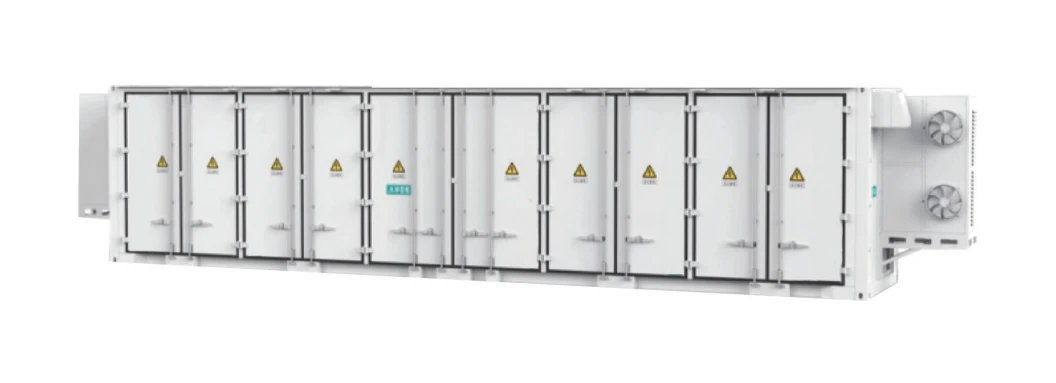
Using large-scale energy modules to store electricity during low-tariff night hours and discharging during peak production shifts to reduce operational costs.

02. Tatra Mountain Emergency Communication

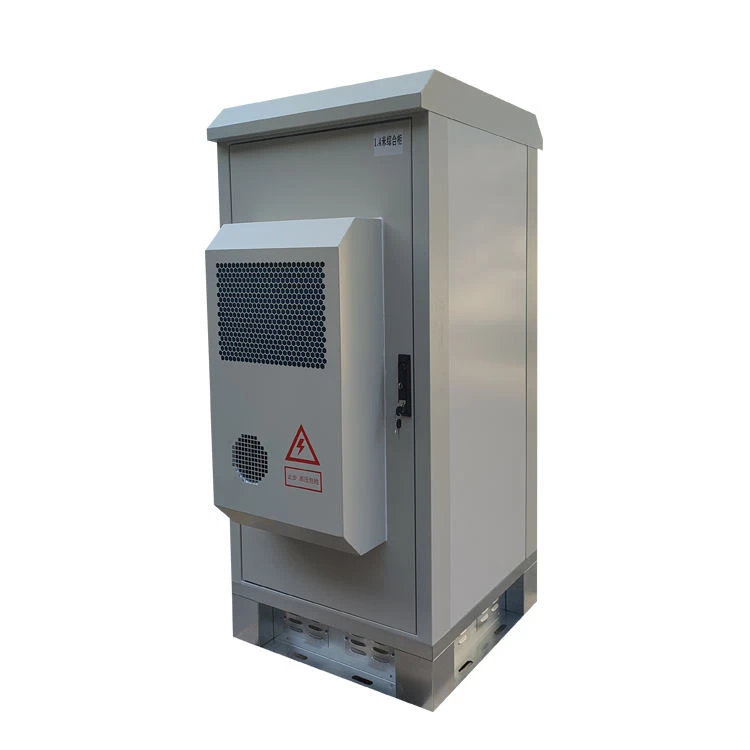
Deploying outdoor emergency power supply units to maintain critical communication nodes during heavy snowstorms.

03. Gdansk Port Logistic Automation

Integrating portable mobile energy storage to power autonomous guided vehicles (AGVs) without requiring fixed charging infrastructure.

04. Warsaw Data Center UPS Upgrade

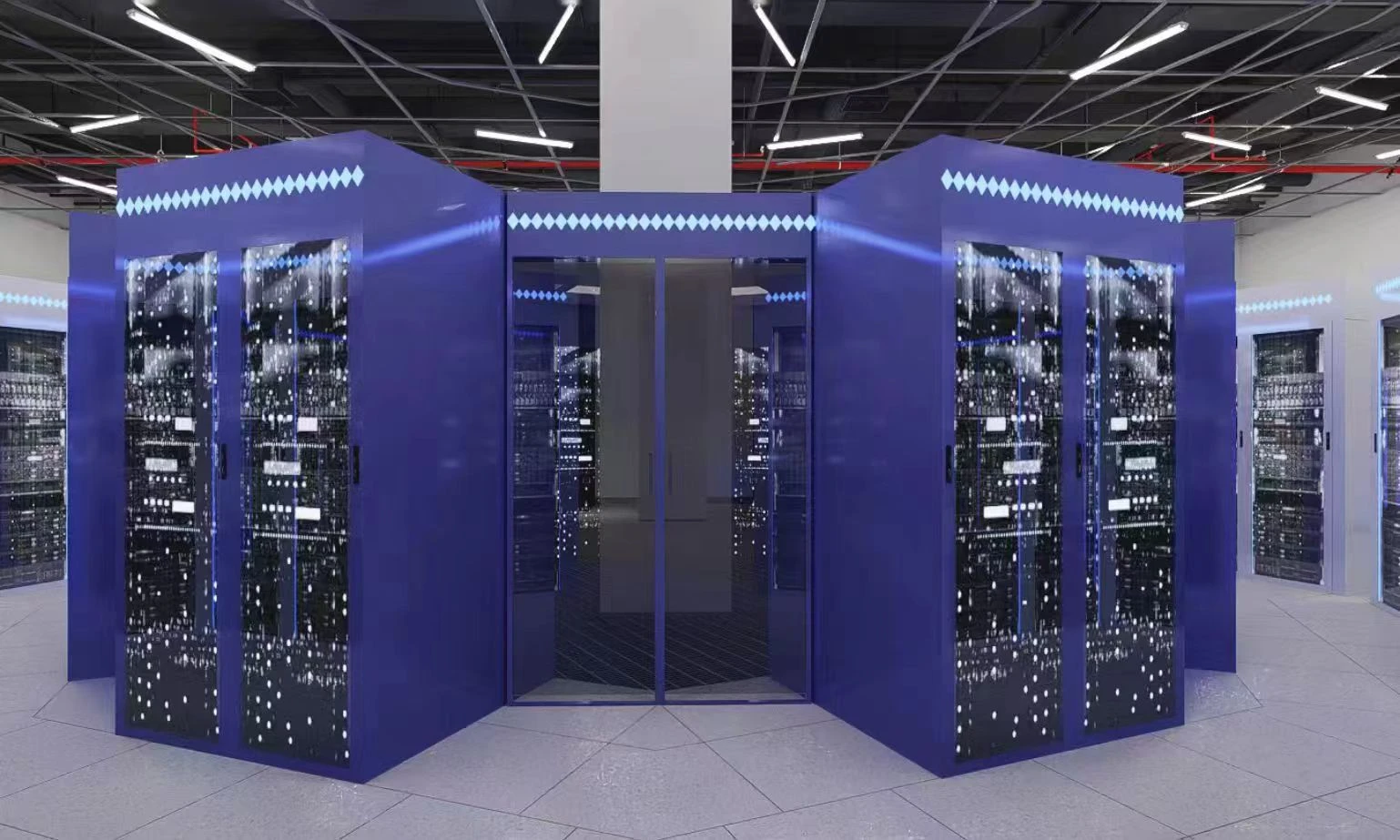
Replacing old lead-acid arrays with high-density lithium modules to maximize floor space and improve response time for critical server loads.

05. Agricultural Modernization in Wielkopolska

Providing mobile power for precision farming machinery in remote fields where grid extension is economically unfeasible.

Brand Story

Global Development Journey of Suzhou ACDX New Energy Technology Co., Ltd.

Founding Vision

Established to bridge the gap between raw battery chemistry and practical industrial application, focusing on high-safety lithium-ion standards.

Technical Breakthrough

Perfected the proprietary thermal management system that allows modules to operate efficiently in temperatures ranging from -20°C to 60°C.

European Expansion

Entered the Polish and German markets, tailoring products to meet stringent EU CE and RoHS certifications for industrial safety.

Strategic Ecosystems

Partnered with leading electrical machinery manufacturers to integrate energy storage directly into the production line hardware.

Sustainable Future

Commitment to 100% recyclable module designs, ensuring the entire lifecycle of the battery aligns with the EU's circular economy goals.

Full Energy Portfolio for the Polish Market

From compact portable units to industrial-scale energy reserves.

Common Questions in Poland

Expert answers regarding battery deployment in Central Europe.

How do I choose the right energy storage module for industrial use in Poland?

You should evaluate the total peak load of your machinery and the average temperature of your facility. For Polish winters, ensure the module includes an integrated heating system to prevent capacity drop.

Is portable mobile energy storage safe for outdoor use in rainy conditions?

Our units are designed with IP65 or higher ratings, ensuring protection against dust and water ingress, making them ideal for the variable weather patterns of Poland.

What is the expected lifespan of a lithium-ion outdoor emergency power supply?

Depending on the depth of discharge (DoD), our industrial-grade systems typically offer 6,000+ cycles, which translates to over 10-15 years of reliable service in professional settings.

Can mechanical and thermal energy storage be integrated with solar panels?

Yes, our systems are fully compatible with PV inverters, allowing you to store excess solar energy during the day for use during the night or during grid failures.

What certifications are required for energy systems in Poland?

All our products comply with the EU CE marking and the Battery Directive 2006/66/EC, ensuring they meet all safety and environmental regulations in Poland.

How is the maintenance handled for distributed energy modules?

We provide remote monitoring via cloud-based BMS, allowing technicians to diagnose cell health and update firmware without visiting the site.

Consult Our Energy Experts

Ready to optimize your industrial power infrastructure? Contact us for a customized energy audit in Poland.

Contact Us Now

If you are interested in our products, you can choose to leave your information here, and we will be in touch with you shortly.