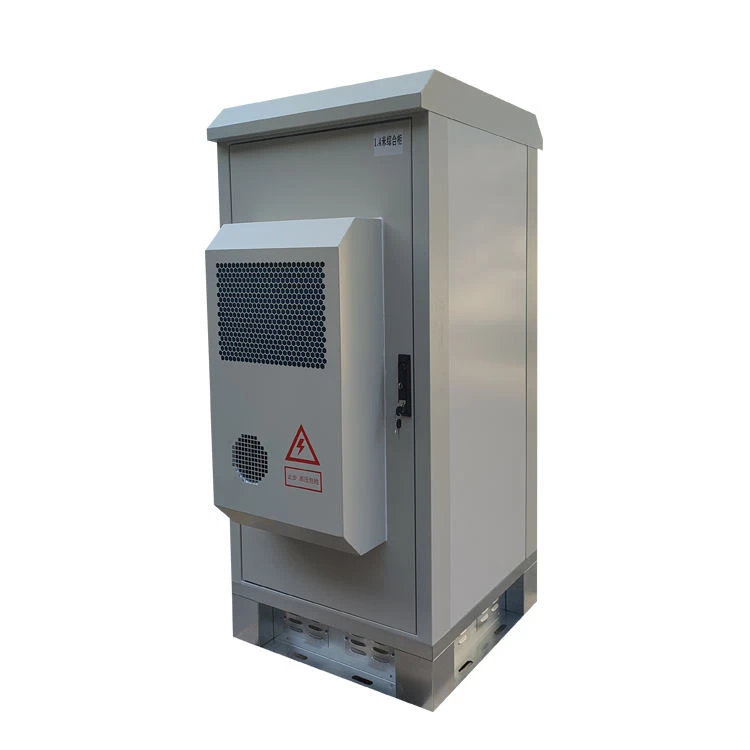
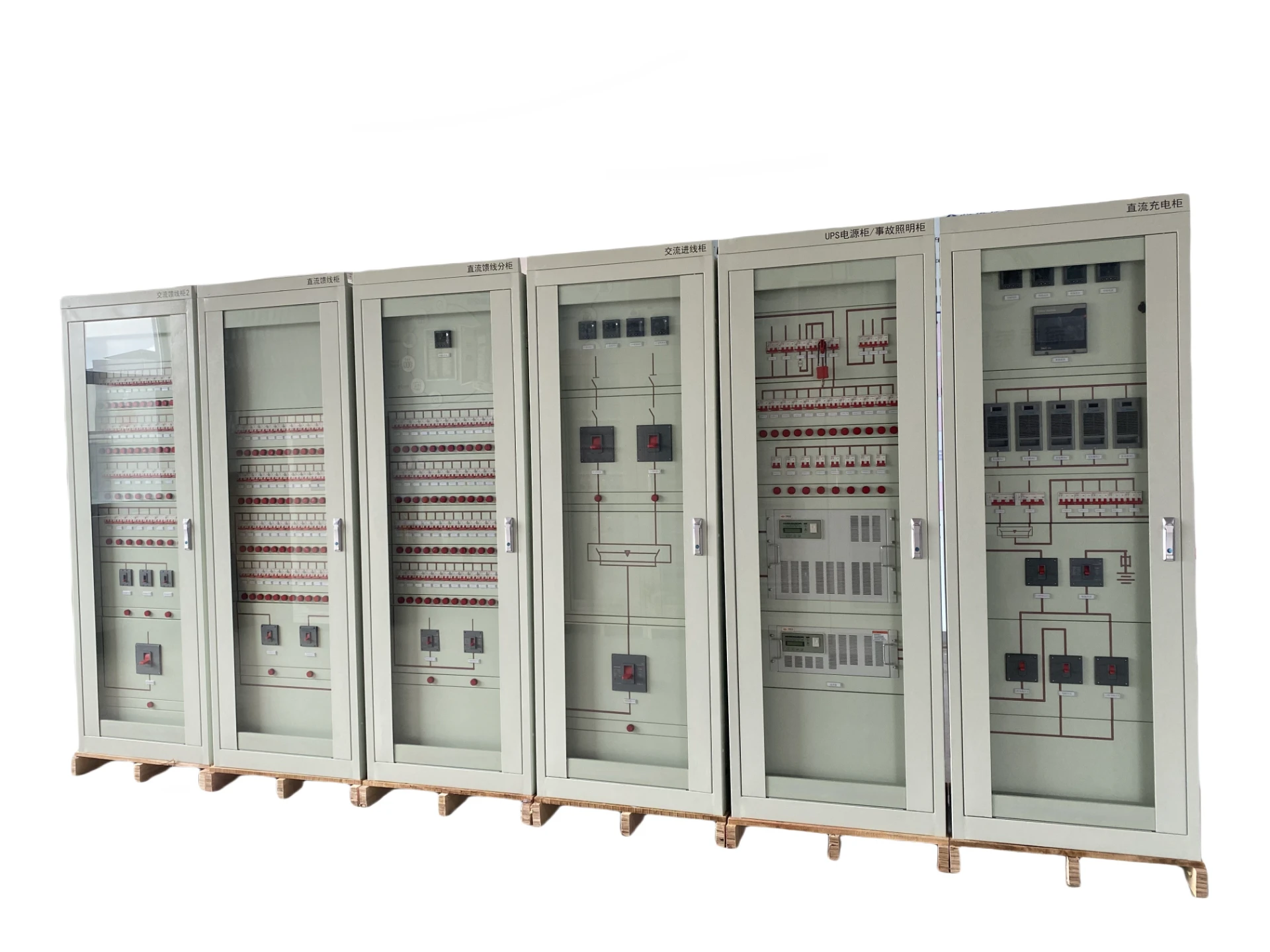
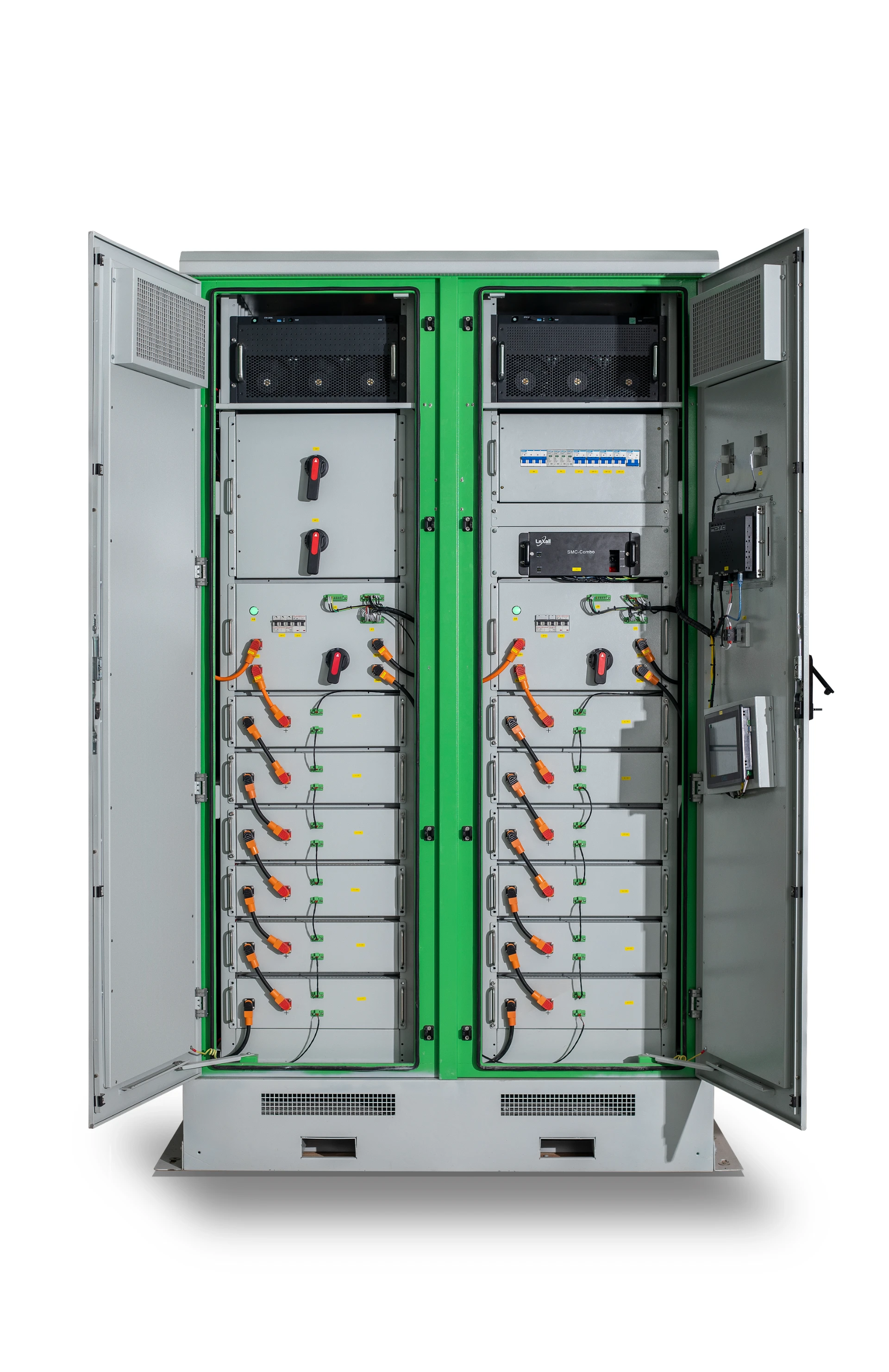
Advanced outdoor emergency power supply for South Sudan

Providing resilient, high-capacity lithium energy solutions to empower remote regions and critical infrastructure across South Sudan.

Advanced outdoor emergency power supply for South Sudan

Our professional-grade lithium-ion energy systems are engineered to withstand the extreme temperatures and logistical challenges of South Sudan, ensuring uninterrupted power for humanitarian and industrial use.

Energy Landscape in South Sudan

Analyzing the critical need for decentralized power in East Africa's youngest nation.

South Sudan faces severe energy poverty, with a centralized grid that is nearly non-existent in rural areas. The reliance on expensive and polluting diesel generators makes the adoption of mobile energy storage a strategic necessity for local economic growth and stability.

The region's climate, characterized by intense heat and seasonal flooding, places extreme stress on electronic components. This necessitates the use of high-grade energy storage module units that feature advanced thermal management to prevent degradation under tropical conditions.

Currently, the shift toward sustainable power is driven by humanitarian missions and the agricultural sector. The demand for portable mobile energy storage has surged as a means to power remote medical clinics and communication hubs without depending on fuel supply chains.
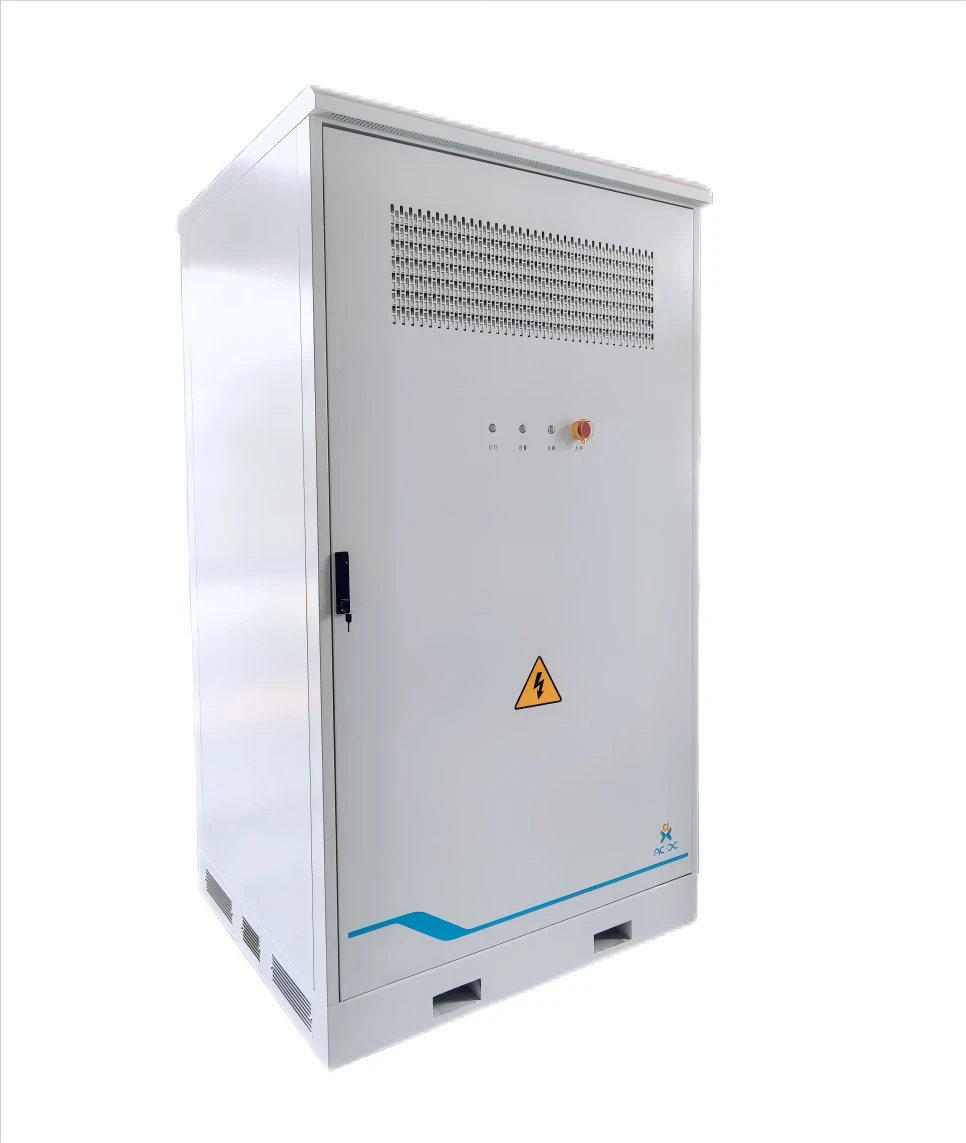
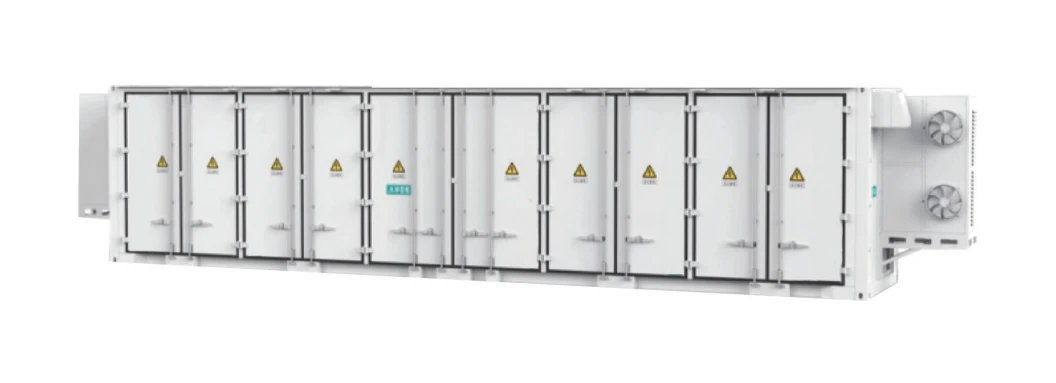
Evolution of Energy Storage in South Sudan

From primitive lead-acid arrays to intelligent lithium-ion ecosystems.

Market Development History

Between 2005 and 2015, the market relied almost exclusively on heavy lead-acid batteries and diesel gensets. These systems were inefficient, required high maintenance, and lacked the mobility needed for South Sudan's rugged terrain.

From 2016 to 2021, the introduction of early-stage LiFePO4 technology began to replace lead-acid systems. The focus shifted toward modularity, allowing for the deployment of the first standardized energy storage module designs for small-scale commercial use.

Since 2022, the integration of Smart BMS (Battery Management Systems) has allowed for real-time monitoring. This era marks the transition toward hybrid systems that combine photovoltaic inputs with high-density storage to eliminate fuel dependency.

Future Development Trends

Integration of AI-Driven Load Management

Future systems will utilize AI to predict energy consumption patterns in rural villages, optimizing the discharge cycles of mobile units to extend lifespan.

Adoption of Solid-State Technology

To combat extreme heat, there is a growing trend toward solid-state electrolytes which offer higher safety and thermal stability than liquid lithium-ion.

Diversification into Hybrid Storage

We anticipate a rise in mechanical and thermal energy storage to complement lithium batteries for long-duration industrial energy reserves.

Industry Trends and Future Outlook

Strategic projections for the energy transition in South Sudan.

Micro-Grid Decentralization
Shift from centralized power to community-based micro-grids powered by lithium arrays.
Fast-Charge Mobility
Development of rapid-charging stations for electric motorcycles and light vehicles.
Thermal Resilience
Enhanced cooling materials to prevent thermal runaway in 40°C+ environments.
Eco-Cycle Recovery
Establishing local collection and recycling centers for lithium cells.

Industry Outlook

Based on current Google search trends for renewable energy in Africa, we predict a 300% increase in demand for modular power solutions in South Sudan over the next 5 years. The focus will shift from "emergency" power to "primary" power sources.

The convergence of low-cost solar panels and high-density lithium storage will make portable mobile energy storage the standard for all field operations in the region, drastically reducing the cost of electricity per kWh.

Localized Application Scenarios in South Sudan

Tailored power solutions for the unique challenges of the South Sudanese landscape.

01. Remote Health Clinics

Providing constant refrigeration for vaccines and power for essential surgical equipment using high-capacity mobile units in remote states.

02. Agricultural Irrigation Hubs

Powering solar-driven water pumps via an energy storage module to ensure crop survival during the dry season.

03. Humanitarian Field Offices

Deploying rapid-response power stations for communication and lighting in temporary camps and disaster relief zones.

04. Off-Grid Education Centers

Enabling digital learning by powering laptops and tablets in rural schools where no grid electricity is available.

05. Oil & Gas Site Maintenance

Using heavy-duty portable units to support remote monitoring equipment and safety lighting in the energy sector.

Brand Story

Global Development Journey of Suzhou AC DC New Energy Technology Co., Ltd.

The Engineering Spark

Founded with a vision to bridge the gap between industrial battery capacity and portable accessibility, focusing on high-safety LiFePO4 cells.

Technological Breakthrough

Developed proprietary thermal management systems that allow our batteries to operate in extreme environments, from the Arctic to the Sahara.

Global Expansion

Expanded our footprint across Africa, establishing partnerships to bring stable energy to the most underserved regions on Earth.

Sustainability Commitment

Implemented a closed-loop manufacturing process, reducing carbon footprints while increasing the energy density of every module produced.

Empowering the Future

Continuing to innovate in BESS technology to ensure that no community, regardless of location, is left in the dark.

Complete Energy Portfolio for South Sudan

From portable power banks to industrial-scale storage containers.

Common Questions in South Sudan

Expert answers to the most pressing concerns regarding lithium energy deployment.

How does the extreme heat in South Sudan affect portable mobile energy storage?

Extreme heat can accelerate capacity fade. Our units use aerospace-grade thermal insulation and active cooling to maintain an optimal internal temperature, ensuring longevity in hot climates.

Can these systems be charged using locally available solar panels?

Yes, our modules are compatible with a wide range of MPPT solar controllers, making them ideal for fully off-grid installations in rural South Sudan.

What is the lifespan of a professional energy storage module in remote areas?

Using LiFePO4 chemistry, our modules typically offer 6,000+ deep cycles, which translates to over 10 years of daily use if maintained according to our guidelines.

Are there specific safety certifications for outdoor emergency power supply units?

All our products are UN38.3 certified for safe transport and CE/IEC certified for electrical safety, ensuring they meet international standards for humanitarian deployment.

How do I maintain my mobile energy storage system in dusty environments?

Our units feature IP65-rated enclosures to block dust. We recommend simple external cleaning with a dry cloth and ensuring vents are not obstructed by sand.

Is mechanical and thermal energy storage viable for South Sudanese industry?

Yes, for large-scale industrial sites, combining lithium with thermal storage allows for more efficient heating/cooling cycles, reducing the overall electrical load.

Request Your Custom Power Solution

Our engineering team is ready to design a resilient energy system tailored for the unique environment of South Sudan.

Contact Us Now

If you are interested in our products, you can choose to leave your information here, and we will be in touch with you shortly.