

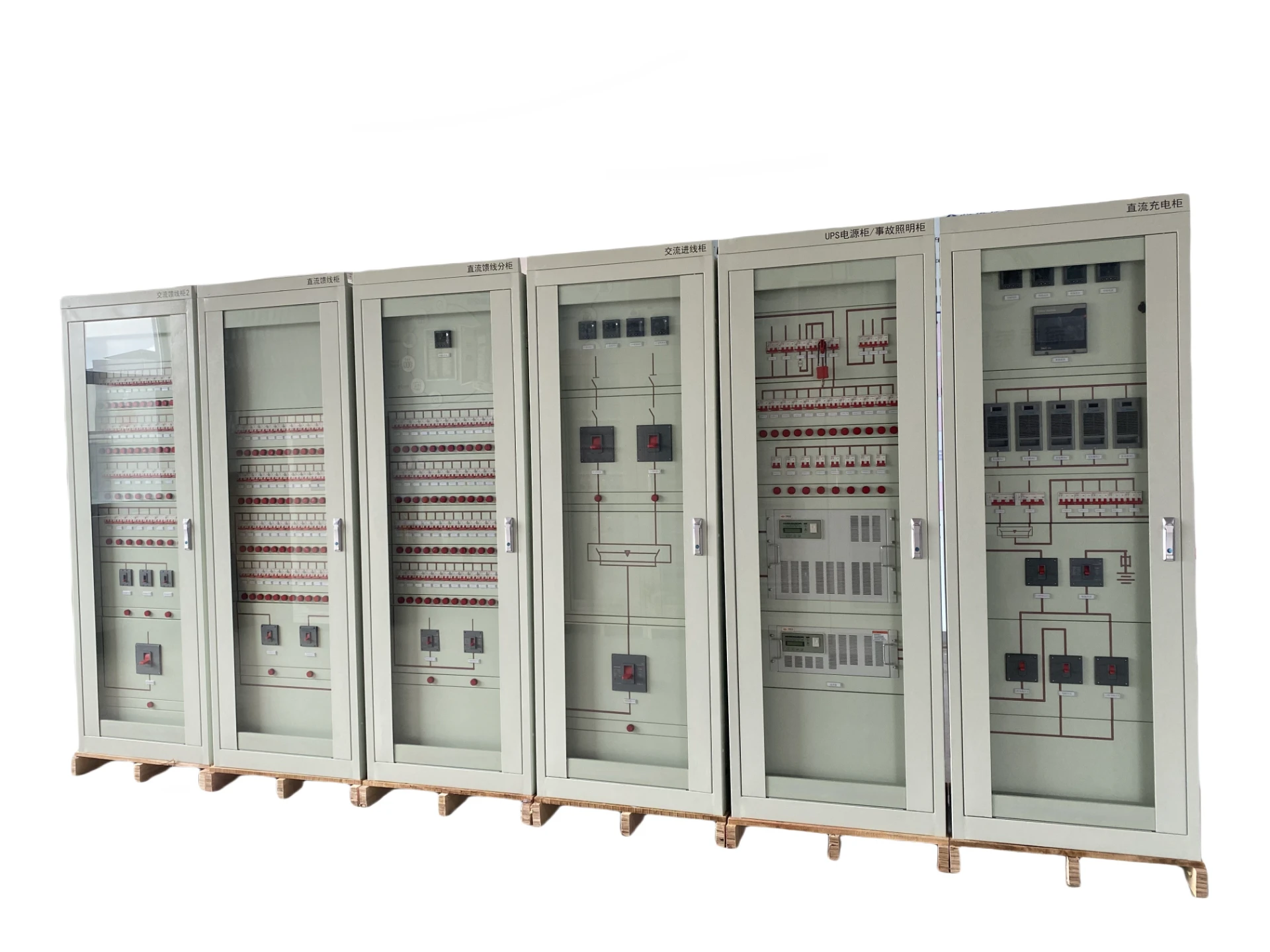
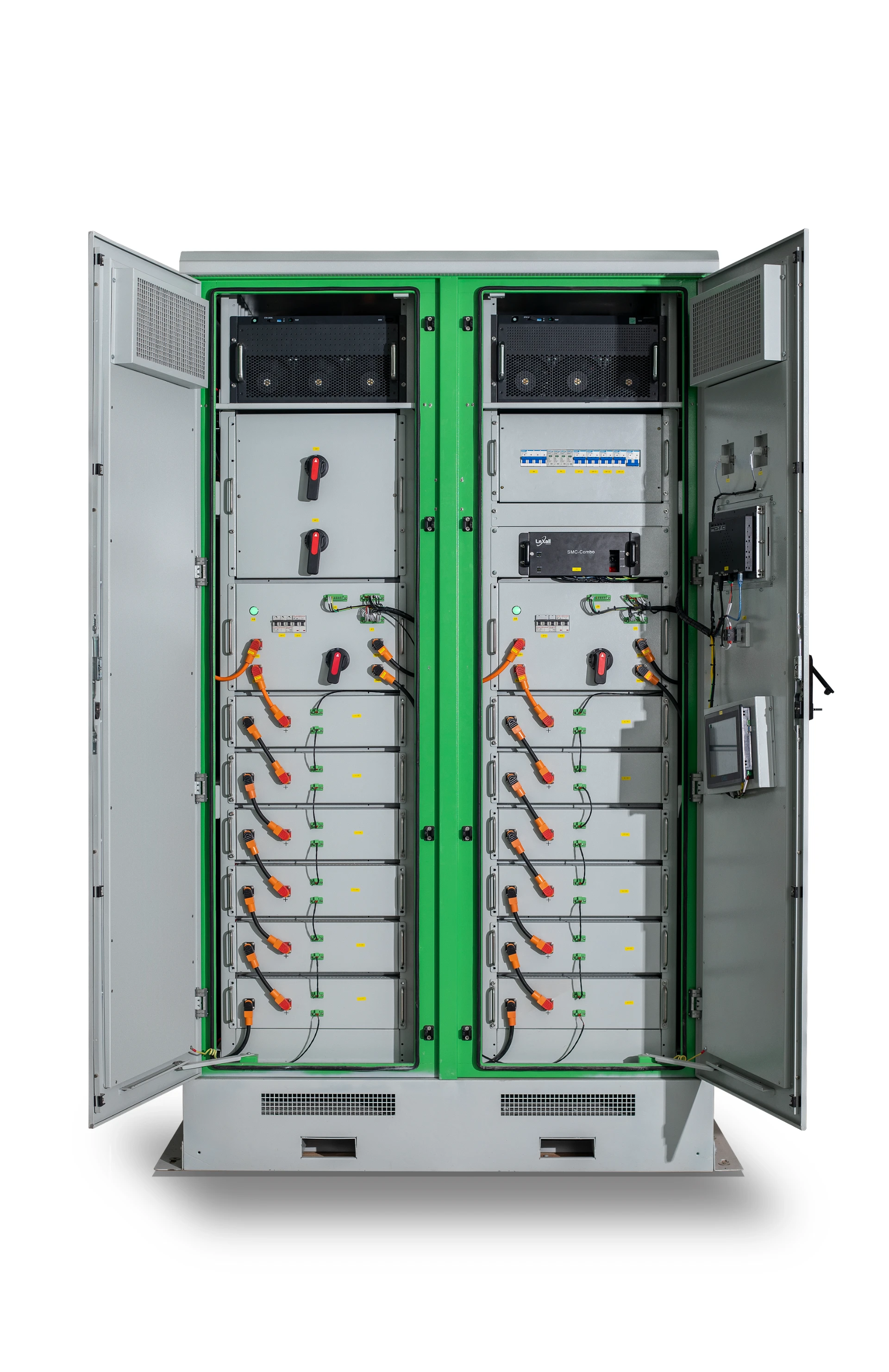
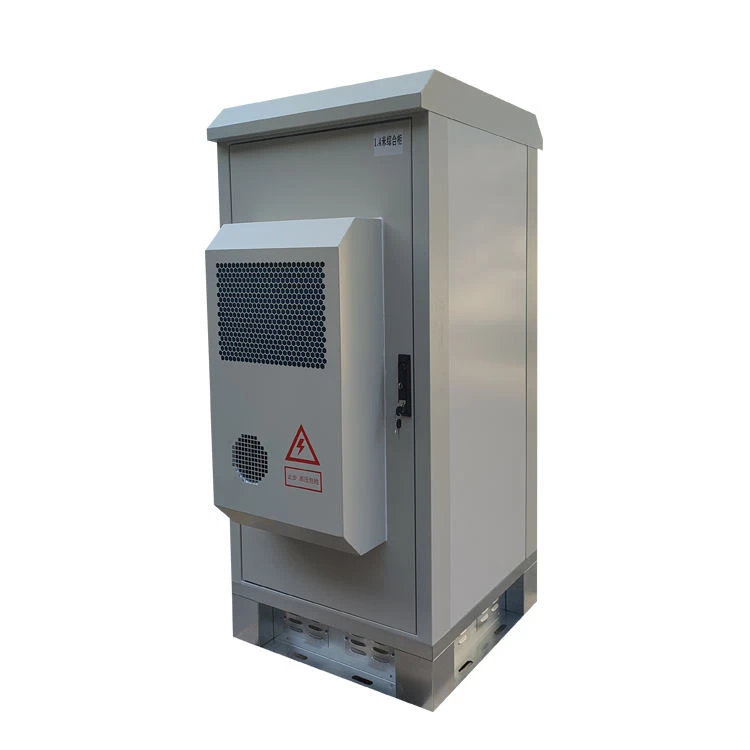
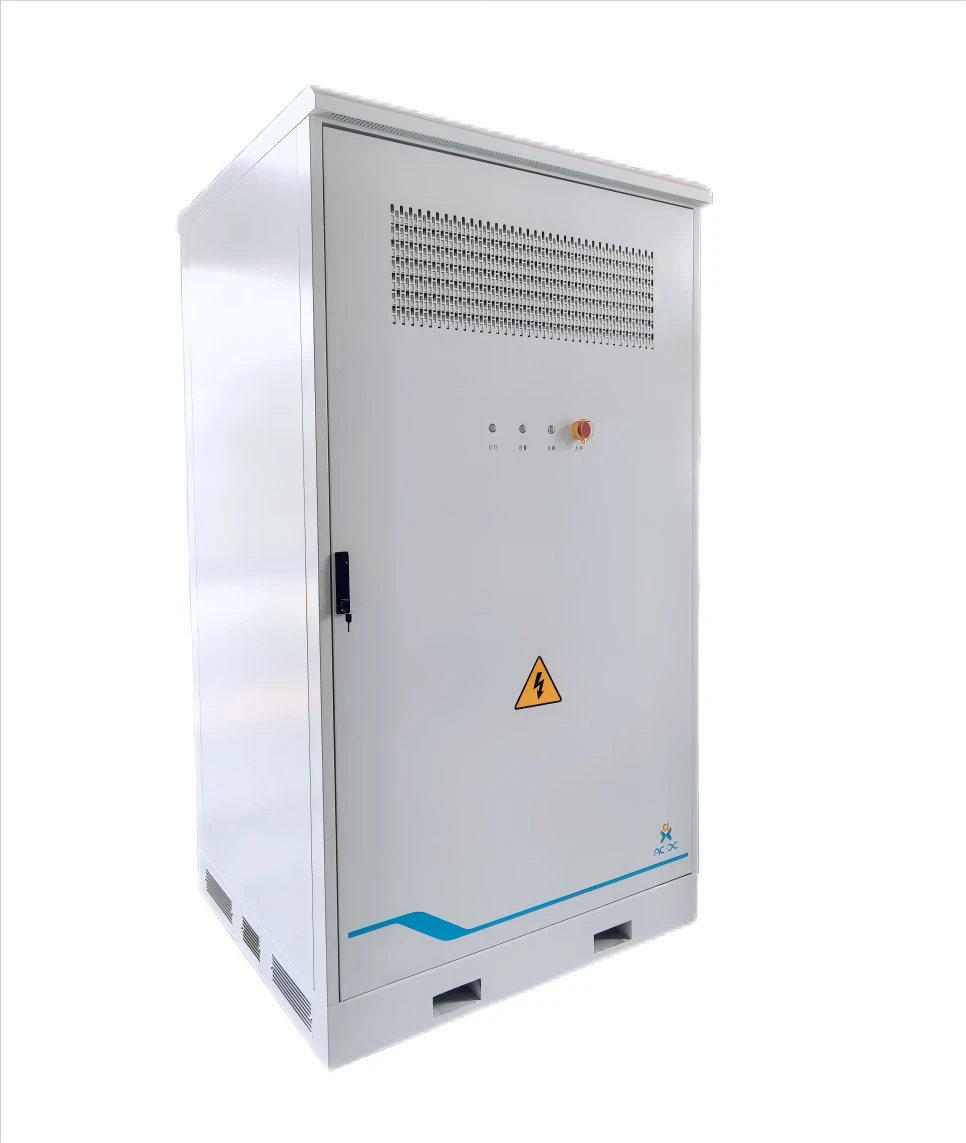
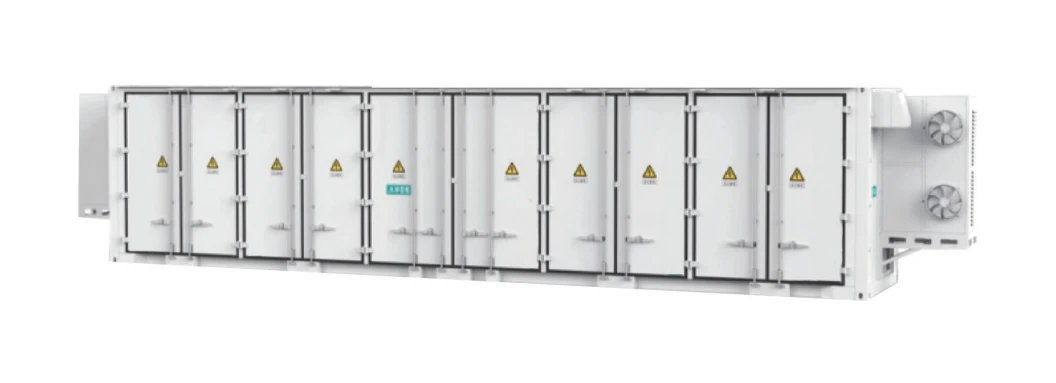
Uganda Industrial outdoor emergency power supply Solutions

Empowering Uganda's infrastructure with high-performance lithium-ion battery systems for seamless energy continuity in remote and urban environments.

Uganda Industrial outdoor emergency power supply Solutions

Providing cutting-edge energy resilience for Uganda's manufacturing and service sectors through advanced lithium-ion storage technology.

Energy Landscape in Uganda

Analyzing the critical need for stable power in the Pearl of Africa.

Uganda faces significant challenges with grid stability, particularly in rural areas and expanding industrial zones. The reliance on hydroelectric power, while sustainable, is often interrupted by seasonal fluctuations and aging distribution networks, creating a massive demand for mobile energy storage to maintain productivity.

In the manufacturing sector of Uganda, unplanned power outages lead to substantial revenue loss and equipment damage. The local market is transitioning from noisy, polluting diesel generators to cleaner, more efficient portable mobile energy storage units that can be deployed instantly across different factory sites.

Furthermore, the tropical climate of Uganda requires battery systems with advanced thermal management. The adoption of high-density lithium-ion cells ensures that energy remains available even during peak heat periods, supporting the nation's Vision 2040 industrialization goals.
Evolution of Energy Storage in Uganda

From traditional lead-acid to intelligent lithium-ion modular systems.

Market Development History

Before 2010, Uganda's backup power was dominated by lead-acid batteries and heavy diesel generators. These systems were cumbersome, had short lifecycles, and required high maintenance, offering very limited flexibility for mobile applications.

Between 2015 and 2020, the introduction of early-stage LiFePO4 technology began to penetrate the commercial sector. The focus shifted toward the energy storage module, allowing businesses to scale their capacity as their energy needs grew.

From 2021 to the present, the market has evolved toward integrated, smart energy hubs. There is now a sophisticated integration of software-defined power management and high-capacity cells, reducing the Total Cost of Ownership (TCO) for Ugandan enterprises.

Future Development Trends

Hybridization of Storage Media

We anticipate a shift toward combining chemical batteries with mechanical and thermal energy storage to handle both short-term spikes and long-term industrial loads.

AI-Driven Energy Orchestration

Integration of AI to predict grid failures in the Ugandan network, allowing storage systems to automatically switch to discharge mode before a blackout occurs.

Ultra-Fast Charging Infrastructure

Development of high-current charging stations across major Ugandan corridors to support the rapid turnaround of mobile power units.

Future Trends & Strategic Outlook

Driving the next generation of electrical machinery and battery manufacturing.

Modular Scalability
Transitioning to standardized modules that allow Ugandan factories to expand capacity without replacing existing hardware.
Climate-Adaptive Chemistry
Developing electrolyte compositions specifically for high-humidity and high-temperature regions like Central Uganda.
Eco-Friendly Recycling
Establishing closed-loop systems in East Africa to reclaim lithium and cobalt from aged battery modules.
V2X Integration
Enabling Vehicle-to-Everything (V2X) technology to turn electric fleets in Kampala into mobile power reserves.

Industry Outlook

Based on regional search trends, there is a surging interest in decentralized power. We predict that the integration of solar PV with high-capacity lithium storage will become the primary power source for 40% of Ugandan small-scale industries by 2028.

The convergence of energy density improvements and falling costs will make the "energy-as-a-service" model viable, where businesses lease capacity rather than buying hardware, drastically lowering the entry barrier for local entrepreneurs.

Local Application Scenarios in Uganda

Tailored energy solutions for diverse Ugandan operational environments.

01. Agri-Processing Plants in Jinja

Providing stable power for milling and processing equipment to prevent spoilage of coffee and grain during grid failures, utilizing heavy-duty storage units.

02. Mobile Medical Clinics in Karamoja

Deploying compact units to ensure cold-chain storage for vaccines and power for emergency surgical equipment in remote off-grid areas.

03. Kampala Urban Construction Sites

Replacing diesel generators with silent, emission-free power blocks to run heavy machinery and site lighting without violating urban noise ordinances.

04. Mining Operations in Eastern Uganda

Supporting deep-bore drilling and ventilation systems with high-discharge battery arrays that can be rapidly relocated as the mine expands.

05. Telecom Tower Backup in Rural Districts

Ensuring 24/7 network connectivity by integrating solar-charged batteries to eliminate the cost and risk of transporting diesel to remote towers.

Brand Story

Global Development Journey of Suzhou ACDX New Energy Technology Co., Ltd.

Technical Foundations

Founded with a vision to revolutionize energy density, we began by perfecting the chemistry of lithium-ion cells for industrial use.

Global Expansion

Expanding our reach to Africa, we identified the unique power struggles in Uganda and adapted our hardware for extreme environments.

Innovation Milestone

Developed the proprietary Modular Energy System, allowing users to snap-in additional capacity as their business scales.

Sustainability Commitment

Launched a global initiative to implement battery recycling, ensuring that the green energy transition doesn't create a waste crisis.

Industry Leadership

Today, we stand as a premier partner for electrical machinery and battery manufacturing, powering the future of industry worldwide.

Complete Power Portfolio for Uganda

From portable units to industrial-scale energy reservoirs.

Uganda Energy Storage FAQ

Expert answers to common questions regarding lithium-ion deployment in Uganda.

How does the humid climate of Uganda affect lithium-ion battery lifespan?

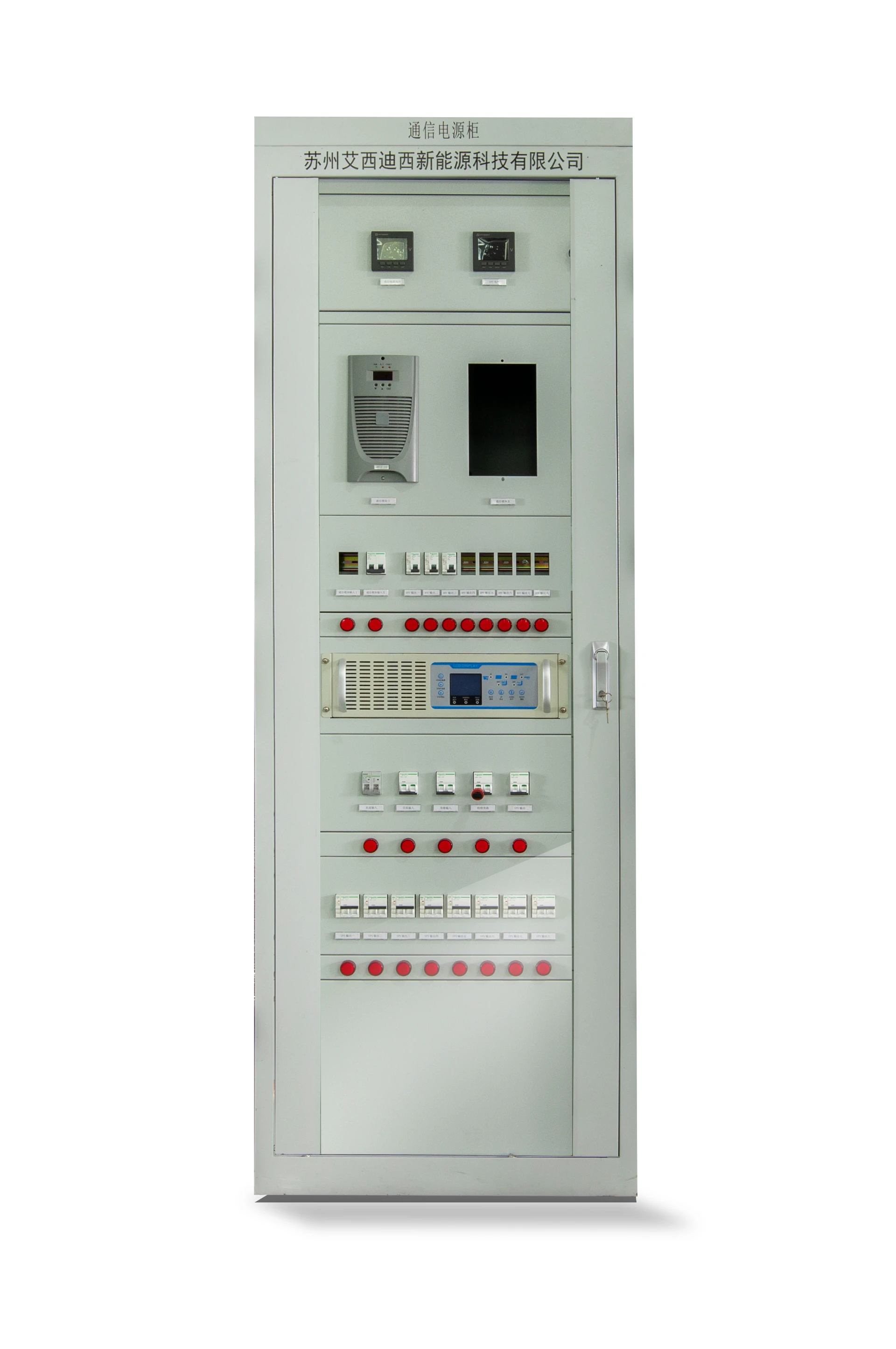
Our systems utilize IP65-rated enclosures and advanced thermal management to prevent moisture ingress and overheating, ensuring longevity in tropical conditions.

Can a portable mobile energy storage unit power industrial machinery?

Yes, provided the peak surge current of the machinery is within the inverter capacity of the unit. Our high-discharge models are designed specifically for industrial loads.

What is the advantage of an energy storage module over a traditional generator?

Modules offer zero emissions, silent operation, lower operational costs, and near-instantaneous switch-over times (milliseconds) compared to diesel generators.

How to choose the right capacity for an outdoor emergency power supply?

Calculate your total Watt-hour consumption per hour and multiply by the required backup duration, adding a 20% safety margin for efficiency losses.

Are mechanical and thermal energy storage options viable for Ugandan farms?

They are excellent for long-term, large-scale storage. When combined with lithium batteries, they provide a balanced solution for seasonal energy demands.

What maintenance is required for these battery systems in Uganda?

Lithium systems are virtually maintenance-free. We recommend quarterly firmware updates and checking the external cooling vents for dust accumulation.

Request a Technical Consultation

Our engineers are ready to design the perfect energy resilience strategy for your business in Uganda.

Contact Us Now

If you are interested in our products, you can choose to leave your information here, and we will be in touch with you shortly.