High Performance Energy Storage and Fast Charging Station Price
Selecting the right infrastructure for high-power energy delivery requires a deep understanding of the synergy between battery storage and protective housing. For operators evaluating the fast charging station price, the cost is often less about the charger itself and more about the total cost of ownership, which includes thermal stability, safety certifications, and the longevity of the battery compartments. A well-engineered enclosure ensures that the power electronics and lithium-ion cells remain within optimal temperature ranges, preventing premature degradation and reducing operational downtime.
Suzhou ACDC New Energy Technology specializes in the integration of IoT and clean energy, providing comprehensive cabinet solutions that balance compact design with high-performance sealing. By dividing the system into dedicated equipment and battery compartments, we ensure that hazardous gases are safely vented while sensitive 19-inch hardware is protected. This structural approach is critical for commercial and industrial (C&I) clients who require scalable, safe, and durable energy storage integration for their charging networks.

Engineering the Foundation of High-Efficiency Energy Storage Cabinets
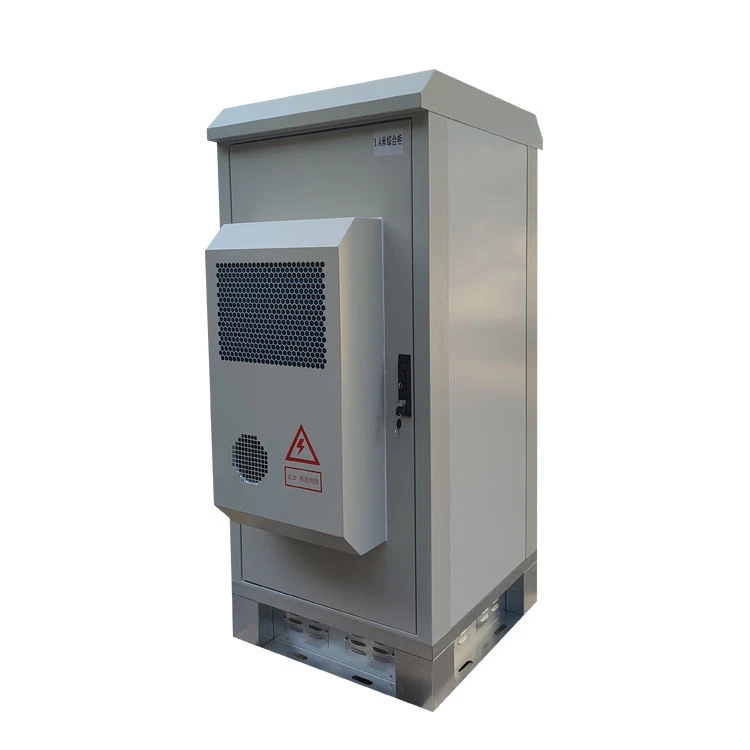
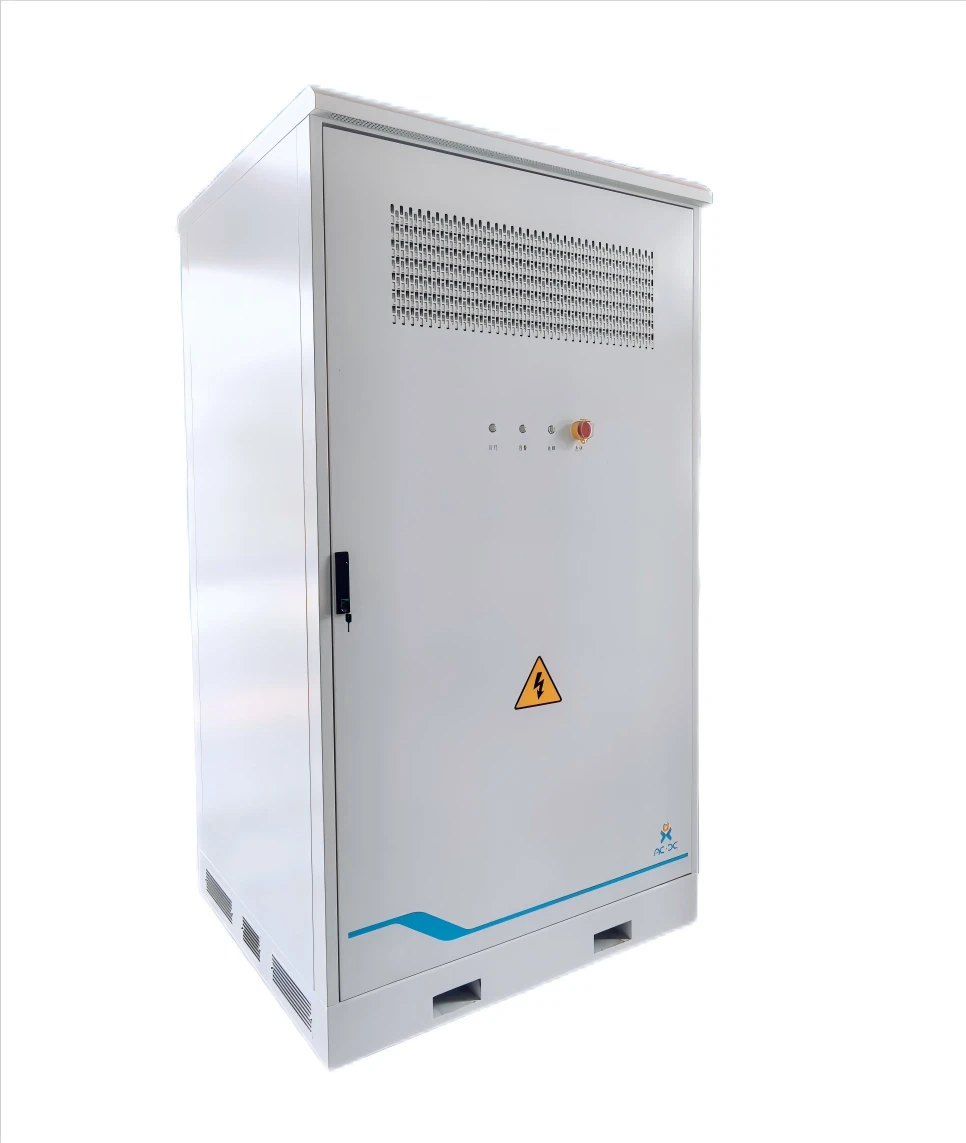
The structural integrity of an energy storage cabinet is the first line of defense for expensive lithium-ion assets. Our comprehensive cabinet design utilizes a functional split, separating the system into two equipment compartments and a dedicated battery compartment. This division is not merely organizational; it is a safety requirement that isolates the power conversion hardware from the energy cells, reducing the risk of thermal runaway propagation.
Fabricated from hot-dip galvanized steel and cold plate steel, these cabinets are engineered to withstand harsh environments. The use of color steel insulation boards and thermal insulation cotton on the door panels ensures that the internal environment remains stable, regardless of external temperature fluctuations. For those analyzing the fast charging station price, investing in a cabinet with an IP55 protection level significantly lowers long-term maintenance costs by preventing dust and moisture ingress.
- Optimized Airflow: Integrated exhaust devices specifically designed to release harmful gases produced by batteries during high-cycle charging.
- Standardized Integration: Equipment compartments conform to the standard 19-inch setting, allowing for seamless installation of various industrial controllers and power modules.
- High Load Capacity: A robust frame capable of supporting loads ≥ 500Kg, ensuring stability even when fully packed with high-density battery modules.

Critical Thermal Management and Safety Standards for C&I Deployment
In the realm of lithium-ion battery manufacturing, thermal management is the primary determinant of system reliability. Our cabinets are designed to support advanced thermal management systems (TMS), utilizing insulation materials that maintain a consistent internal temperature. This is particularly vital for fast-charging applications where the internal resistance of batteries generates significant heat during rapid energy throughput.
Safety is further reinforced through strict adherence to flame retardant standards. Our materials meet the GB5169.7 test A requirements, providing a critical safety buffer in the event of an electrical fault. Additionally, the electrical grounding is meticulously engineered, with the resistance between the grounding bar and metal workpieces kept under 0.1Ω to prevent electrostatic discharge and ensure operator safety during maintenance.
By combining a compact structure with superior sealing performance, Suzhou ACDC helps clients maximize their footprint efficiency. Whether deployed in urban commercial centers or remote industrial sites, the rust-removal and anti-rust phosphating surface treatments ensure that the exterior remains intact against atmospheric corrosion for years.
Optimizing the Total Cost of Ownership for Energy Infrastructure
When procurement managers evaluate the fast charging station price, the focus often shifts toward the initial capital expenditure. However, the true value lies in the "system-level" efficiency. A cabinet that fails to manage heat or vent gases effectively will lead to accelerated battery capacity fade, forcing expensive cell replacements far sooner than anticipated.
Our customized solutions allow clients to tailor dimensions—starting from the base 6506501400mm—to fit specific site constraints. This flexibility prevents the need for costly civil engineering modifications at the installation site. By integrating our in-house Battery Management System (BMS) and Energy Management System (EMS) capabilities, we provide a turnkey solution where the hardware and software are perfectly synchronized.
Key procurement considerations for high-performance cabinets include:
- Material Grade: Ensuring the use of hot-dip galvanized steel for outdoor durability.
- Protection Ratings: Verifying IP55 or higher for outdoor exposure.
- Integration Ease: Confirming 19-inch standard compatibility for rapid equipment swap-outs.
- Safety Compliance: Confirming flame retardancy and grounding resistance specifications.
Technical Specifications and Material Analysis
| Parameter | Specification | Standard/Material | Operational Impact |
|---|---|---|---|
| Cabinet Materials | Galvanized / Cold Plate Steel | Hot-dip galvanized | High corrosion resistance |
| Protection Level | IP55 | Industrial Standard | Dust and water jet protection |
| Flame Retardant | Test A | GB5169.7 | Enhanced fire safety |
| Grounding Resistance | < 0.1Ω | Metal-to-Bar | Electrical safety/leakage prevention |
| Load Capacity | ≥ 500Kg | Structural Steel | Supports heavy battery arrays |
Scaling Energy Solutions via IoT and Integrated Design
The transition to clean energy requires more than just hardware; it requires intelligence. Suzhou ACDC integrates IoT technology into our cabinet systems, allowing for real-time monitoring of the thermal environment and battery health. This proactive approach transforms a passive steel enclosure into an active part of the energy management ecosystem, enabling remote diagnostics and predictive maintenance.
For industrial clients, this means the ability to monitor multiple distributed energy storage systems from a single dashboard. By tracking parameters such as internal temperature and gas levels via the EMS, operators can intervene before a critical failure occurs. This integration of software and hardware is what separates a basic enclosure from a professional-grade energy storage solution.
Our commitment to R&D ensures that as lithium battery technology evolves—increasing in density and power—our cabinets evolve as well. We continue to refine our thermal insulation and ventilation protocols to accommodate the next generation of high-discharge cells, ensuring that our global clients always have access to the most stable and safe infrastructure available.
Future-Proofing Your Energy Storage Infrastructure
As the global demand for rapid energy transition grows, the requirements for energy storage cabinets are shifting toward higher modularity and greater environmental resilience. The trend is moving away from generic boxes toward specialized "energy pods" that combine thermal control, fire suppression, and intelligent routing in one compact unit. Our modular design philosophy allows for easy expansion as energy needs increase.
Buyers should look beyond the immediate price and consider the scalability of the system. A cabinet that can easily integrate new 19-inch equipment or accommodate upgraded battery modules without requiring a full replacement is a far more sustainable investment. Our focus on customized solutions ensures that whether you are deploying a small-scale household system or a massive C&I distributed network, the infrastructure is right-sized for the task.
Ultimately, the goal is to create a seamless bridge between the clean energy revolution and practical industrial application. By prioritizing safety, stability, and intelligent integration, Suzhou ACDC ensures that the backbone of the energy transition—the storage system—is built to last.
Frequently Asked Questions About Energy Storage Cabinets
What is the primary purpose of dividing the cabinet into equipment and battery compartments?
The division isolates power conversion electronics from the energy cells. This prevents heat from the equipment from affecting battery stability and ensures that any potential battery off-gassing is managed separately from the sensitive electronic controllers, enhancing overall system safety.
How does the IP55 rating benefit outdoor installations?
An IP55 rating means the cabinet is protected against dust ingress and low-pressure water jets from any direction. This is critical for outdoor energy storage as it prevents moisture and contaminants from causing short circuits or corroding the internal battery terminals.
Can the cabinet dimensions be customized for specific site requirements?
Yes, while the standard dimension is 6506501400mm, Suzhou ACDC provides customizable sizing to ensure the cabinet fits the specific spatial constraints of your project without compromising internal airflow or equipment spacing.
Why is grounding resistance kept below 0.1Ω?
Low grounding resistance is essential for safety. It ensures that in the event of an electrical fault, the current is quickly and safely diverted to the ground, protecting both the equipment from damage and the personnel from electric shock.
What materials are used to ensure thermal stability inside the cabinet?
We use a combination of color steel insulation boards and thermal insulation cotton on the door panels. This creates a thermal barrier that minimizes the impact of external temperature swings on the internal lithium-ion cells.
Does the cabinet support standard industrial hardware?
Yes, the equipment compartment is designed to conform to the standard 19-inch setting, making it compatible with a wide array of industrial switches, controllers, and power modules used in energy management.
Technical References and Industry Standards
- IEEE Standards for Energy Storage Systems
- UL Safety Standards for Lithium-Ion Batteries
- ISO Quality Management for Electrical Equipment
- IEC Standards for Battery Enclosures
Ensuring the safety and efficiency of your energy infrastructure requires a partner who understands the intersection of materials science and electrical engineering. Suzhou ACDC New Energy Technology is dedicated to providing the stability and performance necessary for the global transition to clean energy.
Explore Our Integrated Energy Solutions