
Top Battery Energy Storage System Manufacturers Cabinet Solutions
For commercial and industrial operators, the transition to sustainable energy relies heavily on the physical infrastructure that houses high-capacity lithium cells. A high-performance energy storage cabinet is not merely a shell but a critical engineered environment that ensures battery longevity and operational safety. By integrating precise thermal management, robust structural integrity, and specialized venting, these enclosures protect sensitive components from external contaminants while managing the internal stresses of rapid charging and discharging cycles.
Suzhou ACDC New Energy Technology focuses on bridging the gap between raw battery power and stable grid integration. Our specialized cabinet solutions are designed to meet the rigorous demands of distributed energy storage, offering customizable configurations that balance space efficiency with industrial-grade protection. Whether deployed in urban commercial centers or remote industrial sites, the right enclosure is the first line of defense in maintaining system reliability and maximizing the return on investment for clean energy assets.

Modular Structural Design for Optimal Equipment Integration
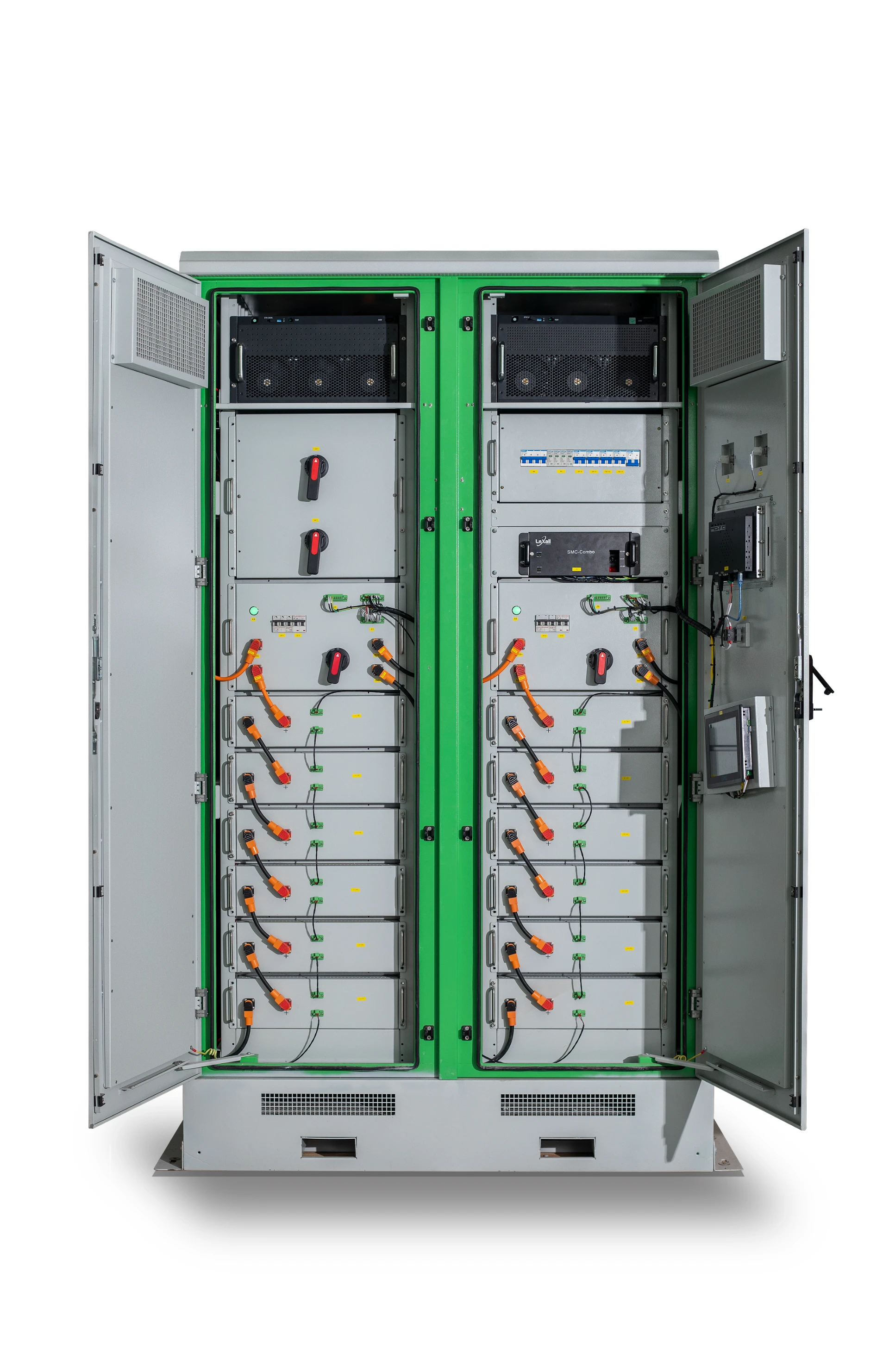
The architecture of a professional energy storage cabinet is defined by its functional segmentation. Our comprehensive cabinet system utilizes a tri-compartment layout, internally dividing the space into two dedicated equipment compartments and one primary battery compartment. This separation is critical for preventing electrical interference and streamlining maintenance, allowing technicians to access power electronics without disturbing the battery arrays.
For projects requiring a more decoupled approach, we provide separate equipment cabinets that conform to the standard 19-inch setting. This compatibility ensures that a wide variety of industry-standard monitoring tools, inverters, and controllers can be installed with minimal modification. The compact structural design minimizes the total footprint on-site while maintaining a sealing performance that protects against dust and moisture ingress, which is vital for the long-term stability of lithium-ion systems.
Reliability starts with the materials. By utilizing hot-dip galvanized steel and cold plate steel, the cabinets achieve a high strength-to-weight ratio and superior resistance to environmental degradation. This industrial-grade construction ensures that the enclosure can support significant internal loads, reaching a capacity of ≥ 500Kg, making it suitable for the densest battery configurations available in today's market.

Advanced Thermal Control and Safety Engineering
Thermal instability is one of the primary risks in large-scale lithium energy storage. To mitigate this, our battery cabinets are engineered with specialized door panels covered in thermal insulation cotton. This design serves a dual purpose: it preserves heat during cold weather to maintain optimal battery chemistry performance and prevents external heat spikes from penetrating the core storage area.
Safety is further reinforced through an active exhaust system. Because lithium batteries can produce harmful gases under specific failure modes or extreme conditions, the cabinet is equipped with a dedicated exhaust device to safely release these gases. This prevents pressure buildup and reduces the risk of internal combustion, aligning with strict industrial safety protocols.
The exterior finish is not merely aesthetic; the rust removal and anti-rust phosphating process, followed by professional spraying (PANTONE 428C), creates a durable barrier against oxidation. Combined with an IP55 body protection level, the cabinet is effectively shielded from water splashes and dust, ensuring that the internal BMS and EMS components operate in a controlled, clean environment regardless of the outdoor conditions.
Strategic Application in C&I and Household Energy Ecosystems
The deployment of these cabinets varies significantly based on the target application. For Commercial and Industrial (C&I) clients, the focus is on scalability and load bearing. These systems are often used for peak shaving and load shifting, where the cabinet must house large-scale distributed energy storage systems that interface with high-voltage grids. The robust IP55 rating and 500Kg load capacity are essential here, as these units often face harsher industrial environments.
In contrast, household energy storage systems require a more compact and aesthetically integrated approach. While the core safety requirements—such as the GB5169.7 flame retardant standard—remain mandatory, the focus shifts toward ease of installation and noise reduction. Our capability for customizable dimensions (standard 6506501400mm) allows us to adapt the enclosure to fit specific residential utility spaces without sacrificing technical performance.
Portable power supplies and other supporting products also benefit from this modular philosophy. By applying the same principles of thermal management and material durability used by leading battery energy storage system manufacturers, we ensure that even smaller-scale units maintain the same safety and stability promises as our largest industrial installations.
Technical Specifications and Material Properties
| Technical Parameter | Standard Specification | Performance Metric | Compliance/Standard |
|---|---|---|---|
| Primary Materials | Galvanized/Cold Plate Steel | High Structural Rigidity | Industrial Grade |
| Protection Level | IP55 Rated | Dust & Water Resistant | IEC Standard |
| Load Capacity | ≥ 500Kg | Heavy-Duty Support | Structural Test Verified |
| Flame Retardancy | Insulation Board | Fire Resistant | GB5169.7 Test A |
| Electrical Safety | Grounding Bar | Resistance < 0.1Ω | Insulation Standard |
Procurement Considerations for High-Reliability Enclosures
When evaluating suppliers for energy storage enclosures, procurement managers must look beyond the raw material list. The critical differentiator lies in the integration of thermal and gas management. A cabinet that lacks specialized insulation or an exhaust system can significantly shorten the lifespan of the lithium cells by allowing temperature fluctuations or trapping hazardous emissions.
Another key consideration is the total cost of ownership (TCO). While a basic steel box may be cheaper initially, the inclusion of anti-rust phosphating and high-grade spraying prevents premature corrosion in humid or coastal environments. This reduces long-term maintenance costs and prevents structural failures that could lead to catastrophic battery damage.
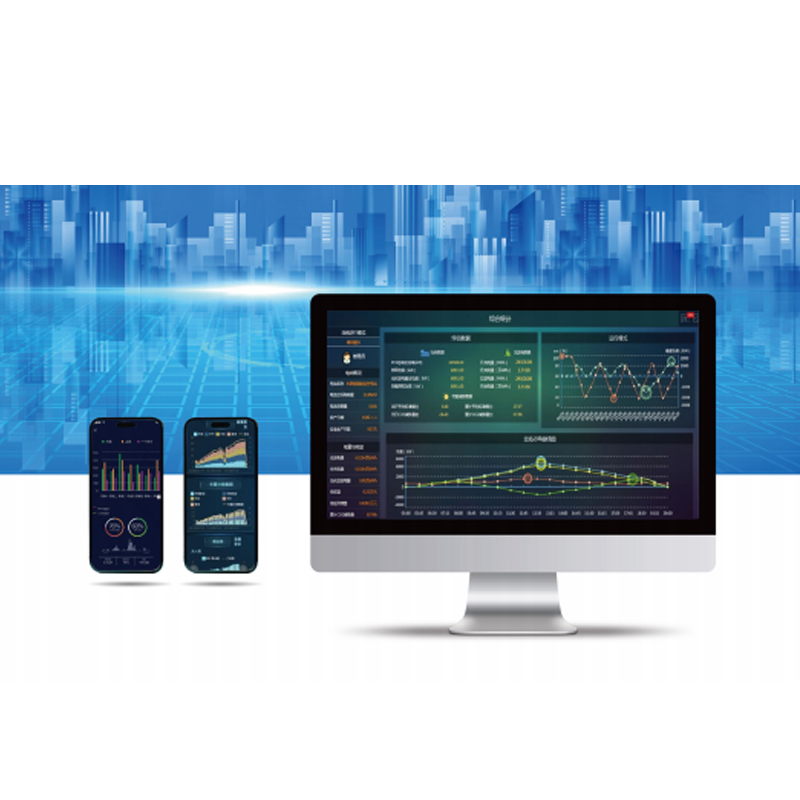
Customization is also a vital requirement. Since every project has different space constraints and equipment needs, the ability to modify dimensions and internal layouts is essential. Suzhou ACDC New Energy Technology provides in-house system design and integration, ensuring that the physical cabinet perfectly complements the Battery Management System (BMS) and Energy Management System (EMS) for maximum operational synergy.
The Evolution of Energy Storage Housing Technology
The trend in the lithium energy industry is moving toward smarter, more integrated "energy pods." We are seeing a shift where the cabinet is no longer a passive container but an active component of the energy management chain. Future developments are focusing on the deeper integration of IoT sensors within the cabinet walls to provide real-time structural health monitoring and precise ambient temperature mapping.
As global standards for safety become more stringent, the adherence to certifications like GB5169.7 for flame retardancy is becoming the baseline. The next generation of enclosures will likely incorporate advanced phase-change materials for passive cooling and improved electromagnetic shielding to protect the EMS from external interference in dense industrial zones.
For global clients, the promise of safety and stability is paramount. By continuously investing in R&D for thermal management and outdoor cabinet design, manufacturers can provide a reliable foundation for the clean energy revolution, ensuring that distributed energy storage is not only efficient but fundamentally safe for human environments.
Frequently Asked Questions Regarding Energy Storage Cabinets
What is the purpose of the internal division in the comprehensive cabinet?
The cabinet is divided into two equipment compartments and one battery compartment to isolate the power electronics from the energy cells. This prevents electrical interference and allows for safer maintenance of the BMS and EMS without needing to access the battery array directly.
How does the cabinet handle harmful gases produced by lithium batteries?
The enclosure is equipped with a specialized exhaust device specifically designed to release harmful gases produced by the battery during operation or in the event of a cell failure, preventing dangerous pressure buildup inside the cabinet.
Is the IP55 protection level sufficient for outdoor installation?
Yes, an IP55 rating means the cabinet is protected against dust ingress and low-pressure water jets from any direction. This makes it highly suitable for outdoor industrial environments, provided it is installed according to site-specific guidelines.
Can the cabinet dimensions be customized for specific project needs?
Yes, while the standard dimensions are 6506501400mm, the design is fully customizable to meet the specific space and equipment requirements of individual clients, ensuring a precise fit for the intended installation site.
Why is the grounding resistance required to be less than 0.1Ω?
Low grounding resistance is critical for electrical safety. It ensures that any leakage current is quickly and safely diverted to the ground, protecting personnel from electric shock and protecting the sensitive electronic components from surge damage.
What materials are used to ensure the cabinet doesn't rust in humid environments?
We use a combination of hot-dip galvanized steel and cold plate steel, treated with a professional rust removal and anti-rust phosphating process, and finished with a high-quality spray coating to provide maximum corrosion resistance.
Technical References and Industry Standards
- IEEE Standards for Energy Storage Systems
- International Electrotechnical Commission (IEC) - Enclosure Ratings
- Underwriters Laboratories (UL) - Battery Safety Standards
- NEMA Standards for Industrial Enclosures
Ensuring the physical integrity of your energy storage system is the first step toward operational excellence. By choosing an enclosure engineered for thermal stability and structural endurance, you protect your investment and ensure the safety of your facility. Contact our engineering team for customized layout designs and technical integration support.
Related Industry Insights