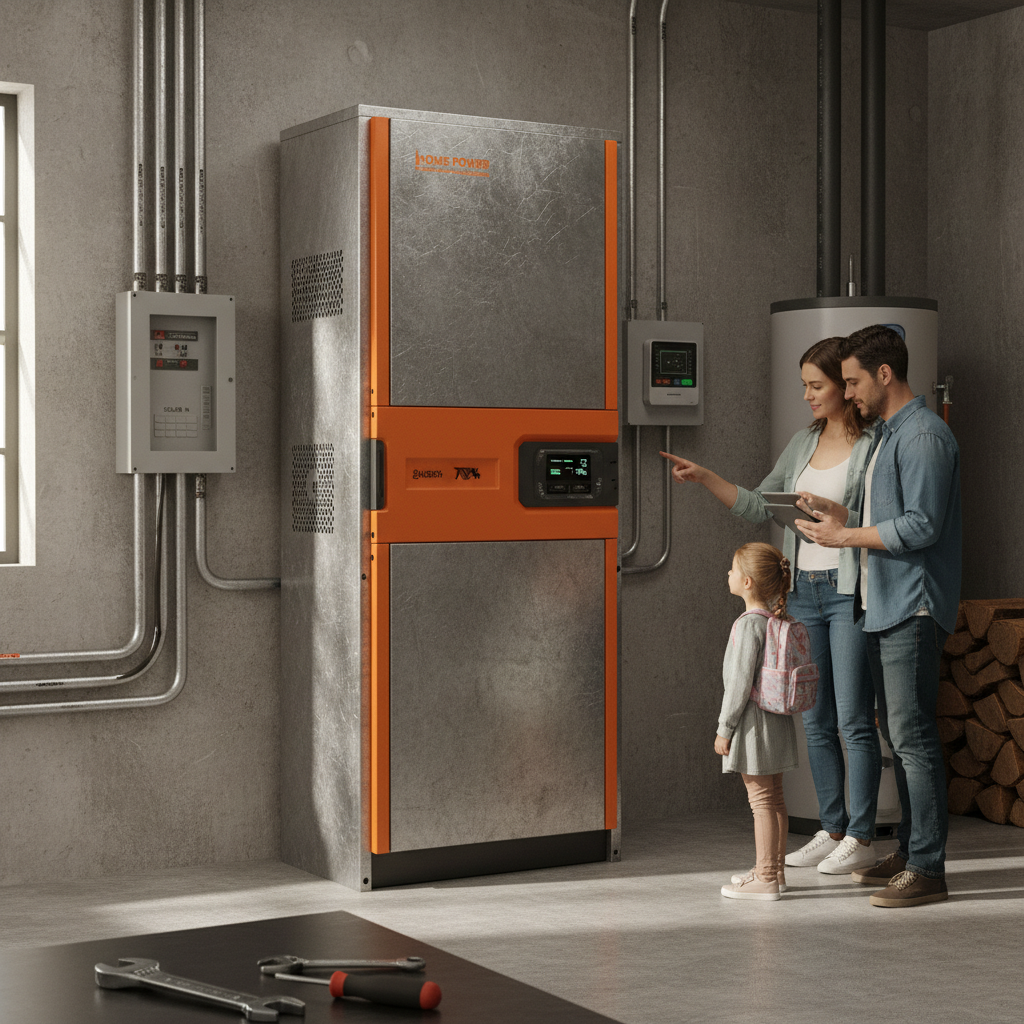
The global shift toward sustainable energy has accelerated the adoption of electric outdoor power equipment, providing a cleaner, quieter, and more efficient alternative to traditional combustion-based generators. As industries transition from fossil fuels to lithium-ion battery technology, the demand for reliable, high-capacity power solutions that can withstand harsh environmental conditions has never been higher.
Understanding the nuances of these systems is critical for operators in the C&I (Commercial and Industrial) sector, where downtime is costly and energy stability is paramount. By leveraging advanced Energy Management Systems (EMS) and containerized storage, businesses can now deploy power infrastructure that is not only eco-friendly but also significantly more scalable than legacy systems.
This comprehensive guide explores the technical architecture, real-world applications, and future trajectory of electric outdoor power equipment. From micro-module computer rooms to intelligent integrated power supplies, we examine how these technologies are redefining energy autonomy for the modern industrial landscape.
Global Context and Relevance of Electric Outdoor Power Equipment
On a global scale, the push toward "Net Zero" emissions has forced a radical rethinking of how we power remote and outdoor operations. According to data aligned with ISO sustainability standards, the reduction of on-site carbon emissions is now a primary KPI for industrial firms. electric outdoor power equipment solves the critical challenge of providing stable, high-voltage electricity without the noise pollution and toxic exhaust of diesel generators.
The volatility of energy prices and the increasing frequency of grid instabilities have made localized, battery-backed systems essential. By integrating container-type energy storage systems, companies can capture renewable energy during off-peak hours and deploy it precisely when and where it is needed, ensuring business continuity regardless of the external environment.
Defining Modern Electric Outdoor Power Equipment
At its core, electric outdoor power equipment refers to a sophisticated ecosystem of hardware and software designed to store, manage, and distribute electrical energy in non-climate-controlled environments. Unlike indoor UPS systems, this equipment is engineered with ruggedized enclosures, advanced thermal management, and IP-rated protection to ensure operational integrity under extreme weather conditions.
These systems typically combine high-density lithium-ion battery arrays with intelligent inverters and Energy Management Systems (EMS). This convergence allows the equipment to act as a bridge between intermittent renewable sources—like solar and wind—and the constant load requirements of industrial machinery, telecommunications towers, or emergency relief hubs.
In the context of modern humanitarian and industrial needs, these solutions represent more than just "batteries in a box." They are critical infrastructure components that enable the digitalization of remote sites, allowing for the deployment of micro-module computer rooms and intelligent power supplies in areas where traditional grid extension is geographically or financially impossible.
Core Components for High-Performance Power Systems
The efficiency of electric outdoor power equipment depends heavily on its thermal management system. Precision air-conditioning units, often placed between columns with cooling capacities ranging from 25kW to 165kW, ensure that the lithium cells remain within their optimal temperature window, preventing thermal runaway and extending the lifecycle of the battery bank.
Scalability is achieved through modular architecture. By using container-type storage or micro-module designs, operators can start with a single row of cabinets (supporting up to 24 units) and expand to double-row configurations (up to 48 cabinets) as power demands grow. This "pay-as-you-grow" model reduces initial CAPEX while ensuring the system can evolve alongside the project's needs.
Finally, the intelligence layer—the Energy Management System (EMS)—serves as the brain of the electric outdoor power equipment. It monitors state-of-charge (SoC), state-of-health (SoH), and load distribution in real-time, automatically switching between power sources to optimize efficiency and protect the hardware from overloads via precision power distribution cabinets.
Key Performance Factors and Efficiency Metrics
When evaluating electric outdoor power equipment, professionals look beyond raw capacity to "round-trip efficiency" and "deployment speed." The ability to install a system directly on a cement floor or a raised floor, combined with automatic sliding door mechanisms, significantly reduces the time from delivery to energization, which is a critical metric in emergency response and rapid industrial scaling.
Another vital factor is the IP (Ingress Protection) rating. While internal components might be IP23, the external chassis must reach IP55 or higher to block dust and moisture. This ruggedization ensures that the power supply remains uninterrupted even in coastal or desert environments, maintaining a high reliability score across diverse geographic zones.
Efficiency Analysis of Electric Outdoor Power Equipment Configurations
Global Applications and Industrial Use Cases
In remote industrial zones, such as mining sites in Australia or oil fields in the Middle East, electric outdoor power equipment is used to eliminate the "diesel dependency." By deploying containerized energy storage systems, these sites can run heavy machinery on stored solar power, drastically reducing logistics costs associated with fuel transport and minimizing the risk of environmental spills.
Beyond heavy industry, these systems are pivotal in post-disaster relief operations. When traditional grids collapse, rapidly deployable electric power modules provide immediate electricity for field hospitals and communication hubs. The ability to support multiple cabinet configurations (up to 48 cabinets in double-row setups) allows aid organizations to scale the power supply based on the size of the displaced population.
Long-Term Advantages and Sustainability Value
The transition to electric outdoor power equipment offers profound economic advantages. While the initial investment may be higher than a traditional generator, the Total Cost of Ownership (TCO) is significantly lower due to the elimination of fuel costs and reduced maintenance requirements. Lithium-ion systems, when managed by a precision EMS, offer thousands of cycles, providing a reliable energy hedge for decades.
From a social and emotional perspective, the shift to electric power enhances the dignity and safety of the workplace. The removal of deafening engine noise and carcinogenic fumes creates a healthier environment for technicians and operators. This fosters a culture of innovation and trust, signaling to stakeholders that the organization is committed to cutting-edge, responsible technology.
Furthermore, the integration of these systems supports the "Circular Economy." Modern battery modules are increasingly designed for second-life applications, where they can be repurposed for less demanding storage tasks after their primary industrial life, ensuring that the environmental footprint of the electric outdoor power equipment is minimized across its entire lifecycle.
Future Trends in Electric Power Integration
The future of electric outdoor power equipment lies in the fusion of Artificial Intelligence and Solid-State Battery technology. We are moving toward "Self-Healing" power grids, where the EMS can predict load spikes using machine learning and preemptively adjust discharge rates to prevent system stress. This digital transformation will make power delivery virtually invisible and entirely autonomous.
Another emerging trend is the shift toward higher energy density materials, which will allow for smaller footprints. Imagine the power of a current 20-foot container concentrated into a micro-module the size of a standard server rack. This will enable the deployment of high-capacity power in urban "micro-spaces," supporting the growth of EV fast-charging networks in crowded city centers.
Policy-driven shifts are also accelerating this evolution. Governments are increasingly mandating "Green Procurement" for public infrastructure, making electric outdoor power equipment the default choice for municipal projects. As carbon taxes become more prevalent, the financial incentive to switch to electric power will transition from a "benefit" to a "necessity" for survival.
Technical Comparison of Electric Outdoor Power Equipment Modules
|
System Configuration
|
Max Cabinet Support
|
Cooling Capacity
|
Deployment Speed
|
| Single Row Micro-Module |
≤ 24 Cabinets |
25kW - 46kW |
Very Fast |
| Double Row Micro-Module |
≤ 48 Cabinets |
Up to 165kW |
Fast |
| Standard Container BESS |
Variable |
High-Volume Liquid |
Moderate |
| Intelligent Integrated Power |
Modular |
Precision Air |
Fast |
| Remote Field Unit |
Small Scale |
Passive/Fan |
Instant |
| C&I Hybrid Storage |
Large Scale |
Integrated HVAC |
Moderate |
FAQS
Electric outdoor power equipment eliminates fuel logistics, noise pollution, and CO2 emissions. From a technical standpoint, it provides a more stable voltage output through precision inverters, reducing the risk of power surges that can damage sensitive electronics, while offering a lower long-term total cost of ownership (TCO) due to the removal of fuel costs.
Temperature is the primary enemy of lithium-ion batteries. High-quality electric outdoor power equipment utilizes precision air-conditioning (ranging from 25kW to 165kW) to maintain a stable internal environment. Without this, batteries can suffer from accelerated degradation or thermal runaway, whereas integrated cooling can extend battery life by several years.
Yes, modern systems are designed for scalability. Using modular configurations, such as transitioning from a single-row to a double-row micro-module setup, you can increase the number of supported cabinets from 24 up to 48. This modularity allows businesses to expand their energy capacity without replacing the entire infrastructure.
Most professional-grade electric outdoor power equipment features an external IP55 rating or higher. This ensures the system is protected against dust ingress and low-pressure water jets from any direction. This is critical for outdoor deployments to prevent short circuits and corrosion caused by rain, humidity, or airborne particulates.
The EMS acts as the central controller, monitoring the State of Charge (SoC) and Health (SoH) of every battery module. It automatically optimizes the charging cycle from renewables and manages the load distribution across the precision power distribution cabinets, ensuring no single module is overloaded and maximizing overall system efficiency.
Absolutely. Container-type systems are specifically designed for extreme environments. By combining an insulated steel shell with an active temperature control system and a self-resetting flip-up roof for maintenance, they can operate in temperatures ranging from -20°C to +55°C without compromising the performance of the internal lithium cells.
Conclusion
The transition to electric outdoor power equipment is no longer just an environmental preference but a strategic industrial necessity. By combining high-density energy storage, precision thermal management, and intelligent EMS controls, these systems provide the reliability and scalability required for the next generation of C&I infrastructure. From reducing operational costs to eliminating carbon footprints, the value proposition is clear: autonomy, stability, and sustainability.
As we look toward a future of decentralized energy, the integration of micro-modules and containerized BESS will be the cornerstone of industrial resilience. For companies aiming to lead in the green energy transition, investing in rugged, intelligent, and scalable electric power solutions is the most effective way to ensure long-term viability. Discover how our cutting-edge solutions can power your future. Visit our website: www.acdcbess.com