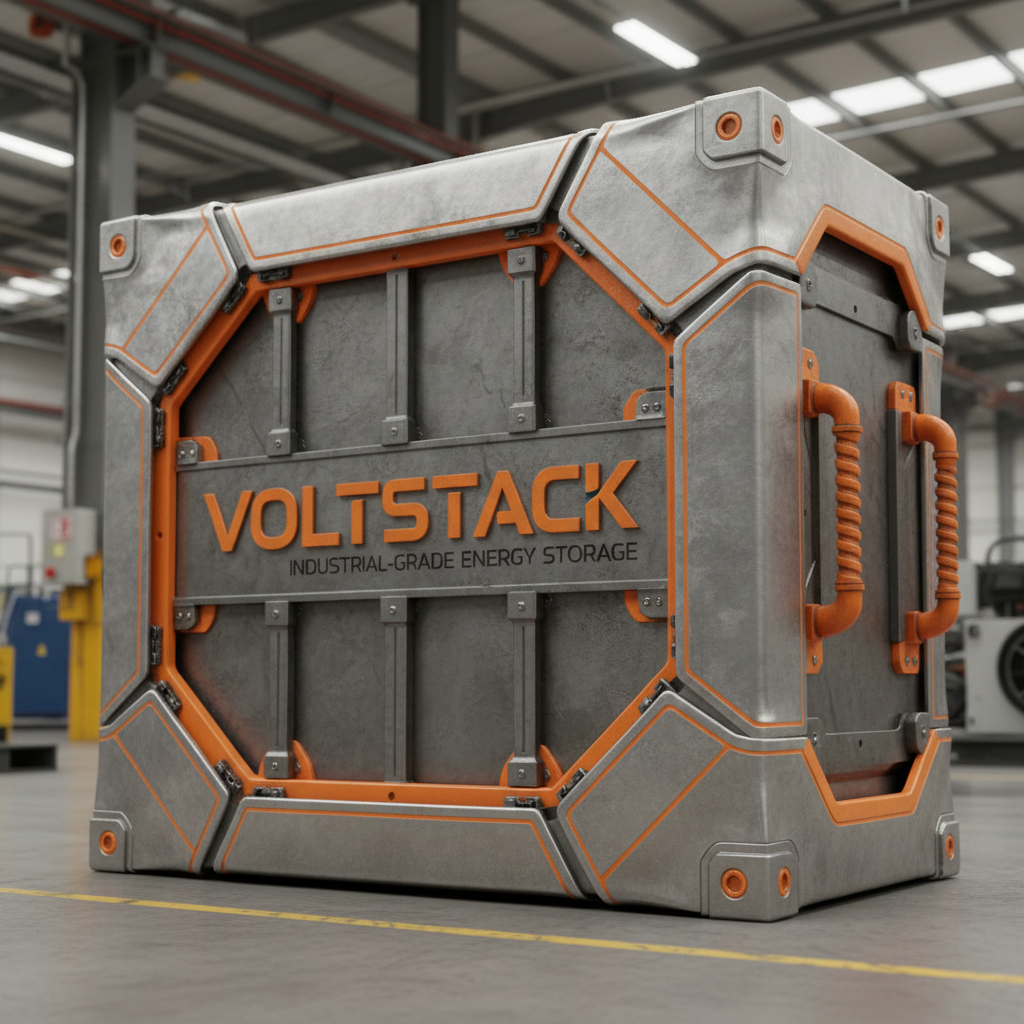
In the modern industrial landscape, maintaining power continuity is not just a matter of convenience but a critical requirement for operational safety. When evaluating the outdoor emergency power supply you purchase, it is essential to look beyond basic battery capacity and focus on integrated intelligence. A truly robust system ensures that critical infrastructure, such as digital substations, remains functional even during total grid failure.
The global shift toward intelligent energy management has transformed the way we perceive emergency backups. No longer are they mere standalone batteries; they are now sophisticated "Intelligent Integrated Power Supply Systems" that combine AC, DC, and inverter functions into a single, modular hardware platform. This evolution allows for decentralized control and centralized monitoring, reducing the risk of human error during critical power transitions.
Understanding the technical nuances of the outdoor emergency power supply you purchase enables facility managers to reduce procurement costs and significantly shorten construction periods. By leveraging modular designs and high-frequency switching technology, industries can achieve a higher standard of automation while ensuring that safety specifications are met without compromise.
Understanding Integrated AC/DC Emergency Power Systems
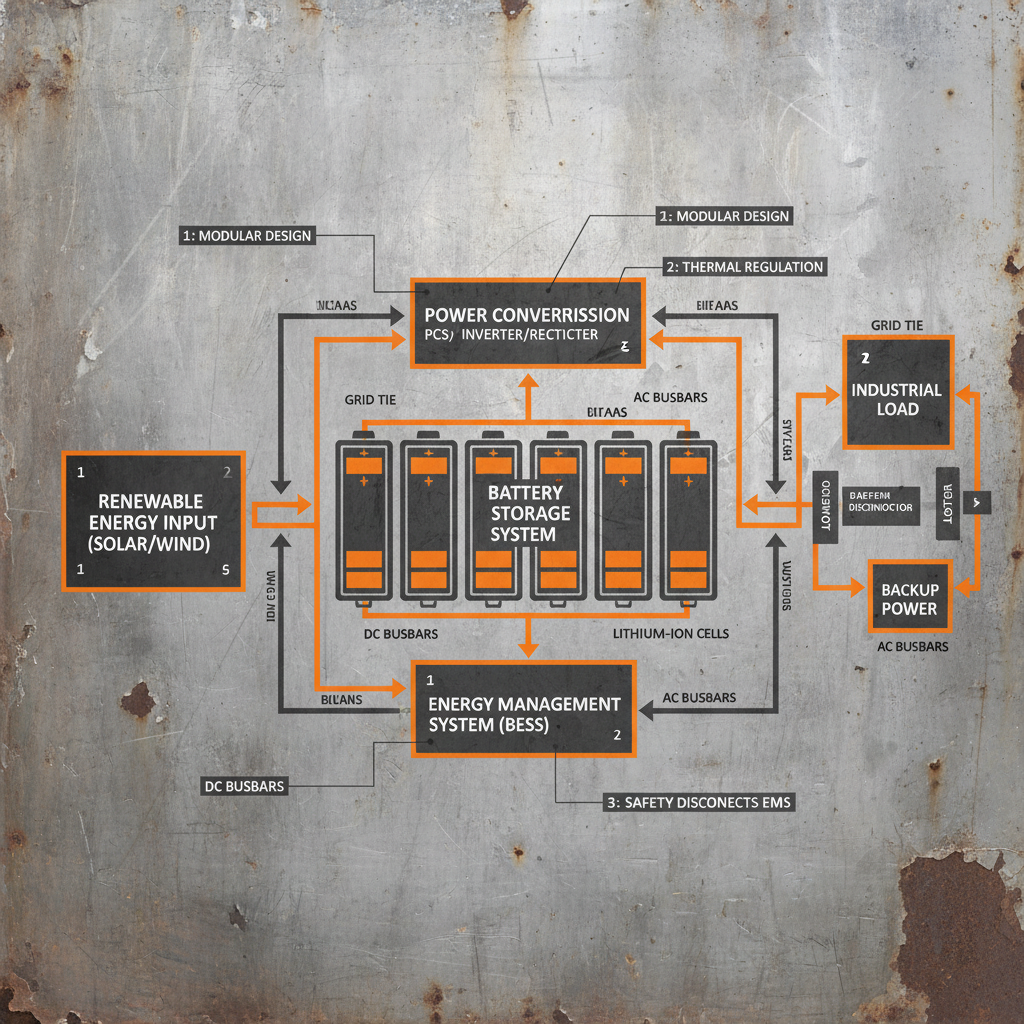
An intelligent integrated power supply system represents a leap in station power design, unifying AC, DC, inverters, and communication power supplies. When considering the outdoor emergency power supply you purchase, the primary advantage lies in the "all-in-one" design, which eliminates the need for cross-screen secondary cabling. By modularizing all switches and sensors into a centralized chassis, the system achieves a "hardware leveling" effect that simplifies deployment.
This integration is powered by advanced pulse width modulation (PWM) and high-frequency switching conversion technologies. These allow the system to share a common set of batteries between the DC operating power and the AC UPS, ensuring that recurring loads are always energized. This redundant approach is vital for maintaining the continuity of high-voltage substations (10KV to 1,100KV) where any power dip could lead to catastrophic failure.
The Technical Architecture of Modern Power Supplies
The architecture of a professional-grade outdoor emergency power supply you purchase is built on the principle of "centralized management and decentralized control." This means that while the monitoring is handled by a central module using the EC6186 protocol, the actual switching and acquisition happen within intelligent modular chassis. This reduces the number of communication interfaces required and drastically simplifies the overall system wiring.
Safety is reinforced through the use of isolation transformers for UPS, inverter, and DC/DC power supplies. This specific design choice prevents system accidents caused by grounding and limits back-feeding ripple voltage to the DC bus. By adhering to strict power system safety specifications, these units ensure that the load does not shut down or interrupt AC output even during a short-circuit event.
Furthermore, the software layer utilizes object-oriented programming to separate handling programs from configuration data. This allows for high compatibility across different grid requirements worldwide. With dual memory redundancy for program storage and data recording, the system maintains high stability, ensuring that emergency protocols are executed flawlessly without data loss.
Key Performance Indicators for Reliability
When analyzing the outdoor emergency power supply you purchase, the first KPI to examine is the voltage stabilization accuracy. For high-precision digital substations, a variance of ≤0.5% is mandatory to protect sensitive electronic relays and communication equipment from voltage fluctuations.
Another critical factor is the real-time battery management system. The outdoor emergency power supply you purchase must include internal resistance analysis to eliminate hidden battery failures before they occur. This proactive maintenance approach ensures that the 50Ah to 1,000Ah battery packs are always ready for full-load discharge during a blackout.
Finally, the dielectric strength and ripple current factor define the long-term durability of the system. A dielectric strength of >10MΩ and a ripple current factor of ≤0.1% indicate a high-quality build that can withstand the harsh electromagnetic environments typical of 1,100KV substations without interference.
Comparative Analysis of Integration Methods
Choosing the right integration method is key to maximizing the value of the outdoor emergency power supply you purchase. Traditional systems rely on disparate units for AC and DC power, leading to massive cabling requirements and higher failure rates. In contrast, the intelligent integrated approach utilizes a unified battery bank and a shared charger, reducing the overall footprint in space-constrained urban environments.
The shift toward modularity allows for "hot-swapping" and easy upgrades without interrupting the main power feed. This ensures that the system evolves with the grid's needs, whether that means increasing the rated current from 5A to 300A or expanding the battery capacity to handle longer outages.
Efficiency Ratings of Different Power Supply Configurations
Global Applications in Digital Substations
Across the globe, from the dense urban grids of Asia to the expansive utility networks of North America, the outdoor emergency power supply you purchase is becoming the standard for digital substations. These facilities require a high degree of automation, where the power supply system must act as an "open system" capable of communicating seamlessly with the host computer via Ethernet.
In remote industrial zones, the intelligent temperature control air-cooling method is particularly valuable. Since these systems often operate in extreme weather, maintaining a noise limit of ≤50dB while keeping the electronics cool ensures that the equipment does not degrade prematurely, reducing the frequency of costly on-site technician visits.
Long-Term Operational Value and Maintenance
The true value of the outdoor emergency power supply you purchase is realized during the O&M (Operation and Maintenance) phase. By utilizing a large color touch screen with a graphical interface, operators can perform intuitive diagnostics without needing deep technical manuals. Real-time status monitoring improves the continuity of system operation and allows for predictive maintenance.
From a financial perspective, integrated solutions reduce the overall cost of procurement management. Instead of managing multiple vendors for AC UPS, DC chargers, and battery racks, a single integrated system simplifies the supply chain. This significantly shortens the construction period, allowing utilities to bring new substations online faster.
Moreover, the use of redundancy and parallel technology means that the failure of a single module does not lead to a total system outage. This high-availability design is essential for "World Wide Grids" that demand five-nines (99.999%) reliability to prevent regional blackouts.
Technical Parameters and Selection Guide
Selecting the correct outdoor emergency power supply you purchase requires a strict alignment between your load requirements and the system's technical limits. For instance, if your substation requires a DC output of 220V with a current load of 300A, you must ensure the charger and battery pack (up to 1,000Ah) are scaled accordingly to meet the required autonomy time.
Input voltage flexibility is another key consideration. Systems that support AC220V/AC380V±20% are more resilient to grid instability. When paired with a power factor of ≥0.95%, these systems maximize energy efficiency and reduce the heat load on the cooling system.
The following table provides a detailed breakdown of the technical specifications for the Intelligent Integrated Power Supply System to assist in your procurement process.
Core Technical Specifications for Intelligent Integrated Power Systems
| Parameter Category |
Technical Specification |
Acceptable Tolerance/Limit |
Operational Impact |
| Input Voltage |
AC220V / AC380V |
±20% |
Ensures stability during grid sags |
| Output Voltage |
DC110V / 220V |
≤0.5% Accuracy |
Protects sensitive DC relays |
| Battery Capacity |
50Ah ~ 1,000Ah |
Configurable |
Determines emergency runtime |
| Current Range |
5A ~ 300A |
Rated Capacity |
Supports diverse load scales |
| Insulation |
Dielectric Strength |
>10MΩ, 2KVAC |
Prevents flashover/breakdown |
| Environment |
Noise Limit |
≤50dB |
Complies with urban noise laws |
FAQS
The primary advantage is the unification of AC, DC, and communication power into one modular system. This removes the need for complex secondary wiring across screens, reduces the physical footprint, and allows for centralized monitoring via the EC6186 protocol, which significantly lowers installation time and maintenance costs.
Yes, the intelligent integrated system is designed specifically for this. It utilizes a common set of batteries where the charger supplies power to the battery pack and recurring loads, including the AC UPS and DC/DC power supplies, ensuring uninterrupted power to all critical subsystems during an AC blackout.
The system equips the UPS, inverter, and DC/DC power supplies with isolation transformers. These transformers provide the necessary electrical separation to meet power system safety specifications, effectively preventing system accidents and limiting ripple voltage back-feeding into the DC bus.
Absolutely. The system features high-efficiency real-time battery management and internal resistance analysis. By monitoring these parameters, the system can identify degrading battery cells before they fail, allowing operators to replace components proactively rather than reacting to a power failure.
The system is designed for a wide range of applications, from ordinary 10KV substations up to high-standard 1,100KV substations. It supports rated input voltages of AC220V/AC380V and rated output voltages of DC110V or 220V, making it versatile for various global grid standards.
The system employs an intelligent temperature control air-cooling method. This ensures that the internal components remain within optimal operating temperatures regardless of external weather conditions, while maintaining a low noise profile of ≤50dB to meet environmental regulations.
Conclusion
In conclusion, the outdoor emergency power supply you purchase should be more than a simple energy reservoir; it must be an intelligent, integrated ecosystem. By combining AC/DC capabilities, modular hardware, and real-time digital monitoring, these systems ensure that the heartbeat of our electrical infrastructure—the substation—never stops. The transition to integrated designs not only enhances reliability and safety through isolation and redundancy but also drives down the total cost of ownership.
As we move toward increasingly digital and automated grids, the integration of smart power supplies will be the cornerstone of energy resilience. We recommend that facility managers prioritize systems that offer EC6186 protocol compatibility and comprehensive battery internal resistance analysis to future-proof their operations. For those seeking high-reliability power solutions, visit our website: www.acdcbess.com.