For many EV owners, the transition from public infrastructure to private convenience has led to a critical question: is a dc charging station at home a practical luxury or a technical necessity? While AC level 2 chargers are standard, the demand for rapid recovery of battery state-of-charge (SOC) is pushing residential energy needs toward high-voltage DC solutions.
Unlike standard home chargers that rely on the vehicle's onboard converter, DC fast charging bypasses this limit, delivering power directly to the lithium-ion cells. This shift requires a sophisticated intersection of power electronics and grid management to ensure safety and efficiency within a domestic setting.
Understanding the integration of high-capacity energy storage and intelligent power control is essential for anyone looking to minimize downtime. By analyzing the technical trade-offs and infrastructure requirements, homeowners can determine if this high-speed energy delivery system aligns with their daily driving patterns and electrical capacity.

The Technical Shift from AC to Residential DC Charging

The fundamental difference between standard home charging and a dc charging station at home lies in where the AC-to-DC conversion happens. In a traditional setup, the home provides AC power, and the car's onboard charger converts it to DC. This process is often limited by the car's internal hardware, resulting in slower speeds.
A residential DC station moves the conversion process to the external charger. By converting electricity before it enters the vehicle, the system can deliver significantly higher currents, drastically reducing the time needed to reach an 80% charge. This is particularly beneficial for vehicles with larger battery packs used in heavy-duty or long-distance applications.
However, this technical leap introduces complexities in thermal management and power stability. Because DC charging generates more heat within the battery cells, the synergy between the charger's control system and the vehicle's Battery Management System (BMS) becomes the primary factor in maintaining battery health and longevity.
Critical Components for Safe Home DC Power Delivery
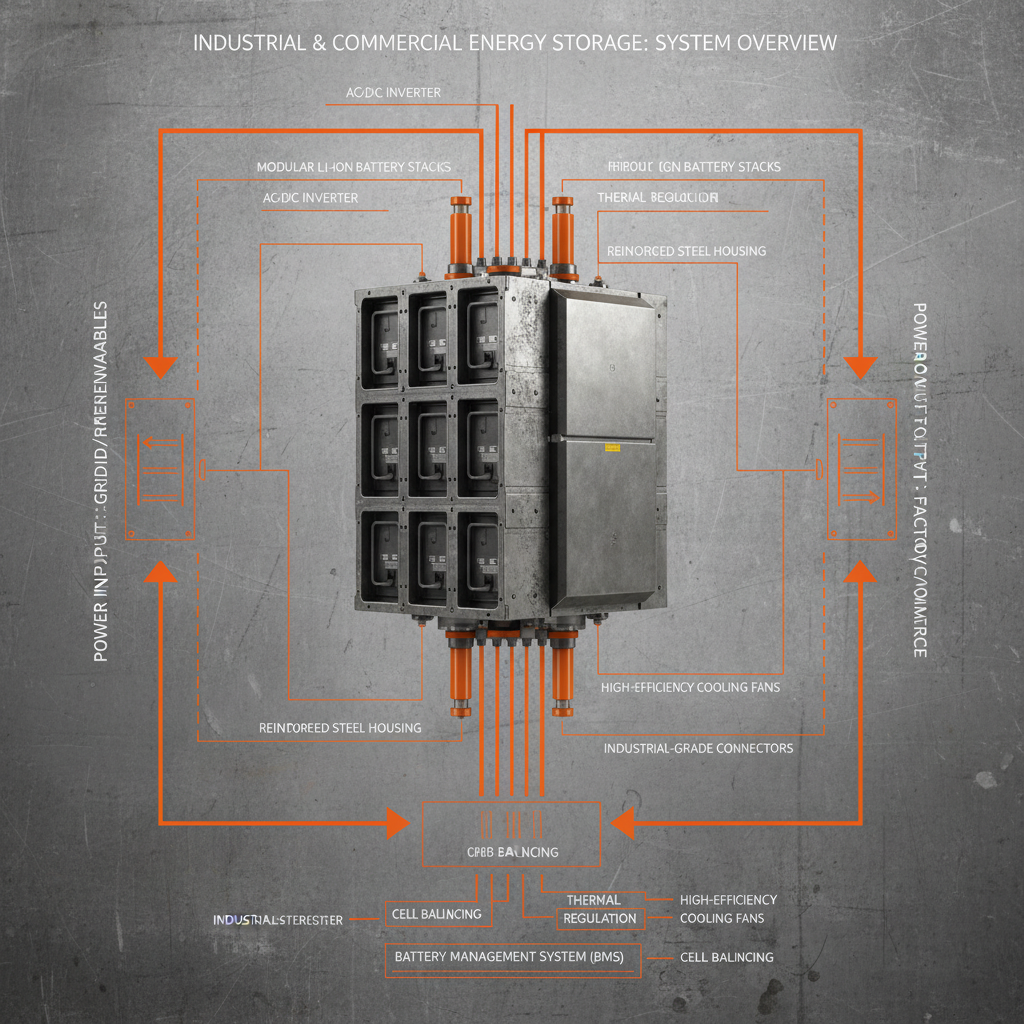
Deploying high-voltage DC power in a residential area necessitates a rigorous approach to safety and precision. The core of such a system is the power control module, which must manage voltage fluctuations and ensure a stable current flow to prevent cell degradation.
Sophisticated systems, such as those utilizing an intelligent "U-POWER" control architecture, allow for high-precision battery SOX estimation. This ensures that the charging current is tapered accurately as the battery reaches its upper voltage limit, preventing overcharge and extending the cycle life of LFP or NMC cells.
Beyond the electronics, thermal management is critical. Intelligent thermostatic designs that isolate hot and cold air are necessary to keep the power modules within operational limits, especially when the station is operating at peak capacity during summer months or in poorly ventilated garage spaces.
Optimal Use Cases for High-Voltage Residential Charging
Not every homeowner requires a DC fast charger. The value proposition becomes clear for specific user profiles, such as those operating multi-vehicle households or professional drivers who cannot afford the 8-12 hour wait times associated with AC Level 2 charging.
For users with large-capacity battery vehicles, a DC station enables "top-up" charging during short intervals. For instance, a 30-minute charge during a lunch break can provide enough range for an entire day's commute, effectively decoupling the vehicle's utility from the limitations of a slow overnight charge.
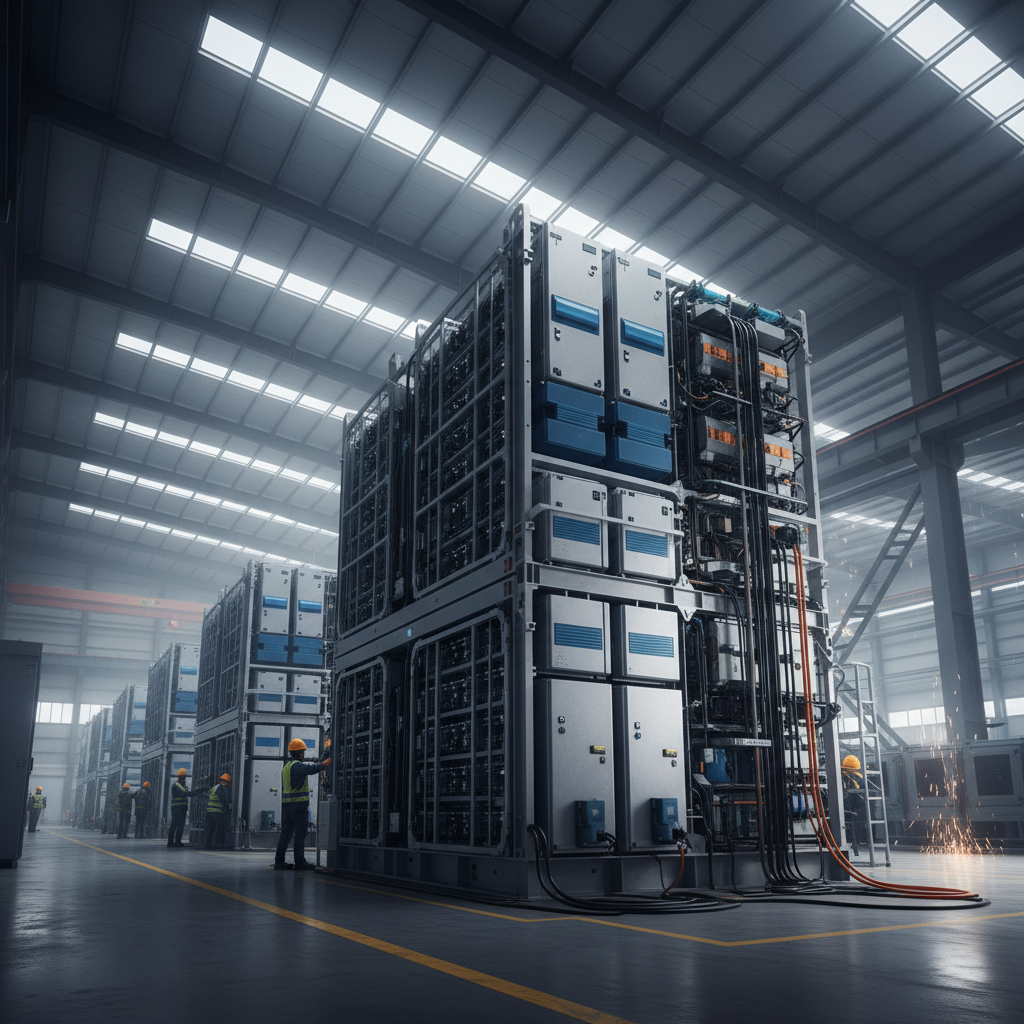
Furthermore, in regions with unstable grids or those utilizing off-grid energy storage, integrating a DC charger with a Container-type energy storage system allows for "buffer charging." This means the storage system charges slowly from the grid or solar, and then delivers a high-power DC burst to the car, avoiding expensive peak-demand charges from utility companies.
Analyzing Charging Efficiency and Energy Recovery Rates
When evaluating the performance of a dc charging station at home, efficiency is measured by the ratio of energy delivered to the battery versus energy drawn from the source. DC-to-DC charging typically eliminates the efficiency losses associated with the vehicle's onboard AC converter.
The following data illustrates the comparative performance of standard AC setups versus integrated DC solutions across five key operational metrics, highlighting the gains in recovery speed and system stability.
dc charging station at home Performance Metrics
The data suggests that while AC charging is sufficient for overnight needs, DC solutions provide a substantial leap in energy recovery rates. This is particularly evident in the reduction of "idle time," allowing the vehicle to return to service significantly faster, which is a critical KPI for commercial-residential hybrid users.
Infrastructure Readiness and Installation Constraints
The primary barrier to implementing a dc charging station at home is the existing electrical infrastructure. Most residential panels are designed for low-amperage loads, whereas a DC fast charger can demand significant power peaks that could trip main breakers or overheat old wiring.
Upgrading to a 400V or higher service may be necessary, along with the installation of a dedicated Energy Management System (EMS). An EMS allows the homeowner to prioritize loads, ensuring that the car charges at high speed only when other heavy appliances, like HVAC systems, are not in peak use.
Additionally, safety certifications such as UL1973 or IEC62619 are non-negotiable for residential installations. The system must include multi-level protection, including gas and smoke detection, to mitigate the risks associated with high-voltage DC arcs and battery overheating in an enclosed domestic environment.
Future Integration of Solar and BESS with DC Fast Charging
The next evolution of home charging is the convergence of solar photovoltaics (PV), Battery Energy Storage Systems (BESS), and DC charging. By keeping the energy flow in DC throughout the entire chain, conversion losses are minimized, increasing overall system efficiency.
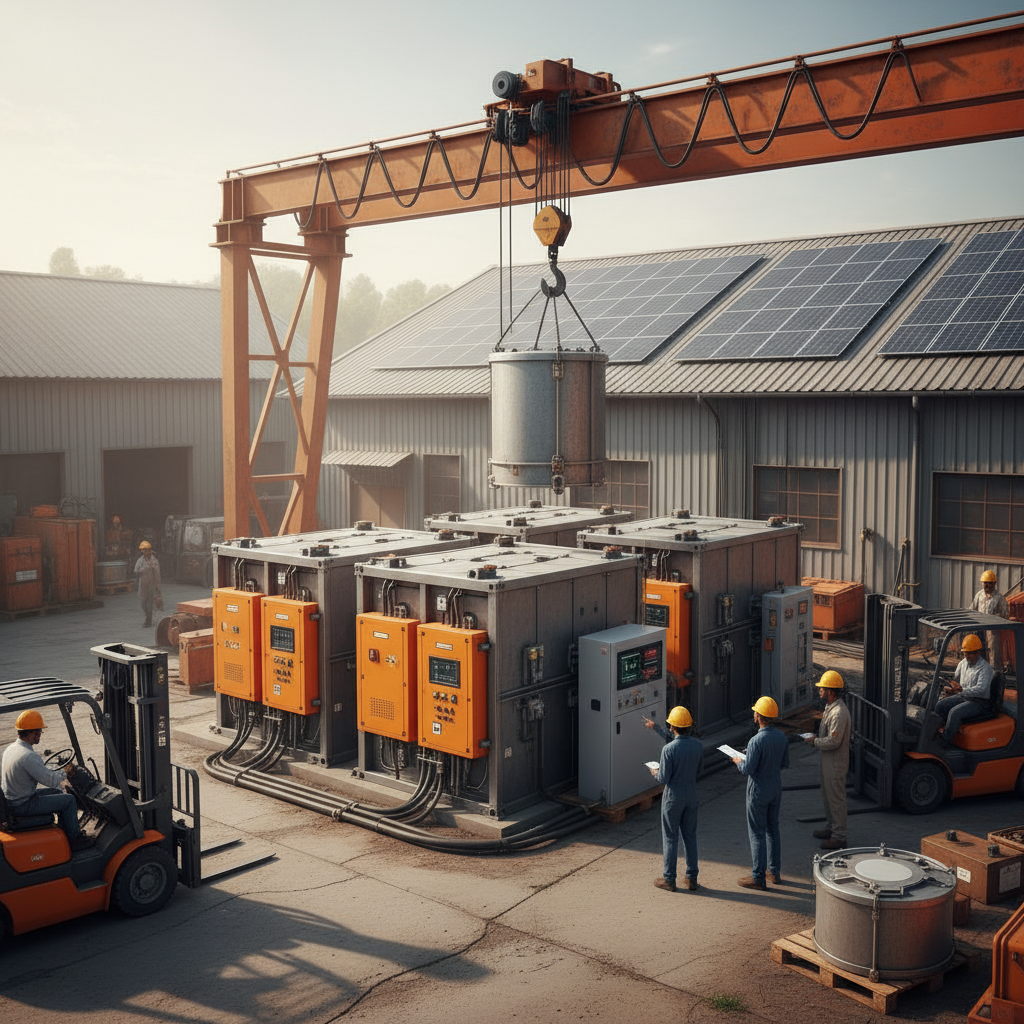
A "DC-Coupled" home ecosystem allows solar panels to feed a C&I scale energy storage system, which then feeds the DC charging station. This removes the need for multiple AC-DC-AC inversions, potentially increasing the usable energy from a residential solar array by several percentage points.
This integrated approach could lead to a "net-zero" charging model where the vehicle is powered entirely by stored renewable energy. As Energy Management Systems become more autonomous, the system may automatically shift charging schedules based on weather forecasts and real-time electricity pricing.
Evaluating Home DC Solutions Based on Vehicle Needs
Choosing the right hardware involves matching the charger's output capabilities with the vehicle's maximum DC intake. Installing a 150kW charger for a vehicle that can only accept 50kW is an inefficient use of capital and infrastructure.
The table below provides a decision framework for selecting a charging approach based on vehicle type, typical daily mileage, and available electrical capacity.
| Vehicle Category | Recommended Setup | Primary Benefit | Infrastructure Need |
|---|---|---|---|
| Standard Passenger EV | AC Level 2 + Small BESS | Low Cost / Overnight | Standard 240V Panel |
| Luxury Long-Range EV | Medium DC Station (20-50kW) | Reduced Downtime | Panel Upgrade / EMS |
| Electric SUV/Truck | High-Power DC (50kW+) | Fast Bulk Recovery | Industrial Service Drop |
| Fleet/Ride-share EV | DC Station + Container BESS | Maximum Turnaround | Dedicated Transformer |
| Solar-Integrated Home | DC-Coupled PV-BESS-EV | Energy Independence | DC-Bus Architecture |
| Off-Grid Residence | BESS-Centric DC System | Reliability / Autonomy | Heavy-Duty Battery Bank |
Ultimately, the decision to install a dc charging station at home should be based on a total cost of ownership (TCO) analysis, considering the value of time saved versus the cost of electrical upgrades and equipment.
Frequently Asked Questions
Conclusion
Transitioning to a dc charging station at home represents a move toward true energy autonomy and operational efficiency. While the initial infrastructure investment and technical requirements are higher than traditional AC charging, the ability to recover battery capacity in minutes rather than hours transforms the EV ownership experience from a scheduled chore to a seamless utility.
For those evaluating high-performance energy solutions, integrating intelligent power control with robust energy storage is the key to long-term viability. Readers exploring these technologies can review the relevant product and company information available through www.acdcbess.com to align their infrastructure with their specific energy needs.