Energy storage examples are increasingly vital in our modern world, transitioning us towards sustainable and resilient energy systems. From grid-scale batteries stabilizing renewable energy sources like solar and wind to compact power banks keeping our devices running, the applications are diverse and rapidly expanding. Understanding these examples is crucial for addressing global energy challenges and unlocking a cleaner, more efficient future.
The demand for effective energy storage examples is driven by the intermittent nature of renewable energy, the increasing electrification of transportation, and the need for reliable power in remote areas. Innovations in battery technology, alongside other storage solutions, are directly influencing grid modernization and enhancing energy security worldwide. The global energy storage market is experiencing exponential growth, with significant investment pouring into research, development, and deployment.
Recognizing the range of energy storage examples—from pumped hydro storage to advanced battery chemistries—allows for informed decision-making regarding infrastructure investments, policy development, and technological advancements. This knowledge is crucial not only for industry professionals but also for policymakers and consumers seeking to contribute to a more sustainable future.
The Global Importance of Energy Storage Examples
The increasing global focus on decarbonization and the transition to renewable energy sources are major drivers behind the growing importance of energy storage examples. According to the International Renewable Energy Agency (IRENA), renewable energy capacity needs to increase significantly to meet climate goals, and energy storage is essential for integrating these intermittent sources into the grid.
Challenges related to grid stability, power outages, and the need for reliable energy access in remote regions also highlight the critical role of energy storage examples. The World Bank estimates that billions of dollars are needed to upgrade energy infrastructure in developing countries, and energy storage is a key component of these upgrades. Investing in diverse energy storage examples will ensure a stable and affordable energy supply for future generations.
Defining Energy Storage Examples
Energy storage examples encompass a range of technologies capable of capturing energy produced at one time for use at a later time. This goes beyond simply 'batteries,' including mechanical, thermal, and chemical storage solutions. These technologies address the mismatch between energy supply and demand, enhancing grid reliability and enabling greater use of renewable sources.
In modern industry, these examples are pivotal for optimizing energy costs, reducing carbon footprints, and ensuring business continuity. For humanitarian needs, energy storage provides access to electricity in disaster-stricken areas and supports essential services in off-grid communities. Energy storage examples represent a fundamental shift in how we manage and utilize energy resources.
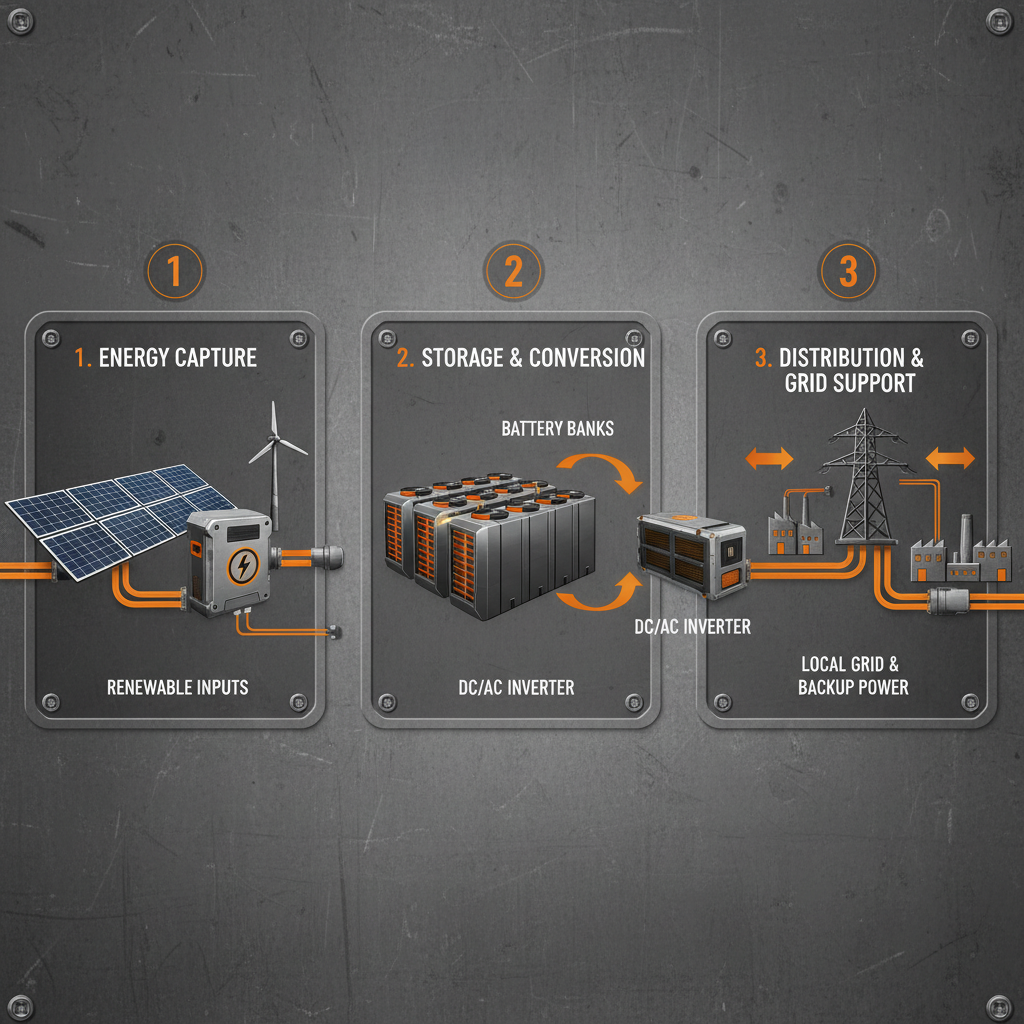
Consider a microgrid powered by solar panels coupled with a battery storage system. This illustrates a prime example of how energy storage ensures a consistent power supply, even when sunlight is unavailable. Such systems are becoming increasingly common, providing clean and reliable energy to homes, businesses, and communities worldwide.
Key Characteristics of Effective Energy Storage
Effective energy storage examples aren't simply about holding energy; they’re about doing so efficiently, reliably, and sustainably. A key factor is Energy Density, referring to the amount of energy stored per unit of mass or volume. Higher energy density allows for smaller, lighter storage systems, crucial for applications like electric vehicles.
Another crucial aspect is Round-Trip Efficiency, representing the percentage of energy that can be recovered from storage compared to the energy initially put in. High efficiency minimizes energy losses and maximizes the economic benefits. Lifespan and Degradation are also critical, determining how long a storage system will perform optimally before needing replacement. Finally, Safety is paramount, especially with technologies involving flammable materials or high voltages.
Scalability plays a vital role in matching storage capacity to diverse energy needs. Grid-scale storage requires massive capacity, while residential applications demand smaller, modular systems. Cost-Effectiveness, encompassing initial investment, operational expenses, and maintenance costs, significantly influences the adoption of different storage technologies. A holistic consideration of these factors is essential for selecting the most appropriate energy storage example for a given application.
The interconnection between these characteristics is also important. For example, while some high-energy-density batteries may offer excellent performance, they might have a shorter lifespan or higher safety concerns. Therefore, a balanced approach, considering all key factors, is crucial for designing and deploying effective energy storage systems.
Performance Metrics in Energy Storage Examples
Evaluating the performance of energy storage examples requires specific metrics beyond just capacity. Power Rating indicates the rate at which energy can be discharged, crucial for applications requiring rapid response times, such as frequency regulation. Depth of Discharge (DoD) measures the percentage of a battery's capacity that has been used, impacting lifespan and efficiency.
Response Time determines how quickly a storage system can react to changes in energy supply or demand, vital for grid stabilization. Self-Discharge Rate refers to the gradual loss of energy when the storage system is not in use, influencing long-term performance.
Comparison of Energy Storage Examples Performance
Real-World Applications of Energy Storage
Energy storage examples are deployed across a broad spectrum of applications. In California, large-scale battery storage projects are helping to integrate solar power into the grid, reducing reliance on fossil fuels and improving grid reliability. Similarly, in Australia, utility-scale batteries are being used to provide frequency regulation services and mitigate the impacts of intermittent renewable energy.
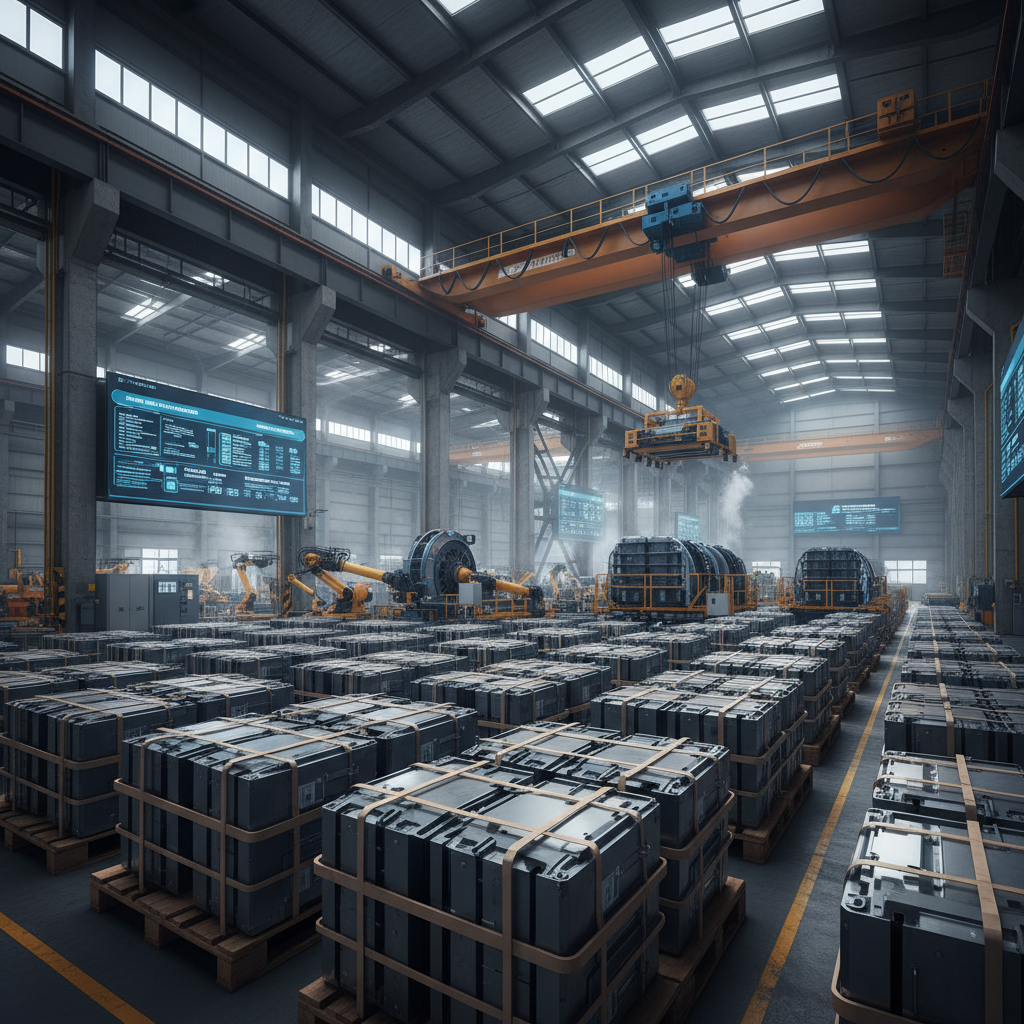
In remote industrial zones, off-grid energy storage systems power mining operations and provide reliable electricity to communities lacking grid access. In post-disaster relief operations, portable energy storage units provide critical power for communication, medical equipment, and emergency services. The versatility of energy storage examples makes them adaptable to a wide array of challenges.
The Advantages of Advanced Energy Storage
The benefits of employing advanced energy storage examples are substantial. Cost savings are achieved through reduced peak demand charges, optimized energy consumption, and increased self-consumption of renewable energy. Sustainability is enhanced by minimizing reliance on fossil fuels and lowering carbon emissions.
Furthermore, these technologies improve grid resilience, enhance energy security, and provide access to electricity in underserved communities. They also foster innovation, creating new economic opportunities in the clean energy sector.
Future Trends and Challenges in Energy Storage Examples
Future trends in energy storage examples include the development of next-generation battery technologies, such as solid-state batteries and sodium-ion batteries, offering improved energy density, safety, and cost-effectiveness. Research into alternative storage methods, such as green hydrogen production and long-duration energy storage, is also gaining momentum.
Challenges remain in scaling up production, reducing costs, and ensuring sustainable sourcing of materials. Policy support, investment in research and development, and streamlined permitting processes are crucial for accelerating the deployment of energy storage examples. Digitalization and AI-powered energy management systems will further optimize storage performance and grid integration.
The convergence of green energy, digital transformation, and automation is paving the way for a future where energy storage plays a central role in a more sustainable and resilient energy system.
FAQS
The most prevalent energy storage examples include lithium-ion batteries (dominant for many applications), pumped hydro storage (large-scale, established technology), and lead-acid batteries (cost-effective for specific uses). Flow batteries, compressed air energy storage (CAES), and thermal storage are gaining traction. Emerging technologies like solid-state batteries are also being developed for improved performance and safety.
The cost of energy storage examples has decreased dramatically in recent years, particularly for lithium-ion batteries. While upfront costs can still be higher than traditional sources, the total cost of ownership is becoming increasingly competitive, especially when considering factors like grid services and renewable energy integration. Long-term cost reductions are expected as technologies mature and production scales up.
While generally more environmentally friendly than fossil fuels, energy storage examples do have environmental impacts. Battery production requires raw materials like lithium and cobalt, with associated mining concerns. Proper recycling and responsible sourcing are crucial. Pumped hydro requires land use and can impact aquatic ecosystems. Life-cycle assessments are necessary to fully evaluate the environmental footprint of different storage technologies.
Energy storage examples can enhance grid reliability by providing frequency regulation, voltage support, and black start capabilities. They can also mitigate the effects of power outages and improve resilience to extreme weather events. By storing excess energy during periods of high supply and releasing it during periods of peak demand, they help stabilize the grid and prevent disruptions.
Energy storage examples are essential for integrating variable renewable energy sources like solar and wind into the grid. They address the intermittency challenge by storing excess energy generated during periods of high production and releasing it when renewable generation is low. This allows for a more consistent and reliable supply of clean energy, reducing reliance on fossil fuels.
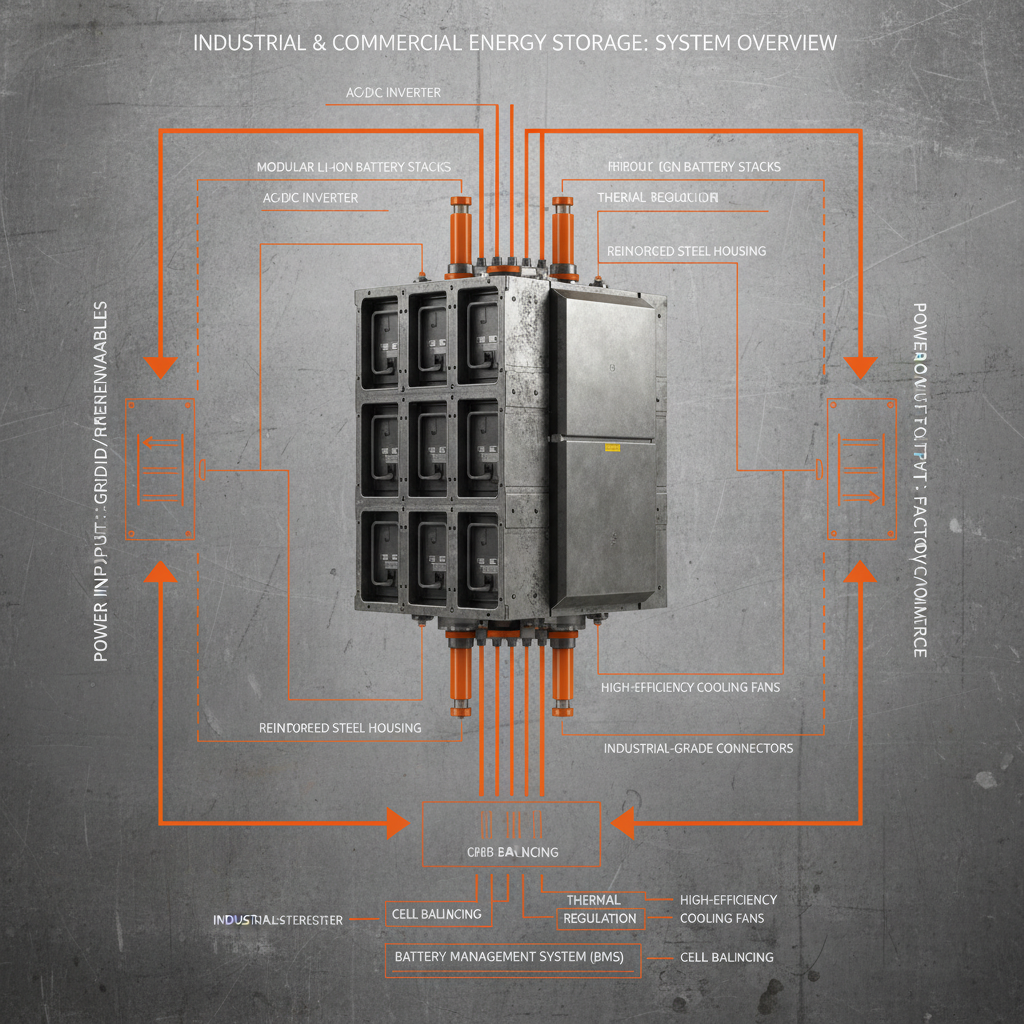
Safety is paramount when dealing with energy storage examples, especially batteries. Potential hazards include thermal runaway (overheating and potential fire), chemical leakage, and electrical shock. Proper system design, installation, operation, and maintenance are crucial. Utilizing battery management systems (BMS) and adhering to industry safety standards are essential for mitigating these risks.
Conclusion
In summary, energy storage examples represent a transformative force in the energy landscape, offering solutions to critical challenges related to sustainability, grid reliability, and energy access. The diverse range of technologies available, coupled with decreasing costs and increasing performance, are driving widespread adoption across various sectors. Understanding the fundamental characteristics, applications, and future trends of energy storage is essential for a successful transition to a cleaner, more resilient energy future.
Looking ahead, continued innovation, supportive policies, and strategic investments will be crucial for unlocking the full potential of energy storage examples. We encourage you to explore the possibilities of energy storage to build a more sustainable and prosperous future. Visit our website at www.acdcbess.com to learn more about our energy storage solutions and how we can help you meet your energy needs.