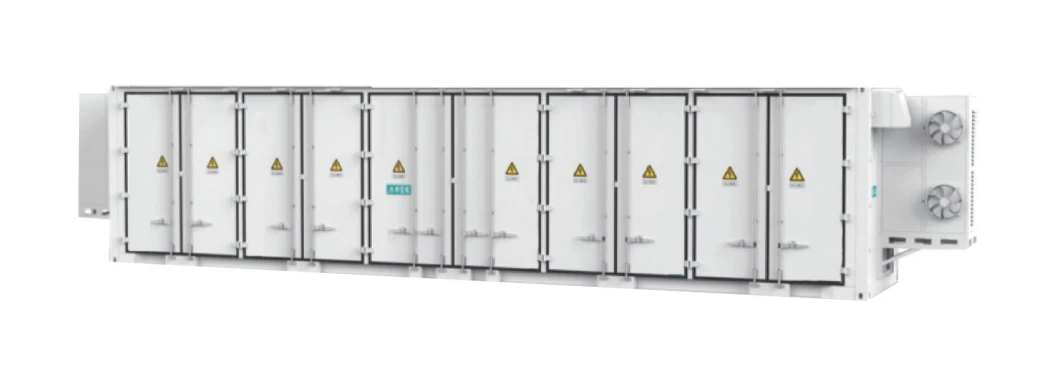
Egypt's energy sector is currently undergoing a massive transition, balancing a heavy reliance on traditional grids with an aggressive push toward solar energy. However, the geographic vastness of the region and the presence of remote industrial sites create significant gaps in power stability, making portable mobile energy storage an essential tool for operational continuity.
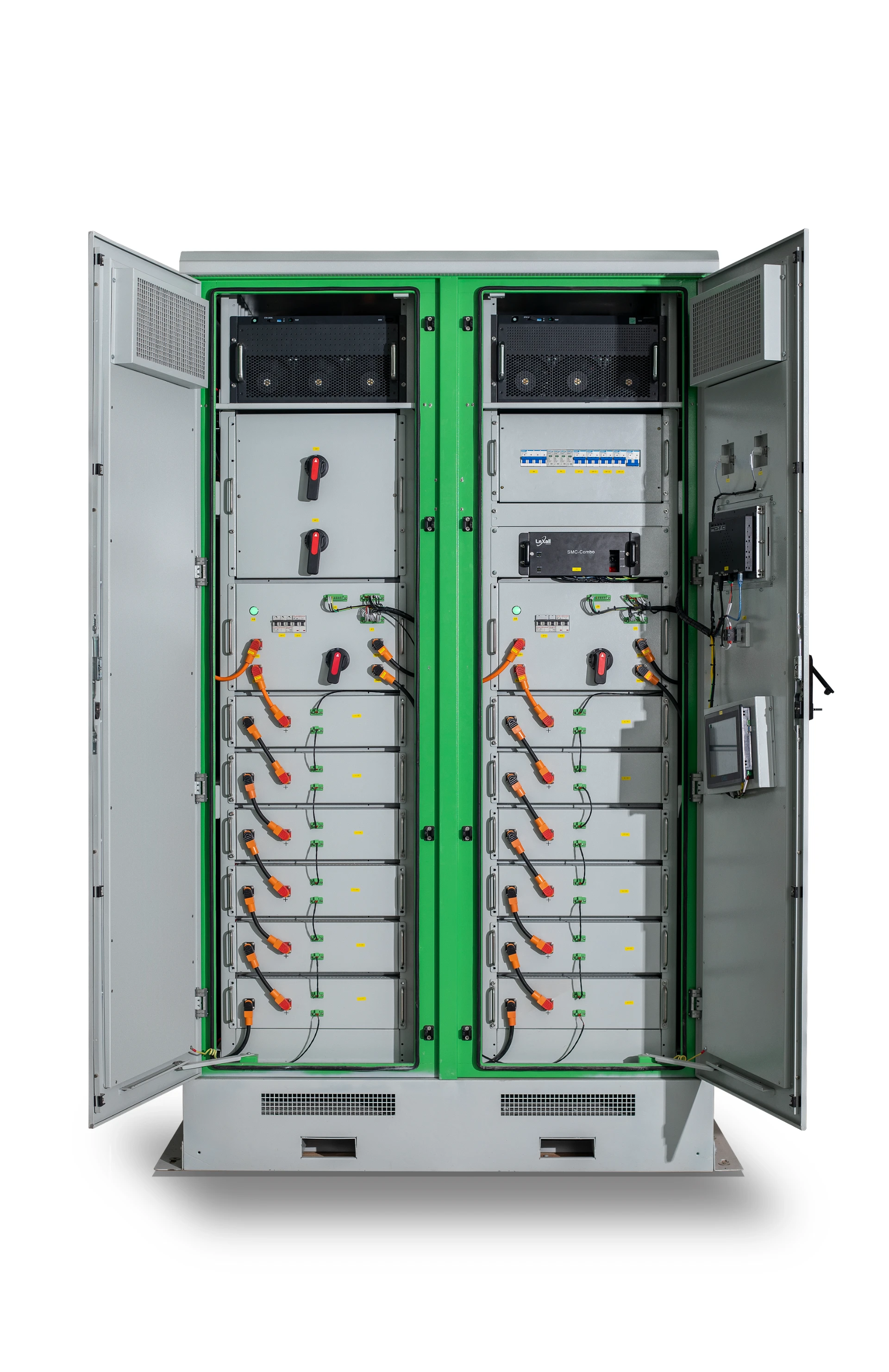
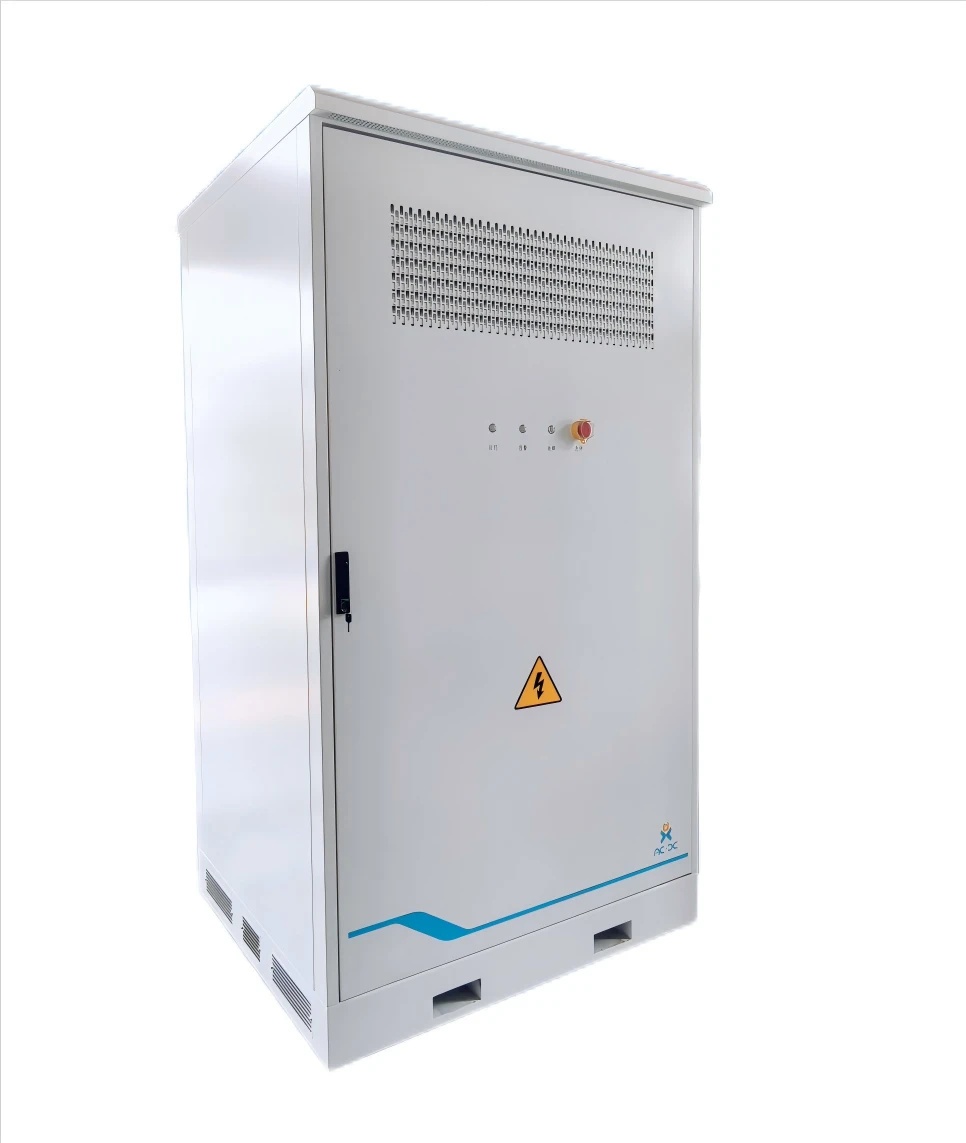
The harsh Egyptian climate, characterized by extreme heat and airborne dust, places immense stress on traditional lead-acid batteries. This has led to a rapid shift toward high-grade lithium-ion energy storage module units that offer higher thermal stability and longer cycle lives, reducing the total cost of ownership for local enterprises.
Furthermore, the growth of tourism and infrastructure projects along the Red Sea and Nile Delta has spiked the demand for flexible power. The integration of mechanical and thermal energy storage is becoming increasingly relevant for large-scale industrial plants seeking to optimize energy loads and reduce peak demand charges from the national grid.