


Apr . 16, 2026 01:55 Back to list
Cedar Point EV Charging Solutions for Sustainable Tourism Experience
Cedar Point EV Charging: Enhancing the Theme Park Experience
As electric vehicle (EV) adoption surges globally, the demand for accessible infrastructure in high-traffic tourist destinations has never been higher. For visitors heading to world-famous attractions, cedar point ev charging solutions are becoming a critical component of the travel planning process. Ensuring that guests can recharge their vehicles while enjoying a day of thrills not only improves the visitor experience but also promotes sustainable tourism. By integrating advanced energy storage and charging systems, destinations can mitigate grid strain during peak seasons while providing seamless power delivery. This guide explores the evolution of charging infrastructure and how high-capacity energy solutions support the transition to green mobility at major landmarks.
The Growing Demand for Cedar Point EV Charging Infrastructure
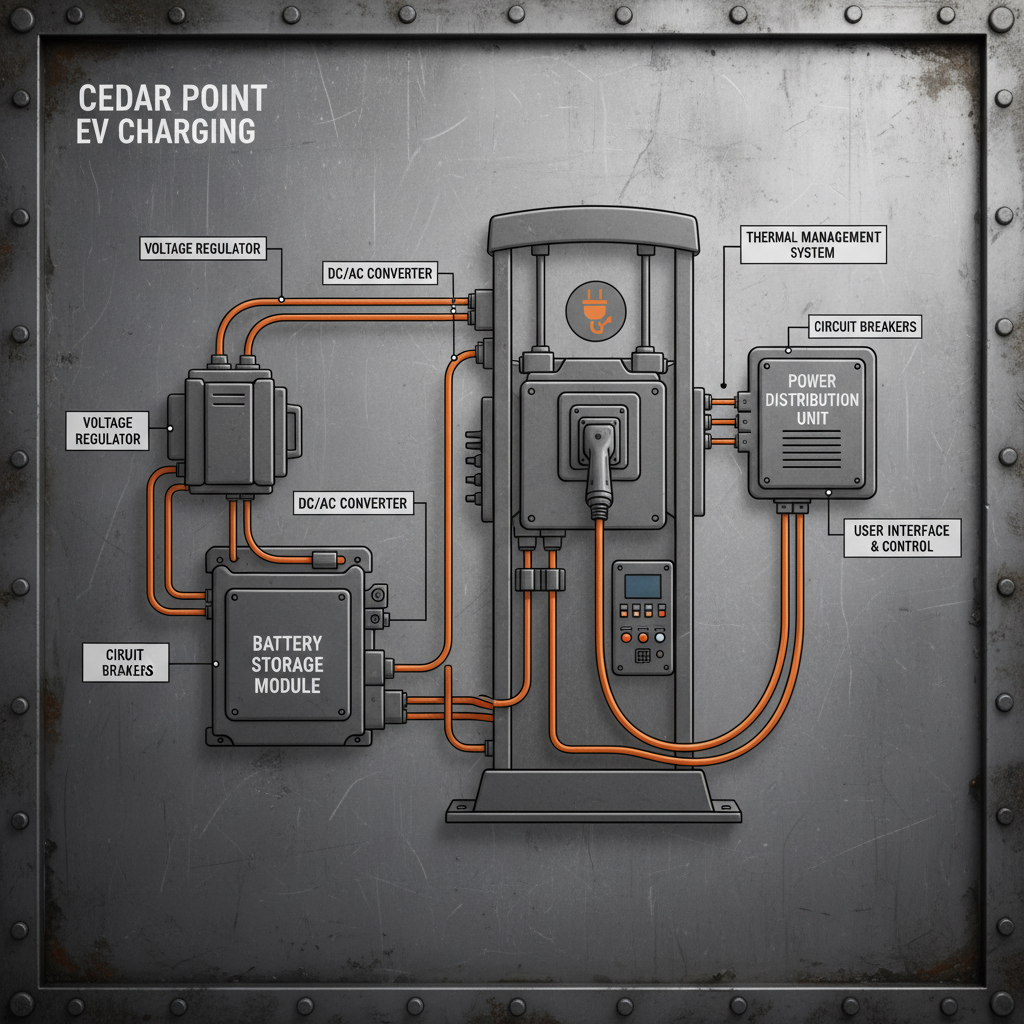
The shift toward electric mobility means that "range anxiety" is a real concern for travelers. When thousands of vehicles descend upon a single location, the existing power grid often struggles to keep up. Implementing a robust cedar point ev charging network requires more than just installing a few plugs; it requires a strategic approach to power management. Smart charging stations allow for load balancing, ensuring that no single circuit is overwhelmed. By deploying a mix of Level 2 and DC Fast Chargers, parks can accommodate both the guest who stays for a full day and the traveler just passing through, ensuring a frictionless transition to electric energy.
Optimizing Energy Flow with BESS Technology
To support large-scale cedar point ev charging hubs, Battery Energy Storage Systems (BESS) are essential. These systems act as a buffer, storing energy during low-demand periods and discharging it during peak hours. This prevents costly "demand charges" from utility companies and ensures that charging speeds remain consistent regardless of how many cars are plugged in. For large commercial sites, the integration of solar arrays with BESS creates a sustainable loop, reducing the carbon footprint of the facility while providing reliable, green power to the visiting public.
Why BESS Matters: It eliminates the need for expensive grid upgrades by managing peak loads locally, ensuring that EV chargers operate at maximum efficiency without risking power outages.
Comparing Charging Levels for Cedar Point EV Charging
Not all charging stations are created equal. Depending on the user's needs, different levels of power delivery are required. For a theme park environment, a hybrid approach is usually best. While Level 2 chargers are perfect for guests spending 8+ hours at the park, DC Fast Chargers are necessary for those who need a quick boost. Understanding these differences is key to designing an efficient cedar point ev charging ecosystem that caters to all demographics.
Implementing Scalable Cedar Point EV Charging Hardware
Scalability is the cornerstone of any successful infrastructure project. As more guests switch to EVs, the cedar point ev charging stations must be able to expand without requiring a complete overhaul of the electrical system. Modular hardware allows operators to add charging ports as demand grows. Furthermore, integrating software that allows users to reserve charging slots can prevent congestion and improve the overall flow of traffic within the parking areas.
Technical Specifications for High-Capacity Energy Storage
To power an extensive cedar point ev charging network, the underlying energy storage must be industrial-grade. We focus on high-density Lithium Iron Phosphate (LiFePO4) cells for their safety and long cycle life. These systems are designed to withstand outdoor temperature fluctuations, ensuring that the charging infrastructure remains operational during the hottest summer days and coldest winter mornings.
Conclusion: The Future of Sustainable Tourism
Integrating high-performance cedar point ev charging solutions is more than a convenience—it is a commitment to the future of the planet. By combining smart charging hardware with industrial BESS technology, attractions can provide a seamless, eco-friendly experience for every visitor. As the world moves toward a zero-emission future, the synergy between energy storage and EV infrastructure will define the next generation of tourist destinations.
Frequently Asked Questions (FAQs)
How long does it typically take to charge an EV at a theme park?
Charging time depends heavily on the equipment used. If you are using a Level 2 charger, it may take several hours to fully charge a battery, which is ideal for guests spending the whole day at the park. However, DC Fast Chargers can often bring a battery from 20% to 80% in 30 to 60 minutes. This flexibility ensures that whether you are a local visitor or a long-distance traveler, your vehicle will be ready for the trip home.
Can the park's power grid handle hundreds of EVs charging simultaneously?
Without support, a standard grid would struggle with such a massive spike in demand. This is why we recommend integrating Battery Energy Storage Systems (BESS). By storing energy during off-peak hours, the BESS can discharge power during the day to support the EV chargers, preventing grid overload and ensuring a stable power supply for both the charging stations and the park's operational machinery.
What happens to the charging speed during peak summer crowds?
In traditional systems, speed might drop as more vehicles compete for power. However, with smart load management and a robust BESS setup, the system can distribute power dynamically. This means that even during the busiest weekends, the cedar point ev charging infrastructure can maintain consistent speeds, providing a reliable service to all guests regardless of the crowd size.
Is it possible to use solar energy to power these charging stations?
Absolutely. Integrating solar canopies over parking lots is an excellent way to generate clean energy on-site. This solar power is then stored in BESS units and fed into the EV chargers. This not only reduces the operational cost for the park but also allows visitors to charge their cars with 100% renewable energy, aligning the theme park's brand with global sustainability goals.
This is the last article
-
Cedar Point EV Charging Solutions for Sustainable Tourism Experience
NewsApr.16,2026
-
Guide to Cedar Point Charging Stations for EV Park Visitors
NewsApr.16,2026
-
Acorn Stairlift Charging Point Guide for Home Mobility Optimization
NewsApr.16,2026
-
Integrating a Wireless Charging Point into Modern Infrastructure
NewsApr.16,2026
-
How to Optimize Your iPhone 14 Charging Point for Efficiency
NewsApr.16,2026
-
Analyzing the Charging Point Share Price Trends and Market Outlook
NewsApr.09,2026