Product Overview
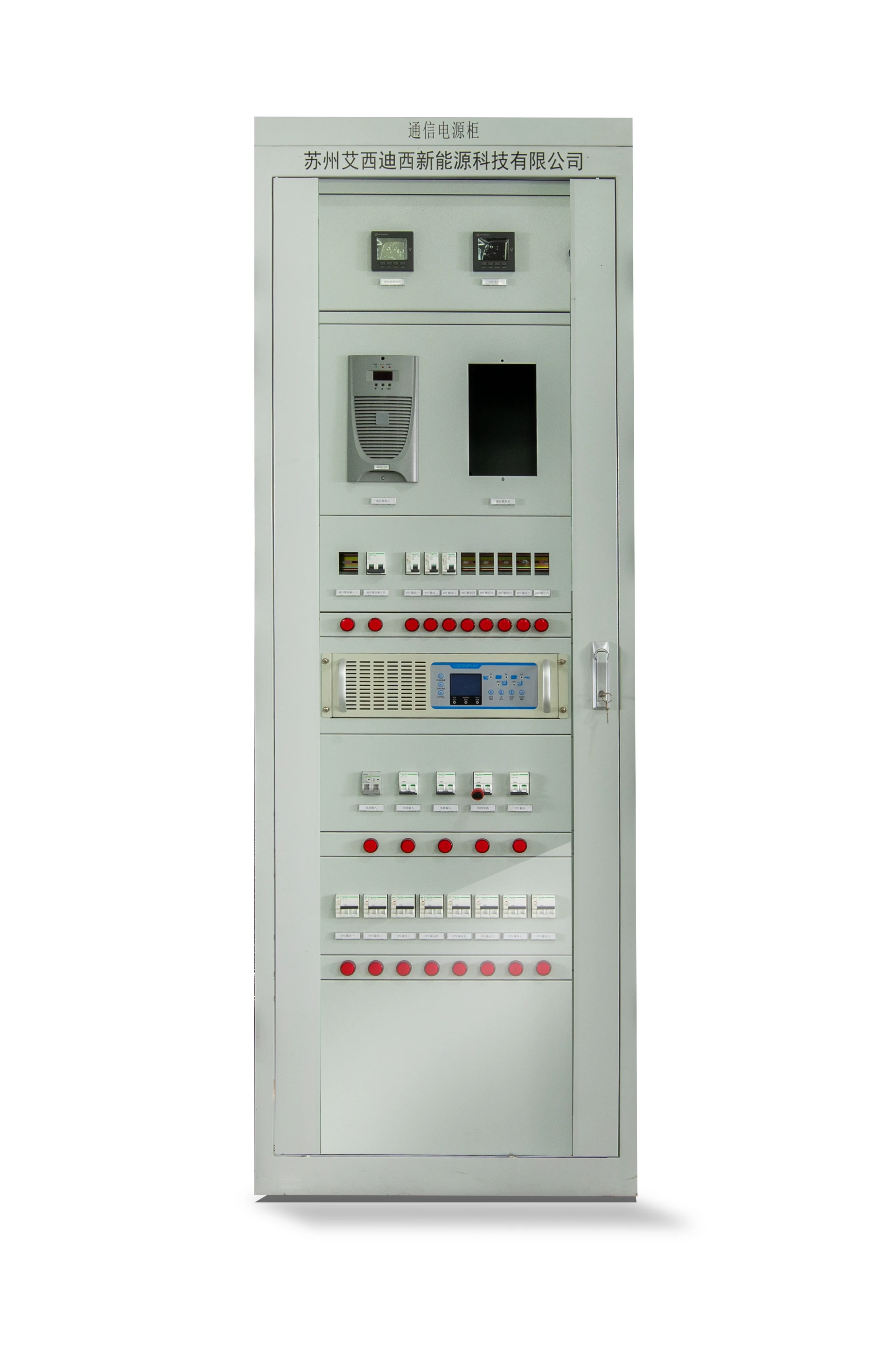
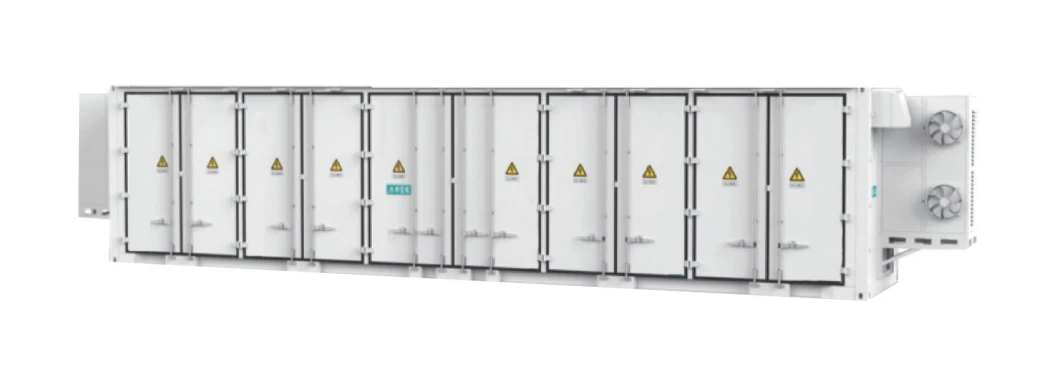
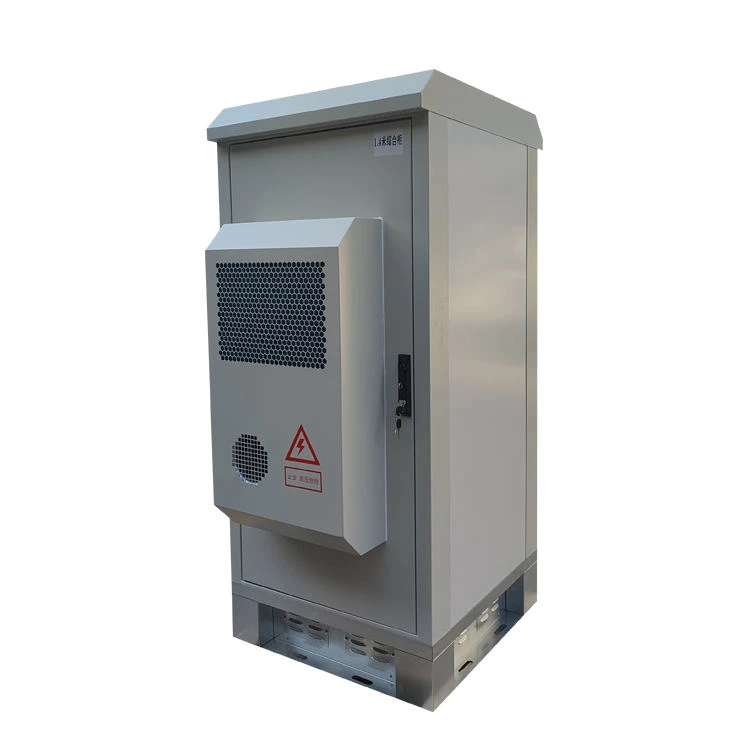
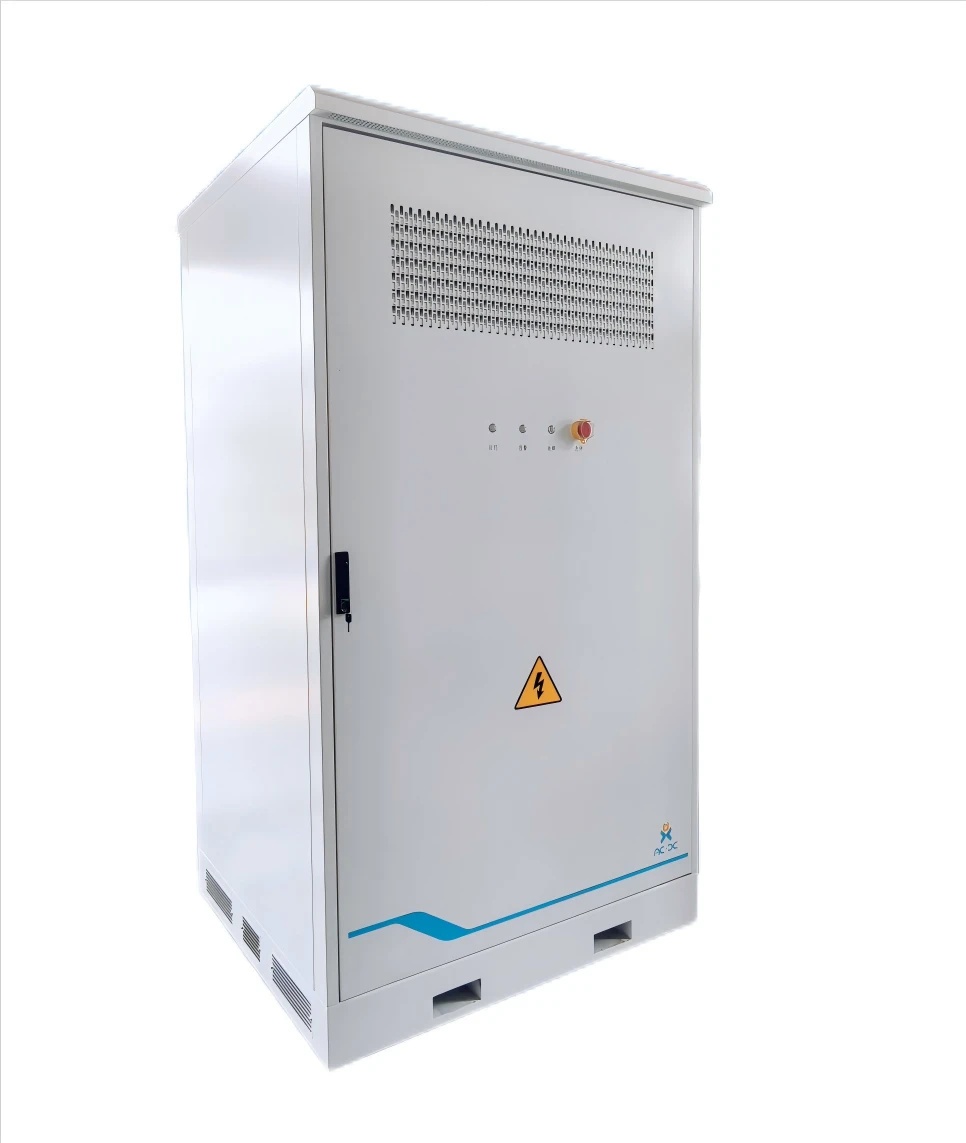
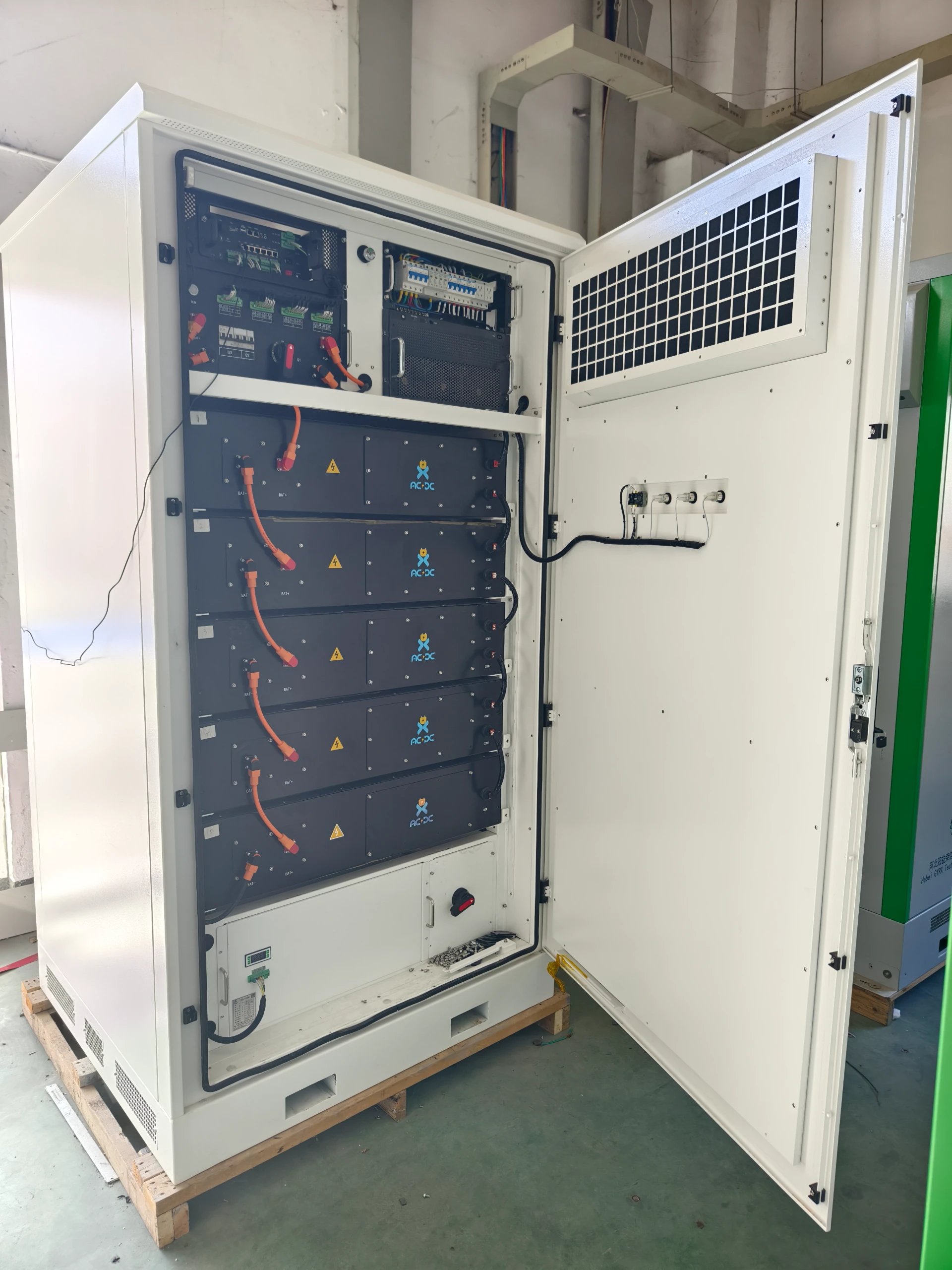
The Self-Cooling 215kWh Energy Storage System is a high-performance, industrial-grade power solution designed for reliability and efficiency. Integrating advanced LFP battery technology with an innovative air-cooled architecture, this system provides a stable and secure energy reserve for commercial and industrial applications, ensuring seamless power continuity and optimized energy management.
Engineered for rapid deployment and scalability, the system features a modular design that simplifies maintenance and capacity expansion. By combining grid-level protection with an intelligent monitoring ecosystem, it delivers the cooling performance of liquid-cooled systems while significantly reducing operational energy consumption, making it an ideal choice for sustainable energy infrastructure.
Detailed Parameters
| Battery Capacity | 215kWh / 1P240S | Modular PCS Power | 100kW |
|---|---|---|---|
| Cell Type | Lithium Iron Phosphate (LFP) | Cell Parameter | 3.2V / 280Ah |
| System Voltage | DC 768V | Full Efficiency | 92% |
| Discharge Ratio | 0.5C | Protection Level | IP55 |
| Operating Temp | -30℃ to 50℃ | Dimensions (WxHxD) | 140623471313mm |
Key Advantages
Grid-Level Protection
Features real-time online diagnosis, multi-layer fuse protection, and a mature fire suppression system to ensure absolute safety.
Rapid Deployment
Low-cost installation with high flexibility, allowing for dynamic expansion or decrease of capacity based on site needs.
Modular Architecture
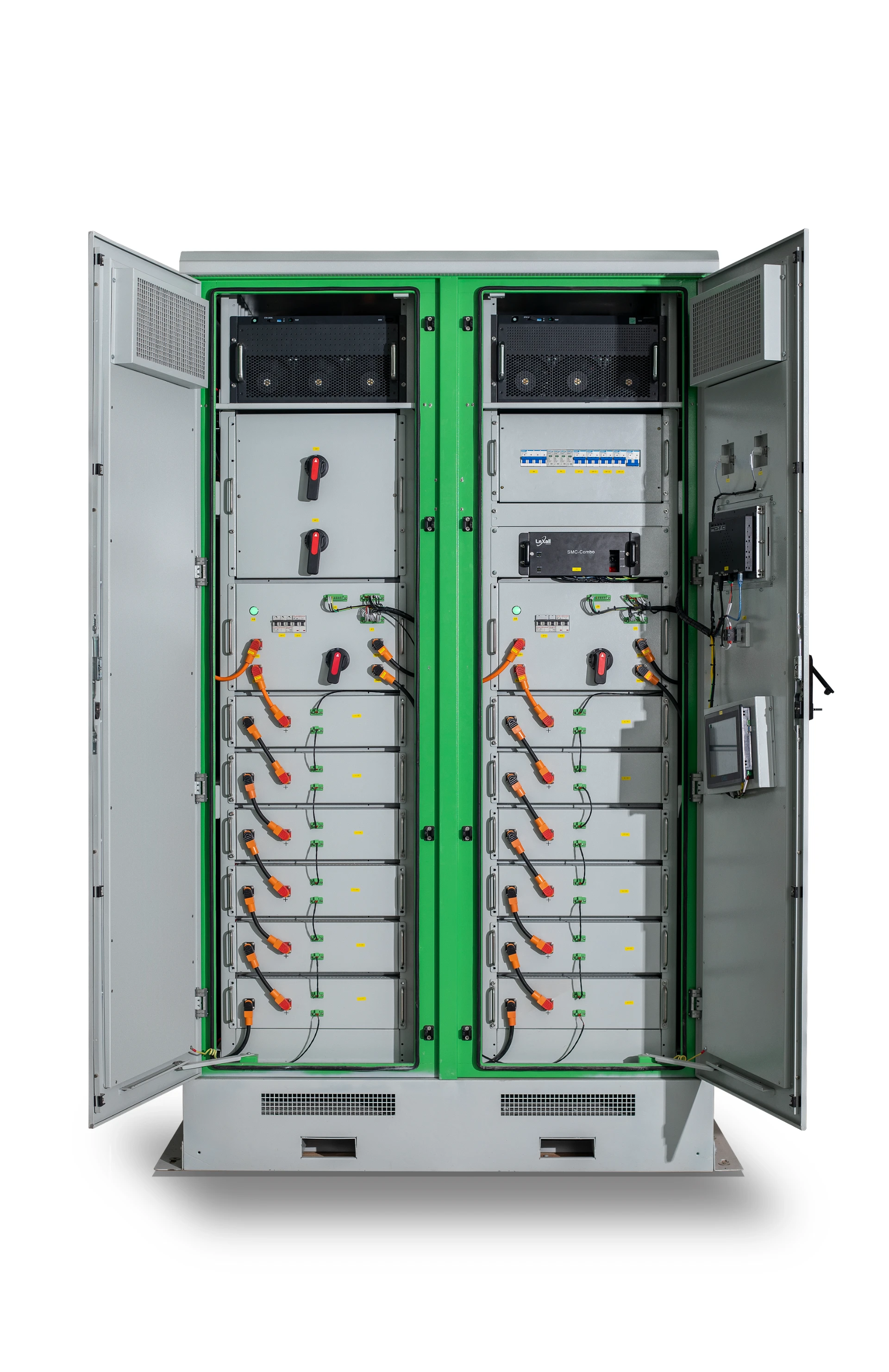
Battery, high-voltage box, PCS, and air conditioners are all modularized for effortless maintenance and scaling.
Patented Air Cooling
Unique air duct design provides cooling efficiency equal to liquid systems but with significantly lower energy overhead.
Intelligent O&M
In-house developed background monitoring system handles fault alarms promptly to achieve fully unattended operation.
Integrated Distribution
Grid-level terminal connection design eliminates the need for a separate low-voltage distribution cabinet.
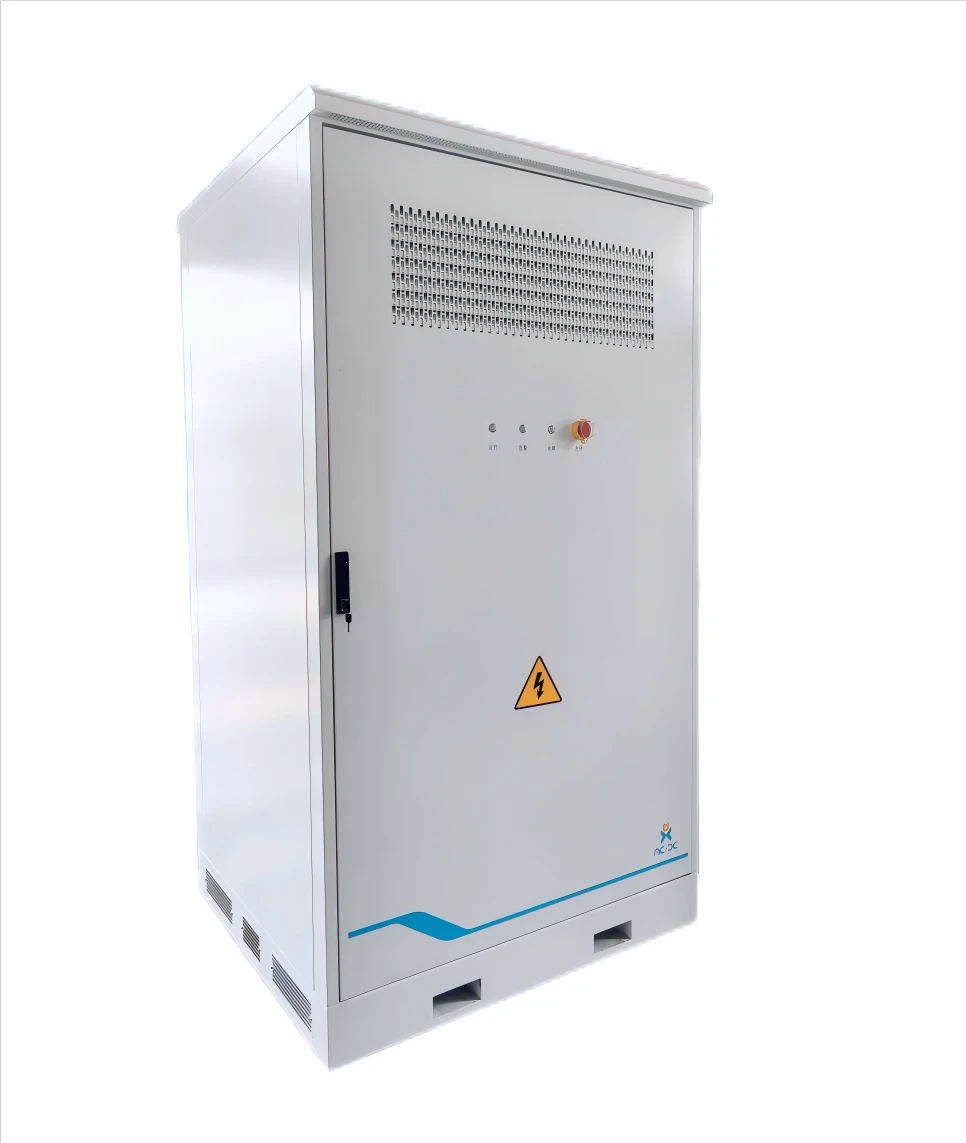
Product Gallery

Management Platforms
Real-time Monitoring
Track cell voltage, temperature, and SOC in real-time via the ACDC background system.
Fault Diagnostics
Automated detection of system anomalies with instant alarm notifications for rapid response.
Thermal Control
Intelligent precision air conditioning management to maintain optimal LFP operating temperatures.
Remote Operation
Fully unattended operational capability via secure remote cloud access and control.
Capacity Scaling
Seamlessly manage parallel battery packs and expanded modular PCS units through a single interface.
Data Analytics
Comprehensive energy flow analysis to optimize charge/discharge cycles and extend battery life.
Investment Return Comparison
| Metric | Standard Air-Cooled | Self-Cooling 215 |
|---|---|---|
| Energy Consumption | High Fan Usage | Ultra-Low (Patented) |
| Installation Time | Weeks (Container) | Days (Modular Cabinet) |
| Maintenance Cost | Complex / High | Simplified / Low |
| Space Efficiency | Large Footprint | Compact / High Density |
| System Lifecycle | Standard | Extended (Optimized Temp) |
Frequently Asked Questions
Lithium Iron Phosphate (LFP) cells offer superior thermal stability, a longer cycle life, and enhanced safety compared to other lithium chemistries, making them ideal for large-scale industrial use.
Our patented air duct design achieves cooling efficiency comparable to liquid-cooled systems but eliminates the risk of coolant leaks and significantly reduces the energy required for thermal management.
Yes, with an IP55 protection rating and an operating temperature range from -30℃ to 50℃, the system is built to withstand harsh industrial outdoor conditions.
Absolutely. The modular design allows for arbitrary parallel battery pack additions and PCS expansion, providing the flexibility to grow your energy capacity as demand increases.
The system supports industry-standard CAN and RS485 communication protocols, ensuring easy integration with most third-party Energy Management Systems (EMS).
No. The integrated grid-level terminal connection design incorporates the necessary distribution components, reducing installation costs and footprint.