


Mar . 19, 2026 01:55 Back to list
A Comprehensive Guide to Building Your Own Home Built Power Supply
Building Your Own Power Supply: A Comprehensive Guide
Creating a home built power supply can be a rewarding project for electronics enthusiasts and professionals alike. It offers customization, cost savings, and a deeper understanding of power electronics. However, it requires careful planning, component selection, and adherence to safety precautions. This article will guide you through the process, from initial design considerations to testing and troubleshooting. We'll explore the benefits and challenges of building your own power supply and provide resources to help you succeed. Choosing to build your own offers advantages in specific voltage and current requirements not always readily available off-the-shelf.
Understanding the Basics of a Home Built Power Supply
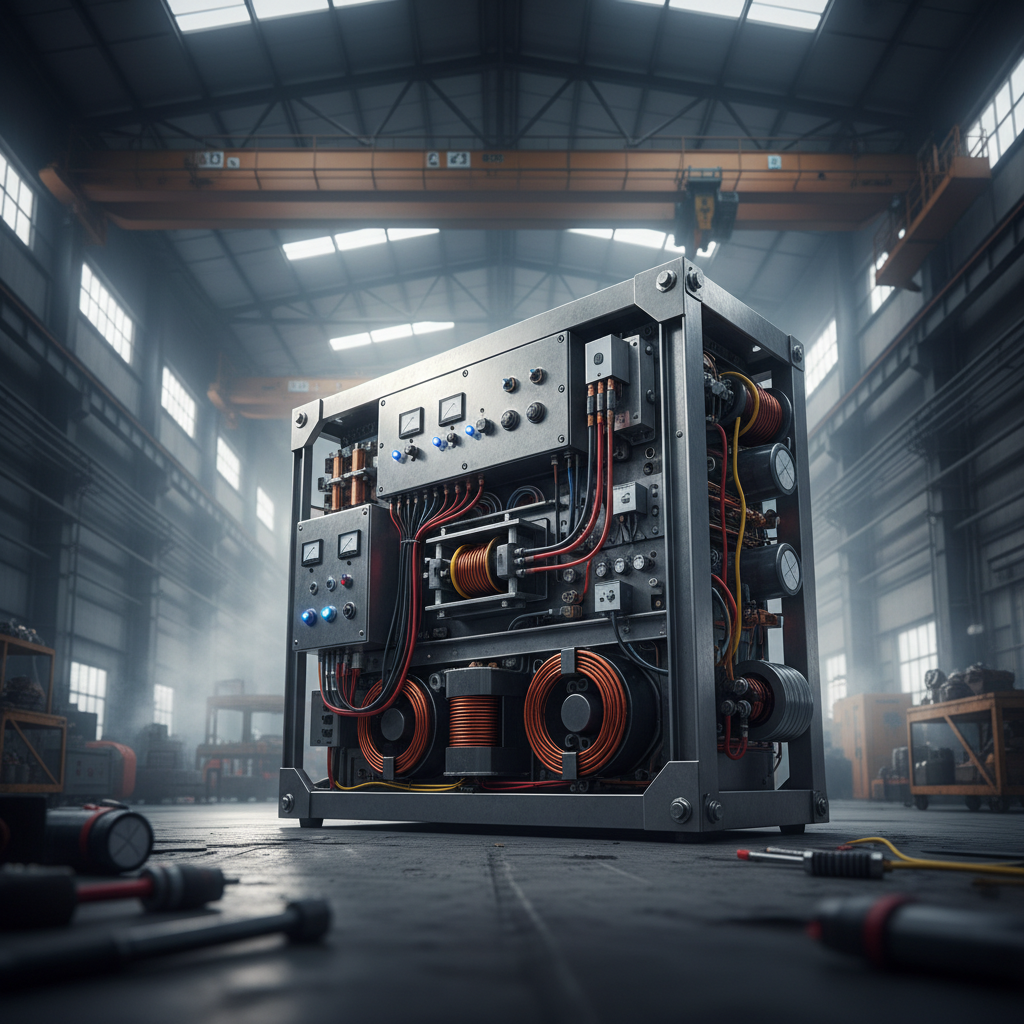
At its core, a power supply converts AC voltage from the mains to a stable DC voltage suitable for powering electronic devices. The key components include a transformer (to step up or down the voltage), a rectifier (to convert AC to pulsating DC), a filter (to smooth the DC voltage), and a regulator (to maintain a constant output voltage). The type of regulator, such as linear or switching, significantly impacts efficiency and complexity. Linear regulators are simpler but less efficient, while switching regulators are more complex but offer higher efficiency, especially at higher power levels. Understanding these fundamental concepts is critical before embarking on a home built power supply project.
Key Components: Transformer, Rectifier, Filter, Regulator, and safety features like fuses and protective circuitry.
Choosing the Right Components for Your Project
Component selection is crucial for the performance and safety of your power supply. The transformer's VA rating must be sufficient for the load current. The rectifier's current and voltage ratings should exceed the expected peak values. Filter capacitors should have appropriate capacitance and voltage ratings. The regulator's current capacity and dropout voltage are important considerations. Safety components like fuses and circuit breakers are essential for protecting the power supply and connected devices. Always choose components from reputable manufacturers and verify their specifications before purchasing. Careful consideration of these factors will ensure a reliable and efficient home built power supply.
Component Selection Checklist:
• Transformer VA Rating: Match to load requirements
• Rectifier Current/Voltage: Exceed peak values
• Filter Capacitance/Voltage: Adequate smoothing
• Regulator Current Capacity/Dropout Voltage
• Fuses/Circuit Breakers: Essential for safety
Linear vs. Switching Power Supplies: A Comparison
Two main types of power supply designs exist: linear and switching. Linear power supplies are simpler to design and build, offering low noise and ripple. However, they are inefficient, especially at higher power levels, dissipating excess energy as heat. Switching power supplies, on the other hand, are more complex but significantly more efficient. They use switching regulators to convert the voltage, resulting in less heat dissipation. The choice between linear and switching depends on the application's requirements. For low-power, noise-sensitive applications, a linear supply may be suitable. For higher power and efficiency, a switching supply is preferred. Understanding the trade-offs is crucial when planning your home built power supply.
Safety Considerations When Building a Power Supply
Working with mains voltage is inherently dangerous. Always disconnect the power supply from the mains before making any adjustments or repairs. Use insulated tools and avoid touching any exposed wires or components. Incorporate a fuse or circuit breaker to protect against overcurrents. Ensure proper grounding to prevent electric shock. Enclose the power supply in a suitable housing to prevent accidental contact with live parts. Understanding and adhering to these safety precautions is paramount when constructing a home built power supply. If you are unsure about any aspect of the build, consult with a qualified electrician.
Testing and Troubleshooting Your Finished Power Supply
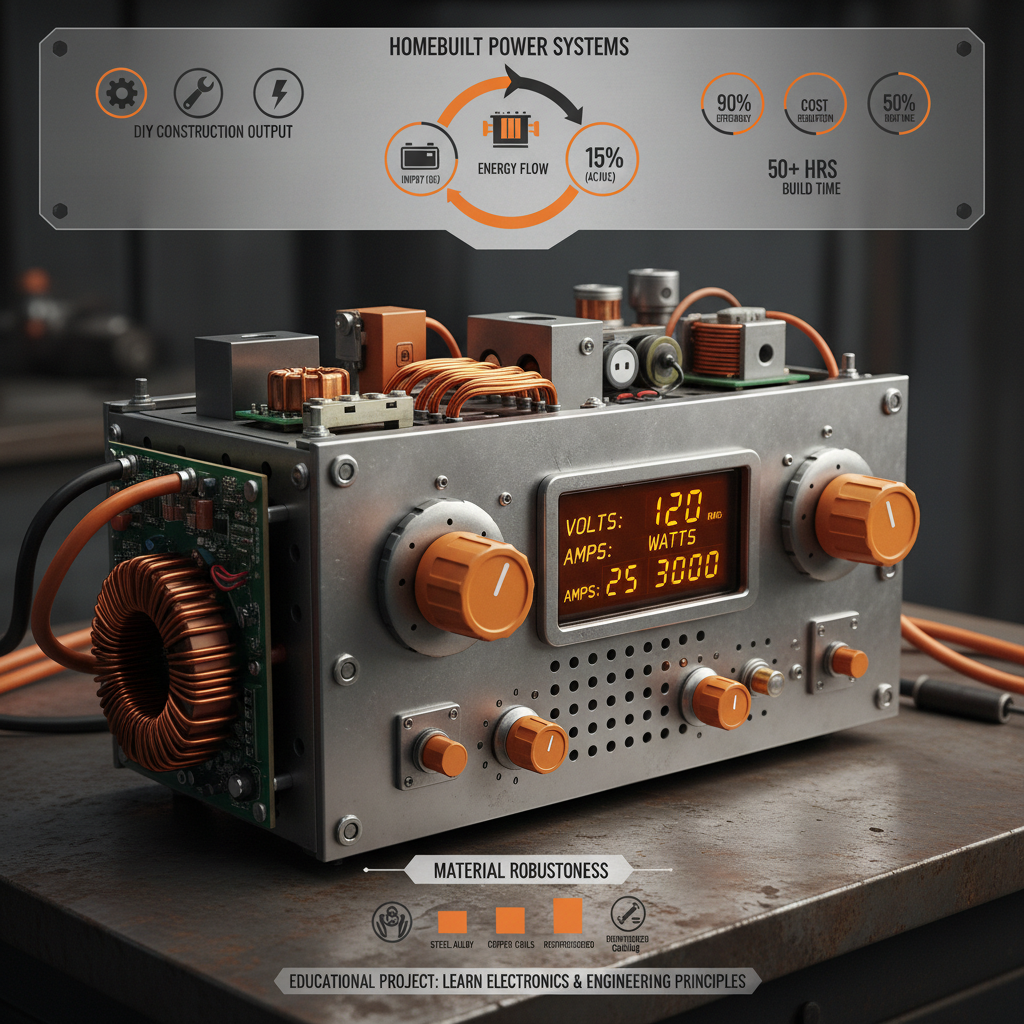
Once assembled, thoroughly test your power supply before connecting it to any sensitive equipment. Use a multimeter to verify the output voltage and current. Check for any excessive ripple or noise using an oscilloscope. Monitor the temperature of the components to ensure they are not overheating. If the power supply fails to operate or exhibits abnormal behavior, systematically troubleshoot the circuit, checking each component for proper functionality. Resources like online forums and datasheets can be invaluable in diagnosing and resolving issues. Careful testing and troubleshooting are crucial for ensuring the reliability and safety of your home built power supply.
Conclusion: Empowering Your Projects with a Custom Power Supply
Building your own power supply offers a unique blend of learning, customization, and cost savings. While it requires technical knowledge and careful attention to safety, the rewards are well worth the effort. By following the guidelines outlined in this article and utilizing available resources, you can create a reliable and efficient power supply tailored to your specific needs. Consider ACDCBESS for further resources and inspiration!
Frequently Asked Questions (FAQs)
What tools are essential for building a power supply?
Essential tools include a soldering iron, multimeter, wire strippers, pliers, screwdrivers, and potentially an oscilloscope for testing ripple and noise. A breadboard can be useful for prototyping the circuit before permanent soldering. Safety glasses are also crucial. Having a good quality power supply tester can make final verification much easier. A component tester is also helpful for checking the values of resistors, capacitors and inductors.
How can I minimize noise and ripple in my power supply?
Using high-quality filter capacitors and properly grounding the circuit are crucial for minimizing noise and ripple. Shielding sensitive components can also help. In switching power supplies, careful PCB layout and filtering techniques are essential. The use of LC filters (inductor-capacitor) can effectively reduce ripple. Also consider using a regulator with low output noise specifications.
What are some common mistakes to avoid when building a power supply?
Common mistakes include using incorrectly rated components, poor soldering joints, improper grounding, and neglecting safety precautions. Failing to properly calculate component values or overlooking the power dissipation requirements can also lead to failure. Always double-check your work and consult datasheets for component specifications. Prioritize safety above all else.
Where can I find reliable schematics and resources for building power supplies?
Numerous online resources offer schematics and tutorials for building power supplies. Websites like All About Circuits, Electronics Tutorials, and DIY Audio are excellent starting points. Reputable electronics forums can provide valuable insights and support. Always verify the accuracy of schematics and consider the expertise of the source before implementing a design.
-
Cedar Point EV Charging Solutions for Sustainable Tourism Experience
NewsApr.16,2026
-
Guide to Cedar Point Charging Stations for EV Park Visitors
NewsApr.16,2026
-
Acorn Stairlift Charging Point Guide for Home Mobility Optimization
NewsApr.16,2026
-
Integrating a Wireless Charging Point into Modern Infrastructure
NewsApr.16,2026
-
How to Optimize Your iPhone 14 Charging Point for Efficiency
NewsApr.16,2026
-
Analyzing the Charging Point Share Price Trends and Market Outlook
NewsApr.09,2026