


Apr . 16, 2026 01:55 Back to list
Integrating a Wireless Charging Point into Modern Infrastructure
The Future of Power: Integrating a Wireless Charging Point into Modern Infrastructure
In an era where mobility and connectivity are the cornerstones of productivity, the demand for seamless energy replenishment has never been higher. The implementation of a wireless charging point is transforming how we interact with our devices, moving us away from the clutter of cables and toward a more streamlined, aesthetic environment. Whether in corporate offices, public transport hubs, or smart homes, wireless power transfer offers unparalleled convenience and efficiency. By leveraging electromagnetic induction, these points allow users to simply place their devices on a surface to begin charging. In this guide, we will explore the technical advantages, strategic placements, and the impact of this technology on sustainable energy management.
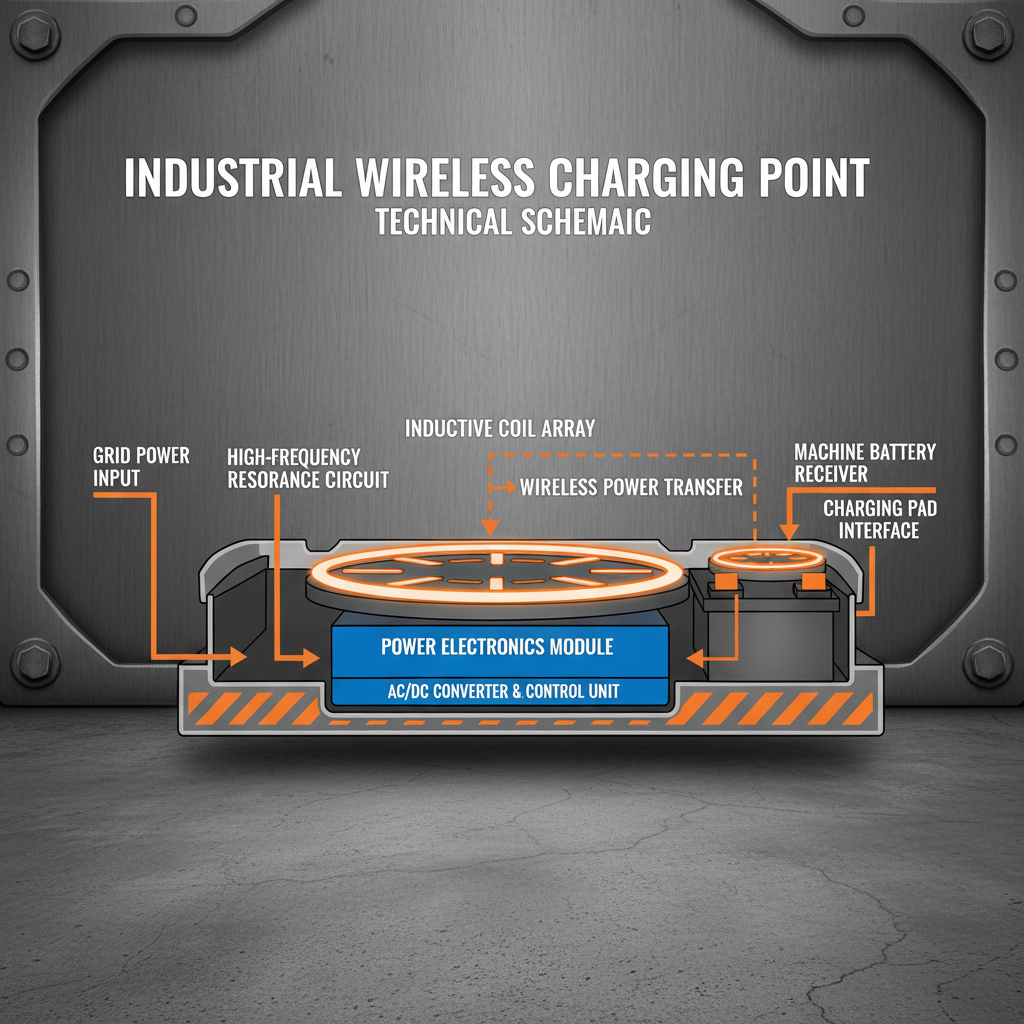
How a Wireless Charging Point Enhances User Experience
The primary appeal of a wireless charging point lies in its ability to remove friction from the daily routine. No more searching for the correct cable or dealing with frayed wires that compromise safety. For businesses, offering wireless charging stations is a powerful way to improve customer satisfaction and increase "dwell time" in retail spaces. Enhanced accessibility is another critical factor; for individuals with limited dexterity, a simple drop-and-charge mechanism is far more intuitive than plugging in a small connector. Furthermore, the reduction in physical wear and tear on device ports extends the overall lifespan of the hardware, making it a sustainable choice for both the user and the environment.
Core Benefits: Eliminates cable clutter, reduces port wear and tear, improves accessibility for all users, and provides a modern, high-tech aesthetic to any interior space.
Technical Standards for the Ideal Wireless Charging Point
To ensure safety and compatibility, every wireless charging point must adhere to strict industry standards. The Qi standard, developed by the Wireless Power Consortium, is the most widely adopted, ensuring that a device from one brand can charge on a pad from another. Modern systems are now integrating Foreign Object Detection (FOD) to prevent the charging of metallic objects, which could lead to overheating. Additionally, the integration of Gallium Nitride (GaN) technology in the power supply allows for smaller, more efficient converters that generate less heat, ensuring that the charging process remains cool and safe even at higher wattages.
Comparing Wireless Charging Point Types and Efficiency
Not all charging solutions are created equal. Depending on the application, one might choose between inductive charging (short-range) or resonant charging (slightly longer range). While inductive charging is the gold standard for smartphones, resonant systems are being explored for larger electronics and even electric vehicles. When evaluating a wireless charging point, efficiency loss (the energy lost as heat) is a key metric. As the technology evolves, the gap between wired and wireless efficiency is narrowing, making the transition almost seamless for the end-user.
Strategic Implementation of a Wireless Charging Point in Smart Cities
As we transition toward "Smart Cities," the wireless charging point is evolving from a desk accessory to a piece of urban infrastructure. Imagine bus stops where your phone charges while you wait, or cafes where the table itself is the charger. The integration of these points with Energy Storage Systems (ESS) allows cities to charge these points using renewable energy stored during off-peak hours, reducing the load on the grid. This synergy between wireless power and smart energy management is key to achieving carbon neutrality in urban environments.
Product Specifications for Industrial Charging Points
For those looking to deploy a professional-grade wireless charging point, understanding the technical specs is vital. Industrial versions often feature ruggedized surfaces, higher thermal resistance, and multi-device support. Below is a specification table for a typical high-end commercial wireless charging unit designed for high-traffic environments.
Conclusion: Emphasizing Convenience and Sustainability
Integrating a wireless charging point into your business or home is more than just a trend; it is a commitment to a more efficient and user-centric future. By reducing reliance on disposable cables and embracing standardized, high-efficiency power transfer, we can create environments that are both aesthetically pleasing and functionally superior. As the technology continues to merge with smart energy storage, the potential for a truly wireless world becomes a reality. Invest in the right infrastructure today to stay ahead of the digital curve.
Frequently Asked Questions (FAQs)
Is a wireless charging point safe for all smartphone models?
Most modern smartphones are designed for wireless charging, provided they support the Qi standard. However, it is essential to ensure that the device has a compatible coil. Some older models may require a separate wireless charging receiver patch. A professional wireless charging point includes safety features like Over-Voltage Protection (OVP) and Over-Temperature Protection (OTP) to ensure that the battery is not damaged during the process. Always refer to your device manufacturer's manual to confirm compatibility.
Does wireless charging slow down the charging speed compared to cables?
Historically, wireless charging was slower than wired connections due to energy loss during the induction process. However, recent advancements in high-wattage pads and fast-charging protocols have significantly closed this gap. While a high-speed USB-C cable may still be faster for a "quick boost," a modern wireless charging point is more than sufficient for overnight charging or maintaining battery levels throughout the workday without the inconvenience of wires.
Can I use a wireless charging point through a thick phone case?
Wireless charging works through electromagnetic induction, which can penetrate non-metallic materials. Most plastic, silicone, or leather cases up to 3-5mm in thickness will not interfere with the charging process. However, metal cases or cases with metal plates (like some magnetic car mount cases) will block the energy transfer and may trigger the Foreign Object Detection (FOD) safety mechanism of the charging point, preventing the device from charging to avoid overheating.
How do I maintain a commercial wireless charging station?
Maintenance for a commercial wireless charging point is minimal but important. The primary focus should be on keeping the surface clean and free of debris, as dust or metallic particles can interfere with the induction coil's efficiency. Periodically check the power supply cables for any signs of wear. For high-traffic installations, ensuring the surface is made of scratch-resistant materials like tempered glass helps maintain a professional appearance and ensures long-term reliability.
-
Cedar Point EV Charging Solutions for Sustainable Tourism Experience
NewsApr.16,2026
-
Guide to Cedar Point Charging Stations for EV Park Visitors
NewsApr.16,2026
-
Acorn Stairlift Charging Point Guide for Home Mobility Optimization
NewsApr.16,2026
-
Integrating a Wireless Charging Point into Modern Infrastructure
NewsApr.16,2026
-
How to Optimize Your iPhone 14 Charging Point for Efficiency
NewsApr.16,2026
-
Analyzing the Charging Point Share Price Trends and Market Outlook
NewsApr.09,2026