


Apr . 16, 2026 01:55 Back to list
Acorn Stairlift Charging Point Guide for Home Mobility Optimization
Optimizing Your Home Mobility: The Acorn Stairlift Charging Point Guide
Maintaining a reliable power source is the cornerstone of home accessibility. For users of luxury mobility solutions, the acorn stairlift charging point serves as the critical link between the device and its operational longevity. Ensuring that your charging station is correctly installed and maintained prevents unexpected downtime, providing peace of mind for individuals with limited mobility. In this comprehensive guide, we will explore the technical nuances of these charging points, how to optimize their efficiency, and the best practices for long-term battery health to ensure your home remains fully accessible at all times.
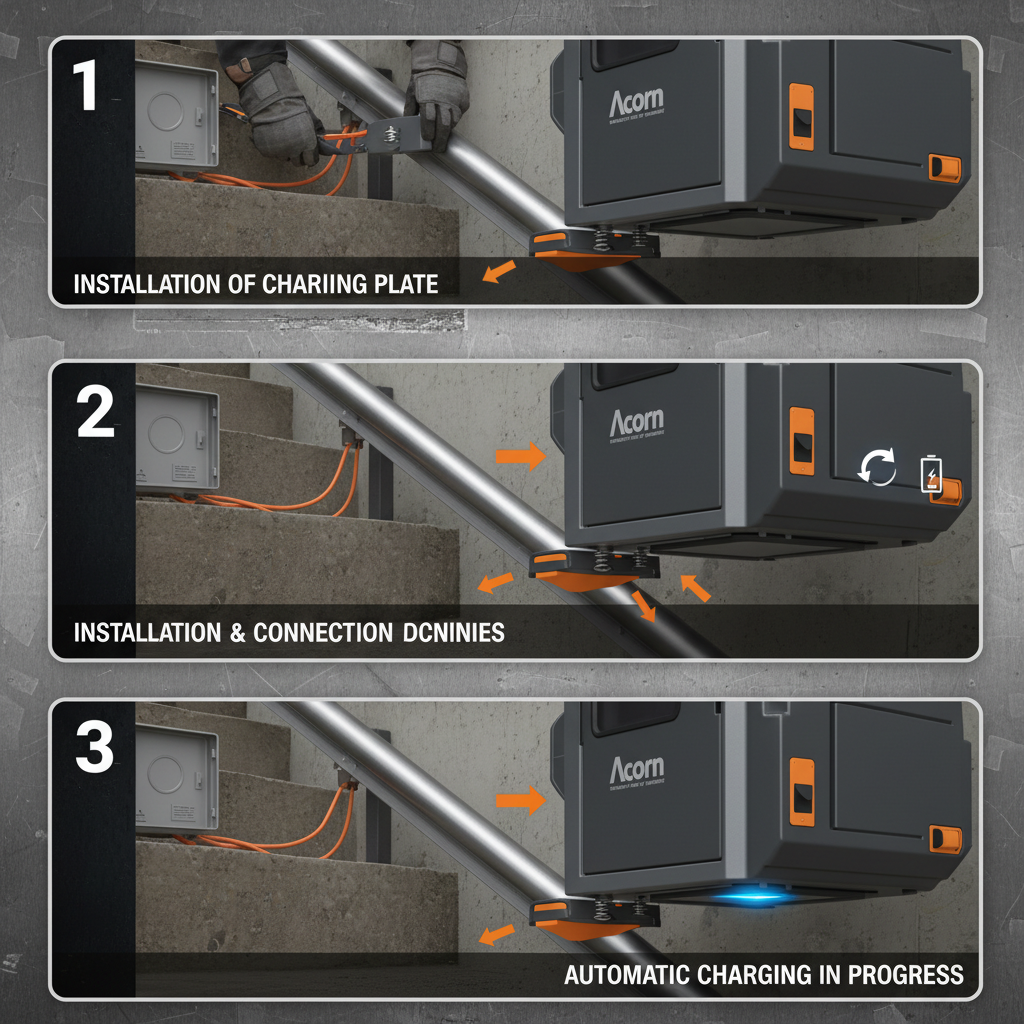
How the Acorn Stairlift Charging Point Works
The charging mechanism is designed for seamless integration into the home environment. Most systems utilize a "park and charge" logic, where the acorn stairlift charging point is located at the top or bottom of the stair rail. When the lift reaches its destination and is parked, the charging contacts align, allowing the onboard batteries to replenish automatically. This eliminates the need for manual plugging and unplugging, which could be difficult for users with dexterity issues. The system typically uses a low-voltage transformer to convert household AC power into a stable DC current suitable for the lift's battery chemistry.
Technical Tip: Always ensure the lift is fully parked in the designated charging zone. A slight misalignment can prevent the contacts from meeting, leading to a depleted battery.
Installation Requirements for Charging Points
Proper installation is paramount to ensure safety and efficiency. The charging point must be positioned near a standard electrical outlet, and the cabling must be securely routed to avoid trip hazards. Professional installers typically check the voltage stability of the home's electrical system to prevent power surges from damaging the sensitive electronics of the acorn stairlift charging point. Depending on the model, some units may require a dedicated circuit if the home's wiring is outdated, ensuring that the lift has a consistent flow of energy without interfering with other household appliances.
Comparing Acorn Stairlift Charging Point Options
Different home layouts and lift models may require different charging configurations. While the core technology remains similar, the placement and power delivery methods can vary. For instance, some high-use households prefer systems with faster recovery times or backup power integration. Below is a detailed comparison between standard charging points and advanced power-managed versions to help you determine the best fit for your accessibility needs.
Maintenance Tips for Your Acorn Stairlift Charging Point
To prevent service interruptions, regular maintenance of the charging area is essential. Dust and debris can accumulate on the charging contacts, creating resistance and reducing the efficiency of the acorn stairlift charging point. We recommend a monthly inspection where you gently wipe the contact points with a dry, lint-free cloth. Additionally, verify that the power cable is not frayed or pinched by furniture. If you notice a delay in the lift reaching full charge or if the battery indicator fluctuates, it may be time to inspect the transformer for signs of wear or overheating.
Technical Specifications of Power Modules
Understanding the technical parameters of your power system helps in troubleshooting and selecting compatible replacement parts. The charging module is engineered to provide a stable current that prevents battery degradation over thousands of cycles. Below are the typical specifications found in modern acorn stairlift charging point configurations, ensuring they meet international safety and electrical standards.
Conclusion: Ensuring Reliability for Your Mobility
The acorn stairlift charging point is more than just a power plug; it is the lifeline of your home accessibility system. By understanding its operation, adhering to installation best practices, and performing simple monthly maintenance, you can significantly extend the life of your batteries and avoid the stress of equipment failure. Investing time in the upkeep of your charging station ensures that your journey between floors remains safe, smooth, and effortless every single day.
Frequently Asked Questions (FAQs)
What should I do if my stairlift is not charging at the point?
First, ensure the lift is fully parked in the charging zone; often a few inches of misalignment can prevent connection. Second, check that the power outlet is functioning by plugging in another device. Third, inspect the charging contacts for any buildup of dust or grime and clean them with a dry cloth. If the issue persists, check the transformer for any warning lights or signs of overheating. If none of these steps work, contact a certified technician to inspect the wiring of the acorn stairlift charging point, as the battery or the charger itself may need replacement.
Can I use an extension cord for the charging point?
It is generally recommended to plug the charging point directly into a wall outlet to ensure the most stable voltage and minimize the risk of electrical failure. However, if an extension cord is absolutely necessary, use a heavy-duty, surge-protected power strip that meets local safety standards. Avoid thin, low-quality extension cords as they can cause voltage drops and potentially damage the sensitive charging electronics. Ensure the cord is securely taped or routed along the wall to prevent it from becoming a tripping hazard for the user or other household members.
How often do the batteries need replacing despite the charging point?
While the charging point maintains the battery, all batteries have a finite chemical lifespan. Typically, stairlift batteries last between 2 to 5 years depending on the frequency of use and how well they are maintained. If you notice that the lift requires more frequent charging or if the travel distance per charge decreases significantly, it is a sign that the batteries are reaching the end of their life. Regular maintenance of the acorn stairlift charging point helps maximize this lifespan, but eventual replacement is inevitable to maintain safety and reliability.
Does a power outage affect the charging point?
Yes, a power outage will stop the charging process. However, most stairlifts are designed with backup batteries that allow the lift to be operated manually or via a backup power source for a limited number of trips. Once power is restored, the charging point will automatically resume replenishing the batteries. For users in areas prone to frequent power outages, we recommend discussing the installation of a Uninterruptible Power Supply (UPS) with your technician to ensure your acorn stairlift charging point remains active during blackouts.
This is the last article
-
Cedar Point EV Charging Solutions for Sustainable Tourism Experience
NewsApr.16,2026
-
Guide to Cedar Point Charging Stations for EV Park Visitors
NewsApr.16,2026
-
Acorn Stairlift Charging Point Guide for Home Mobility Optimization
NewsApr.16,2026
-
Integrating a Wireless Charging Point into Modern Infrastructure
NewsApr.16,2026
-
How to Optimize Your iPhone 14 Charging Point for Efficiency
NewsApr.16,2026
-
Analyzing the Charging Point Share Price Trends and Market Outlook
NewsApr.09,2026