
0%

Table of Contents

The modern world increasingly demands resilient and adaptable solutions across various sectors, from disaster relief and affordable housing to remote infrastructure. At the heart of many of these advancements lies bms, a rapidly evolving field offering innovative approaches to building and construction. Understanding bms is no longer a niche interest but a crucial competency for professionals in engineering, urban planning, and humanitarian aid, as well as for policymakers seeking sustainable development strategies.

The global need for rapid deployment housing and sustainable infrastructure is accelerating, driven by factors like climate change, population growth, and geopolitical instability. Traditional construction methods often fall short in addressing these challenges due to their time-consuming nature, high costs, and significant environmental impact. Bms offers a compelling alternative, providing scalable, cost-effective, and environmentally responsible building solutions.

Ultimately, proficiency in bms empowers individuals and organizations to respond effectively to critical needs, build more sustainable communities, and drive innovation in the construction industry. The potential to revolutionize how we house, shelter, and create infrastructure worldwide is immense.
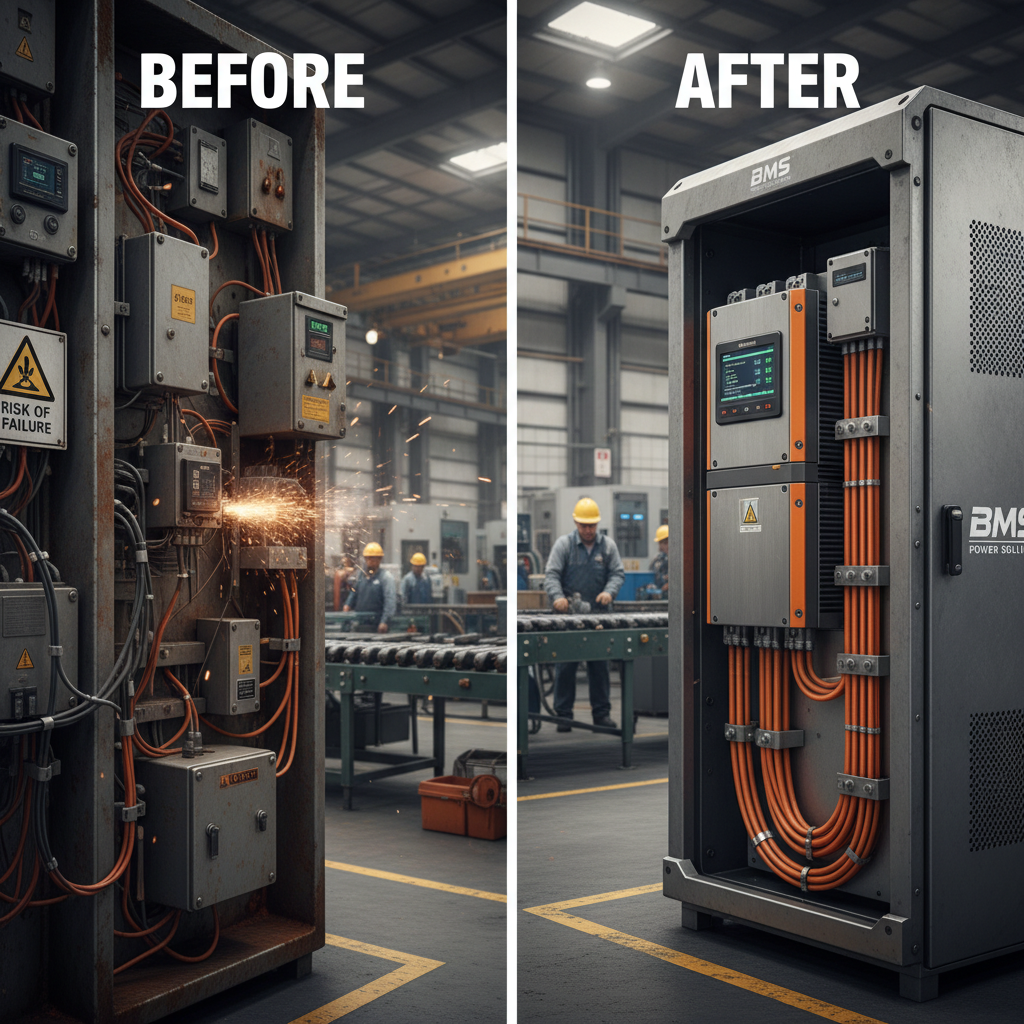

Advanced Battery Management Systems for Enhanced Energy Efficiency and Safety

The Core Principles of bms

Advanced Battery Management Systems for Enhanced Energy Efficiency and Safety

The foundational principle of bms lies in modularity. Components are prefabricated off-site in controlled environments, minimizing waste and maximizing quality. This contrasts sharply with traditional construction, which often relies heavily on on-site labor and is susceptible to weather delays and material inconsistencies. This modularity also promotes design flexibility, allowing for easy customization and expansion.

Furthermore, the emphasis on standardized components and streamlined processes inherent in bms leads to significant time savings. Reduced construction timelines are critical, particularly in emergency situations or projects with tight deadlines. The speed of deployment offered by these systems provides a crucial advantage over conventional building methods.

The Global Rise of bms

The global market for bms is experiencing substantial growth, driven by a confluence of factors. According to a 2023 report by Allied Market Research, the global modular construction market size was valued at $85.5 billion in 2022 and is projected to reach $175.7 billion by 2032, growing at a CAGR of 7.8% from 2023 to 2032. This growth is particularly pronounced in regions facing housing shortages, disaster vulnerability, and infrastructure deficits.

This surge is also fueled by increasing awareness of the environmental benefits of bms. Compared to traditional construction, modular building generates significantly less waste, reduces carbon emissions, and minimizes disruption to surrounding ecosystems. The focus on sustainable materials and energy-efficient designs further enhances its environmental credentials.

Organizations like the United Nations are increasingly recognizing the potential of bms for addressing humanitarian crises and providing affordable housing in developing countries. The speed and efficiency of these systems are invaluable in responding to emergencies and rebuilding communities.

Defining bms: A Modern Construction Approach

At its core, bms represents a paradigm shift in construction methodology. It moves away from the traditional, linear process of building on-site to a more efficient, streamlined, and controlled factory-based approach. This isn’t simply about prefabrication; it’s about integrating design, engineering, and manufacturing to create high-quality, customizable building solutions.

The connection to modern industry is profound. Bms mirrors the principles of lean manufacturing and mass customization, optimizing production processes and tailoring solutions to specific client needs. This allows for economies of scale, reduced lead times, and improved project outcomes.

In the context of humanitarian needs, bms offers a rapid and effective way to provide shelter, medical facilities, and educational infrastructure in disaster-stricken areas or refugee camps. The portability and ease of assembly are particularly advantageous in challenging environments.

Key Factors Driving bms Adoption

Durability is a critical aspect of bms. Modern materials and stringent quality control processes ensure that these structures can withstand harsh environmental conditions and provide long-lasting performance. Properly maintained bms can offer decades of reliable service.

bms Component Performance Ratings


Diverse Applications of bms Worldwide

In post-disaster relief operations, bms provides immediate and safe shelter for displaced populations. The rapid deployment capabilities are crucial in the critical hours and days following a natural disaster, offering a dignified living space and a foundation for rebuilding.

In remote industrial zones, bms offers a cost-effective solution for worker housing and site offices. The portability of these structures allows for easy relocation as project needs evolve, minimizing infrastructure costs and maximizing operational flexibility.

The Advantages and Long-Term Value of bms

The tangible benefits of bms extend beyond immediate cost savings. Reduced construction time translates to faster project completion and earlier revenue generation. The lower labor requirements minimize on-site risks and improve overall safety. Sustainability is also a key advantage, with reduced waste and the potential for using eco-friendly materials.

From a social impact perspective, bms can enhance community resilience and provide access to safe, affordable housing. The sense of dignity and security that a well-built structure provides is immeasurable. Furthermore, the innovation and technological advancements driving bms foster trust and confidence in the building process.

The reliability and durability of bms offer long-term value, reducing maintenance costs and extending the lifespan of the structure. This makes it a sound investment for both individuals and organizations.

Future Trends and Innovations in bms

The integration of green energy solutions with bms is a rapidly growing trend. Solar panels, rainwater harvesting systems, and energy-efficient insulation can be seamlessly incorporated into modular designs, creating truly sustainable buildings. This convergence addresses both environmental concerns and rising energy costs.

Digital transformation is also playing a significant role. Building Information Modeling (BIM) and automation technologies are streamlining the design and manufacturing processes, improving accuracy and reducing errors. The use of smart sensors and IoT devices is enabling real-time monitoring of building performance, optimizing energy consumption and enhancing occupant comfort.

Furthermore, advancements in materials science are leading to the development of lighter, stronger, and more sustainable building components. The exploration of bio-based materials and recycled content is further reducing the environmental footprint of bms.

Key Performance Indicators for bms Implementation

Project Timeline (Days) Cost per Square Foot ($) Waste Reduction (%) Energy Efficiency Rating (1-10)
60 $150 70 8
45 $120 80 9
75 $180 60 7
50 $140 75 8.5
65 $160 65 7.5
55 $130 72 8.2

FAQS

What are the primary advantages of using bms compared to traditional construction methods?

bms offers several key advantages, including faster construction timelines, reduced labor costs, improved quality control, and a significantly lower environmental impact. Because components are prefabricated in a controlled factory environment, projects are less susceptible to weather delays and material inconsistencies. Furthermore, bms often results in more predictable project budgets and reduced waste, making it a cost-effective solution for a wide range of applications. This ultimately means quicker return on investment and more sustainable building practices.

Is bms suitable for all types of buildings and climates?

While bms is incredibly versatile, its suitability depends on the specific project requirements and local regulations. With advancements in materials and design, bms can be adapted to various climates and building types, including residential, commercial, and industrial structures. However, factors such as seismic activity, extreme weather conditions, and local building codes must be carefully considered during the design and engineering phases. Properly engineered systems are designed to withstand a wide range of environmental challenges.

How does bms contribute to sustainable building practices?

Bms significantly contributes to sustainability by minimizing waste, reducing construction time, and optimizing energy efficiency. The controlled factory environment allows for precise material usage and reduces the amount of waste generated on-site. Shorter construction timelines translate to less disruption to the surrounding environment. The ability to incorporate sustainable materials, renewable energy systems, and energy-efficient designs further enhances the environmental benefits of bms.

What are the typical costs associated with bms projects?

The cost of a bms project varies depending on factors such as the size and complexity of the building, the materials used, and the location. While the initial cost per square foot may be comparable to or slightly higher than traditional construction, the overall project cost is often lower due to reduced labor expenses, shorter construction timelines, and minimized waste. Long-term operational costs are also typically lower due to improved energy efficiency.

How long does it typically take to complete a bms project?

Bms projects generally take significantly less time to complete compared to traditional construction. The majority of the work is done off-site in a controlled factory environment, allowing for simultaneous construction activities. Depending on the size and complexity of the building, a bms project can be completed in a matter of weeks or months, as opposed to the many months or years often required for conventional construction.

What quality control measures are in place during bms manufacturing?

Rigorous quality control measures are integral to the bms manufacturing process. These measures include regular inspections of materials, strict adherence to building codes and standards, and continuous monitoring of production processes. The controlled factory environment allows for precise quality control, minimizing defects and ensuring that all components meet the highest standards of performance and durability. Independent third-party inspections are also often conducted to verify compliance.

Conclusion

Bms represents a transformative approach to construction, offering a compelling solution to the challenges of rapid urbanization, climate change, and humanitarian crises. Its core principles of modularity, sustainability, and efficiency are reshaping the built environment, delivering faster, more cost-effective, and environmentally responsible building solutions. The benefits extend beyond immediate construction, providing long-term value through reduced operational costs, increased durability, and enhanced community resilience.

Looking ahead, the continued innovation in materials science, digital technologies, and green energy integration will further enhance the capabilities and sustainability of bms. Embracing this technology is not merely a matter of adopting a new construction method; it’s about investing in a more sustainable, equitable, and resilient future. To learn more about how bms can benefit your project, visit our website: www.acdcbess.com

Kevin Wilson

Kevin Wilson

Kevin Wilson is a Senior Systems Integration Engineer at Suzhou ACDC New Energy Technology. He leads the team responsible for seamlessly integrating our BMS, EMS, and thermal management systems into complete energy storage solutions. Kevin has a strong background in control systems and automation, with experience in designing and implementing
Previous Power Machinery EMS Solutions for Industrial Excellence
Next Power Mechanical Solutions for A Smarter Future