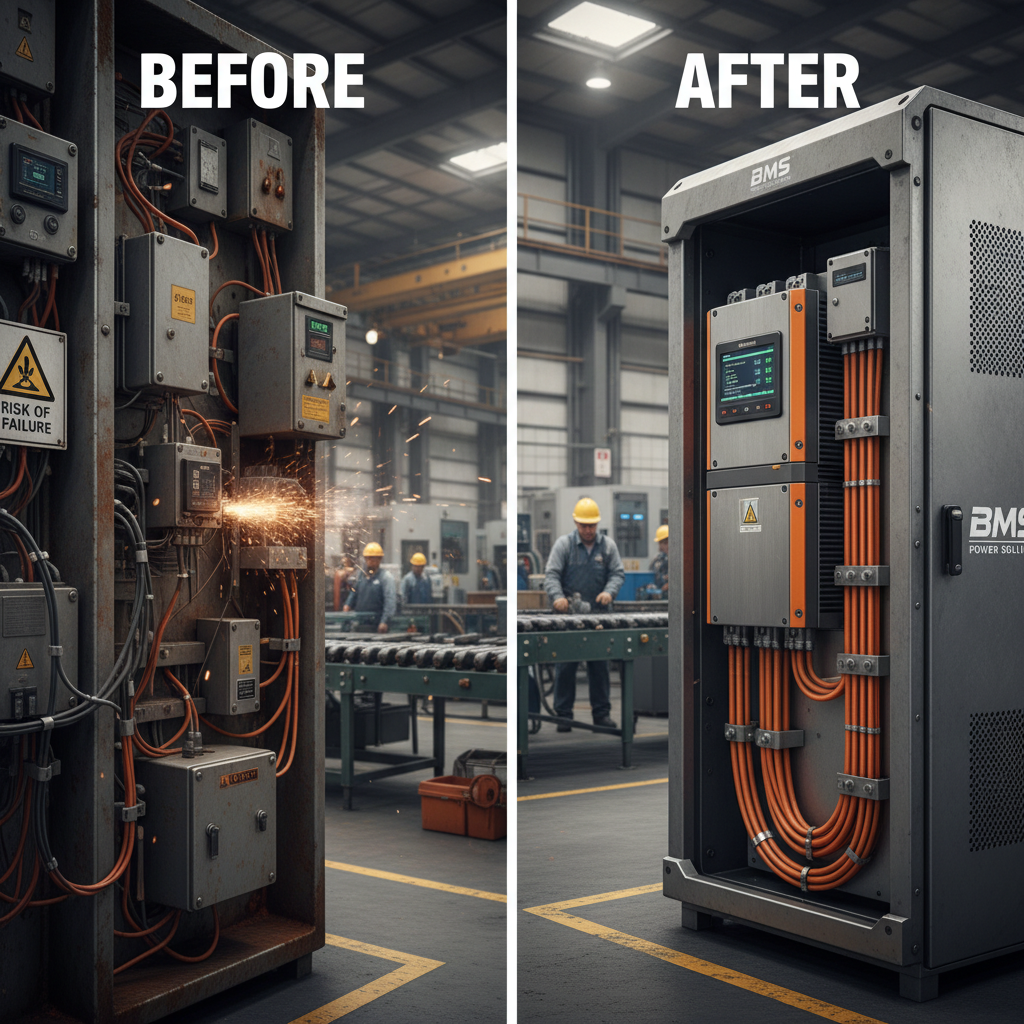
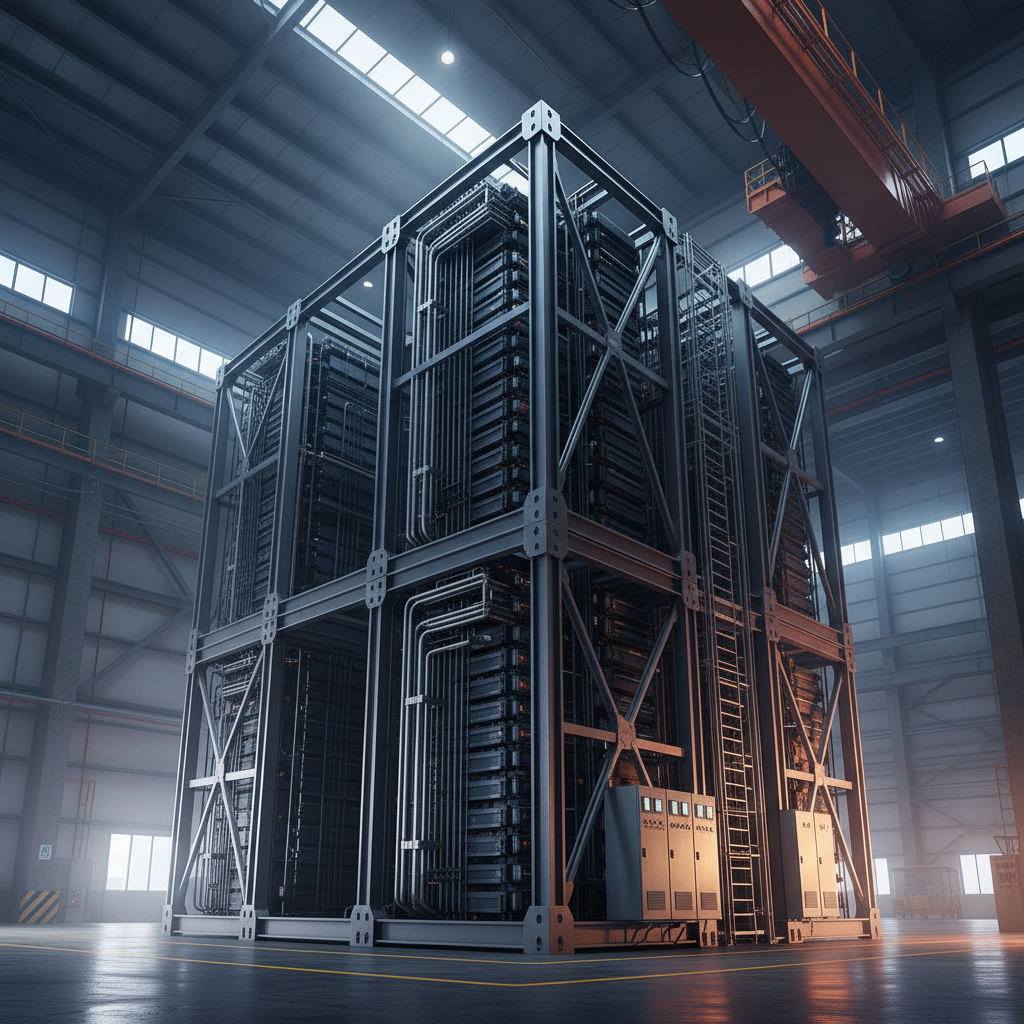
Household energy storage systems are rapidly becoming a crucial component of the modern energy landscape. Driven by increasing demand for reliable power, the growth of renewable energy sources like solar and wind, and a desire for greater energy independence, these systems offer a compelling solution for both residential and commercial consumers. Understanding the benefits, components, and future trends of household energy storage systems is essential for navigating a changing energy world.
The global push for sustainability and decarbonization is accelerating the adoption of household energy storage systems. According to the International Renewable Energy Agency (IRENA), global renewable energy capacity increased by 9.1% in 2021. This growth, while positive, necessitates effective energy storage solutions to address intermittency issues associated with renewable sources, making household energy storage increasingly vital.
These systems aren’t just about environmental responsibility; they also provide economic benefits by reducing reliance on the grid and potentially lowering energy costs. Furthermore, they enhance energy security, providing backup power during outages and contributing to grid resilience, particularly important in areas prone to natural disasters or with unstable power infrastructure.
Introduction to Household Energy Storage System
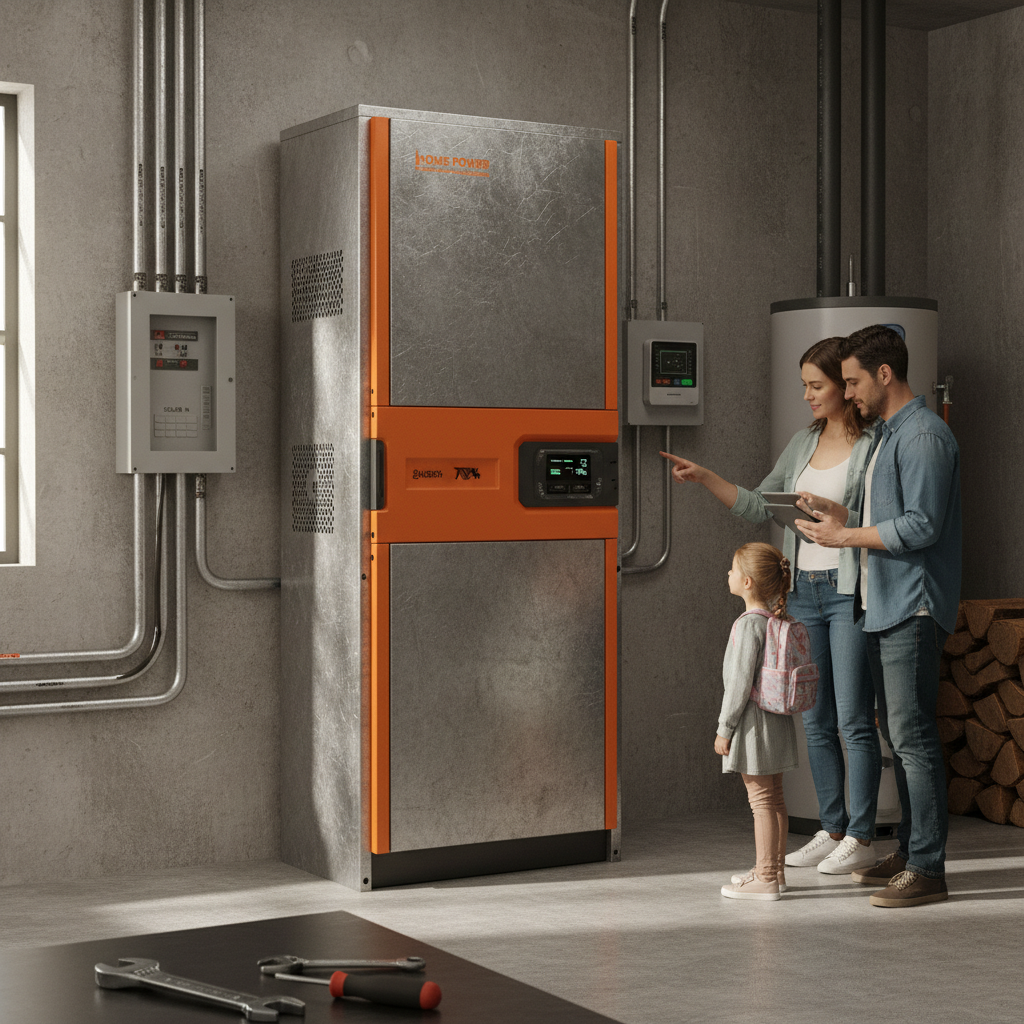
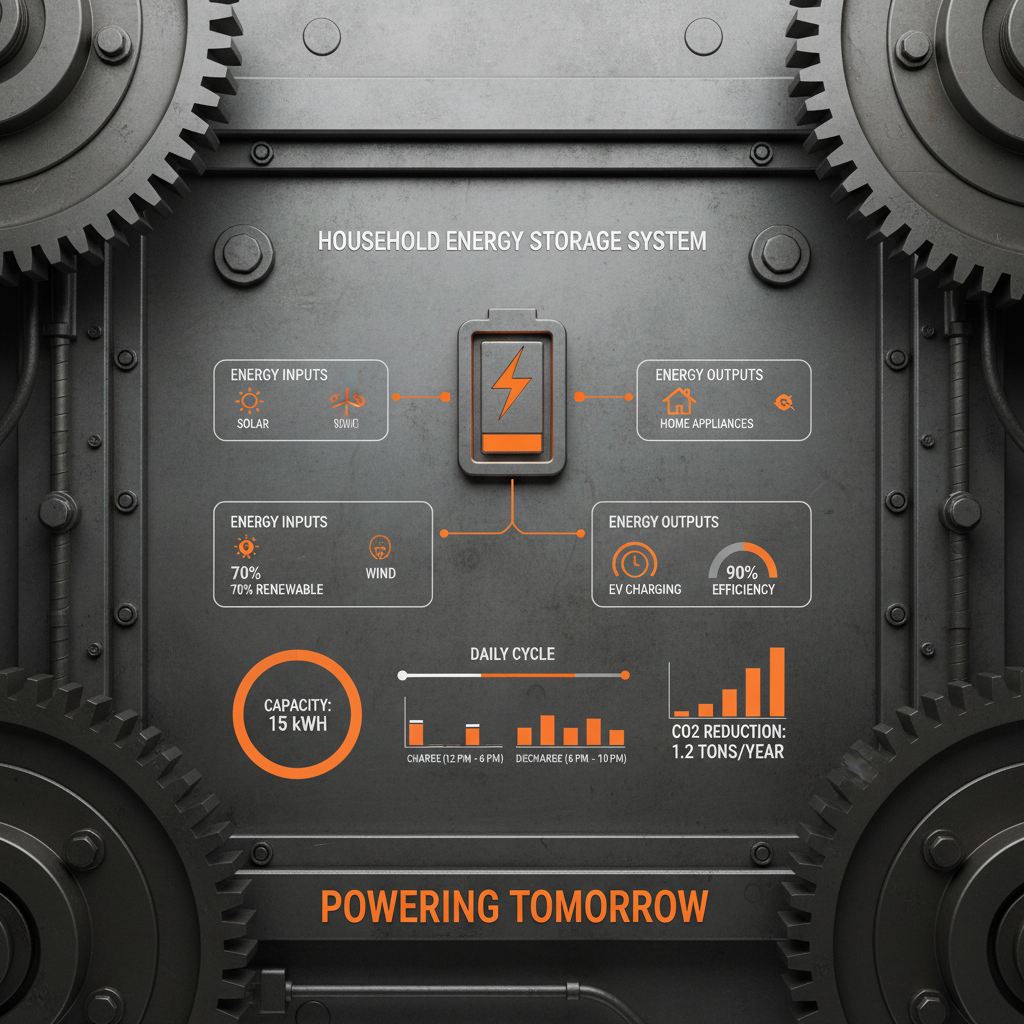
A household energy storage system, at its core, is designed to capture energy produced at one time for use at a later time. This is most commonly achieved through the use of batteries, but can also involve other technologies like thermal storage or even mechanical systems. The primary goal is to optimize energy consumption, increase self-sufficiency, and reduce dependence on external power grids.
The increasing affordability of battery technology, particularly lithium-ion batteries, has been a major driver in the growth of household energy storage. Coupled with government incentives and a growing awareness of environmental concerns, more homeowners are investing in these systems to complement their solar panel installations or simply to enhance their energy resilience.
Global Relevance and Industry Context
The need for effective energy storage solutions is a global challenge. As countries worldwide transition towards renewable energy sources, the intermittent nature of solar and wind power creates instability in the grid. Household energy storage systems play a crucial role in smoothing out these fluctuations, ensuring a reliable power supply. The UN Sustainable Development Goal 7 – Affordable and Clean Energy – is directly supported by the wider deployment of these technologies.
The industry is experiencing significant growth, with market research indicating substantial increases in demand. For example, a report by Wood Mackenzie projects the global residential energy storage market to reach 60.5 GW by 2030. This growth is fueled by declining battery prices, supportive government policies, and an increasing desire for energy independence among consumers.
However, challenges remain. The cost of batteries, although decreasing, is still a significant barrier to entry for some consumers. Grid integration issues and the need for standardized safety regulations are also key considerations that the industry must address to unlock its full potential.
Defining Household Energy Storage Systems
A household energy storage system is a configuration of devices and technologies that allow homeowners to store excess electricity generated from sources like solar panels, or drawn from the grid during off-peak hours, for later use. Essentially, it's a buffer between energy generation and energy consumption, providing greater control and flexibility.
Its connection to modern industry is multifaceted. The development of advanced battery chemistries, power electronics, and sophisticated control algorithms is driving innovation in the energy sector. Furthermore, the data generated by these systems is creating new opportunities for grid management and optimization, contributing to the development of smart grids.
From a humanitarian perspective, household energy storage is becoming increasingly important in disaster relief efforts and in providing access to electricity in remote or underserved communities. Off-grid systems, powered by renewable energy and storage, can provide a lifeline to populations without access to reliable grid infrastructure, fostering economic development and improving quality of life.
Key Factors and Core Components
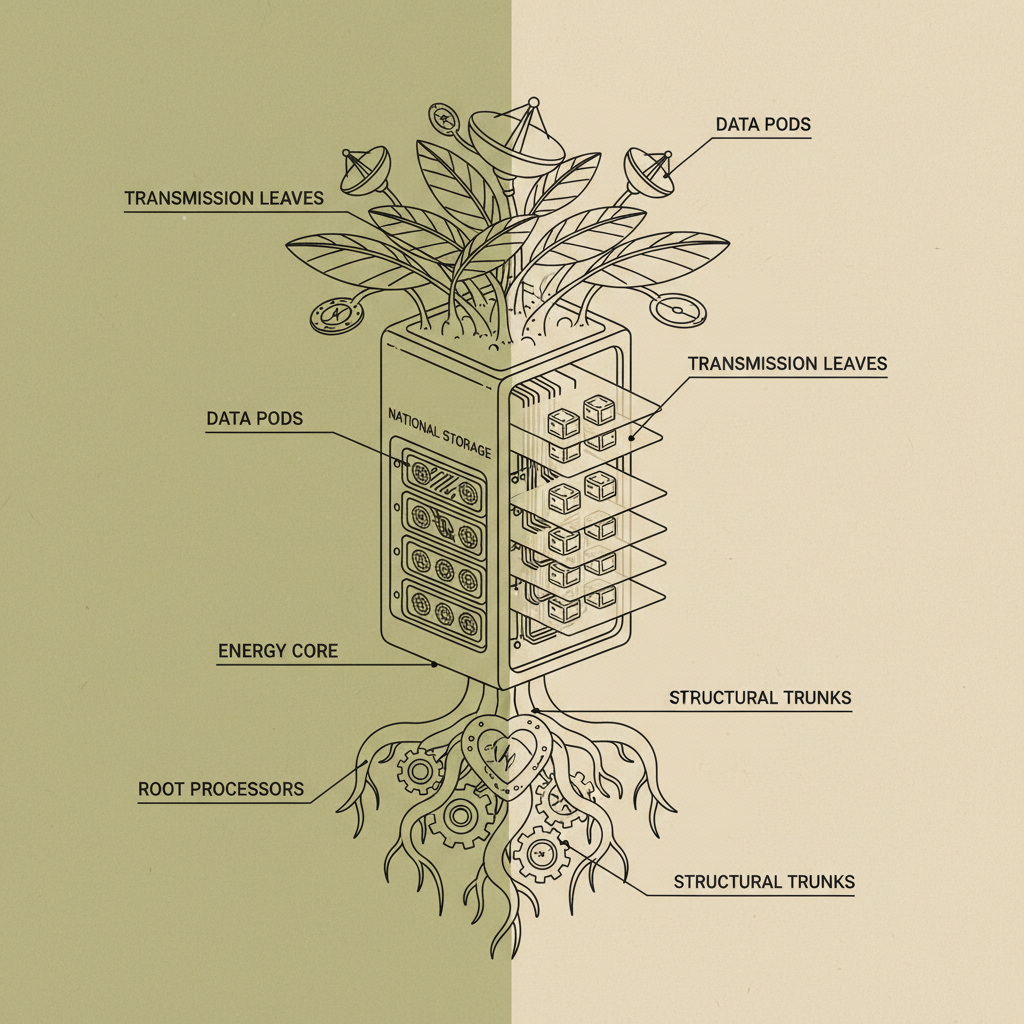
Several key factors influence the performance and suitability of a household energy storage system. Durability is paramount; the system must withstand years of daily charge-discharge cycles and varying environmental conditions. Scalability allows homeowners to adjust the system’s capacity to meet their evolving energy needs.
Cost Efficiency is a critical consideration, encompassing both the initial investment and the long-term operating costs. Safety features, such as thermal management and overcharge protection, are essential to prevent hazards. Efficiency, measured by the round-trip efficiency (the amount of energy retrieved compared to the amount stored), determines how much energy is lost during the storage process.
Household Energy Storage System Component Performance
Global Applications & Use Cases
Household energy storage is being deployed across a diverse range of applications globally. In Australia, high solar penetration and volatile grid conditions have spurred widespread adoption, particularly in residential settings. Germany has also seen significant growth, driven by government incentives and a commitment to renewable energy.
In post-disaster relief operations, household energy storage systems are providing critical power to communities affected by hurricanes, earthquakes, and other natural disasters, ensuring access to essential services like communication and healthcare. In remote industrial zones, particularly in developing countries, these systems are enabling reliable power supply for businesses and communities lacking grid access.
Advantages & Long-Term Value
The advantages of a household energy storage system are substantial. Tangible benefits include reduced electricity bills, increased self-consumption of solar power, and backup power during grid outages. Sustainability is a key factor, as these systems facilitate the integration of renewable energy and reduce reliance on fossil fuels.
Beyond the practical, these systems offer significant emotional and logical value. They provide peace of mind knowing you have a reliable power source, enhance energy independence, and contribute to a more sustainable future, fostering a sense of responsibility and innovation. The trust in a reliable energy supply is paramount for modern households.
Future Trends & Innovations
The future of household energy storage is poised for rapid innovation. Advancements in battery technology, such as solid-state batteries and flow batteries, promise higher energy density, improved safety, and longer lifespans. Integration with smart home systems and artificial intelligence will enable more sophisticated energy management.
Digital transformation is playing a critical role, with blockchain technology being explored for peer-to-peer energy trading and enhanced grid security. Automation will optimize charging and discharging cycles, maximizing efficiency and extending battery life. The continued focus on sustainability will drive the development of more environmentally friendly battery materials and manufacturing processes.
FAQS
Most modern household energy storage systems, particularly those utilizing lithium-ion batteries, are designed to last for 10-15 years, or approximately 3,000-5,000 charge/discharge cycles. However, the actual lifespan can vary depending on factors such as usage patterns, operating temperature, and the quality of the battery cells. Proper maintenance and avoiding extreme temperatures can significantly extend the system's life.
Determining the appropriate size depends on your energy consumption patterns, solar panel capacity (if applicable), and desired level of backup power. A professional energy assessment is highly recommended. They will analyze your electricity bills, assess your home’s energy needs, and recommend a system capacity that aligns with your goals and budget. Considering future energy demands is also crucial.
Many governments and utility companies offer incentives, rebates, and tax credits to encourage the adoption of renewable energy and energy storage. These programs vary significantly by location. You can find information on available incentives through websites like DSIRE (Database of State Incentives for Renewables & Efficiency) or by contacting your local utility provider. Taking advantage of these incentives can significantly reduce the upfront cost.
When your battery is fully charged and you are still generating excess solar energy, it is typically exported back to the grid through a process called net metering. This allows you to receive credits on your electricity bill for the energy you contribute to the grid. The specifics of net metering policies vary by utility and location.
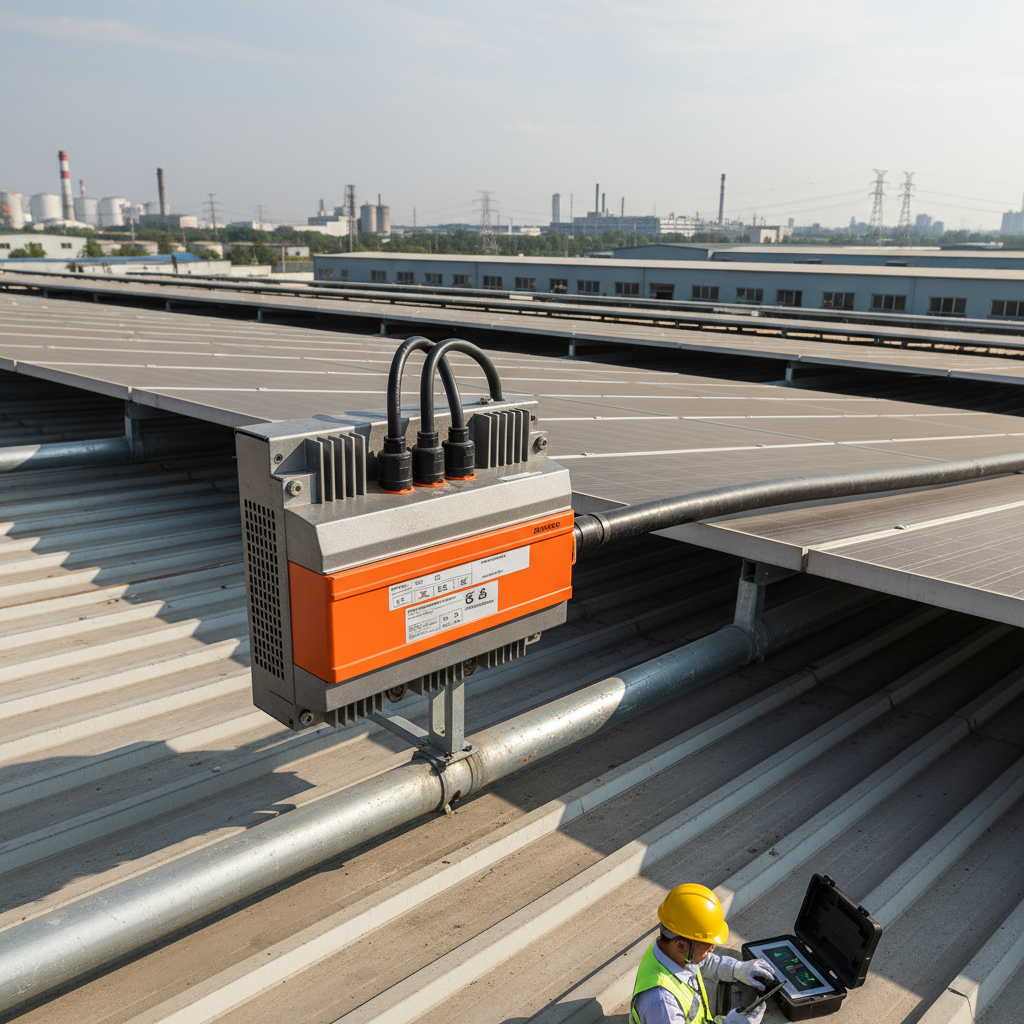
A household energy storage system typically connects to the grid through a bi-directional inverter. This allows it to both draw power from the grid when needed and export excess power back to the grid. Modern systems can also participate in grid services programs, providing frequency regulation or demand response capabilities, and further optimize the energy market.
Household energy storage systems generally require minimal maintenance. Regular monitoring of system performance is recommended. Periodically check for any visual signs of damage or corrosion. Depending on the system, some components may need replacement after several years of use, such as fans or filters. Professional inspection every few years is a good practice.
Conclusion
Household energy storage systems are no longer a futuristic concept; they are a practical and increasingly affordable solution for enhancing energy independence, reducing carbon footprints, and bolstering grid resilience. As battery technology continues to advance and costs decline, we can expect to see even wider adoption of these systems in the years to come, transforming the way we generate, store, and consume energy.
Investing in a household energy storage system isn't just about saving money on electricity bills; it’s about investing in a more sustainable and secure energy future. We encourage homeowners to explore their options and take advantage of the numerous benefits these systems offer. Visit our website today at www.acdcbess.com to learn more and discover the perfect energy storage solution for your home.