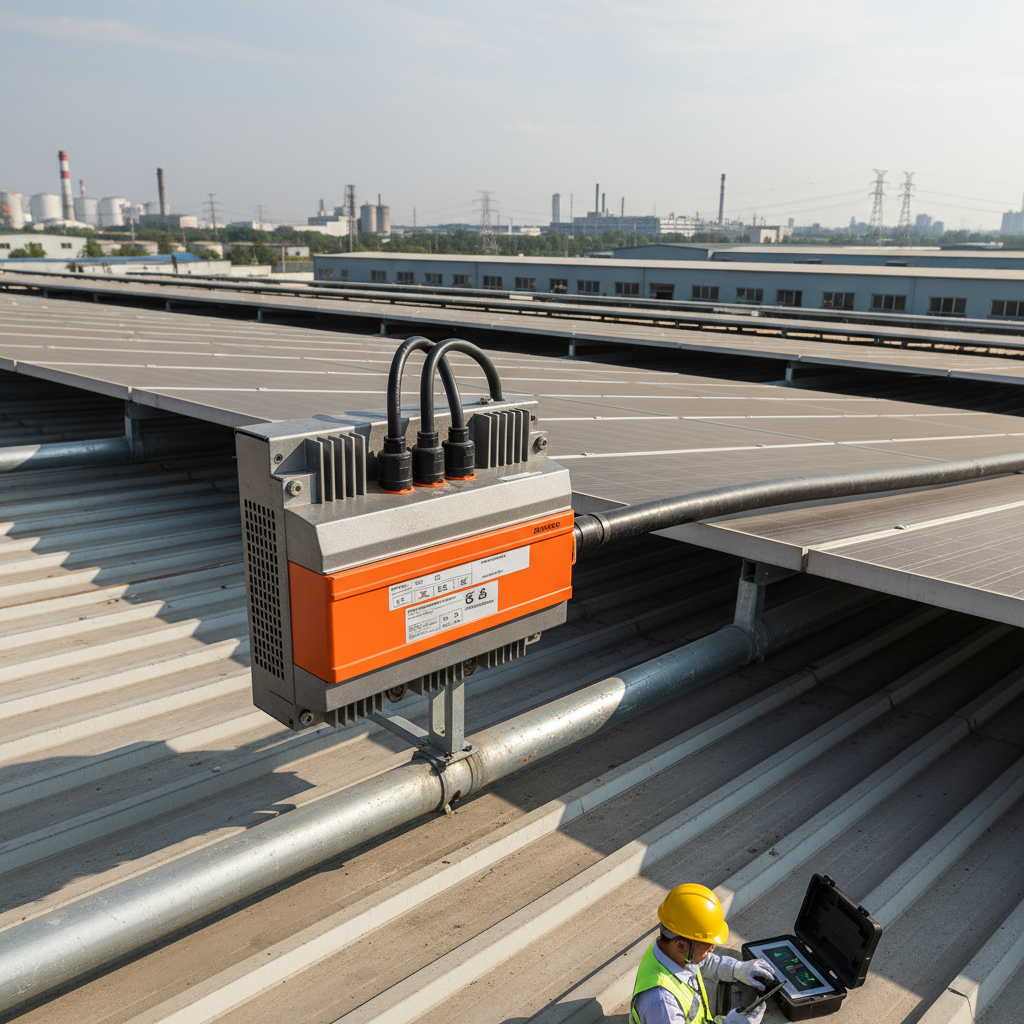
The world's energy landscape is undergoing a rapid transformation, driven by the need for sustainable, reliable, and efficient power sources. Central to this shift is the increasing adoption of energy storage solutions, and particularly, the rise of the energy storage battery cluster. These systems are no longer futuristic concepts but practical necessities, addressing challenges ranging from grid stabilization and renewable energy integration to providing power in remote locations and during emergencies. Understanding the intricacies of energy storage battery clusters is crucial for professionals in the energy sector, policymakers, and anyone interested in a sustainable future.
The escalating demand for electricity, coupled with the intermittent nature of renewable energy sources like solar and wind, creates a pressing need for robust energy storage capabilities. Traditional grid infrastructure often struggles to cope with these fluctuations, leading to inefficiencies and potential blackouts. The energy storage battery cluster offers a scalable and cost-effective solution, providing the flexibility needed to balance supply and demand, enhance grid resilience, and facilitate the transition to a cleaner energy mix.
Beyond grid-scale applications, the energy storage battery cluster is proving invaluable in diverse sectors, including transportation, telecommunications, and disaster relief. Its ability to deliver reliable power independent of traditional infrastructure makes it a critical component in building more resilient and sustainable communities worldwide. Moreover, ongoing advancements in battery technology and cluster management systems are continuously improving performance and reducing costs, making these solutions increasingly accessible and impactful.
Introduction to Energy Storage Battery Cluster
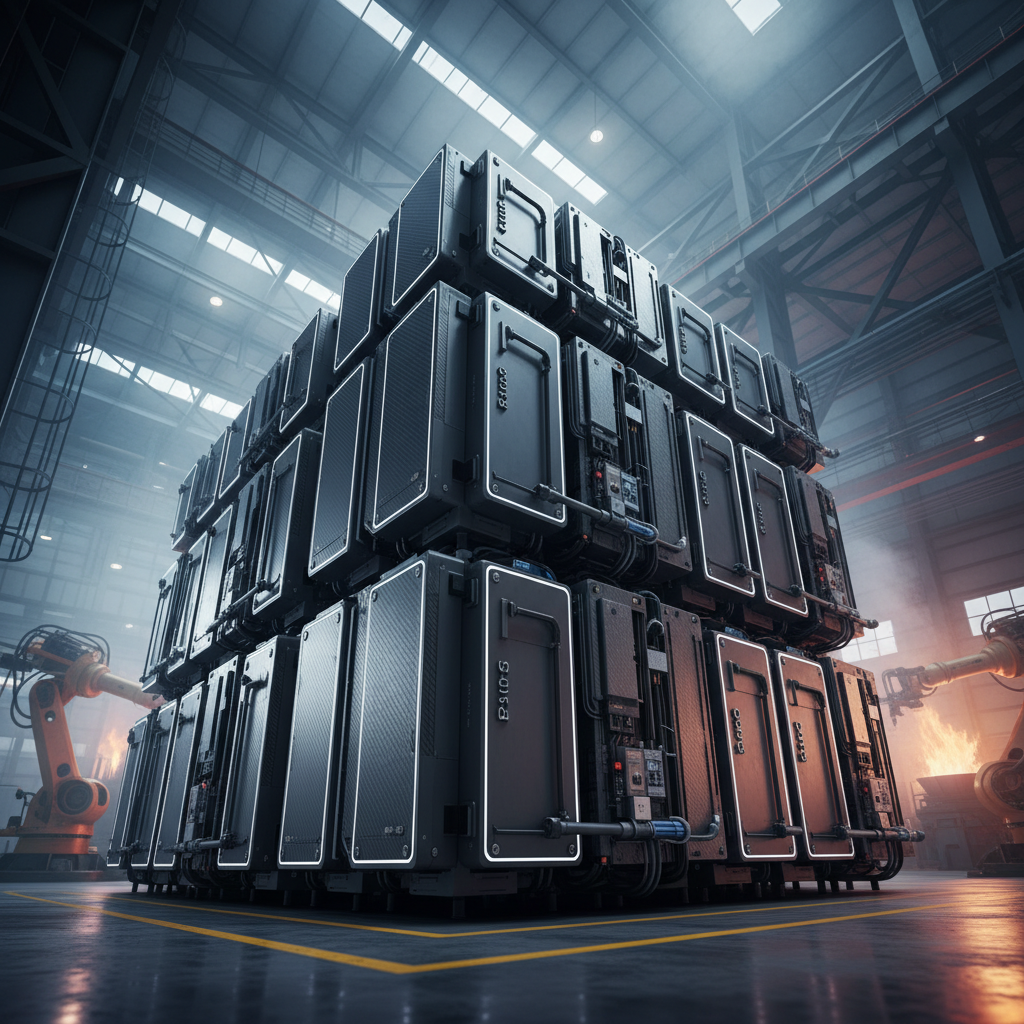
An energy storage battery cluster represents a networked collection of battery systems strategically deployed to maximize energy storage capacity, resilience, and efficiency. Unlike single, large-scale battery installations, a cluster approach allows for distributed energy storage, offering greater flexibility and adaptability to fluctuating energy demands. This distributed architecture also enhances system reliability, as the failure of one battery doesn't necessarily compromise the entire system's functionality.
The inherent modularity of the energy storage battery cluster allows for incremental expansion, making it an attractive option for projects with evolving energy needs. This scalability is a significant advantage over traditional storage solutions, offering a pathway for businesses and communities to gradually increase their storage capacity as required, minimizing upfront investment and maximizing return on investment.
Global Relevance and Industry Context
The global demand for energy storage is surging, driven by the rapid growth of renewable energy sources and the increasing need for grid modernization. According to the International Renewable Energy Agency (IRENA), global battery storage capacity is projected to increase fifteen-fold by 2030. This growth is fueled by falling battery prices, supportive government policies, and the realization that energy storage is essential for unlocking the full potential of renewable energy. The energy storage battery cluster is positioned to play a crucial role in meeting this burgeoning demand.
Industries heavily reliant on consistent power supply, such as data centers, manufacturing plants, and telecommunications networks, are increasingly turning to energy storage to ensure uninterrupted operations. Furthermore, the growing adoption of electric vehicles (EVs) is creating a significant need for charging infrastructure and grid stabilization, areas where battery clusters can provide a valuable solution.
The United Nations Sustainable Development Goal 7 (Affordable and Clean Energy) underscores the importance of expanding access to reliable and sustainable energy. Energy storage battery clusters can significantly contribute to achieving this goal by enabling the integration of renewable energy sources, enhancing grid stability, and providing power to underserved communities.
Defining the Energy Storage Battery Cluster
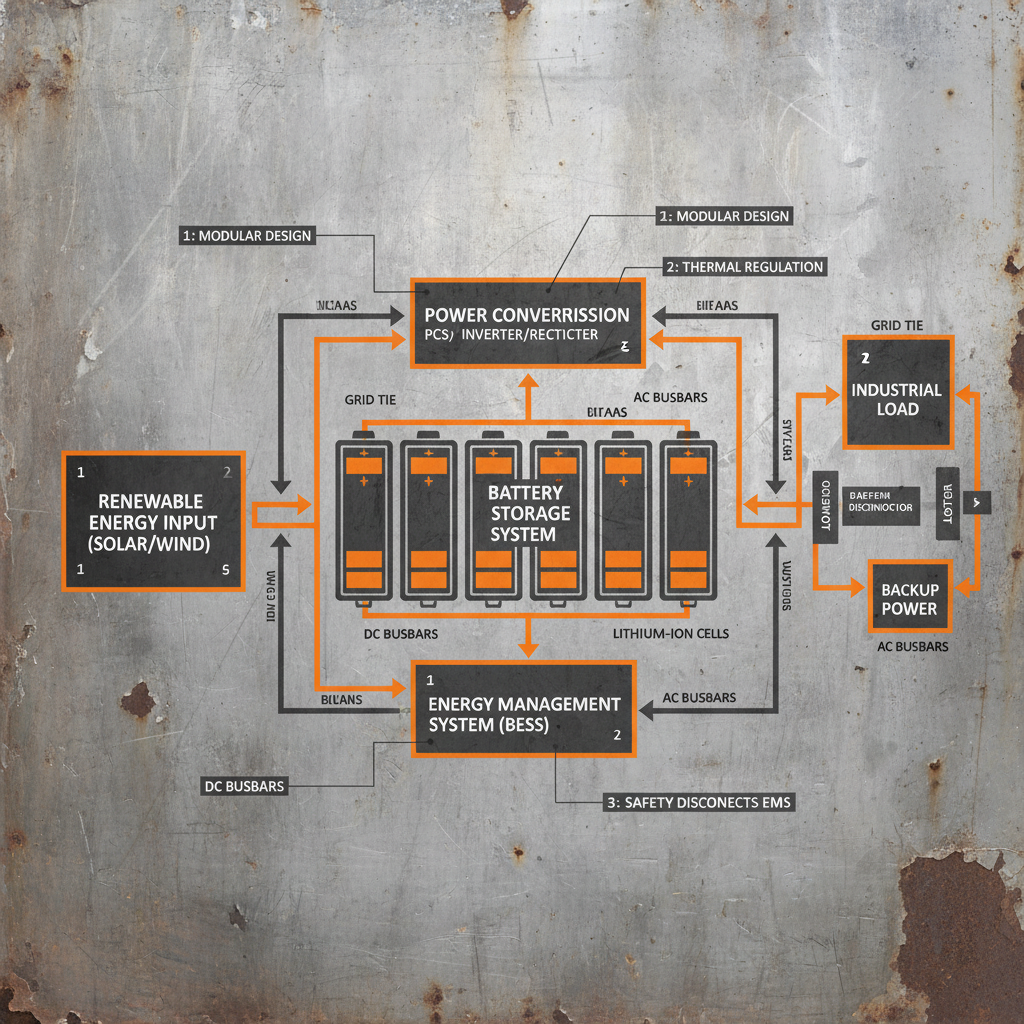
At its core, an energy storage battery cluster is a system designed to aggregate the power and capacity of multiple individual battery energy storage systems (BESS). This isn't simply a collection of batteries; it's a coordinated network managed by sophisticated software and control systems. The key distinction lies in the intelligent management of these distributed assets, allowing them to operate as a single, cohesive unit.
This interconnected approach provides several advantages over standalone BESS installations. The most prominent is enhanced resilience—if one battery unit fails, the others can continue to operate, minimizing disruptions. Furthermore, cluster management allows for optimized energy dispatch, maximizing efficiency and minimizing costs. The energy storage battery cluster effectively transforms individual batteries into a virtual power plant, capable of providing a range of grid services.
The concept is directly tied to the growing need for a more flexible and decentralized energy system. Traditional power grids are often centralized, with power flowing in one direction. Energy storage battery clusters facilitate a more dynamic and responsive grid, enabling bidirectional power flow and empowering consumers to participate in the energy market.
Key Factors of a Successful Cluster
Several critical factors contribute to the successful implementation and operation of an energy storage battery cluster. Durability is paramount; batteries must withstand demanding operating conditions and maintain performance over a long lifespan. Equally important is Scalability, allowing the cluster to expand incrementally as energy needs evolve.
Cost Efficiency is a significant driver for adoption. This encompasses not only the initial capital expenditure but also ongoing operational costs, including maintenance and replacement. Intelligent software and control systems are vital for maximizing efficiency and minimizing operational expenses.
Energy Storage Battery Cluster Performance Metrics
Real-World Applications and Use Cases
The applications of energy storage battery clusters are incredibly diverse. In remote industrial zones lacking reliable grid connections, clusters provide a cost-effective alternative to expensive and polluting diesel generators. This enables businesses to operate sustainably and efficiently, contributing to economic development in underserved areas.
Furthermore, in post-disaster relief operations, these clusters can rapidly deploy power to critical facilities like hospitals, shelters, and communication networks. Their portability and scalability make them ideal for providing emergency power in challenging environments. Across the globe, we’re seeing an increasing deployment of energy storage battery clusters to optimize microgrids.
Advantages and Long-Term Value
The benefits of adopting an energy storage battery cluster extend far beyond immediate cost savings. From a sustainability perspective, these systems enable the integration of renewable energy, reducing reliance on fossil fuels and minimizing carbon emissions. This directly contributes to mitigating climate change and building a cleaner future. The long-term economic value stems from reduced energy costs, increased grid reliability, and the creation of new business opportunities.
Beyond the tangible benefits, energy storage clusters offer a sense of security and empowerment. By providing reliable access to power, they enhance community resilience and improve quality of life. This fosters trust and innovation, paving the way for a more sustainable and equitable energy future.
Future Trends and Innovations in Clusters
The future of energy storage battery clusters is bright, with several exciting trends on the horizon. Advancements in battery technology, such as solid-state batteries and flow batteries, promise to deliver higher energy density, longer lifespans, and improved safety. Digital transformation and the increasing use of artificial intelligence (AI) will play a crucial role in optimizing cluster performance and predicting energy demand.
Moreover, the integration of blockchain technology could enhance transparency and security in energy trading within clusters, enabling peer-to-peer energy exchange and creating new revenue streams. Government policies and incentives will continue to drive adoption, fostering a supportive ecosystem for innovation and investment in this rapidly evolving field.
Automation within cluster management systems will also become increasingly prevalent, reducing operational costs and improving efficiency. This includes automated battery monitoring, predictive maintenance, and intelligent energy dispatch algorithms.
Summary of Key Challenges and Potential Solutions for Energy Storage Battery Cluster Implementation
| Challenge |
Impact on Cluster Performance |
Potential Solution |
Implementation Cost (Scale 1-10) |
| High Initial Investment |
Limits adoption, particularly in developing regions. |
Innovative financing models, government subsidies. |
7 |
| Battery Degradation |
Reduced capacity and performance over time. |
Advanced battery management systems, thermal control. |
6 |
| Cybersecurity Risks |
Vulnerability to hacking and data breaches. |
Robust cybersecurity protocols, encryption. |
8 |
| Grid Integration Challenges |
Complexity of connecting clusters to existing grids. |
Smart grid technologies, standardized interfaces. |
7 |
| Regulatory Uncertainty |
Lack of clear guidelines for cluster deployment. |
Proactive policy development, regulatory clarity. |
5 |
| Supply Chain Disruptions |
Delays in battery and component delivery. |
Diversified sourcing, regional manufacturing. |
6 |
FAQS
Energy storage battery clusters offer several key advantages. They provide enhanced resilience, as the failure of one battery doesn't compromise the entire system. Clusters also offer greater scalability, allowing for incremental expansion as needs evolve. Furthermore, distributed storage can reduce transmission losses and improve grid stability, offering a more flexible and cost-effective solution in many cases.
Renewable energy sources like solar and wind are intermittent. An energy storage battery cluster acts as a buffer, storing excess energy generated during peak production periods and releasing it when demand exceeds supply. This smoothing effect stabilizes the grid and allows for a greater proportion of renewable energy to be integrated without compromising reliability. It effectively mitigates the variability inherent in renewable generation.
Maintenance typically involves regular monitoring of battery health, thermal management systems, and software updates. Predictive maintenance, leveraging data analytics, can anticipate potential issues and minimize downtime. The level of maintenance required depends on the battery technology used and the operating environment, but generally, clusters require less frequent and less intensive maintenance than traditional power generation assets.
Robust cybersecurity is paramount. Essential measures include strong authentication protocols, encryption of data both in transit and at rest, intrusion detection systems, and regular security audits. Segmentation of the network to isolate the cluster from other systems is also critical. Staying up-to-date with the latest security patches and best practices is an ongoing requirement.
The lifespan of an energy storage battery cluster varies depending on the battery technology used, operating conditions, and depth of discharge. Lithium-ion batteries typically have a lifespan of 10-15 years, while other technologies, such as flow batteries, may offer even longer lifespans. Proper maintenance and optimized operation can significantly extend the lifespan of the cluster.
The cost of an energy storage battery cluster is becoming increasingly competitive with other storage options, such as pumped hydro storage. While the initial capital expenditure may be higher, the modularity and scalability of clusters can offer cost advantages over time. Furthermore, the declining cost of battery technology is making clusters more affordable and accessible. A thorough cost-benefit analysis is essential to determine the optimal solution for a specific application.
Conclusion
In conclusion, the energy storage battery cluster represents a transformative technology with the potential to revolutionize the energy landscape. Its ability to enhance grid resilience, integrate renewable energy sources, and provide reliable power in diverse applications makes it a crucial component of a sustainable future. From enabling remote communities to thrive to optimizing energy consumption in industrial settings, the benefits are far-reaching and impactful.
Looking ahead, continued innovation in battery technology, cluster management systems, and supportive policies will be vital for accelerating the adoption of these systems. Investing in energy storage battery clusters is not just an investment in technology; it's an investment in a cleaner, more resilient, and equitable energy future. Visit our website at www.acdcbess.com to learn more about how we can help you harness the power of energy storage.