


Sep . 15, 2025 07:40 Back to list
Advanced Energy Management System: Boost Efficiency, Cut Costs.
The Imperative of Advanced Energy Management Systems in Modern Industry
In an era defined by fluctuating energy costs, stringent environmental regulations, and the increasing integration of renewable sources, the demand for sophisticated energy solutions is paramount. A robust energy management system (EMS) is no longer a luxury but a critical component for operational efficiency, sustainability, and competitive advantage across diverse industrial sectors. These systems provide comprehensive monitoring, control, and optimization of energy consumption and production, empowering businesses to make data-driven decisions that impact their bottom line and ecological footprint.
The global shift towards decarbonization and grid modernization fuels significant advancements in EMS technology. Industry trends highlight a movement towards highly integrated, AI-driven platforms capable of predictive analytics, real-time demand response, and seamless interoperability with IoT devices and distributed energy resources. For B2B decision-makers, understanding the technical underpinnings, application versatility, and strategic advantages of these systems is crucial for navigating the complex energy landscape and ensuring long-term operational resilience.
Core Components and Technical Specifications of an Advanced EMS
A state-of-the-art energy management system fundamentally comprises a synergistic blend of hardware and software designed to acquire, analyze, and act upon energy data. The hardware layer typically includes smart meters, sensors (for temperature, humidity, light, motion, etc.), power quality analyzers, programmable logic controllers (PLCs), and communication gateways. These devices are responsible for accurate, real-time data acquisition from various points across an industrial facility or grid infrastructure. Data fidelity is paramount, often achieved through high-resolution transducers and robust data logging capabilities.
The software component is the intelligence of the system, featuring modules for data visualization, historical analysis, anomaly detection, predictive modeling, and automated control. Communication protocols such as Modbus, BACnet, IEC 61850, and MQTT ensure seamless data exchange between disparate devices and the central platform. Processing power requirements are substantial, particularly for systems managing large datasets or engaging in complex optimization algorithms for load forecasting and demand response. Cyber security is also a critical design consideration, with features like encryption, access control, and intrusion detection being standard.
Key Technical Parameters for a Typical Industrial EMS
| Parameter | Description | Typical Specification |
|---|---|---|
| Measurement Accuracy | Precision of energy data collection (e.g., current, voltage, power). | Class 0.5S or better (IEC 62053-22) |
| Communication Protocols | Supported standards for device interaction. | Modbus TCP/RTU, BACnet/IP, IEC 61850, MQTT, SNMP |
| Data Logging Interval | Frequency of data recording. | Configurable from 1 second to 15 minutes |
| Scalability | Ability to expand system capacity. | Supports 1000+ data points and multiple sites |
| Integration Capabilities | Compatibility with third-party systems. | APIs for SCADA, MES, ERP integration |
| Security Features | Measures to protect data and system integrity. | AES 256-bit encryption, Role-based access, Firewall |
| Predictive Analytics | Forecasting capabilities for energy consumption/generation. | Machine learning models for 24-hour load forecasting |
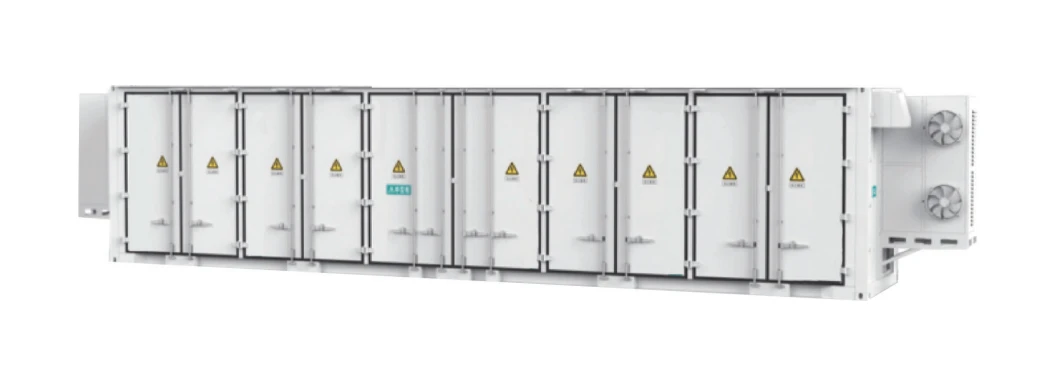
Figure 1: Illustration of an Integrated Energy Management System Dashboard.
The Manufacturing Process Flow of Energy Management System Components
The creation of a reliable energy management system involves a rigorous manufacturing process for its various hardware components, ensuring robustness, precision, and longevity. While the software development cycle follows agile methodologies, the physical components undergo stringent engineering and production phases.
Schematic Manufacturing Steps:
- 1. Design and Engineering: Initial phase involving detailed schematic design, PCB layout, enclosure design, and component selection. Focus on modularity, thermal management, and EMI/EMC compliance. Materials are selected for durability (e.g., industrial-grade polymers, aluminum alloys for enclosures) and specific electrical properties.
- 2. Material Sourcing and Preparation: Acquisition of high-grade electronic components (microcontrollers, memory, communication modules, power supplies) and raw materials for enclosures. This includes specialized metals for corrosion-resistant housings.
-
3. Component Manufacturing:
- PCB Fabrication: Multi-layer circuit boards are produced using advanced photolithography and etching techniques.
- Enclosure Production: Depending on the application, enclosures may undergo processes like die-casting (e.g., aluminum alloys for robust, sealed units), precision forging (for high-strength components), or CNC machining (for intricate parts and precise tolerances). These processes ensure high mechanical strength, corrosion resistance, and specific ingress protection (IP) ratings crucial for industrial environments.
- Sensor Assembly: Specialized manufacturing for current transformers, voltage sensors, and environmental probes, often involving delicate calibration.
- 4. Automated Assembly (SMT & THT): Surface Mount Technology (SMT) for placing tiny electronic components onto PCBs, followed by Through-Hole Technology (THT) for larger components. Robotic assembly ensures consistency and speed.
- 5. Integration and Interconnection: Assembling PCBs, power supplies, communication modules, and display interfaces into the final enclosure. Wiring harnesses are meticulously routed.
- 6. Calibration and Functional Testing: Each unit undergoes comprehensive functional testing, electrical parameter calibration, and burn-in testing to identify infant mortality failures. Testing standards often align with ISO/IEC 17025 for calibration laboratories and ANSI/UL standards for safety.
- 7. Quality Control and Certification: Final inspection, adherence to ISO 9001 quality management systems, and obtaining relevant certifications (e.g., CE, FCC, RoHS, ISO 50001 for energy management principles).
- 8. Packaging and Shipping: Secure packaging designed to protect delicate electronics during transit.
The typical service life of an industrial-grade EMS hardware component is designed to be 10-15 years, often extendable with proper maintenance. Target industries for such robust systems include petrochemical, metallurgy, mining, water supply & drainage, pharmaceuticals, and manufacturing. Advantages in these scenarios include energy saving through precise control and monitoring, enhanced system reliability, and corrosion resistance for units deployed in harsh or chemically aggressive environments, ensuring long-term performance and reduced total cost of ownership.
Application Scenarios and Technical Advantages
The versatility of a modern energy management system allows for its deployment across a multitude of B2B contexts, yielding substantial benefits. In large-scale industrial plants, an EMS is instrumental in demand-side management, orchestrating the scheduling of energy-intensive processes to avoid peak tariffs. It enables precise load balancing across different production lines, preventing overloads and optimizing energy distribution. For facilities integrating renewable energy sources such as solar arrays or wind turbines, the EMS provides critical control over energy storage and dispatch, ensuring grid stability and maximizing self-consumption.
In microgrid applications, an energy management system EMS serves as the central brain, coordinating generation, storage, and consumption to maintain independence and resilience. For the petrochemical industry, EMS can optimize the energy consumption of pumps, compressors, and heating systems, leading to significant energy savings and reduced operational expenditure. In metallurgy, it can fine-tune power usage in electric arc furnaces and rolling mills, while in water supply and drainage systems, it optimizes pump schedules based on real-time demand and energy prices, showcasing its adaptability and impact.
Key Technical Advantages:
- Cost Reduction: Through peak shaving, optimized scheduling, and identification of energy waste, an EMS can reduce energy bills by 10-30% depending on the initial inefficiencies. For instance, a major industrial client reduced electricity costs by 18% in the first year through demand forecasting and load shifting.
- Enhanced Efficiency: Real-time monitoring and control enable continuous optimization of equipment, ensuring operations at their most efficient points. This can extend equipment lifespan and reduce maintenance needs.
- Regulatory Compliance: Facilitates adherence to environmental regulations and reporting requirements (e.g., ISO 50001, carbon footprint disclosure) by providing accurate data and clear audit trails.
- Improved Reliability and Resilience: Predictive maintenance alerts, fault detection, and intelligent load shedding capabilities enhance grid stability and operational uptime, especially critical for continuous processes.
- Sustainability Goals: Directly contributes to corporate sustainability objectives by reducing energy consumption and carbon emissions, enhancing corporate social responsibility.
Vendor Comparison and Customized Solutions
The market for energy management system solutions is diverse, with various vendors offering platforms ranging from off-the-shelf packages to highly bespoke integrations. Distinguishing factors include the depth of analytics, flexibility of hardware integration, scalability for multi-site operations, and the level of post-implementation support. Key considerations for B2B buyers should encompass the vendor's domain expertise, the robustness of their cybersecurity measures, and their capacity for providing an oem energy management system tailored to specific industrial processes or existing infrastructure.
Customized solutions are particularly vital for complex industrial environments where unique processes, legacy equipment, or specific regulatory mandates require a highly adaptable EMS. An OEM approach allows for the system to be designed from the ground up or significantly modified to fit seamlessly into a client’s operational ecosystem, including integration with SCADA, MES (Manufacturing Execution Systems), and ERP (Enterprise Resource Planning) systems. This ensures maximum efficiency and minimal disruption during deployment, providing a truly optimized solution rather than a generic fit.
Vendor Comparison – Key Differentiating Factors:
| Feature Category | Standard Offering | Advanced/OEM Solution |
|---|---|---|
| Data Analytics | Basic dashboards, historical trending, manual reporting. | AI/ML-driven predictive maintenance, real-time anomaly detection, automated compliance reports. |
| Hardware Integration | Limited to common protocols, vendor-specific devices. | Universal protocol support, custom hardware interfaces, legacy system compatibility. |
| Scalability | Modular expansion within predefined limits. | Infinitely scalable cloud-native architecture, multi-tenant and multi-site management. |
| Control Capabilities | Manual overrides, scheduled controls. | Autonomous, adaptive control, real-time demand response, microgrid orchestration. |
| Support & Training | Standard customer service, online documentation. | Dedicated account manager, on-site training, continuous optimization consulting. |
Real-World Application Case Studies
Case Study 1: Large-Scale Automotive Manufacturing Plant
A leading automotive manufacturer faced escalating energy costs and challenges in meeting corporate sustainability targets. The implementation of an advanced energy management system provided comprehensive oversight of power consumption across stamping, welding, paint, and assembly shops. By integrating with existing PLCs and SCADA systems, the EMS identified significant energy waste during non-production hours and optimized the sequencing of high-power machinery. This resulted in a measured 22% reduction in electricity consumption during off-peak hours and a 15% overall reduction in energy costs within 18 months. The system's predictive analytics also enabled proactive maintenance on energy-intensive equipment, preventing unplanned downtime. Customer feedback emphasized the "unprecedented clarity into energy flows" and the "empowering data for immediate operational adjustments."
Case Study 2: Municipal Water Treatment Facility
A municipal water treatment facility struggled with high energy consumption from its pumping stations, critical for maintaining consistent water pressure and quality. An OEM energy management system was custom-designed to interface with variable frequency drives (VFDs) and real-time water demand sensors. The system's algorithms optimized pump operation schedules, leveraging off-peak electricity tariffs and minimizing energy usage during peak demand. Furthermore, the EMS integrated weather forecasts to anticipate demand fluctuations. The facility achieved a 17% reduction in energy expenditure associated with pumping, translating to substantial savings for taxpayers and a lower carbon footprint. This success underscored the importance of tailored solutions that address the specific operational dynamics of critical infrastructure.
Ensuring Trustworthiness: FAQ, Lead Time, Warranty, and Support
Frequently Asked Questions (FAQ)
-
Q: How long does it take to implement an EMS?
A: Implementation timelines vary based on system complexity and existing infrastructure. Basic systems can be operational within 3-6 months, while highly customized, large-scale deployments may require 9-18 months, including design, installation, and optimization phases.
-
Q: What is the typical ROI for an EMS?
A: Most industrial EMS projects demonstrate an ROI between 1-3 years, driven primarily by energy cost reductions, reduced maintenance, and improved operational efficiency. Specific figures depend on initial energy expenditure and system optimization potential.
-
Q: Is an EMS compatible with renewable energy sources?
A: Absolutely. Modern EMS are designed to integrate seamlessly with various renewable energy sources (solar, wind) and energy storage systems (like centralized energy storage systems), optimizing their dispatch and maximizing self-consumption or grid services.
-
Q: What cybersecurity measures are in place for the EMS?
A: Our systems incorporate multi-layered security protocols, including AES 256-bit data encryption, robust access controls, continuous threat monitoring, and adherence to industry best practices (e.g., NIST cybersecurity framework) to protect against cyber threats.
Lead Time and Fulfillment
Our standard lead time for the deployment of a typical industrial energy management system hardware is approximately 8-12 weeks from order confirmation, depending on component availability and customization requirements. Software deployment and configuration typically follow, with a typical overall project fulfillment cycle ranging from 6 to 18 months, encompassing site assessment, system design, hardware installation, software integration, testing, and commissioning. We prioritize transparent communication regarding project milestones and potential adjustments.
Warranty Commitments
We provide a comprehensive standard warranty of 2 years on all EMS hardware components, covering defects in materials and workmanship. Extended warranty options and service level agreements (SLAs) are available to ensure continuous peace of mind and operational uptime. Software licensing includes ongoing updates and patches for the duration of the service contract.
Customer Support Information
Our dedicated technical support team is available 24/7 for critical issues, providing remote diagnostics and troubleshooting. We offer various support tiers, including on-site assistance, regular system health checks, performance optimization reviews, and comprehensive training programs for client personnel to maximize system utilization and benefits.
Authoritative References and Certifications
Our commitment to quality and excellence is underpinned by adherence to international standards and robust industry certifications. Our products and processes are developed in compliance with ISO 9001 (Quality Management System) and ISO 14001 (Environmental Management System). Furthermore, our energy management solutions are designed to support and facilitate client certification to ISO 50001 (Energy Management Systems), demonstrating a systematic approach to continuous energy performance improvement. Key components within our EMS solutions carry CE, FCC, and RoHS certifications, confirming their compliance with health, safety, and environmental protection standards for products sold within the European Economic Area, United States, and for hazardous substances restrictions, respectively. We proudly partner with leading industrial automation and control technology providers, ensuring seamless integration and state-of-the-art capabilities. Our extensive experience, spanning over 15 years in delivering high-performance industrial solutions, further solidifies our position as a trusted partner in energy optimization.
Conclusion
In conclusion, the strategic implementation of an advanced energy management system is indispensable for modern B2B operations striving for energy efficiency, cost control, and environmental stewardship. From its intricate manufacturing process ensuring robust hardware to its sophisticated software enabling intelligent control and analytics, an EMS offers a transformative approach to energy consumption. By providing actionable insights and automated optimization across diverse industrial applications, these systems not only deliver significant financial returns but also foster greater operational resilience and support global sustainability initiatives. Investing in a tailored EMS is a strategic move towards a more efficient, reliable, and future-proof enterprise.
References
- International Organization for Standardization. ISO 50001:2018, Energy management systems — Requirements with guidance for use.
- U.S. Department of Energy. Energy Management Systems. Available from: https://www.energy.gov/eere/amo/energy-management-systems
- National Institute of Standards and Technology. Guide to Industrial Control Systems (ICS) Security (NIST SP 800-82 Rev. 2).
- European Committee for Standardization. EN 50001:2018, Energy management systems — Requirements with guidance for use.
- Institute of Electrical and Electronics Engineers. IEEE Std 2030.5-2018, IEEE Standard for Smart Energy Profile Application Protocol.
-
Cedar Point EV Charging Solutions for Sustainable Tourism Experience
NewsApr.16,2026
-
Guide to Cedar Point Charging Stations for EV Park Visitors
NewsApr.16,2026
-
Acorn Stairlift Charging Point Guide for Home Mobility Optimization
NewsApr.16,2026
-
Integrating a Wireless Charging Point into Modern Infrastructure
NewsApr.16,2026
-
How to Optimize Your iPhone 14 Charging Point for Efficiency
NewsApr.16,2026
-
Analyzing the Charging Point Share Price Trends and Market Outlook
NewsApr.09,2026