


Sep . 02, 2025 01:00 Back to list
Advanced Energy Management System: Monitor, Control, Save
Industry Trends in Advanced Energy Management
The global industrial landscape is undergoing a profound transformation, driven by imperatives for sustainability, operational efficiency, and cost reduction. Central to this evolution is the increasing adoption of sophisticated energy management system (EMS). Current trends highlight a shift towards highly integrated, AI-driven, and cloud-based platforms that offer real-time monitoring and predictive analytics.
Key drivers include stringent environmental regulations, volatile energy prices, and the rapid proliferation of IoT devices. Businesses are no longer merely seeking to reduce energy consumption but aim for holistic energy optimization, encompassing supply-side management, demand-side response, integration with renewable energy sources, and enhanced grid stability. The convergence of IT and operational technology (OT) is enabling more granular control and data-driven decision-making, moving beyond traditional SCADA systems to intelligent, self-optimizing energy control systems. Furthermore, the push for Net-Zero emissions mandates the deployment of advanced energy monitoring and management system solutions across all sectors, from manufacturing to critical infrastructure like data centers, where energy efficiency directly impacts operational expenditure and carbon footprint.
This paradigm shift necessitates solutions that are not only technically robust but also scalable, adaptable, and capable of seamless integration with existing enterprise systems, paving the way for smarter, more resilient energy infrastructures.
Technical Specifications and Core Components of a Modern Energy Management System
A robust energy management system (EMS) is an intricate network of hardware and software designed to monitor, control, and optimize energy usage within an organization. At its core, an EMS comprises several integrated components, each playing a critical role in data acquisition, processing, and actionable insights.
Key Components:
- Intelligent Meters & Sensors: Devices such as smart power meters, current transformers (CTs), potential transformers (PTs), temperature sensors, and occupancy sensors collect granular data on energy consumption, environmental conditions, and operational parameters. They typically support communication protocols like Modbus RTU/TCP, BACnet, or LonWorks.
- Data Acquisition & Communication Gateways: These units aggregate data from various meters and sensors, converting different protocols into a standardized format for transmission. They often utilize Ethernet, Wi-Fi, 4G/5G, or LoRaWAN for data uplink to central servers or cloud platforms.
- Central Processing Unit & Database: High-performance servers, often virtualized or cloud-based, store and process vast amounts of real-time and historical energy data. Secure, scalable databases ensure data integrity and accessibility for analysis.
- Software Platform (UI/Analytics Engine): The user interface provides dashboards, visualizations, and reporting tools. The analytics engine leverages algorithms, including AI/ML, for pattern recognition, anomaly detection, forecasting, and optimization recommendations. Functions include load shedding, demand response, power factor correction, and peak demand management.
- Actuators & Control Modules: Integrated with the software platform, these devices can autonomously or semi-autonomously control energy-consuming assets such as HVAC systems, lighting, machinery, and power distribution units based on predefined rules or optimization algorithms.
Typical System Parameters:
| Parameter | Description | Typical Specification |
|---|---|---|
| Data Sampling Rate | Frequency of data collection from sensors/meters. | 1-second to 15-minute intervals (configurable) |
| Communication Protocols | Supported industrial communication standards. | Modbus RTU/TCP, BACnet IP/MSTP, OPC UA, SNMP, MQTT |
| Data Storage Capacity | Volume of historical data that can be retained. | 5+ years of granular data (cloud-based systems) |
| Scalability | Ability to expand monitoring points and facilities. | From single facility to multi-site enterprise (thousands of points) |
| Security Protocols | Measures to protect data integrity and privacy. | TLS/SSL encryption, role-based access, regular security audits |
| Integration Capabilities | Ease of interfacing with third-party systems. | APIs for BMS, SCADA, ERP, CMMS, renewable energy systems |
These specifications underline the complexity and capability of modern energy control systems, ensuring they can meet the rigorous demands of diverse industrial and commercial environments.
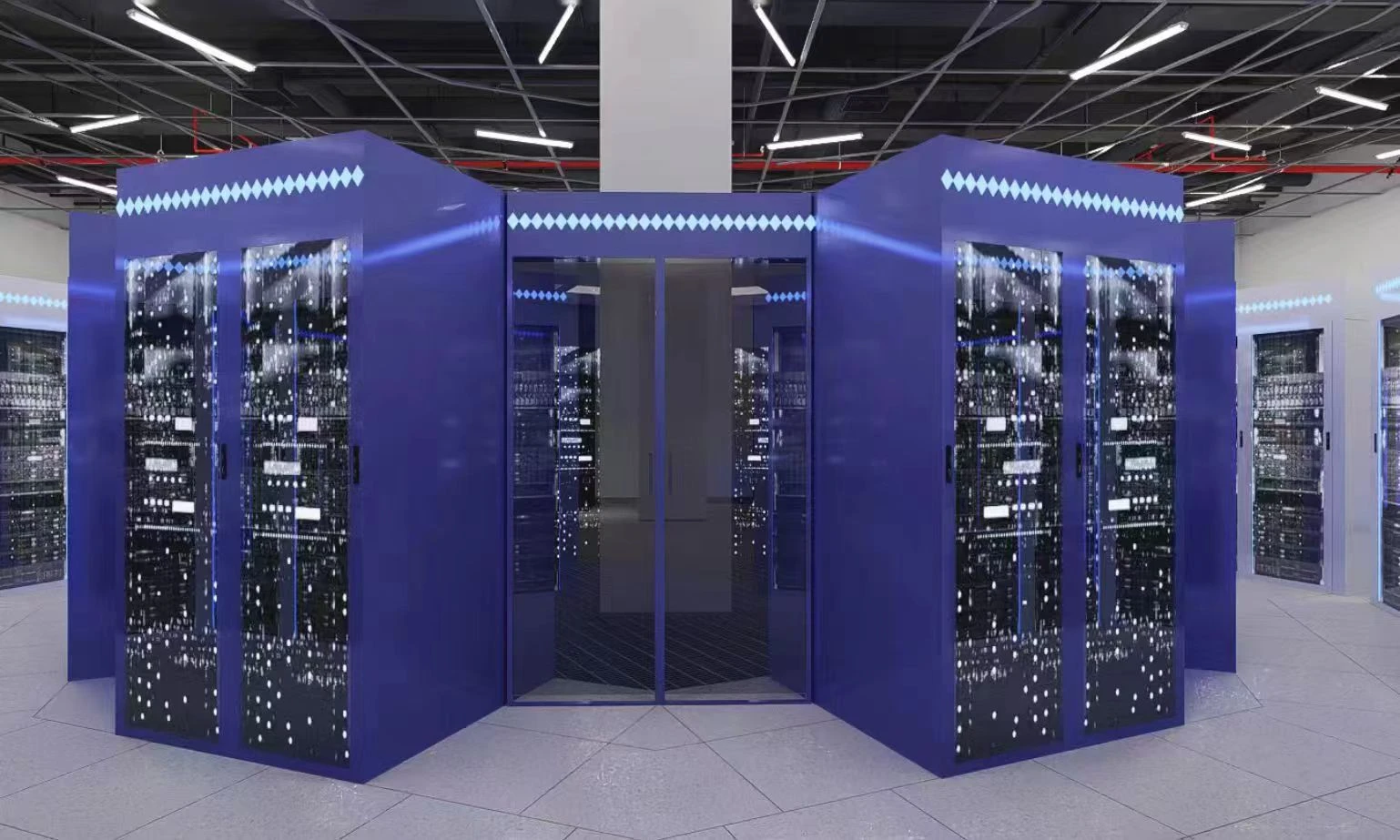
Application Scenarios Across Key Industries
The versatility of an energy management system allows for its deployment across a broad spectrum of industries, delivering significant benefits tailored to specific operational requirements. Its adaptability makes it indispensable for sectors aiming to enhance efficiency and sustainability.
Target Industries and Advantages:
- Petrochemical Industry: In facilities with continuous operations and high energy consumption from processes like distillation, cracking, and pumping, an EMS can optimize motor and pump scheduling, monitor large-scale utility consumption, and detect leaks or inefficiencies. Advantages include significant energy savings (up to 15% through optimized motor control), improved process stability, and enhanced safety by monitoring power quality.
- Metallurgy: Energy-intensive processes such as smelting, casting, and rolling benefit immensely from precise energy monitoring and control. An EMS helps manage peak demand charges, optimize furnace operations, and track specific energy consumption per ton of product. This leads to considerable cost reductions and a lower carbon footprint.
- Water Supply & Drainage: Pumping stations are major energy consumers. An EMS can optimize pump sequencing based on demand, pressure, and time-of-use tariffs, reducing energy costs. It also assists in identifying pipe blockages or pump inefficiencies, enhancing system reliability. The ability to monitor power quality protects sensitive equipment from voltage fluctuations, extending service life and reducing maintenance.
- Data Centers: As energy consumption in data centers skyrockets, an EMS is crucial for managing power usage effectiveness (PUE). It monitors IT and non-IT loads, optimizes cooling systems, and ensures uninterruptible power supply (UPS) efficiency. Benefits include substantial energy savings (reducing PUE by 0.1-0.2 points can save millions annually) and enhanced operational resilience. In environments like a micro module computer room, the EMS ensures the compact infrastructure operates at peak efficiency with minimal waste.
- Manufacturing: From automotive to food processing, EMS aids in identifying energy waste in machinery, optimizing production line schedules, and managing HVAC systems across large factory floors. Predictive maintenance insights for energy-intensive assets are also key.
- Commercial Buildings & Hospitality: For large office complexes, hotels, and retail centers, an EMS integrates with Building Management Systems (BMS) to optimize lighting, HVAC, and elevator systems based on occupancy, weather, and schedule. This significantly reduces operational costs and improves occupant comfort.
In each of these scenarios, the energy monitoring and management system provides not just data, but actionable intelligence to drive efficiency, ensure compliance, and achieve sustainability goals, often demonstrating tangible advantages like energy savings of 5-20% and enhanced equipment longevity through better power quality management and corrosion resistance in harsh industrial settings for monitoring equipment.
Technical Advantages and ROI of Advanced EMS
Deploying a sophisticated energy management system brings forth a myriad of technical advantages that directly translate into significant Return on Investment (ROI) for B2B enterprises. These systems go beyond simple monitoring, offering proactive control and optimization capabilities.
Core Technical Advantages:
- Real-time Granular Data Acquisition: With high-frequency sampling (e.g., sub-second intervals), an EMS captures energy data at the circuit or asset level, providing unprecedented visibility into consumption patterns and operational inefficiencies.
- AI/ML-Driven Analytics: Advanced algorithms analyze historical data to predict future consumption, identify anomalies, and recommend optimal control strategies for peak shaving, load balancing, and demand response. This transforms raw data into actionable intelligence.
- Automated Control and Optimization: Beyond recommendations, modern energy control systems can directly interface with building automation systems (BAS) and industrial control systems (ICS) to execute automated adjustments to HVAC, lighting, and machinery, ensuring continuous optimization.
- Improved Power Quality: Monitoring harmonic distortion, voltage sags/swells, and power factor enables proactive measures to ensure stable power delivery, protecting sensitive equipment, reducing maintenance costs, and extending asset life.
- Enhanced Regulatory Compliance & Reporting: Automated data collection and reporting simplify compliance with energy efficiency standards (e.g., ISO 50001) and carbon emission regulations, reducing audit burdens and potential penalties.
- Integration with Renewable Energy: Seamless integration with solar, wind, or battery storage systems optimizes the use of self-generated clean energy, reducing reliance on grid power and lowering operational expenses.
- Cybersecurity & Reliability: Enterprise-grade EMS platforms incorporate robust security protocols (e.g., end-to-end encryption, multi-factor authentication) to protect critical energy infrastructure from cyber threats, ensuring system reliability and data integrity.
Tangible ROI:
The tangible benefits of an EMS typically include:
- Energy Cost Reduction: Average savings range from 10% to 30% through optimized usage, peak demand reduction, and improved power factor.
- Operational Efficiency Gains: Streamlined energy management frees up operational staff, allowing them to focus on core business activities.
- Reduced Maintenance & Downtime: Proactive identification of equipment issues via energy signatures leads to predictive maintenance, preventing costly failures.
- Lower Carbon Footprint: Direct correlation between energy efficiency and reduced greenhouse gas emissions, supporting corporate sustainability goals.
- Improved Asset Life: Stable power quality and optimized operation reduce wear and tear on electrical and mechanical assets.
These advantages demonstrate that a modern energy monitoring and management system is not merely an expense but a strategic investment yielding substantial, measurable returns in the short to long term.
Vendor Comparison for Energy Management Systems
Selecting the right energy management system vendor is a critical decision for any enterprise. While many providers offer compelling solutions, their strengths often lie in different areas. A comprehensive comparison involves evaluating several key criteria that impact system performance, integration, and long-term value.
Key Comparison Factors:
- Scalability: Can the system grow from a single facility to a multi-site enterprise without significant architectural overhauls?
- Integration Capabilities: How easily does it integrate with existing IT/OT infrastructure (BMS, SCADA, ERP, CMMS, cloud platforms)? Open APIs and support for standard protocols are crucial.
- Analytical Depth: What level of AI/ML-driven insights, predictive analytics, and anomaly detection does the platform offer? Is it merely reporting or truly optimizing?
- User Interface (UI) & Experience (UX): Is the dashboard intuitive, customizable, and accessible on various devices?
- Security Features: Robust cybersecurity measures are paramount for protecting sensitive operational data.
- Support & Service: What level of technical support, training, and ongoing maintenance is provided?
- Cost-Effectiveness: Beyond initial CAPEX, consider OPEX, licensing models, and potential ROI.
- Industry Specialization: Does the vendor have specific expertise or proven solutions in your target industry (e.g., data centers, heavy industry)?
| Feature/Vendor | Vendor A (Specialized Industrial EMS) | Vendor B (General Purpose Cloud EMS) | Vendor C (Integrated BMS/EMS) |
|---|---|---|---|
| Scalability | High, suited for multi-site heavy industry | Very High, native cloud architecture | Moderate-High, often building-centric |
| Integration | Excellent with Modbus, OPC UA, legacy ICS | Strong API for modern systems, less for legacy OT | Seamless with own BMS, good with BACnet |
| Analytics | Advanced anomaly detection, process optimization | Strong predictive modeling, demand forecasting | Basic energy reporting, trend analysis |
| UI/UX | Functional, data-rich, somewhat complex | Modern, intuitive, mobile-friendly dashboards | Standard, often legacy interface |
| Cost Model | Per-point/per-site licensing, higher initial CAPEX | SaaS subscription, flexible OPEX | Part of larger BMS package, can be bundled |
This comparison highlights the importance of aligning vendor capabilities with specific business needs and existing infrastructure when investing in an energy control system.
Customized Solutions for Unique Energy Footprints
Off-the-shelf solutions rarely meet the intricate and highly specific energy requirements of diverse B2B operations. This is where customized energy management system deployments become essential. A tailored approach ensures maximum efficiency, seamless integration, and optimal ROI by aligning the EMS precisely with an organization's unique operational profile, existing infrastructure, and strategic objectives.
Elements of Customization:
- Hardware Selection: Tailoring the choice of meters, sensors, and communication devices to match the specific types of energy consumption (electricity, gas, water, steam), environmental conditions (e.g., high temperature, corrosive atmosphere requiring specialized materials), and existing network infrastructure.
- Software Configuration: Customizing dashboards, reports, and alerts to display the most relevant KPIs for specific stakeholders (e.g., facility managers, finance, environmental officers). Developing bespoke algorithms for industry-specific optimization (e.g., batch process optimization in manufacturing, PUE optimization in data centers).
- Integration with Legacy Systems: Developing custom connectors or middleware to ensure the EMS communicates effectively with older SCADA systems, PLCs, or proprietary BMS platforms that may not support modern protocols out-of-the-box.
- Regulatory & Compliance Customization: Configuring the system to generate reports compliant with specific local, national, or industry-specific energy regulations (e.g., ISO 50001, local emissions standards).
- Scalability Planning: Designing the architecture from the outset to accommodate future expansion, whether adding new facilities, integrating more renewable energy sources, or expanding the scope of monitored assets.
- Corrosion Resistance for Critical Environments: For sectors like petrochemical or water treatment, ensuring that all deployed hardware, particularly sensors and data acquisition units, are housed in industrial-grade enclosures with specified IP ratings and material compositions resistant to corrosive chemicals, humidity, or extreme temperatures.
A bespoke approach to an energy monitoring and management system ensures that the solution is not just effective but perfectly aligned with business goals, addressing unique challenges such as specialized machinery, complex operational workflows, or harsh environmental conditions, ultimately maximizing the value derived from the investment.
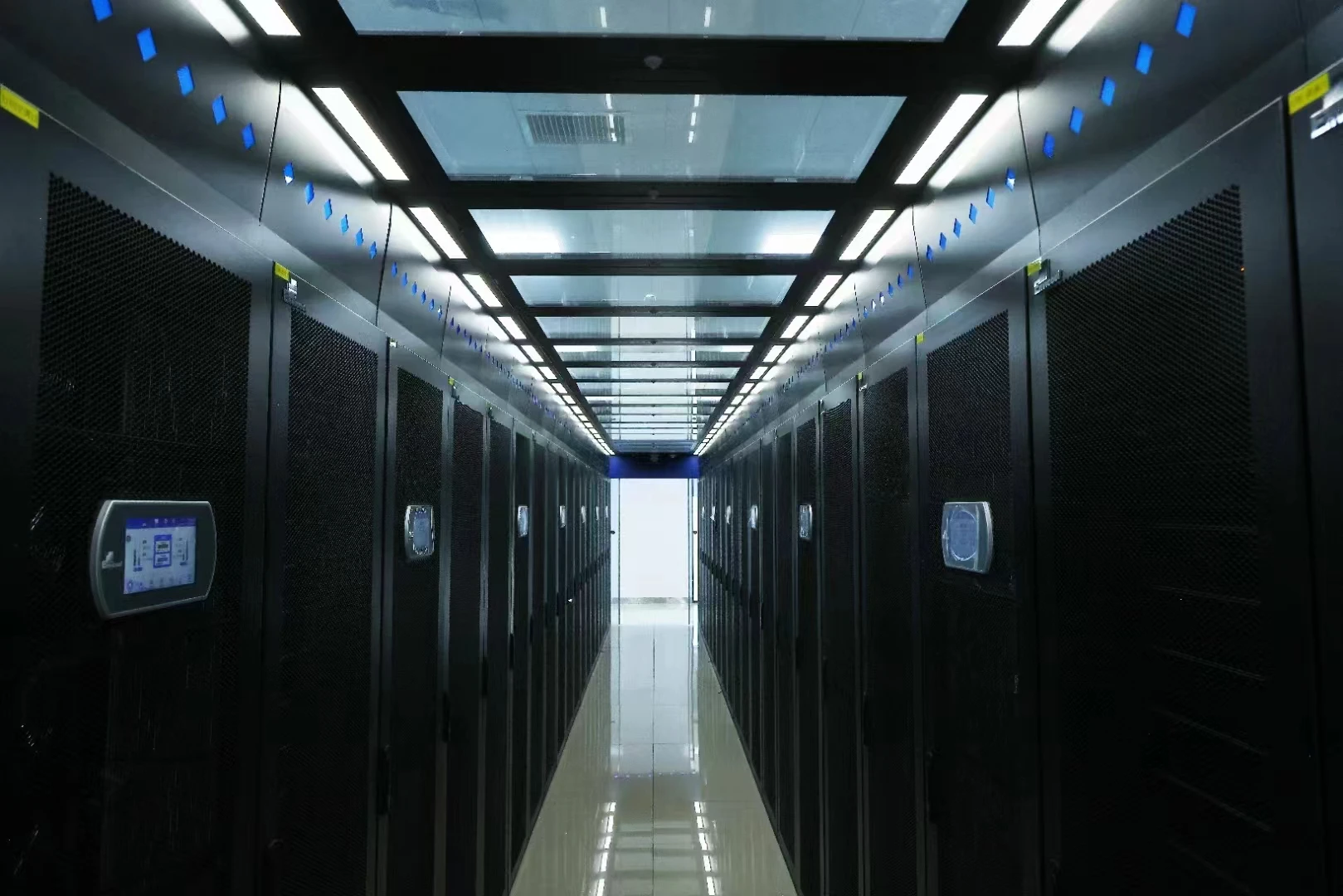
Application Case Studies: Proving EMS Value
Real-world application case studies vividly demonstrate the transformative power of a well-implemented energy management system. These examples showcase tangible benefits, from significant cost reductions to enhanced operational resilience.
Case Study 1: Large-Scale Petrochemical Complex
- Challenge: A major petrochemical facility faced escalating energy costs, high peak demand charges, and limited visibility into energy consumption of individual process units (e.g., distillation columns, compressors). Corrosive environments also posed a challenge for sensor longevity.
- Solution: Implemented a comprehensive energy control system across 15 production units. The system included industrial-grade energy meters with Modbus TCP communication, specialized corrosion-resistant sensors for environmental monitoring, and a central platform with AI-driven analytics. Custom algorithms were developed for demand-side management and optimal scheduling of high-load equipment.
- Results: Achieved a 17% reduction in annual energy expenditure, primarily due to peak demand shaving and optimized compressor operations. The real-time monitoring identified a critical motor operating inefficiently, leading to early maintenance and preventing a costly shutdown. The corrosion-resistant components exhibited a service life exceeding typical industry standards by 30%, ensuring sustained data integrity. The system received ISO 50001 certification within 18 months of deployment.
Case Study 2: Regional Water Treatment Plant
- Challenge: A water treatment plant with multiple pumping stations experienced high electricity bills due to inefficient pump scheduling and lack of insight into power quality issues affecting motor health.
- Solution: Deployed an energy monitoring and management system focusing on pump optimization and power quality. Smart meters were installed at each pump, and the EMS integrated with the plant's SCADA system. The system leveraged real-time water demand data and electricity tariffs to autonomously adjust pump speeds and operational schedules.
- Results: Achieved 12% energy savings within the first year by optimizing pump runtimes during off-peak hours and reducing unnecessary operations. The EMS also detected recurring voltage sags, prompting infrastructure upgrades that extended the lifespan of several large pump motors by an estimated 2-3 years, minimizing capital expenditure on replacements.
Case Study 3: Enterprise Data Center
- Challenge: A growing enterprise data center, including several micro module computer rooms, struggled to maintain optimal Power Usage Effectiveness (PUE) below 1.5, leading to high operational costs and a large carbon footprint.
- Solution: Implemented a highly granular EMS focused on critical IT and cooling infrastructure. The system monitored power at the rack level, integrated with CRAC units, and utilized machine learning to optimize cooling set points based on IT load and external weather conditions. It also provided real-time PUE calculations.
- Results: Reduced the data center's average PUE from 1.55 to 1.38 within 9 months, translating to over $1.2 million in annual energy savings. The EMS identified and corrected instances of "hot spots" and overcooling, improving the thermal environment for servers and extending hardware life.
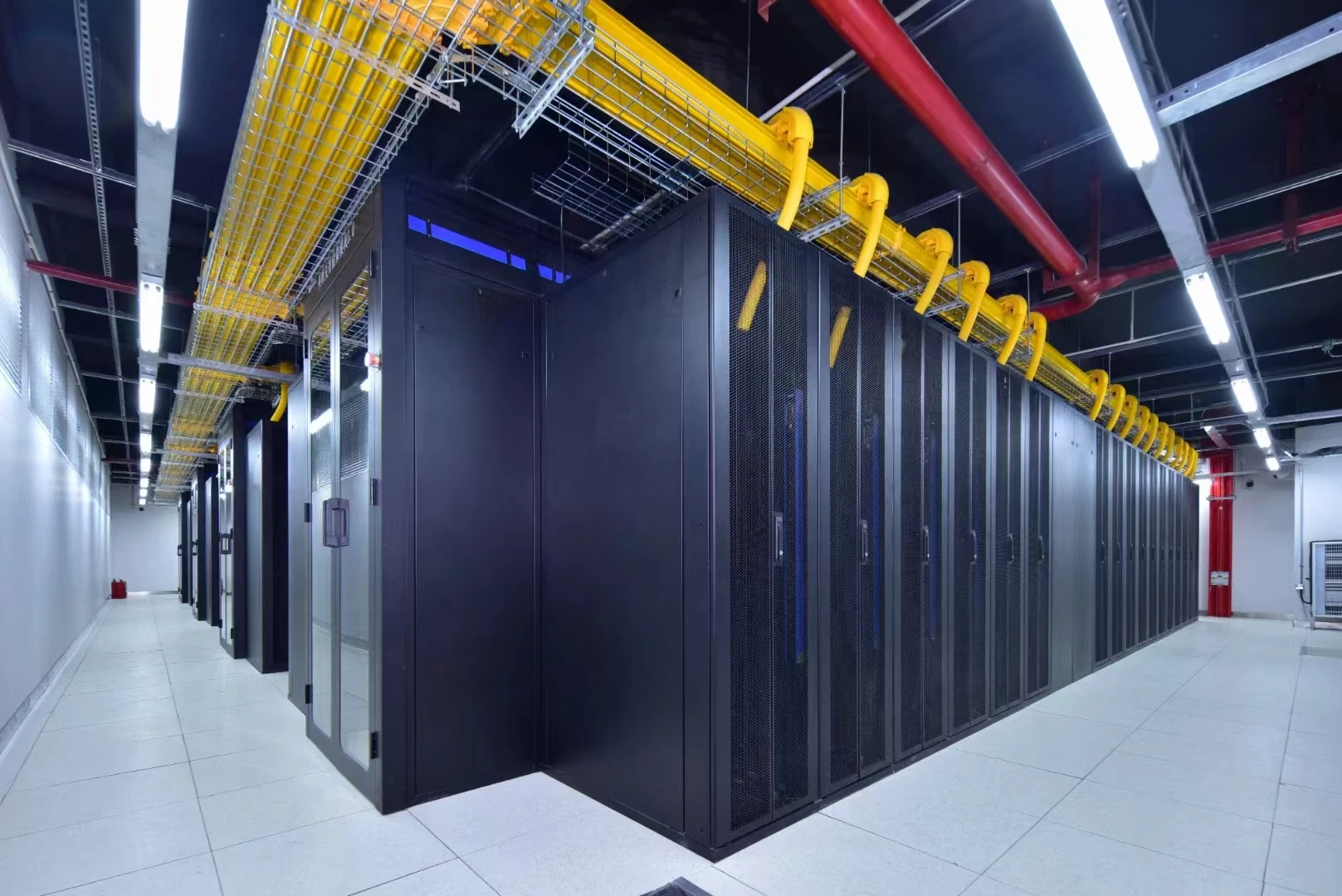
Process Flow: Manufacturing of an Energy Management System
The manufacturing process for an energy management system involves intricate stages, from component sourcing to final system integration and rigorous testing. This detailed flow ensures the production of high-quality, reliable, and compliant EMS hardware and software.
1. Component Sourcing & Quality Control
Materials: High-grade industrial plastics (e.g., ABS, polycarbonate for enclosures), various metals (e.g., aluminum, stainless steel for chassis, copper for conductors), specialized PCBs (FR-4 laminates), and semiconductor components.
Process: Sourcing from ISO-certified suppliers. Incoming Quality Control (IQC) inspects raw materials and components for adherence to specifications (e.g., material composition, tolerance, electrical properties).
2. Printed Circuit Board (PCB) Manufacturing & Assembly
Processes: PCB Fabrication: Etching, drilling, plating, and laminating multiple layers. Surface Mount Technology (SMT): Automated placement of electronic components onto PCBs. Reflow Soldering: Melting solder paste to form electrical connections. Wave Soldering: For through-hole components. Functional Testing: Automated Optical Inspection (AOI), In-Circuit Testing (ICT), and Boundary Scan Testing to verify circuit integrity and component placement.
3. Enclosure & Mechanical Parts Production
Processes: Injection Molding: For plastic enclosures, ensuring precise dimensions and robust housing. CNC Machining: For metallic parts, ensuring high precision and tight tolerances. Stamping & Bending: For sheet metal components. Corrosion Treatment: Anodizing, galvanizing, or specialized powder coating for components destined for harsh environments (e.g., petrochemical, marine) to ensure optimal corrosion resistance and extended service life.
4. Final Assembly & Integration
Process: Mounting PCBs into enclosures, connecting internal wiring, integrating power supplies, communication modules, and other peripherals. Installation of pre-loaded firmware and initial software configuration.
5. System Calibration & Extensive Testing
Testing Standards: Adherence to international standards such as ISO 9001 for quality management, ISO 50001 for energy management system compliance, ANSI/UL for electrical safety, CE Mark for European conformity, and FCC for electromagnetic compatibility.
- Functional Testing: Verifying all hardware and software functions, communication protocols, and data accuracy.
- Environmental Testing: Exposure to extreme temperatures, humidity, vibration, and shock to ensure performance in diverse operating conditions.
- Burn-in Testing: Extended operation under load to identify early-life failures.
- Cybersecurity Testing: Vulnerability assessments and penetration testing.
6. Packaging & Shipment
Process: Secure packaging, labeling with serial numbers and compliance marks, and preparation for global distribution.
Service Life: Typical service life of an industrial-grade EMS hardware component is 10-15 years, with software updates and maintenance ensuring long-term applicability. Target industries such as petrochemical, metallurgy, and water supply & drainage benefit from the rigorous testing, guaranteeing energy saving and corrosion resistance advantages.
Frequently Asked Questions (FAQ)
Q1: How quickly can an energy management system deliver ROI?
A1: The ROI period for an EMS typically ranges from 18 to 36 months, depending on the scale of deployment, initial energy consumption, and the specific energy-saving strategies implemented. Many clients see measurable savings within the first 6-12 months.
Q2: Is the energy control system compatible with existing infrastructure?
A2: Yes, our solutions are designed with extensive compatibility in mind. We support a wide range of industrial communication protocols (Modbus, BACnet, OPC UA) and offer custom integration services to ensure seamless connectivity with your existing Building Management Systems (BMS), SCADA, ERP, and other operational technologies. Our engineers perform a thorough site assessment to guarantee compatibility.
Q3: What level of support is provided after installation?
A3: We offer comprehensive post-installation support, including 24/7 technical assistance, remote monitoring, regular software updates, and preventive maintenance schedules. Our support packages are customizable to meet specific operational uptime requirements and ensure your energy monitoring and management system continuously performs at its peak.
Q4: How does your EMS contribute to sustainability goals?
A4: Our EMS directly enables significant reductions in energy consumption, leading to a substantial decrease in greenhouse gas emissions. By optimizing resource utilization and integrating renewable energy sources, our system helps organizations achieve ISO 50001 certification, meet corporate social responsibility targets, and advance towards net-zero operational goals.
Lead Time, Warranty, and After-Sales Support
Lead Time & Fulfillment:
Our project lead times are determined by the complexity and scale of the energy management system. For standard deployments, hardware fulfillment typically ranges from 4-8 weeks, followed by 2-4 weeks for software configuration and system integration. Custom solutions or large-scale enterprise deployments will be quoted with a detailed project timeline upon initial consultation and site assessment. We maintain a robust supply chain and efficient manufacturing processes to ensure timely delivery.
Warranty Commitments:
We stand by the quality and reliability of our products. All EMS hardware components come with a standard 3-year limited warranty covering manufacturing defects and material failures. Extended warranty options, up to 5 years, are available for critical deployments. Software licenses include a 1-year warranty for bug fixes and security patches, with ongoing support provided through service agreements.
Customer Support:
Our commitment to customer success extends far beyond implementation. We offer multi-tiered after-sales support:
- Dedicated Account Manager: A single point of contact for all your project and service needs.
- 24/7 Technical Support: Access to our expert engineering team for immediate assistance via phone, email, or a dedicated online portal.
- Regular System Health Checks: Proactive monitoring and analysis to ensure optimal system performance and identify potential issues before they impact operations.
- Training & Documentation: Comprehensive training programs for your operational and IT staff, complemented by detailed user manuals and technical documentation.
- Software Maintenance & Updates: Access to the latest software versions, features, and security enhancements through our service contracts.
We are committed to building long-term partnerships, ensuring your energy control system continues to deliver value throughout its operational lifespan.
Authoritative References
- International Organization for Standardization. (2018). ISO 50001:2018 - Energy management systems — Requirements with guidance for use. Retrieved from ISO.org
- U.S. Department of Energy. (2023). Advanced Energy Management Systems. Retrieved from Energy.gov
- Smart Grid Glossary. (2023). Energy Management System (EMS). Retrieved from SmartGrid.gov
- National Institute of Standards and Technology (NIST). (2022). Guidelines for Smart Grid Cybersecurity. Retrieved from NIST.gov
- European Commission. (2023). Energy Efficiency Directives. Retrieved from Energy.ec.europa.eu
-
Cedar Point EV Charging Solutions for Sustainable Tourism Experience
NewsApr.16,2026
-
Guide to Cedar Point Charging Stations for EV Park Visitors
NewsApr.16,2026
-
Acorn Stairlift Charging Point Guide for Home Mobility Optimization
NewsApr.16,2026
-
Integrating a Wireless Charging Point into Modern Infrastructure
NewsApr.16,2026
-
How to Optimize Your iPhone 14 Charging Point for Efficiency
NewsApr.16,2026
-
Analyzing the Charging Point Share Price Trends and Market Outlook
NewsApr.09,2026