


Mar . 26, 2026 01:55 Back to list
Advancements in Buoyancy Energy Storage Technology for Sustainable Power Solutions
Buoyancy Energy Storage Technology: A Deep Dive
As the world transitions towards sustainable energy sources, efficient energy storage solutions are becoming increasingly crucial. Buoyancy energy storage technology presents a novel approach, offering potential advantages in cost-effectiveness and scalability compared to traditional methods. This article explores the principles behind this emerging technology, its applications, benefits, challenges, and the role of ACDC BESS in advancing its development and implementation. The need for long-duration, large-scale energy storage is driving innovation, and buoyancy systems are poised to play a significant role.
Understanding the Core Principles of Buoyancy Energy Storage
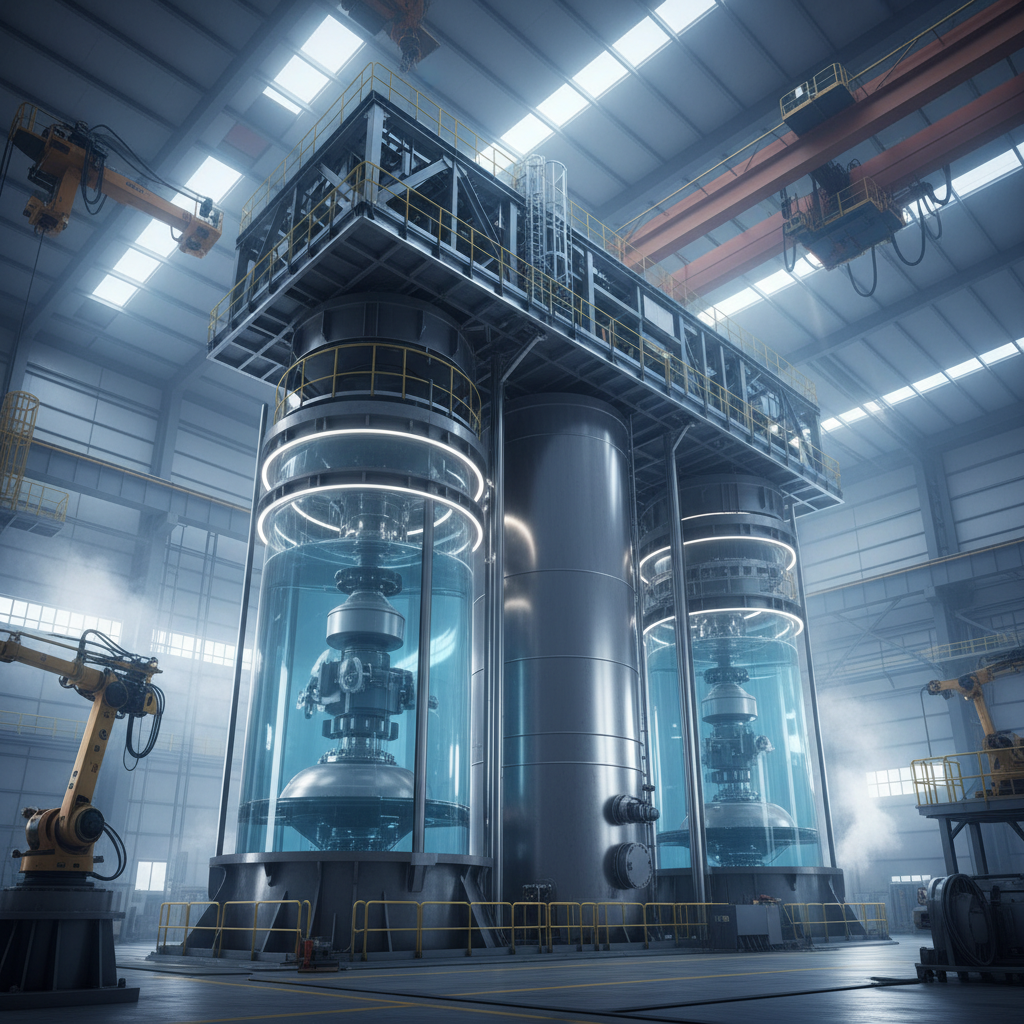
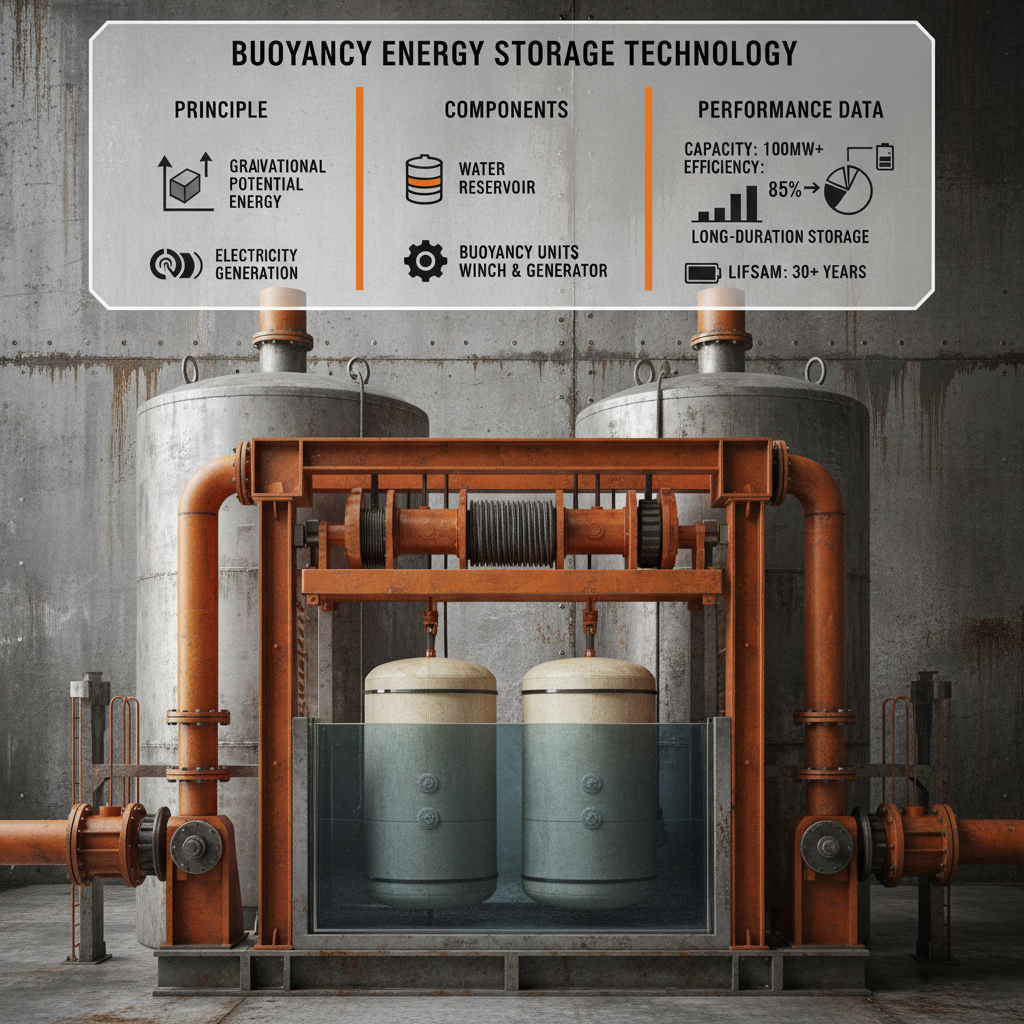
At its core, buoyancy energy storage leverages the principle of Archimedes' buoyancy. This technology typically involves submersing a heavy mass in a fluid (often water) within a large, contained environment, such as a deep shaft or reservoir. When energy is needed, the mass is raised by applying energy, effectively storing potential energy based on its height within the fluid. Releasing the mass allows it to descend, converting the potential energy back into electrical energy via a generator. This cyclical process enables efficient energy storage and retrieval. The key is efficiently managing the ascent and descent, and maximizing the energy captured during the downward motion. ACDC BESS is actively researching advancements in the control systems and materials to optimize this process.
Key Advantages: High potential energy density, long lifespan, relatively low environmental impact, scalability for grid-scale applications.
Buoyancy Energy Storage vs. Traditional Storage Technologies
Compared to conventional energy storage solutions like lithium-ion batteries, pumped hydro storage, and compressed air energy storage (CAES), buoyancy systems offer unique characteristics. Pumped hydro, while established, requires specific geographical features (elevation differences). CAES necessitates suitable geological formations for air storage. Lithium-ion batteries face limitations in lifespan, cost, and environmental concerns related to material sourcing and disposal. Buoyancy storage, however, can be deployed in various locations and potentially offers a longer lifespan with lower operating costs. Let’s compare:
Key Applications of Buoyancy Energy Storage Technology
The versatility of this technology lends itself to a variety of applications. Grid-scale energy storage is a primary target, offering the potential to stabilize the grid and integrate more renewable energy sources. Offshore energy storage is also promising, utilizing existing marine infrastructure and taking advantage of the natural buoyancy of seawater. Furthermore, buoyancy systems can be adapted for microgrid applications, providing reliable power to remote communities or industrial facilities. ACDC BESS is focusing on developing modular systems to cater to diverse application needs.
Challenges and Future Developments in Buoyancy Energy Storage
Despite its potential, buoyancy energy storage technology faces challenges. Maintaining long-term stability of the system and preventing corrosion within the fluid environment are crucial. The efficiency of the energy conversion process (lifting and lowering the mass) needs continuous improvement. Furthermore, scalability requires addressing logistical and engineering hurdles related to constructing and operating large-scale systems. Ongoing research focuses on optimizing materials, control systems, and fluid dynamics to overcome these challenges. The industry is exploring using innovative materials for the buoyant mass and implementing advanced control algorithms to maximize energy capture and release efficiency.
ACDC BESS: Pioneering Advancements in Buoyancy Storage
ACDC BESS is at the forefront of developing and deploying buoyancy energy storage solutions. We are focused on designing modular, scalable systems that can be adapted to a wide range of applications. Our research and development efforts encompass advanced materials science, innovative control algorithms, and robust system engineering. We are committed to delivering cost-effective, reliable, and environmentally sustainable energy storage solutions that will help accelerate the transition to a cleaner energy future.
Conclusion: A Promising Future for Buoyancy Energy Storage
Buoyancy energy storage represents a promising pathway towards large-scale, long-duration energy storage. While challenges remain, ongoing research and development, spearheaded by companies like ACDC BESS, are paving the way for wider adoption. This technology has the potential to play a critical role in integrating renewable energy sources, stabilizing the grid, and creating a more sustainable energy future.
Frequently Asked Questions (FAQs)
What are the environmental impacts of buoyancy energy storage?
Compared to other energy storage technologies, buoyancy storage generally has a lower environmental impact. It doesn't require the mining of rare earth minerals (like lithium-ion batteries) or specific geological formations (like CAES). However, environmental considerations include the potential impact of the fluid used (typically water) on surrounding ecosystems and the energy required to construct the containment infrastructure. Responsible site selection and closed-loop fluid systems can mitigate these risks. ACDC BESS prioritizes environmentally friendly practices throughout the design and operation of its systems.
How does the depth of the fluid impact the system's efficiency?
The depth of the fluid directly affects the potential energy stored. Greater depth results in a larger potential energy difference, leading to increased energy generation during the descent phase. However, increasing depth also introduces engineering challenges related to pressure resistance and structural integrity. Finding the optimal depth involves a trade-off between energy density and construction costs. ACDC BESS conducts detailed simulations to determine the ideal depth for each specific application.
What materials are used for the buoyant mass?
The choice of material for the buoyant mass is crucial for system performance and cost-effectiveness. High-density materials like concrete or steel are commonly used, although research is exploring lighter, more durable alternatives. Corrosion resistance is a key consideration, especially in saltwater environments. ACDC BESS is actively investigating composite materials and protective coatings to enhance durability and reduce weight. The selection of material directly impacts the system’s efficiency and longevity.
-
Cedar Point EV Charging Solutions for Sustainable Tourism Experience
NewsApr.16,2026
-
Guide to Cedar Point Charging Stations for EV Park Visitors
NewsApr.16,2026
-
Acorn Stairlift Charging Point Guide for Home Mobility Optimization
NewsApr.16,2026
-
Integrating a Wireless Charging Point into Modern Infrastructure
NewsApr.16,2026
-
How to Optimize Your iPhone 14 Charging Point for Efficiency
NewsApr.16,2026
-
Analyzing the Charging Point Share Price Trends and Market Outlook
NewsApr.09,2026