


Mar . 31, 2026 01:45 Back to list
Advancing Thailand's Power Grid with Innovative Thai Energy Storage Technology
Thai Energy Storage Technology: A Growing Market
Thailand is rapidly embracing energy storage technology as it strives for a more sustainable and reliable power grid. Driven by increasing demand for renewable energy sources like solar and wind, and the need to address grid instability, the market for battery energy storage systems (BESS) is experiencing significant growth. This article explores the current landscape of thai energy storage technology, key drivers, challenges, and the role of companies like ACDCBESS in providing advanced solutions. Understanding these dynamics is crucial for businesses and investors looking to participate in this evolving sector.
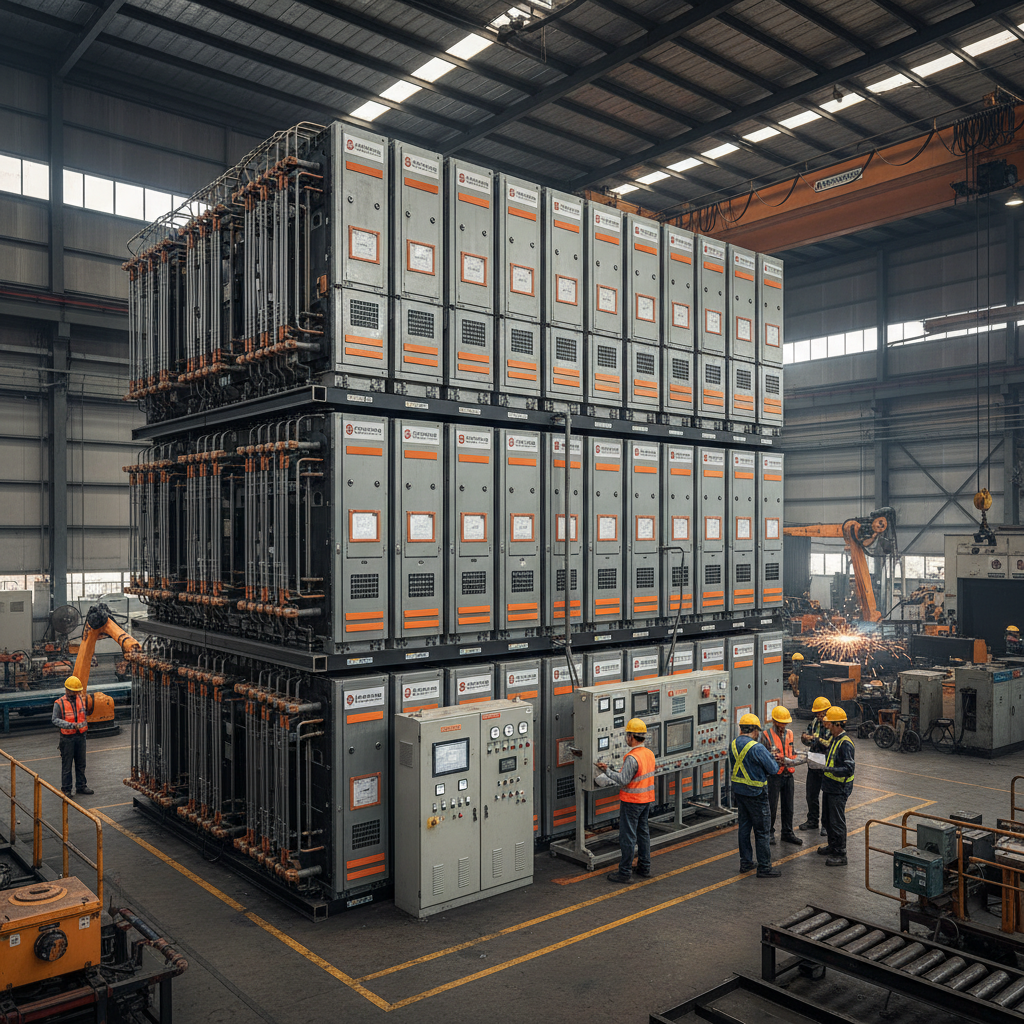
The Rise of Renewable Energy and the Need for Storage
Thailand has ambitious goals for increasing its renewable energy capacity. Solar power, in particular, has seen substantial growth. However, the intermittent nature of renewable sources presents a significant challenge to grid stability. Thai energy storage technology, specifically BESS, offers a crucial solution by storing excess energy generated during peak production periods and releasing it when demand exceeds supply. This smoothing effect is vital for maintaining a consistent and reliable power supply, reducing reliance on fossil fuels and lowering carbon emissions. The Thai government is actively promoting renewable energy integration through various policies and incentives, further driving the demand for storage solutions.
Key Benefit: Energy storage allows for the integration of intermittent renewable energy sources into the grid, ensuring a reliable and sustainable power supply.
Key Applications of Energy Storage in Thailand
The applications of thai energy storage technology are diverse and expanding. These include:
- Grid Stabilization: Maintaining frequency and voltage levels, preventing blackouts and improving power quality.
- Peak Shaving: Reducing peak demand charges by storing energy during off-peak hours and discharging it during peak hours.
- Renewable Energy Integration: Smoothing out the intermittent output of solar and wind farms.
- Microgrids: Providing reliable power to remote areas or critical facilities.
- Electric Vehicle (EV) Charging Infrastructure: Supporting the growing EV market by providing fast and reliable charging solutions.
Applications at a Glance:
• Grid Stabilization
• Peak Shaving
• Renewable Energy Integration
• Microgrids
• EV Charging
Types of Energy Storage Technologies Deployed in Thailand
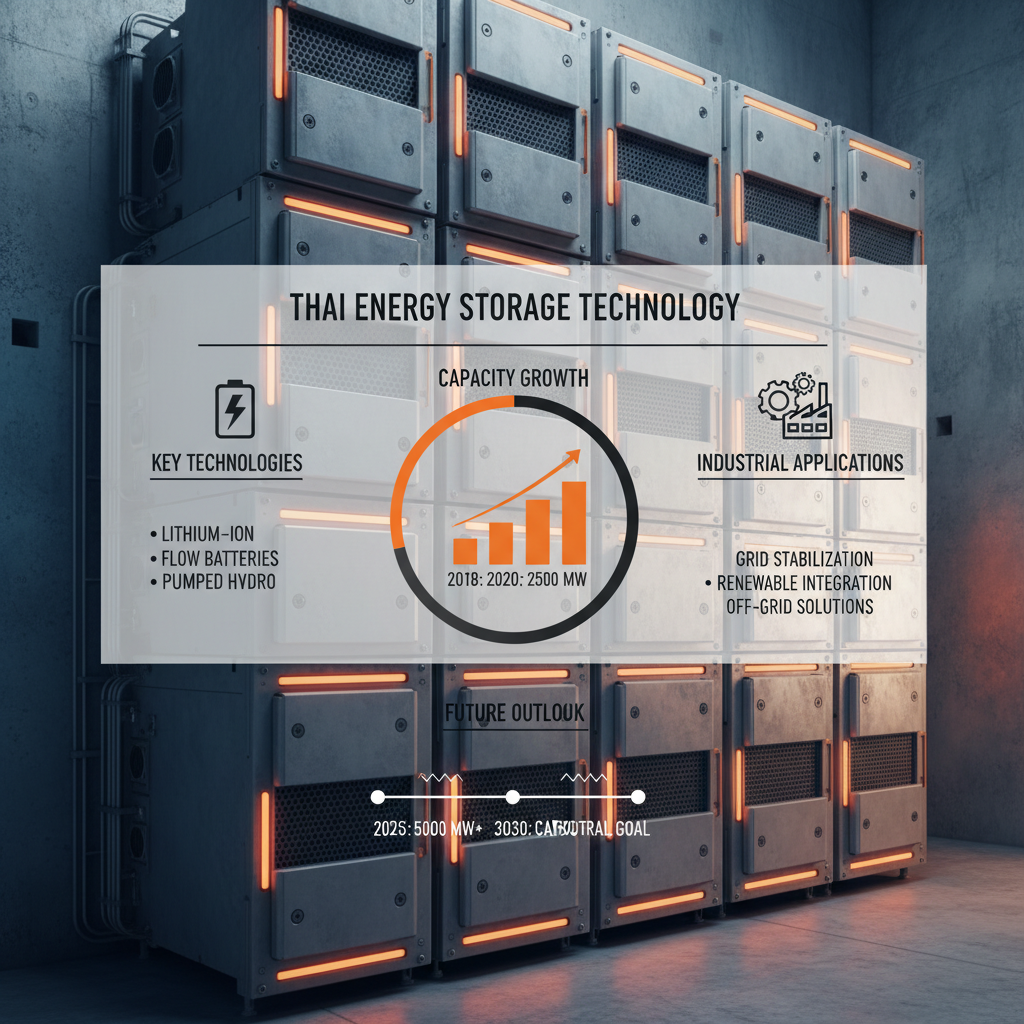
While various technologies are being explored, lithium-ion batteries currently dominate the thai energy storage technology market due to their high energy density, efficiency, and declining costs. However, other technologies are gaining traction, including flow batteries, which offer longer lifespans and improved safety characteristics. Here's a comparison:
ACDCBESS: Providing Advanced Energy Storage Solutions for Thailand
ACDCBESS is a leading provider of BESS solutions tailored to the specific needs of the Thai market. We offer a comprehensive range of systems, from residential-scale storage to large-scale grid applications. Our expertise includes system design, installation, commissioning, and ongoing maintenance. We specialize in delivering reliable, efficient, and cost-effective thai energy storage technology that helps our customers optimize their energy consumption and achieve their sustainability goals. We are committed to supporting Thailand's transition to a cleaner and more resilient energy future.
Challenges and Future Outlook for Thai Energy Storage
Despite the promising growth, the thai energy storage technology market faces challenges. These include high upfront costs, regulatory hurdles, and the need for skilled personnel. However, ongoing policy support, declining battery prices, and increasing awareness of the benefits of energy storage are expected to drive further adoption. The future looks bright for Thailand's energy storage sector, with significant opportunities for innovation and investment.
Conclusion: Embracing a Sustainable Energy Future
The growing demand for energy storage in Thailand presents a significant opportunity to build a more sustainable and resilient energy system. Companies like ACDCBESS are playing a vital role in providing innovative solutions that address the unique challenges of the Thai market. By embracing these technologies, Thailand can unlock the full potential of renewable energy and create a brighter future for generations to come.
Frequently Asked Questions (FAQs)
What are the main government incentives for energy storage in Thailand?
The Thai government offers several incentives to promote the adoption of energy storage, including feed-in tariffs (FiT) for renewable energy integrated with storage, tax breaks for investments in energy storage projects, and support for research and development. The Energy Regulatory Commission of Thailand (ERC) is actively developing regulations to facilitate the deployment of BESS and ensure grid stability. These incentives are aimed at attracting investment and accelerating the transition to a cleaner energy mix. The government is also focusing on developing pilot projects to demonstrate the benefits of energy storage and build confidence in the technology.
What is the typical payback period for a BESS investment in Thailand?
The payback period for a BESS investment in Thailand varies depending on the application, system size, and electricity tariffs. Generally, projects focused on peak shaving or demand charge reduction can achieve payback periods of 3-7 years. Renewable energy integration projects with attractive feed-in tariffs may offer shorter payback periods. Factors such as battery degradation and maintenance costs also influence the overall return on investment. A detailed financial analysis is crucial to accurately assess the economic viability of a BESS project.
How does ACDCBESS ensure the quality and reliability of its energy storage systems?
ACDCBESS utilizes high-quality components from reputable manufacturers and implements rigorous quality control procedures throughout the design, manufacturing, and installation processes. Our systems undergo extensive testing and certification to ensure compliance with international standards. We also offer comprehensive warranties and ongoing maintenance services to guarantee the long-term reliability and performance of our BESS solutions. We prioritize safety and adhere to the highest industry standards in all our operations.
-
Cedar Point EV Charging Solutions for Sustainable Tourism Experience
NewsApr.16,2026
-
Guide to Cedar Point Charging Stations for EV Park Visitors
NewsApr.16,2026
-
Acorn Stairlift Charging Point Guide for Home Mobility Optimization
NewsApr.16,2026
-
Integrating a Wireless Charging Point into Modern Infrastructure
NewsApr.16,2026
-
How to Optimize Your iPhone 14 Charging Point for Efficiency
NewsApr.16,2026
-
Analyzing the Charging Point Share Price Trends and Market Outlook
NewsApr.09,2026