


Mar . 17, 2026 01:55 Back to list
Build Your Own Powerful Home Built Bench Power Supply A Comprehensive Guide
Building Your Own Bench Power Supply: A Comprehensive Guide
A home built bench power supply offers a cost-effective and customizable solution for electronics enthusiasts, hobbyists, and professionals alike. Unlike pre-built units, a DIY power supply allows you to tailor the voltage and current outputs to your specific needs. This article will guide you through the process of designing, building, and testing a reliable and efficient bench power supply, and point you towards resources for quality components, such as those offered by ACDCBESS. We'll cover everything from essential components to safety considerations, ensuring a successful project.
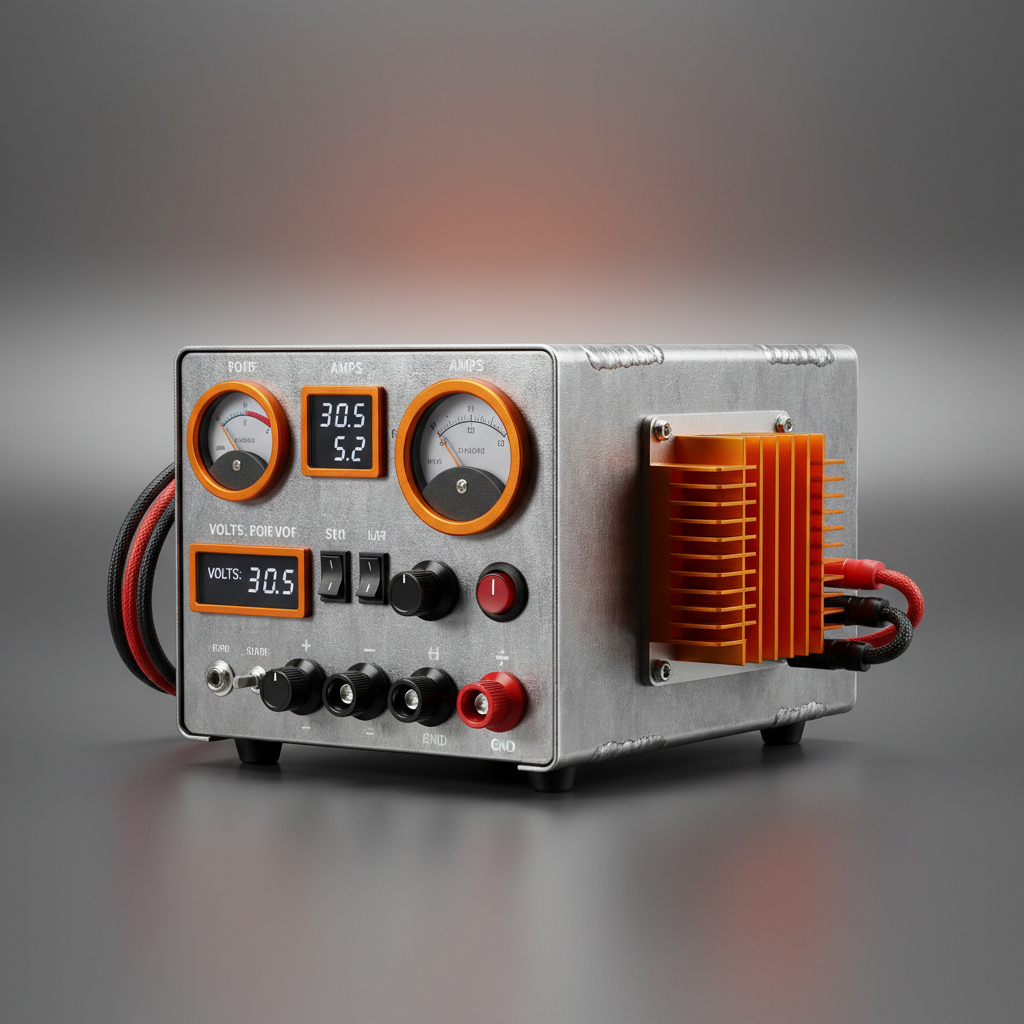
Essential Components for Your DIY Power Supply
Building a bench power supply requires careful selection of components. The core elements include a transformer (to step down the AC voltage), a rectifier (to convert AC to DC), a filter (to smooth the DC voltage), a voltage regulator (to maintain a stable output), and appropriate safety features like fuses and binding posts. You'll also need a chassis to house everything securely. Selecting high-quality components, like those available from ACDCBESS, will significantly enhance the performance and lifespan of your power supply. Don't skimp on the transformer as it's the workhorse of the setup.
Key Highlights: A robust transformer is critical for stable and efficient power conversion. High-quality rectifiers and filters minimize ripple and noise. Voltage regulators ensure a consistent output, protecting your sensitive electronics.
Designing for Your Specific Needs: Voltage and Current
Before you start building, determine the voltage and current requirements of the devices you'll be powering. Common bench power supplies offer variable voltage outputs, typically ranging from 0V to 30V or higher, and current limits up to several amps. Carefully calculate the transformer's secondary voltage based on the desired output voltage and the voltage drop across the rectifier and regulator. Consider a current limiting circuit to protect both your power supply and the connected devices. A modular power supply design from a supplier can simplify the process.
Voltage and Current Considerations:
• Determine the maximum voltage and current required by your projects.
• Choose a transformer with appropriate voltage and VA rating.
• Implement current limiting for safety and device protection.
• Consider a variable voltage output for versatility.
Home Built Bench Power Supply vs. Commercial Options
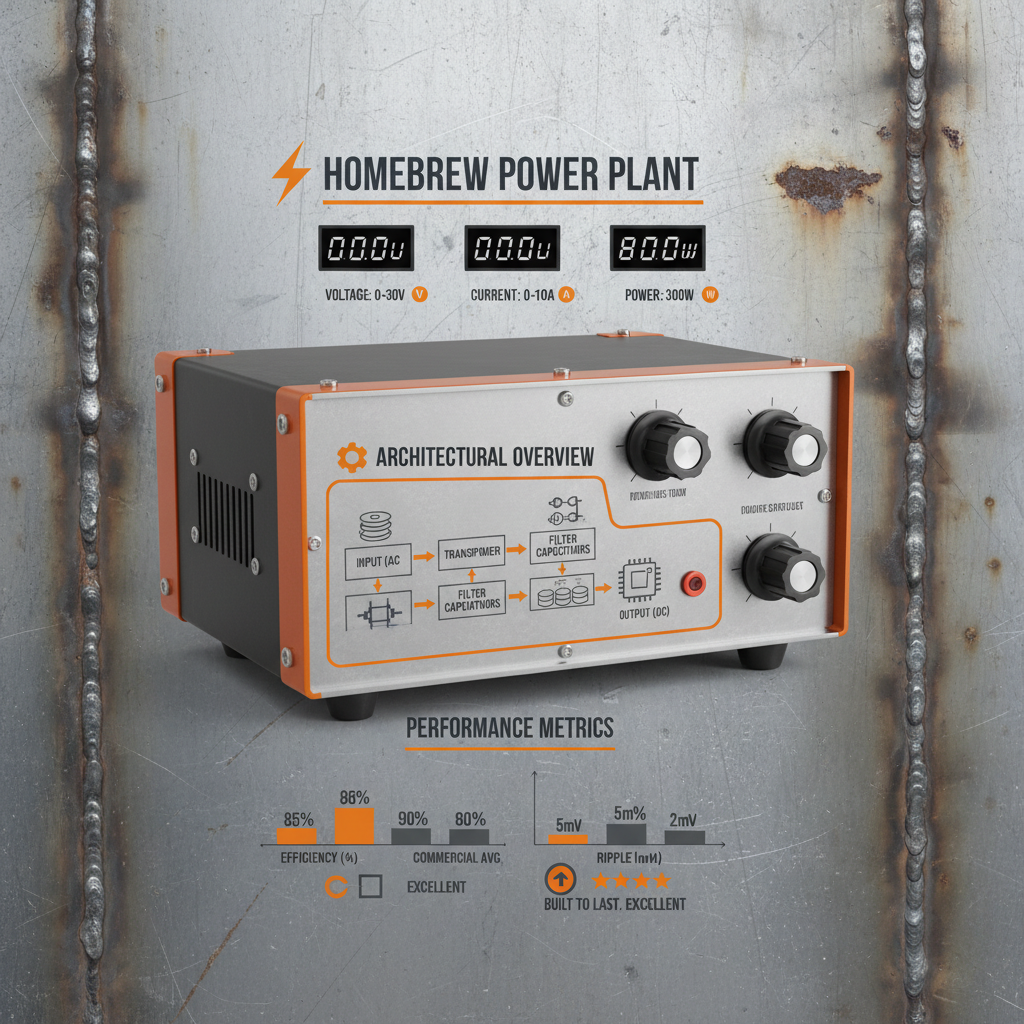
While commercial bench power supplies offer convenience and pre-calibrated accuracy, a home built bench power supply provides a unique learning experience and allows for complete customization. The initial cost may be lower for a DIY build, but it requires more time and effort. Here’s a quick comparison:
Safety First: Essential Precautions
Working with mains electricity is dangerous. Always disconnect the power before working on the circuit. Use a properly grounded chassis and enclosure. Install fuses to protect against overcurrents. Double-check all connections before applying power. Consider using a current limiting circuit. For high-quality fuses and enclosures, ACDCBESS offers a range of safety components designed for power supply applications.
Testing and Calibration
Once assembled, thoroughly test your power supply. Use a multimeter to verify the voltage and current outputs at various settings. Check for ripple and noise using an oscilloscope. Calibrate the voltage regulator to ensure accurate readings. A well-tested and calibrated power supply will provide reliable performance for years to come. Remember to document your build process and calibration settings for future reference.
Conclusion: Empowering Your Projects with a DIY Solution
Building a home built bench power supply is a rewarding project that combines practical electronics skills with customized functionality. By carefully selecting components, prioritizing safety, and following a well-defined design, you can create a reliable and versatile power source for your electronic endeavors. With resources like those available from ACDCBESS, your project is sure to be a success.
Frequently Asked Questions (FAQs)
What transformer VA rating do I need for my power supply?
The VA (Volt-Ampere) rating of your transformer is crucial. Calculate the maximum current you’ll need at your desired output voltage. Then, multiply this current by the output voltage to get the required VA. It's always best to choose a transformer with a VA rating slightly higher (around 20-30%) than your calculated requirement to account for inefficiencies and prevent overheating. For example, if you need 5A at 12V, you need at least 60VA (5A x 12V = 60VA). A 70-80VA transformer would be a safer choice.
What’s the purpose of a rectifier in a power supply?
The rectifier converts alternating current (AC) from the transformer into direct current (DC). It uses diodes to allow current to flow in only one direction. There are different types of rectifiers – half-wave, full-wave, and bridge rectifiers – each with varying levels of efficiency and ripple. A bridge rectifier is commonly used in bench power supplies due to its high efficiency and relatively low ripple.
How can I minimize ripple in the DC output?
Ripple is the unwanted AC component remaining in the DC output. To minimize ripple, use a large filter capacitor after the rectifier. Increasing the capacitance and using multiple capacitors in parallel can further reduce ripple. A voltage regulator, like an LM317, also helps to smooth the DC output and provide a stable voltage. Choosing a high-quality rectifier and transformer from a reputable supplier like ACDCBESS can also contribute to lower ripple.
Is it necessary to use a heatsink with the voltage regulator?
Yes, a heatsink is generally necessary with the voltage regulator, especially if you're drawing significant current. The regulator dissipates heat as it maintains a stable voltage output. Without a heatsink, the regulator can overheat and shut down or even be damaged. The size of the heatsink required depends on the current and voltage drop across the regulator. Consult the regulator’s datasheet for specific recommendations.
-
Cedar Point EV Charging Solutions for Sustainable Tourism Experience
NewsApr.16,2026
-
Guide to Cedar Point Charging Stations for EV Park Visitors
NewsApr.16,2026
-
Acorn Stairlift Charging Point Guide for Home Mobility Optimization
NewsApr.16,2026
-
Integrating a Wireless Charging Point into Modern Infrastructure
NewsApr.16,2026
-
How to Optimize Your iPhone 14 Charging Point for Efficiency
NewsApr.16,2026
-
Analyzing the Charging Point Share Price Trends and Market Outlook
NewsApr.09,2026