


Mar . 21, 2026 01:55 Back to list
Choosing the Best Power Supply for the Home and Protecting Your Devices
Choosing the Right Power Supply for the Home
Ensuring a stable and reliable power supply is critical for modern homes, protecting sensitive electronics and preventing data loss. With an increasing number of devices demanding consistent power, understanding your options for a power supply for the home is more important than ever. This article will explore the different types of home power supplies, their benefits, and how to choose the best solution for your needs. From uninterruptible power supplies (UPS) to surge protectors and even whole-house solutions, we'll cover everything you need to know.
Understanding Different Types of Home Power Supplies
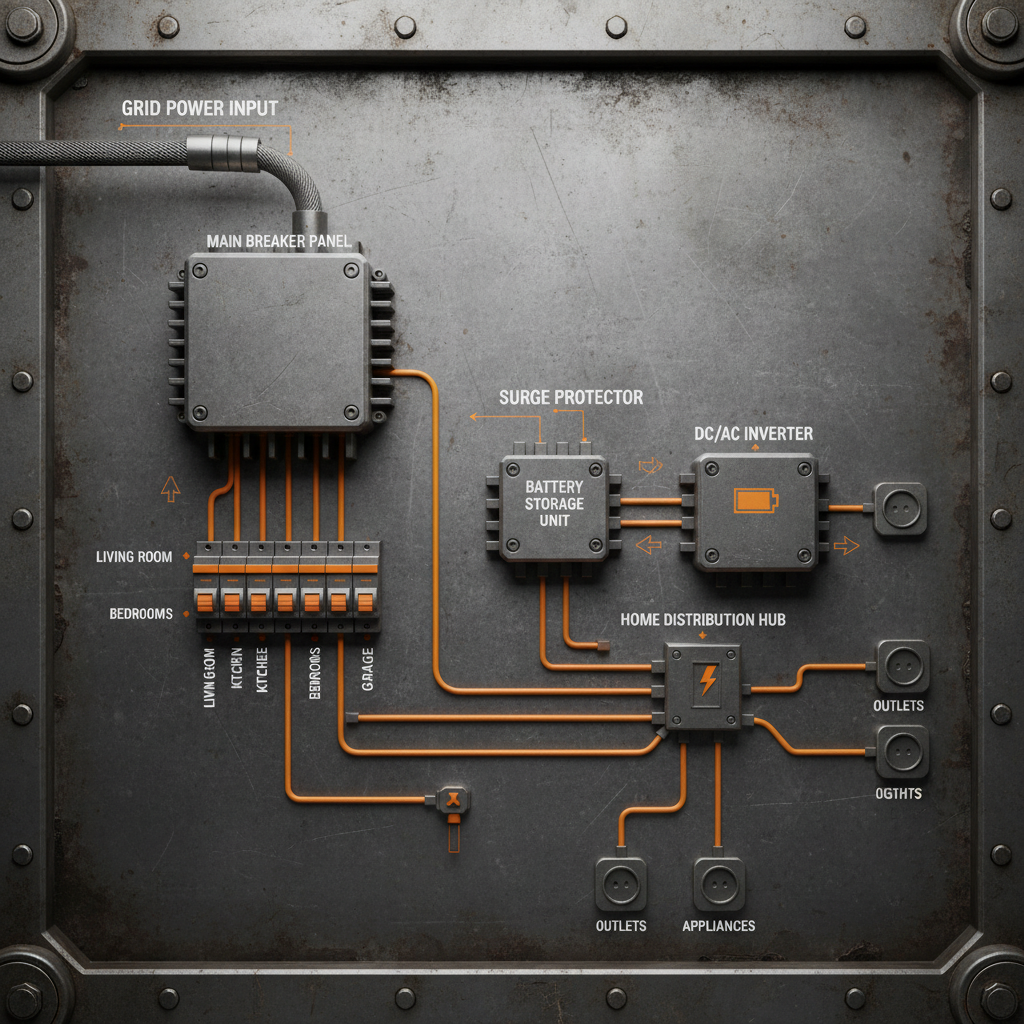
There are several types of power supplies available for home use, each offering different levels of protection and functionality. These include surge protectors, which shield against voltage spikes; UPS systems, providing backup power during outages; and voltage stabilizers, ensuring consistent voltage levels. Choosing the right type depends on the specific needs of your household and the sensitivity of your electronic devices. A basic surge protector is sufficient for protecting less critical appliances, while a UPS is essential for computers and other devices requiring continuous power. ACDCBESS offers a range of solutions to meet diverse power needs.
Key Considerations: Different power supplies provide varying levels of protection. Understanding your needs – from basic surge protection to complete power backup – is crucial for selecting the right solution.
The Importance of a UPS: Uninterruptible Power Supply
An Uninterruptible Power Supply (UPS) is crucial for protecting sensitive electronics from power outages, surges, and voltage fluctuations. During a power outage, a UPS provides battery backup, allowing you to safely shut down your devices and prevent data loss. Beyond data protection, a UPS can also prevent hardware damage caused by abrupt power disruptions. For home offices, gaming setups, and any environment with critical electronic equipment, a UPS is a highly recommended investment. Choosing the right UPS involves considering its wattage capacity and runtime, ensuring it can support your devices for a sufficient duration.
UPS Benefits:
• Protects against power outages and surges
• Prevents data loss and hardware damage
• Provides time for safe device shutdown
• Ensures business continuity for home offices
Power Supply for the Home: Comparing Options
Selecting the appropriate power supply for the home requires a careful comparison of different options based on their features, capacity, and price. Surge protectors offer basic protection, while UPS systems provide more comprehensive coverage. Whole-house surge protectors offer protection for all electrical devices, but can be more expensive to install. Understanding your specific needs and budget is key to making an informed decision.
Factors to Consider When Choosing a Power Supply
When selecting a power supply, consider the total wattage of the devices you need to protect, the runtime required for a UPS, and the overall level of protection needed. For instance, a home office with a computer, monitor, and router will require a UPS with sufficient wattage to support all three devices for at least 15-30 minutes. Also, think about the sensitivity of your devices; some electronics are more vulnerable to power fluctuations than others. ACDCBESS can help you assess your needs and choose the best solution.
Technical Specifications and What They Mean
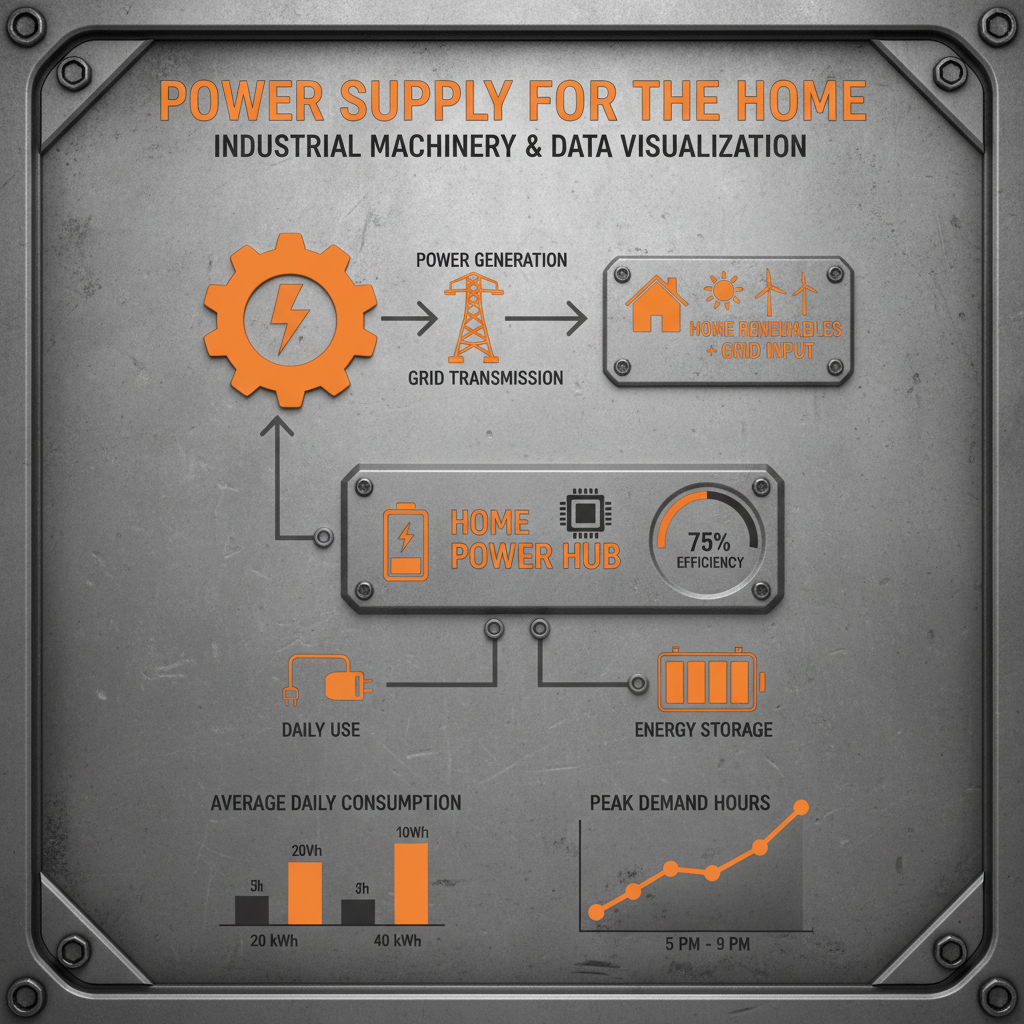
Understanding technical specifications like VA (Volt-Amps), Watts, and runtime is crucial. VA represents the apparent power capacity, while Watts represent the real power capacity. Runtime refers to how long the UPS can provide power during an outage. It’s essential to choose a UPS with a wattage capacity that exceeds the total wattage of the connected devices, leaving some headroom for future expansion.
Conclusion: Protecting Your Home with Reliable Power
Investing in a reliable power supply for the home is a proactive step towards protecting your valuable electronics and ensuring peace of mind. Whether you opt for a simple surge protector or a comprehensive UPS system, prioritizing power protection is essential in today’s digitally-driven world. Choose a solution that meets your specific needs and budget, and rest assured knowing your devices are safeguarded against power disruptions.
Frequently Asked Questions (FAQs)
What is the difference between VA and Watts?
VA (Volt-Amps) is the apparent power, representing the total power delivered, while Watts represent the real power consumed. The power factor, which is the ratio between Watts and VA, indicates how efficiently the power is being used. A lower power factor means more power is being wasted. When choosing a UPS, it’s generally recommended to select one with a VA rating that is 1.25 to 1.5 times the total wattage of your connected devices.
How long should a UPS runtime be?
The ideal UPS runtime depends on your specific needs. For a brief outage, 5-10 minutes might be sufficient to safely shut down your devices. However, if you need to continue working during an outage, a runtime of 30 minutes or more is recommended. The runtime will also depend on the load connected to the UPS; the more devices connected, the shorter the runtime.
Do I need a whole-house surge protector?
A whole-house surge protector is beneficial if you live in an area prone to frequent power surges or lightning strikes. It protects all connected devices, including those not plugged into a UPS. While more expensive to install, it provides a comprehensive level of protection for your entire home’s electrical system. It’s an excellent complement to individual surge protectors and UPS systems.
What maintenance is required for a UPS?
UPS systems require minimal maintenance, but it’s essential to periodically check the battery health and ensure proper ventilation. Most UPS units have a self-test function that should be run regularly. Batteries typically need to be replaced every 3-5 years, depending on usage and environmental factors. It’s also important to keep the UPS clean and free from dust.
-
Cedar Point EV Charging Solutions for Sustainable Tourism Experience
NewsApr.16,2026
-
Guide to Cedar Point Charging Stations for EV Park Visitors
NewsApr.16,2026
-
Acorn Stairlift Charging Point Guide for Home Mobility Optimization
NewsApr.16,2026
-
Integrating a Wireless Charging Point into Modern Infrastructure
NewsApr.16,2026
-
How to Optimize Your iPhone 14 Charging Point for Efficiency
NewsApr.16,2026
-
Analyzing the Charging Point Share Price Trends and Market Outlook
NewsApr.09,2026