


Mar . 14, 2026 01:55 Back to list
Choosing the Ideal CB Radio Power Supply for Reliable Home Communication
Choosing the Right CB Radio Power Supply for Home Use
A reliable CB radio is an excellent tool for communication, especially during emergencies, road trips, or outdoor adventures. But a CB radio is only as good as its power source. Selecting the right CB radio power supply for home use is crucial for optimal performance and longevity. This article will guide you through the key considerations, types of power supplies, and factors to help you make an informed decision. We'll cover everything from wattage requirements to features like regulated output and over-current protection. Ensuring you have a stable and clean power source will drastically improve your CB radio experience.
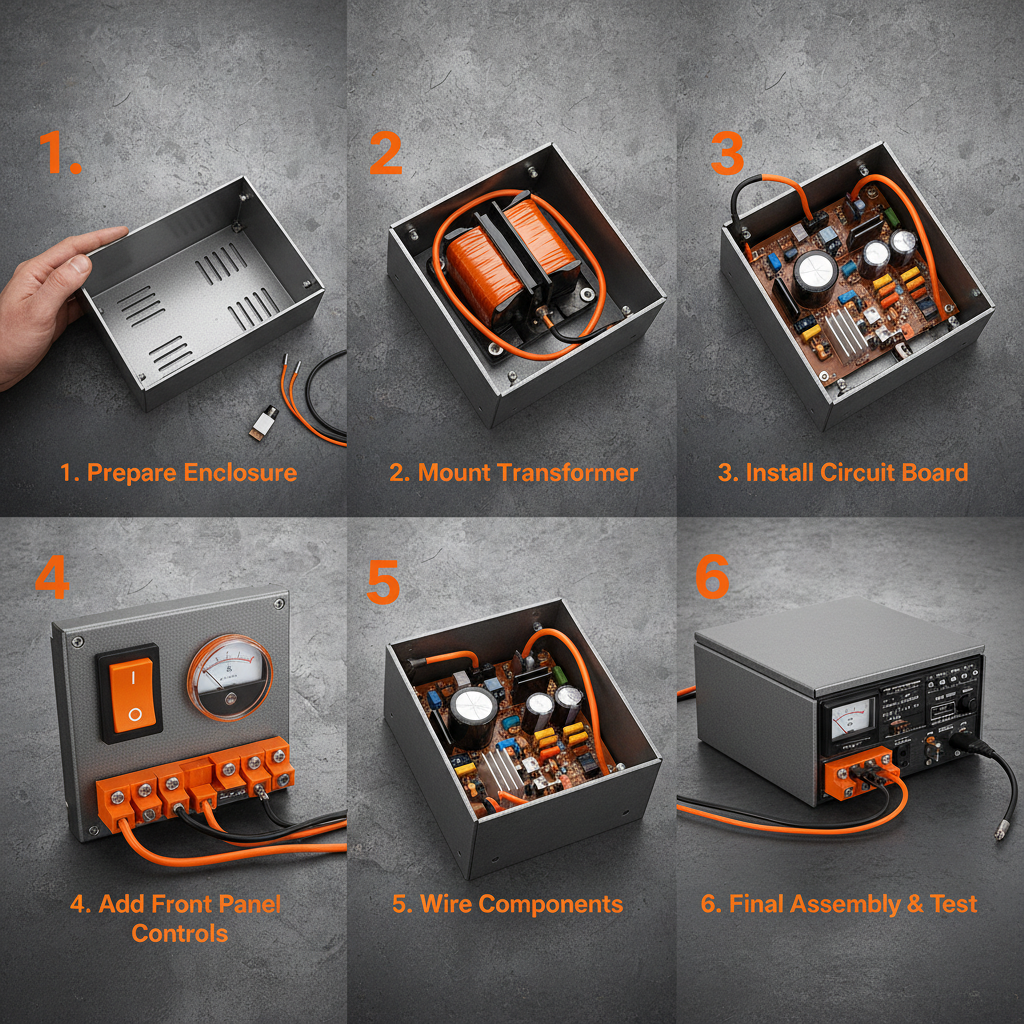
Understanding Your CB Radio's Power Requirements
Before you start shopping for a power supply, it's vital to understand your CB radio's power needs. CB radios typically operate on 12V DC power. However, the amount of current (measured in Amps) they require varies significantly. A typical CB radio may draw between 10 and 20 Amps when transmitting. It’s essential to choose a power supply that can comfortably handle the peak current draw of your radio to prevent voltage drops and ensure clear communication. Underpowering your radio can lead to distorted audio and reduced transmission range. Checking the owner's manual for your CB radio is the best way to determine its specific power requirements.
Key Takeaway: Always check your CB radio’s manual to determine its current draw and select a power supply with sufficient amperage capacity.
Types of CB Radio Power Supplies
There are primarily two types of power supplies available for CB radios: linear power supplies and switching power supplies. Each has its advantages and disadvantages. Linear power supplies offer a very clean and stable output voltage but are typically larger, heavier, and less efficient. Switching power supplies are smaller, lighter, and more efficient, but they can sometimes generate electrical noise that interferes with the CB radio’s reception. Modern switching power supplies have significantly improved in noise reduction, making them a viable option for many users. Ultimately, the choice depends on your priorities and budget.
Comparing Linear and Switching Power Supplies:
• Linear Power Supplies: Clean output, larger size, heavier weight, lower efficiency.
• Switching Power Supplies: Smaller size, lighter weight, higher efficiency, potential for noise (minimised in modern units).
Key Features to Look for in a CB Radio Power Supply
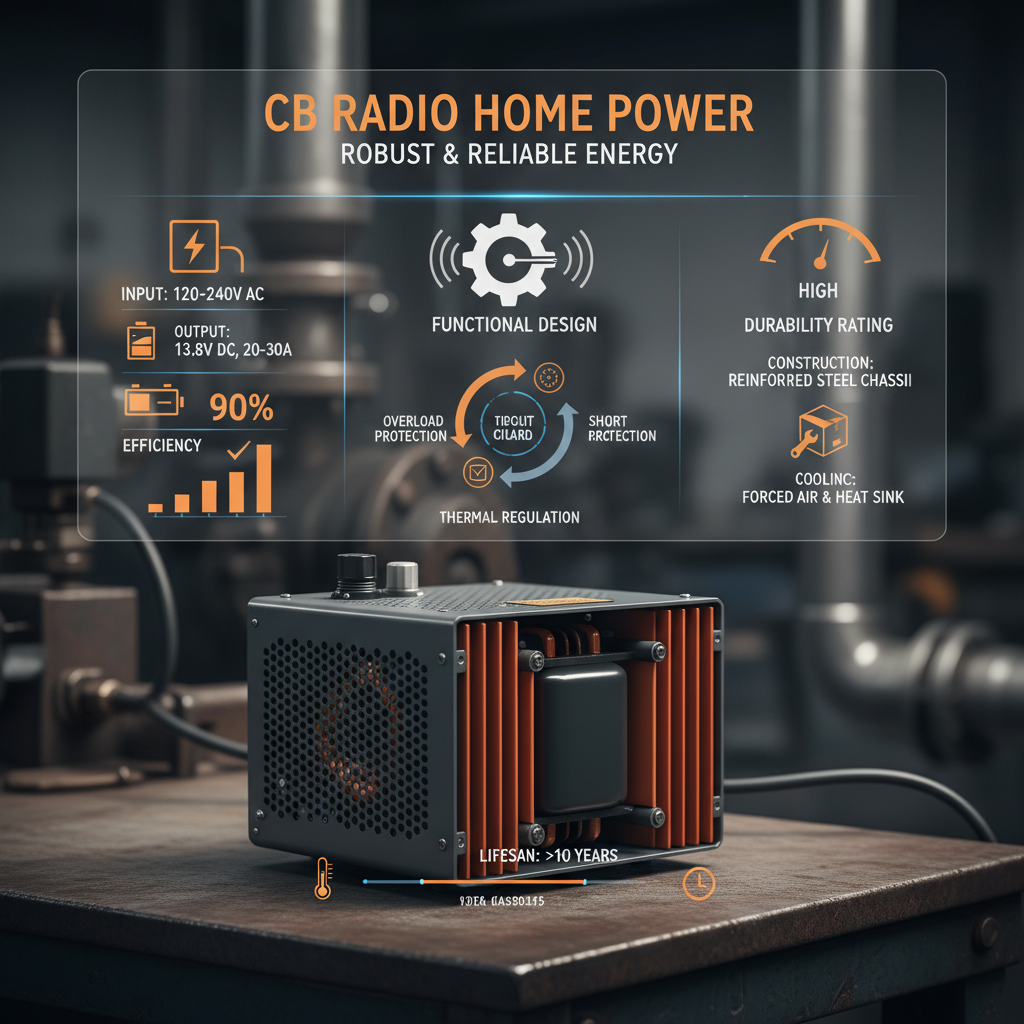
When selecting a power supply, consider these essential features: Regulated Output: A regulated power supply maintains a stable voltage output, regardless of fluctuations in the AC input voltage. This is crucial for consistent CB radio performance. Over-Current Protection: This feature protects the power supply and your CB radio from damage caused by excessive current draw. Short-Circuit Protection: Similar to over-current protection, this safeguards against short circuits. Over-Voltage Protection: Prevents damage from excessively high input voltage. Cooling Fan: A cooling fan helps dissipate heat, especially in higher-wattage power supplies.
Choosing the Right Wattage: A Practical Guide
Determining the appropriate wattage is crucial. A good rule of thumb is to choose a power supply with at least 20% more wattage than your CB radio’s maximum current draw. This provides a safety margin and ensures the power supply isn’t constantly running at its maximum capacity. If you plan to use accessories like amplifiers or extra lights, factor their power consumption into the equation. For example, if your CB radio draws 15 Amps at 12V (180 Watts), a 200-250 Watt power supply would be a suitable choice.
Where to Find Quality CB Radio Power Supplies
You can find CB radio power supplies at various retailers, including electronics stores, CB radio specialty shops, and online marketplaces. When purchasing online, be sure to check customer reviews and ensure the seller is reputable. ACDCBESS offers a wide range of high-quality power supplies designed for various applications, including CB radios. We prioritize reliability and performance, ensuring our customers receive a stable and clean power source.
Conclusion: Powering Your Communication
Investing in a quality CB radio power supply is essential for reliable communication and protecting your investment. By understanding your radio’s power needs, considering the different types of power supplies, and looking for key features, you can make an informed decision. Visit ACDCBESS to explore our selection of high-performance power supplies and ensure your CB radio is always ready to go.
Frequently Asked Questions (FAQs)
What’s the difference between Amps and Watts when it comes to power supplies?
Amps (Amperes) measure the current flowing through a circuit, while Watts measure the power consumed. The relationship between them is: Watts = Volts x Amps. For a CB radio power supply, you need to consider both. The voltage is typically fixed at 12V, so the amperage determines how much power the supply can deliver. Choosing a power supply with sufficient amperage is vital to ensure your radio receives enough current to operate correctly, especially during transmission. A higher wattage power supply can deliver more current at the same voltage.
Can I use a car battery charger as a CB radio power supply?
While a car battery charger can technically power a CB radio, it’s generally not recommended. Car battery chargers often produce a “dirty” DC voltage with ripple and noise, which can interfere with the radio’s reception and transmission. Dedicated CB radio power supplies provide a cleaner, regulated output, ensuring optimal performance. Also, car battery chargers may not have the necessary over-current and short-circuit protection features, potentially damaging your radio.
What is "ripple" in a power supply and why is it important?
Ripple refers to the small AC voltage fluctuations that can remain on the DC output of a power supply. A high level of ripple can introduce noise into your CB radio’s audio, resulting in static or distorted transmissions. A well-designed power supply, particularly a linear power supply, will have very low ripple. Modern switching power supplies have improved significantly in reducing ripple, but it's still a factor to consider. Lower ripple generally equates to cleaner and more reliable performance.
-
Cedar Point EV Charging Solutions for Sustainable Tourism Experience
NewsApr.16,2026
-
Guide to Cedar Point Charging Stations for EV Park Visitors
NewsApr.16,2026
-
Acorn Stairlift Charging Point Guide for Home Mobility Optimization
NewsApr.16,2026
-
Integrating a Wireless Charging Point into Modern Infrastructure
NewsApr.16,2026
-
How to Optimize Your iPhone 14 Charging Point for Efficiency
NewsApr.16,2026
-
Analyzing the Charging Point Share Price Trends and Market Outlook
NewsApr.09,2026