


Feb . 24, 2026 10:50 Back to list
Choosing the Ideal Portable Power Station Anker for Reliable Power Solutions
Choosing the Right Portable Power Station Anker for Your Needs
In today’s increasingly mobile world, reliable power access is crucial, whether you're camping, navigating power outages, or working remotely. A portable power station, particularly those from brands like Anker, provides a versatile solution. This article will delve into the benefits of choosing a portable power station, focusing on Anker models, key features to consider, and how to select the ideal unit for your specific requirements. We’ll explore capacity, output, portability, and safety features to help you make an informed decision.
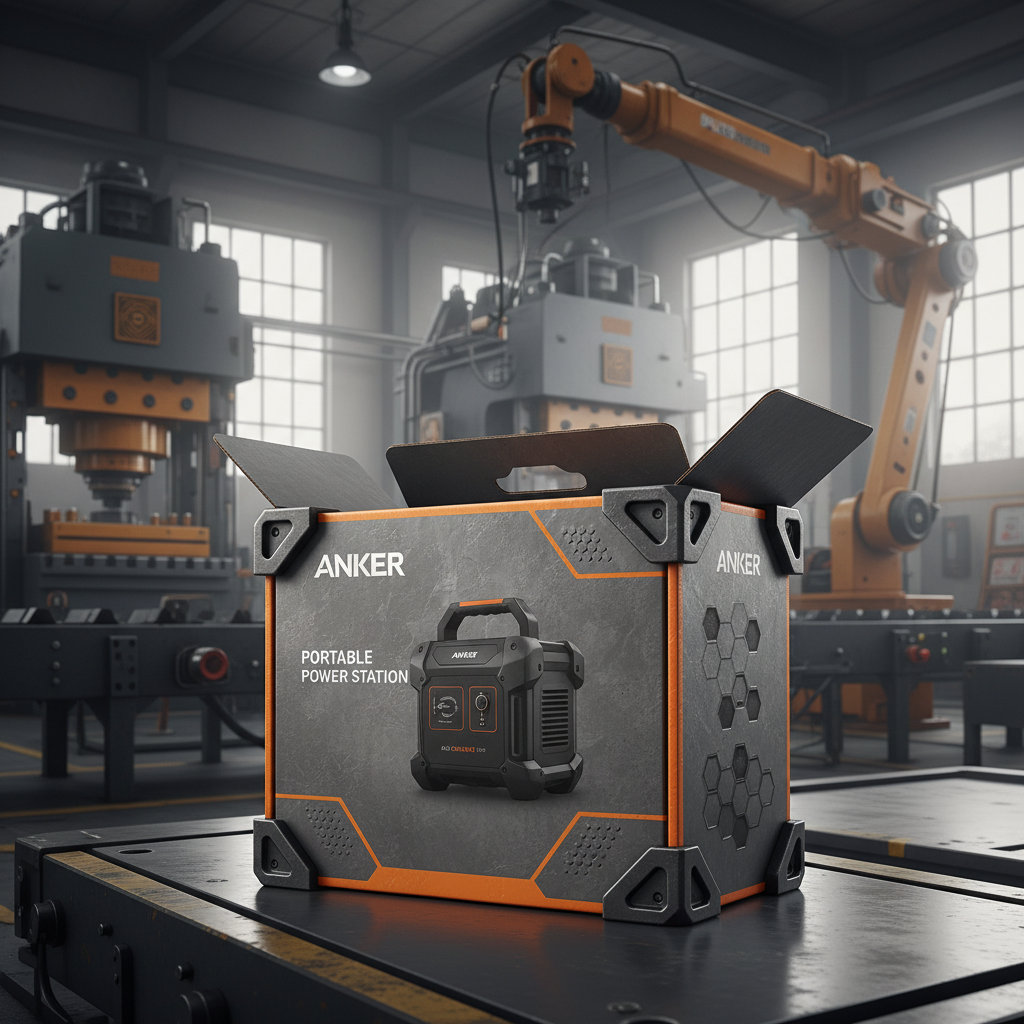
Why Choose a Portable Power Station?
Portable power stations offer a clean, quiet, and efficient alternative to traditional gasoline generators. They are emission-free, making them environmentally friendly, and require minimal maintenance. These stations are ideal for a variety of applications, including camping, RV travel, emergency backup power, and outdoor events. They’re also quieter than generators, which is a significant benefit in noise-sensitive environments. With advancements in battery technology, modern portable power stations now provide impressive power output and capacity. Choosing the right model allows for peace of mind knowing you have dependable power wherever you go.
Key Benefits: Emission-free, quiet operation, minimal maintenance, versatile applications, and dependable power.
Understanding Anker Portable Power Stations
Anker is a renowned brand known for its high-quality power banks and charging solutions. Their portable power stations build upon this reputation, offering reliable performance and innovative features. Anker power stations typically utilize lithium iron phosphate (LiFePO4) batteries, known for their safety, longevity, and high energy density. They come in a range of capacities, from smaller units suitable for powering smartphones and laptops, to larger models capable of running appliances like refrigerators and power tools. Anker portable power stations are designed with portability and ease of use in mind.
Key Features of Anker Power Stations:
• LiFePO4 Battery Technology
• Multiple Output Ports (AC, DC, USB)
• Fast Charging Capabilities
• Intelligent Battery Management System (BMS)
Choosing the Right Capacity: A Comparison
Selecting the appropriate capacity is critical. The capacity, measured in watt-hours (Wh), determines how long the power station can run your devices. Consider the power consumption of the appliances you intend to power and the duration you need them to run. Here's a comparison of different Anker power station capacities:
Portability and Output Options
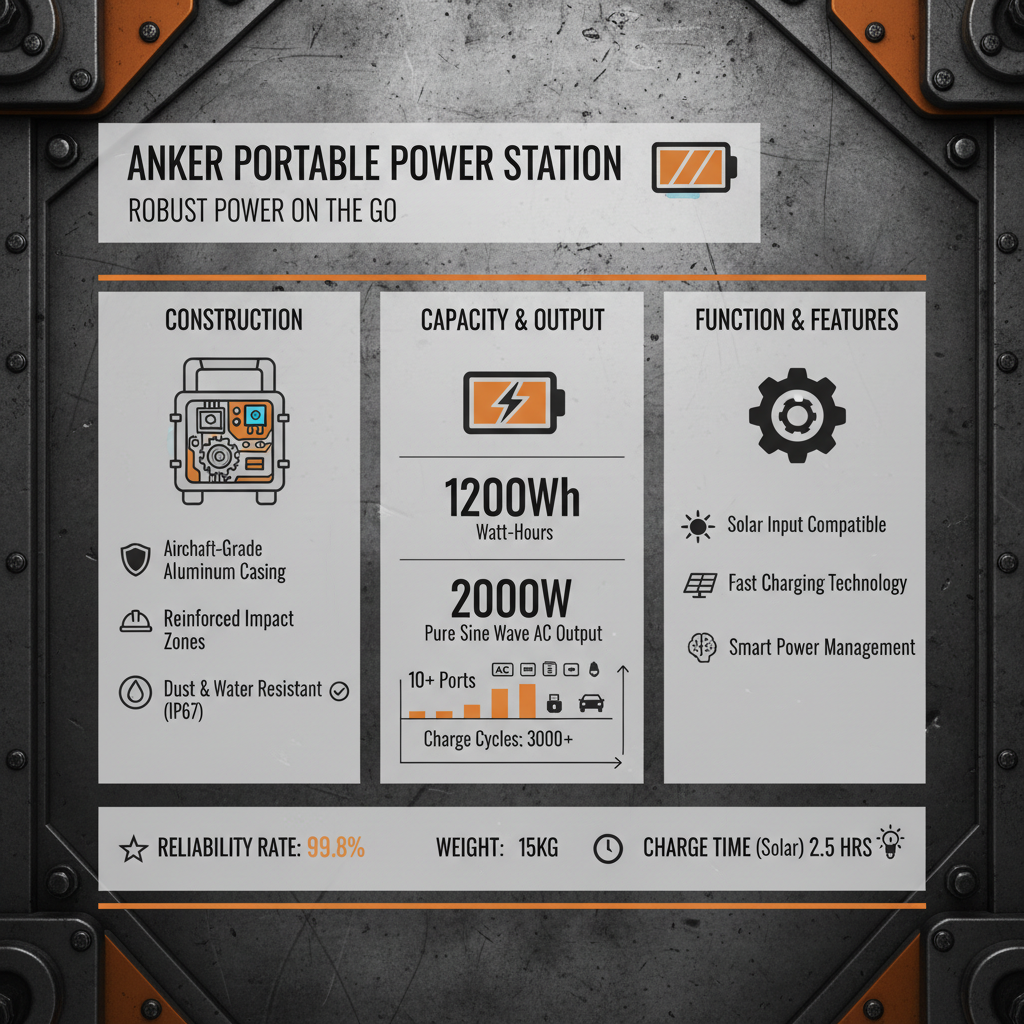
Consider the weight and size of the power station, especially if you plan to transport it frequently. Anker models vary in size and weight, with some designed for maximum portability. The number and type of output ports are also important. Look for a station with sufficient AC outlets, DC ports, and USB ports to power all your devices simultaneously. Pay attention to the output wattage, ensuring it can handle the power demands of your most energy-intensive appliances.
Safety Features and Considerations
Safety is paramount when choosing a portable power station. Look for models with a robust Battery Management System (BMS) to protect against overcharge, over-discharge, and short circuits. LiFePO4 batteries are inherently safer than other lithium-ion battery chemistries. Ensure the power station has proper ventilation and complies with relevant safety standards. Regular maintenance, such as checking connections and storing the station in a cool, dry place, is also important.
Conclusion: Powering Your Life with Anker
Investing in a portable power station Anker offers a reliable and versatile solution for your power needs. By carefully considering capacity, portability, output options, and safety features, you can select the ideal unit to empower your adventures, prepare for emergencies, and enjoy peace of mind. ACDCBESS offers a range of Anker portable power stations to meet diverse requirements.
Frequently Asked Questions (FAQs)
How long will a fully charged Anker power station last?
The runtime depends heavily on the capacity of the power station and the power draw of the devices connected. For example, a 521Wh power station could run a 60W laptop for around 8-9 hours. Larger capacity models can power refrigerators or other appliances for a significantly longer duration. It's crucial to calculate the total wattage of the devices you plan to use and match it to the power station's capacity for an accurate estimate. You can find detailed runtime examples on the ACDCBESS website.
Can I recharge my Anker power station while using it?
Yes, many Anker power stations support pass-through charging, allowing you to recharge the station while simultaneously powering devices. However, the charging speed might be reduced when both charging and discharging are occurring. It's generally recommended to fully charge the station before extended use to maximize runtime.
What are the best ways to charge an Anker power station?
Anker power stations can typically be charged via AC wall outlet, car charger, or solar panels (with a compatible solar charging adapter). Solar charging is an excellent option for off-grid scenarios. The charging time will vary depending on the power source. AC wall charging is usually the fastest, while solar charging is dependent on sunlight intensity.
-
Cedar Point EV Charging Solutions for Sustainable Tourism Experience
NewsApr.16,2026
-
Guide to Cedar Point Charging Stations for EV Park Visitors
NewsApr.16,2026
-
Acorn Stairlift Charging Point Guide for Home Mobility Optimization
NewsApr.16,2026
-
Integrating a Wireless Charging Point into Modern Infrastructure
NewsApr.16,2026
-
How to Optimize Your iPhone 14 Charging Point for Efficiency
NewsApr.16,2026
-
Analyzing the Charging Point Share Price Trends and Market Outlook
NewsApr.09,2026