


Mar . 07, 2026 01:55 Back to list
Choosing the Right Home 12V Power Supply for Your Low Voltage Needs
Choosing the Right Home 12V Power Supply: A Comprehensive Guide
Selecting the perfect 12V power supply for your home applications is crucial for ensuring the safety and reliability of your devices. Whether you're powering security systems, LED lighting, or other low-voltage electronics, understanding the different types, features, and specifications is paramount. This guide will provide a detailed overview of home 12V power supplies, helping you make an informed decision based on your specific needs. We'll explore key factors like wattage, regulation, protection features, and more.
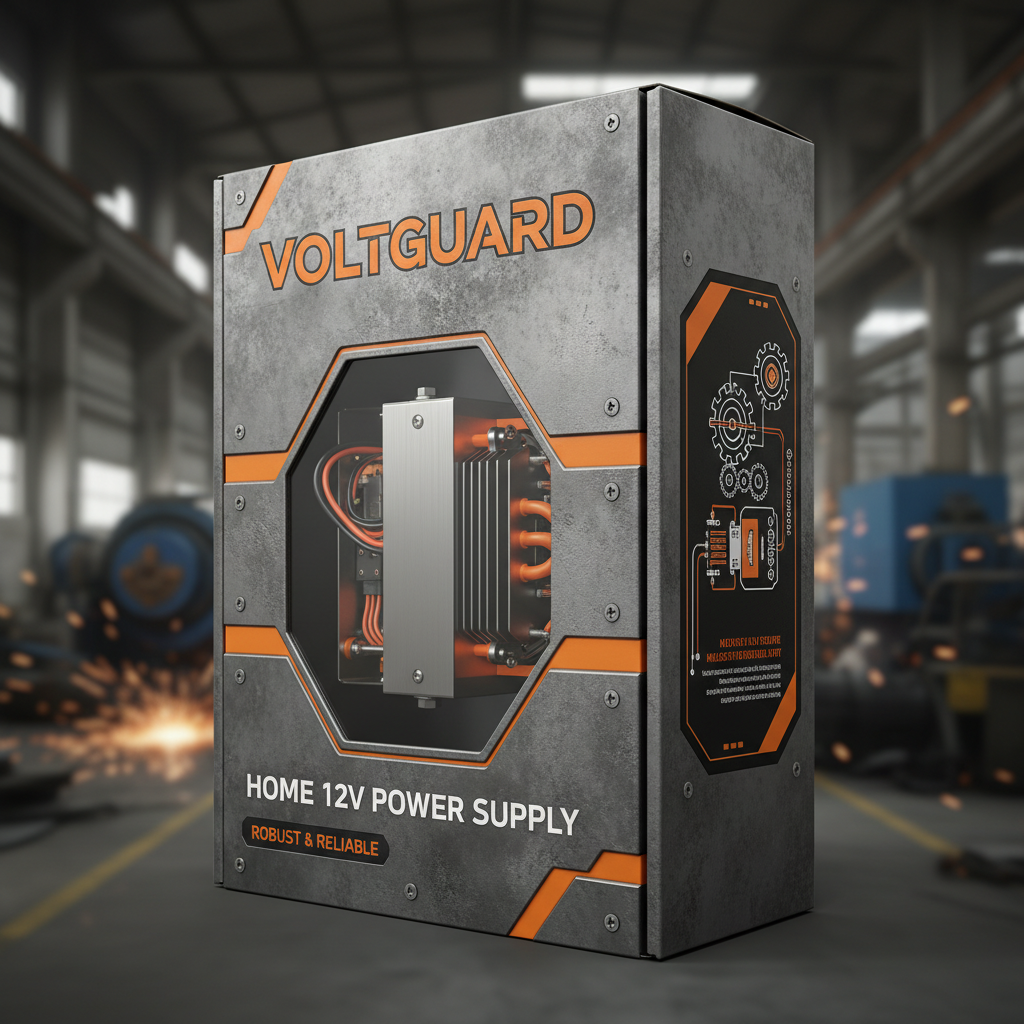
Understanding Different Types of 12V Power Supplies
There are several types of 12V power supplies available, each with its own advantages and disadvantages. Linear power supplies are known for their clean output and low noise, but are generally larger and less efficient. Switching power supplies, on the other hand, are more compact, lighter, and more efficient, making them popular for a wide range of applications. Another type, often used for backup systems, is the battery charger/power supply combination, providing both charging and continuous power. Understanding these differences will help you choose the best option for your specific needs. The choice often depends on the sensitivity of the devices you’re powering and the space available.
Key Specifications to Consider When Choosing a Home 12V Power Supply
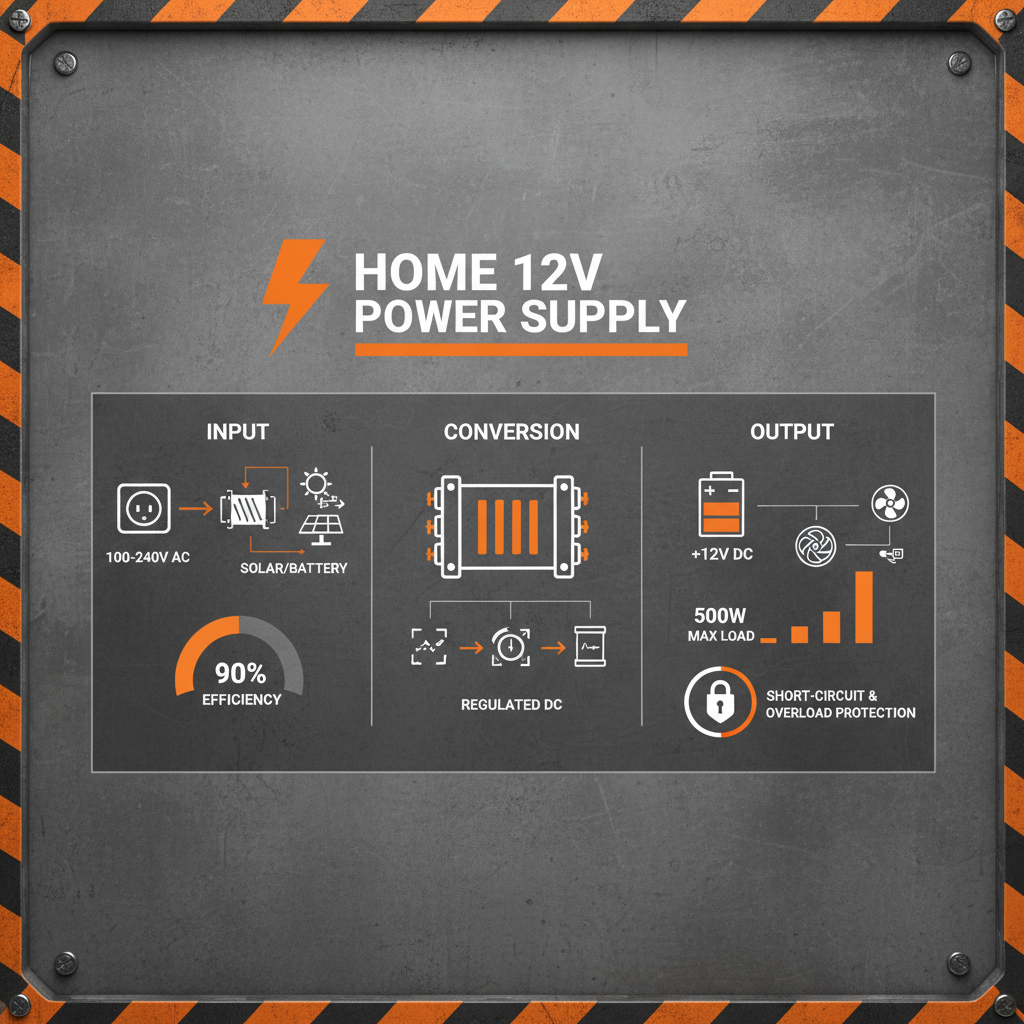
When selecting a home 12V power supply, several key specifications should be carefully considered. Wattage is the most important, determining the maximum power the supply can deliver. Voltage regulation ensures a stable output voltage, protecting sensitive electronics. Efficiency impacts energy consumption and heat generation. Finally, protection features such as overload, short circuit, and over-temperature protection are essential for safety and reliability. Make sure the wattage rating exceeds the total power requirements of all the devices you intend to connect to the power supply. A good rule of thumb is to add a 20% margin to ensure stable operation.
Key Considerations: Voltage regulation ensures stable output, protecting sensitive electronics. Efficiency impacts energy consumption. Protection features (overload, short circuit, over-temperature) are crucial for safety.
Comparing Features: Linear vs. Switching 12V Power Supplies
Choosing between a linear and a switching 12V power supply often comes down to specific application requirements. Linear power supplies provide a very clean and stable output, ideal for sensitive audio equipment or applications requiring minimal noise. However, they are larger, heavier, and less energy-efficient. Switching power supplies are more compact, lighter, and more efficient, but can sometimes introduce more electrical noise. Here’s a comparison:
Applications for Home 12V Power Supplies
Home 12V power supplies are incredibly versatile and used in numerous applications. Common uses include powering security cameras and alarm systems, providing power for LED lighting strips and spotlights, supplying power to gate openers and electric fences, and powering low-voltage appliances. They are also frequently used in DIY projects involving robotics, electronics, and home automation. Selecting a power supply with the correct wattage and features is vital for ensuring optimal performance and longevity of your devices.
Product Spotlight: ACDCBESS 12V Power Supplies
ACDCBESS offers a wide range of high-quality 12V power supplies designed to meet the diverse needs of homeowners and DIY enthusiasts. Our power supplies feature advanced protection circuits, high efficiency, and reliable performance. We offer various wattage options, from small units for individual devices to larger units for powering entire systems. Here's a look at some of our popular models:
Conclusion: Powering Your Home with Confidence
Choosing the right home 12V power supply is an investment in the safety and reliability of your devices. By considering the specifications, comparing different types, and choosing a reputable brand like ACDCBESS, you can ensure a stable and efficient power supply for all your low-voltage applications. Explore our range of power supplies today and find the perfect solution for your needs!
Frequently Asked Questions (FAQs)
What wattage 12V power supply do I need?
Determining the correct wattage involves calculating the total power consumption of all devices you plan to connect. Find the wattage rating for each device (usually printed on the device itself or in the manual) and add them together. It's crucial to add a safety margin of at least 20% to this total. For example, if your devices consume a total of 50W, you should choose a power supply with a minimum wattage of 60W. Using a power supply with insufficient wattage can lead to instability, malfunction, or even damage to your devices. It’s always better to overestimate slightly than to risk underpowering your system.
What does 'regulated' mean in a 12V power supply?
A 'regulated' 12V power supply maintains a constant output voltage even when the input voltage fluctuates or the load (devices connected) changes. This is essential for sensitive electronics that require a stable power source. Without regulation, voltage fluctuations can cause devices to malfunction or be damaged. Regulated power supplies typically use feedback mechanisms to constantly monitor and adjust the output voltage, ensuring consistent performance. ACDC Bess power supplies all feature high voltage regulation, offering consistent performance for all your electronics.
What safety features should I look for?
Essential safety features include overload protection (prevents damage from excessive power draw), short circuit protection (cuts power in case of a short), and over-temperature protection (prevents overheating). Over-voltage protection is also important to safeguard against spikes in voltage. These features protect both the power supply itself and the connected devices from damage. ACDCBESS power supplies incorporate all of these essential safety features to ensure reliable and safe operation.
Can I use a higher wattage power supply than I need?
Yes, you can generally use a higher wattage power supply than your devices require. In fact, it's often recommended to choose a power supply with some headroom. A higher wattage power supply will run cooler and more efficiently, potentially extending its lifespan. However, the voltage must be correct (12V in this case). Using a higher voltage power supply will almost certainly damage your devices.
-
Cedar Point EV Charging Solutions for Sustainable Tourism Experience
NewsApr.16,2026
-
Guide to Cedar Point Charging Stations for EV Park Visitors
NewsApr.16,2026
-
Acorn Stairlift Charging Point Guide for Home Mobility Optimization
NewsApr.16,2026
-
Integrating a Wireless Charging Point into Modern Infrastructure
NewsApr.16,2026
-
How to Optimize Your iPhone 14 Charging Point for Efficiency
NewsApr.16,2026
-
Analyzing the Charging Point Share Price Trends and Market Outlook
NewsApr.09,2026