


Mar . 08, 2026 01:55 Back to list
Choosing the Right Home Depot DC Power Supply for Your Applications
Choosing the Right Home Depot DC Power Supply: A Comprehensive Guide
Selecting the correct DC power supply is crucial for the reliable operation of your devices. Whether you're powering electronics, robotics projects, or industrial equipment, a dependable power source is paramount. This article provides a comprehensive overview of Home Depot DC power supplies, exploring key considerations, common applications, and what to look for when making a purchase. We will cover everything from voltage and current ratings to safety features, ensuring you find the perfect power supply for your specific needs. Choosing the right power supply can prevent damage to your equipment and ensure optimal performance.
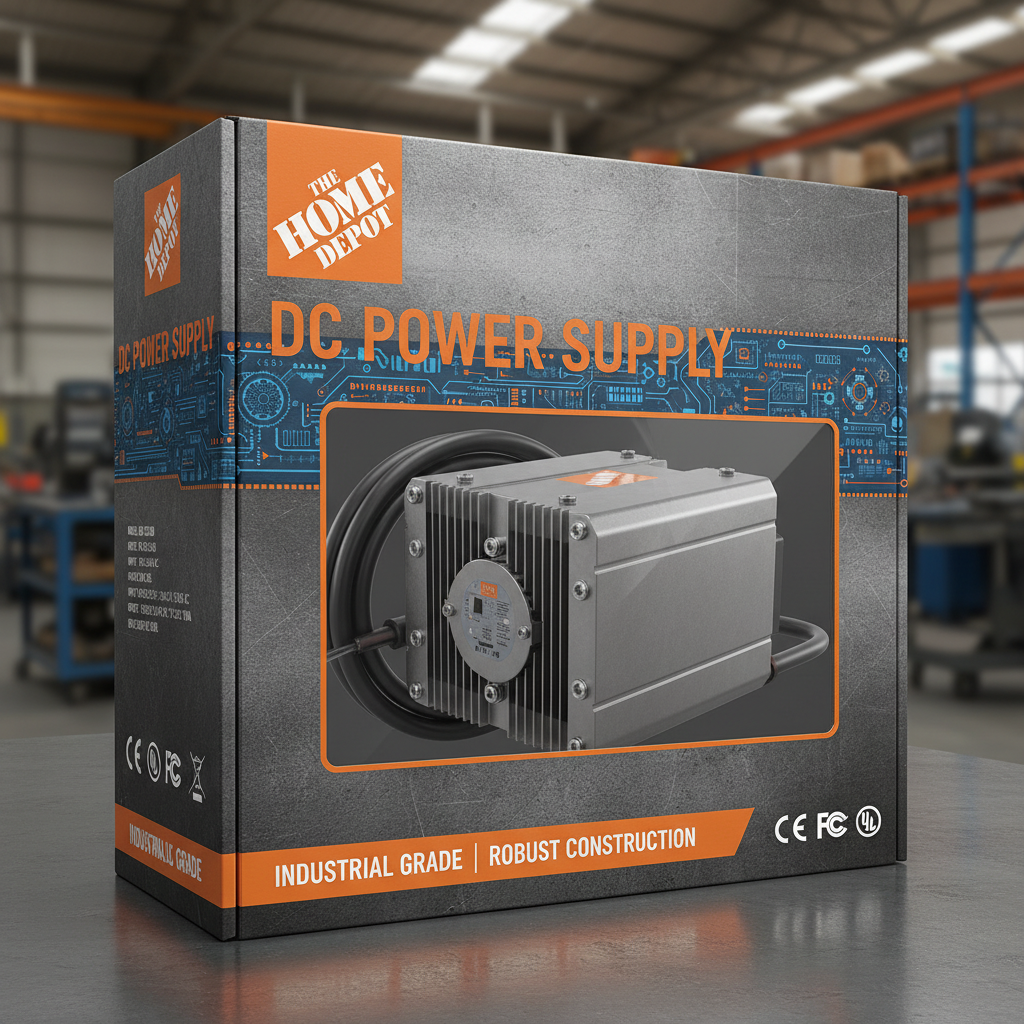
Understanding DC Power Supply Specifications
Before diving into specific models, it's essential to understand key specifications. Voltage (V) indicates the electrical potential difference, while Current (A) represents the flow of electrical charge. The power supply must match the voltage requirements of your device. It’s generally safe to have a power supply with a higher current rating than your device needs, but never use a power supply with a lower current rating. Wattage (W) is calculated by multiplying voltage and current (W = V x A). Understanding these basics will help you narrow down your options and ensure compatibility. Also, consider the input voltage requirements – is it designed for 120V AC or 240V AC? ACDCBESS offers a wide range of DC power supplies with diverse specifications to meet any application.
Key Takeaway: Matching the voltage and ensuring sufficient current capacity are critical for safe and reliable operation.
Home Depot DC Power Supply: Applications and Uses
Home Depot DC power supplies cater to a broad spectrum of applications. They are commonly used for powering small electronics like routers and modems, providing backup power during outages. In hobbyist and DIY projects, they're vital for powering robotics, Arduino projects, and LED lighting. Industrial applications include powering control systems, sensors, and other low-voltage equipment. Selecting a power supply suitable for the intended application is crucial for safety and performance. Consider the environmental conditions; some power supplies are designed for harsh environments while others are better suited for indoor use.
Common Applications:
• Powering Electronics (Routers, Modems)
• DIY and Robotics Projects
• LED Lighting
• Industrial Control Systems
Comparing Home Depot DC Power Supply Options
The market offers a variety of DC power supplies, each with its own strengths and weaknesses. Some models prioritize cost-effectiveness, while others focus on high efficiency and reliability. Switched-mode power supplies are common due to their compact size and high efficiency. Linear power supplies provide a cleaner output but are typically larger and less efficient. Consider features like short-circuit protection, overload protection, and over-temperature protection. The best choice depends on your specific requirements and budget.
Safety Features to Look For in a Home Depot DC Power Supply
Safety is paramount when dealing with electrical equipment. Look for power supplies with built-in protection features such as short-circuit protection (preventing damage if the output is shorted), overload protection (limiting the output current to a safe level), and over-temperature protection (shutting down the power supply if it overheats). These features protect both your equipment and yourself from potential hazards. Compliance with safety standards like UL or CE is also a good indicator of quality and reliability. ACDCBESS prioritizes safety in all its products.
Choosing the Right Power Supply: A Quick Guide
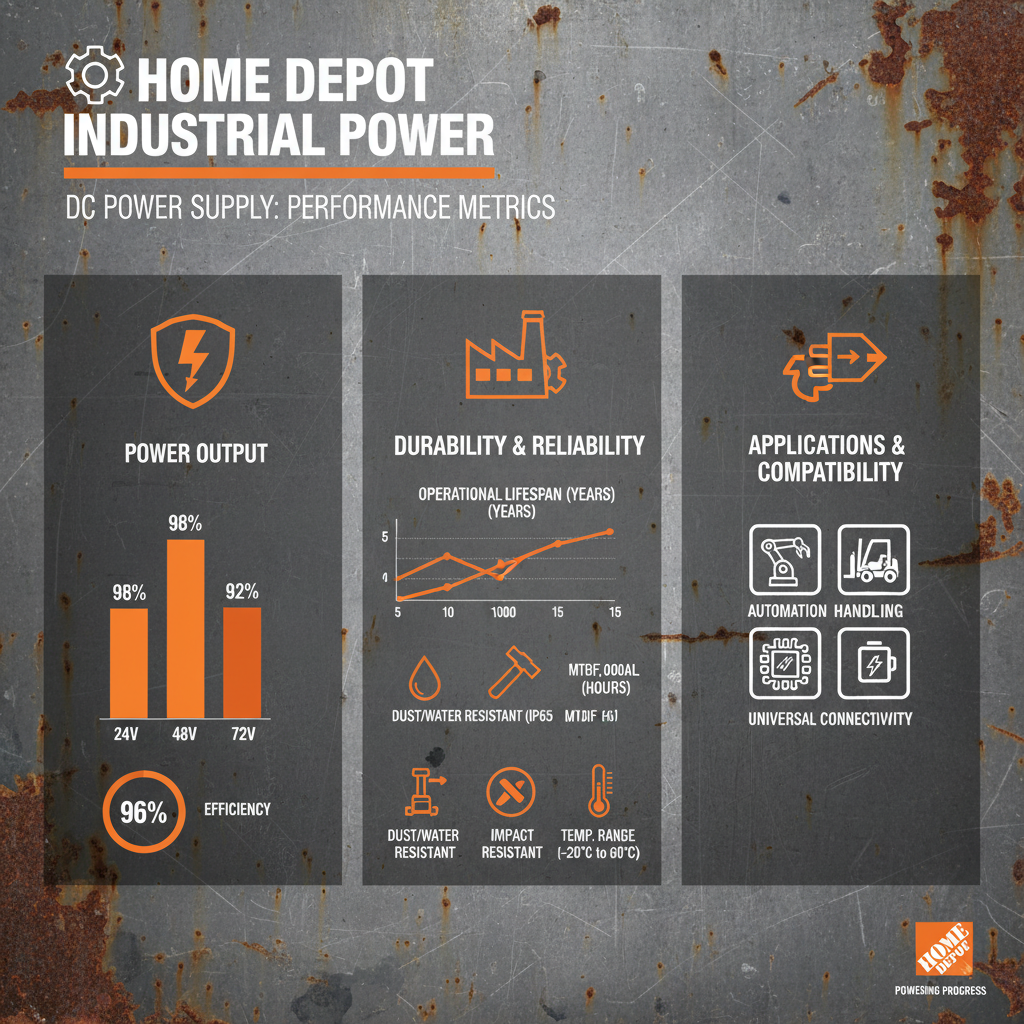
Selecting the right Home Depot DC power supply requires careful consideration of your needs. Determine the voltage and current requirements of your device. Prioritize safety features like short-circuit and overload protection. Consider the application environment – indoor or outdoor, harsh or mild. Compare specifications and read reviews from other users. Finally, choose a reputable brand known for quality and reliability like ACDCBESS.
Conclusion
Choosing the right DC power supply is an investment in the longevity and reliability of your equipment. By understanding the key specifications, safety features, and available options, you can make an informed decision that meets your specific needs. ACDCBESS offers a comprehensive range of high-quality power supplies to ensure optimal performance and peace of mind.
Frequently Asked Questions (FAQs)
What is the difference between a regulated and unregulated DC power supply?
A regulated DC power supply maintains a constant output voltage regardless of variations in input voltage or load current. This is crucial for sensitive electronics that require a stable power source. Unregulated power supplies, on the other hand, produce a varying output voltage depending on these factors. While cheaper, unregulated power supplies are less suitable for applications requiring precision and stability. For most electronic devices, a regulated power supply is recommended.
Can I use a power supply with a higher voltage than my device requires?
Absolutely not. Using a power supply with a higher voltage can cause immediate and irreversible damage to your device. The voltage must match the device’s specifications. A higher current rating is generally safe, as the device will only draw the current it needs, but exceeding the voltage limit is always a risk.
How do I determine the current (A) my device needs?
The current requirement is usually indicated on the device itself, its power adapter, or in its user manual. It is often labeled as “Input Current” or “Operating Current”. If you can only find the wattage (W) and voltage (V), you can calculate the current using the formula: Current (A) = Wattage (W) / Voltage (V). It’s always best to choose a power supply with a current rating slightly higher than the device’s requirement to provide a safety margin.
What does "ripple" mean in a DC power supply?
Ripple refers to the small AC voltage fluctuations that can remain on the DC output of a power supply. High ripple can interfere with sensitive electronic circuits. Better quality power supplies, especially linear power supplies, typically have lower ripple. For applications where a clean DC output is critical, look for a power supply with low ripple specifications.
-
Cedar Point EV Charging Solutions for Sustainable Tourism Experience
NewsApr.16,2026
-
Guide to Cedar Point Charging Stations for EV Park Visitors
NewsApr.16,2026
-
Acorn Stairlift Charging Point Guide for Home Mobility Optimization
NewsApr.16,2026
-
Integrating a Wireless Charging Point into Modern Infrastructure
NewsApr.16,2026
-
How to Optimize Your iPhone 14 Charging Point for Efficiency
NewsApr.16,2026
-
Analyzing the Charging Point Share Price Trends and Market Outlook
NewsApr.09,2026