


Feb . 25, 2026 01:55 Back to list
Choosing the Right Portable Power Station for EV Owners A Comprehensive Guide
Choosing the Right Portable Power Station for EV: A Comprehensive Guide
Electric vehicles (EVs) are becoming increasingly popular, but range anxiety remains a concern for many drivers. A portable power station for EV can provide a crucial safety net, offering a convenient source of emergency charging on the go. This guide explores the benefits of portable power stations for EV owners, key features to consider, and how to choose the best option for your needs. Having a reliable power source provides peace of mind and ensures you're never stranded. We'll dive into what to look for when selecting the right unit to keep your EV journey smooth and worry-free.
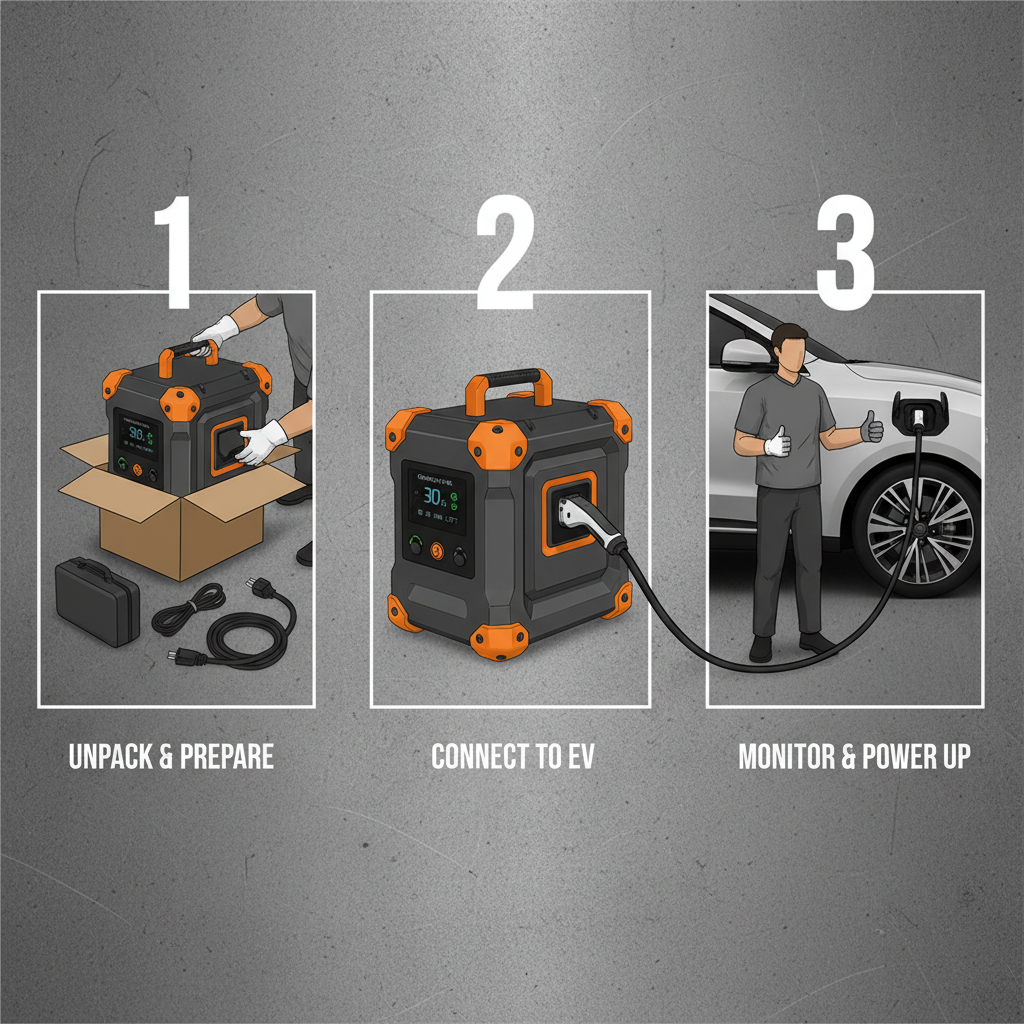
Why Use a Portable Power Station for Your EV?
The primary benefit of a portable power station is emergency charging capability. While most EV trips are planned, unexpected detours, traffic delays, or underestimation of energy consumption can leave you stranded. A portable power station provides a temporary charge, enough to reach the next charging station. Beyond emergencies, they are also invaluable for camping, overlanding, or powering accessories during road trips. These stations are also a great backup power source for your home during outages. Their versatility and reliability make them an essential addition for any EV owner prioritizing peace of mind.
Key Benefits: Emergency charging, off-grid power, powering accessories, home backup power.
Key Features to Consider When Choosing a Portable Power Station for EV
Several factors determine the suitability of a portable power station for EV charging. Capacity (measured in Watt-hours - Wh) dictates how much energy the station can store. Output wattage determines the maximum power it can deliver. EV charging requires significant wattage, so a higher output is crucial. Charging time (for the power station itself) is another important consideration. Finally, portability - weight and size - affects ease of transport. Features like multiple outlet types (AC, DC, USB) and display screens providing usage information are also beneficial. Understanding these features is vital for making an informed decision.
Essential Features:
• Capacity (Wh)
• Output Wattage
• Charging Time
• Portability (Weight & Size)
Comparing Portable Power Stations: ACDBESS Models
ACDBESS offers a range of portable power stations designed to meet various needs. Here's a comparison of some popular models, highlighting their key specifications. Choosing the right model depends on your EV’s battery size, charging requirements, and intended usage scenario. We provide solutions designed for emergency charging and off-grid adventures, delivering reliable power when you need it most.
Charging Your EV with a Portable Power Station: What to Expect
The amount of range you can gain from a portable power station varies drastically based on your EV’s efficiency and battery size. Generally, expect to gain a few miles per hour of charging. A larger capacity power station and a higher output wattage will provide more range. It’s important to understand this isn't a fast-charging solution, but rather a way to gain enough range to reach a dedicated charging station. Consider your average energy consumption and typical driving distances when assessing your needs.
Safety Considerations and Best Practices
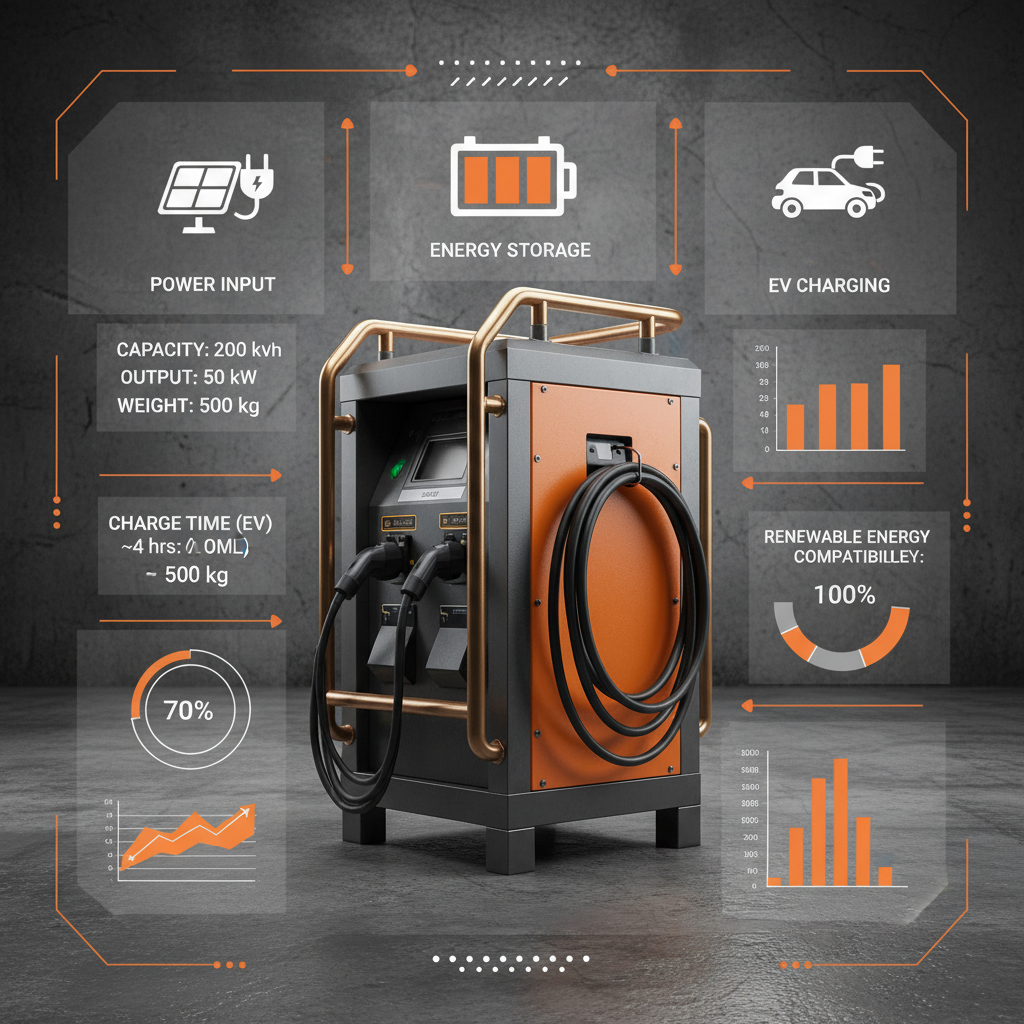
When using a portable power station for EV charging, prioritize safety. Always follow the manufacturer's instructions and use appropriate charging cables. Avoid operating the power station in wet conditions. Ensure the power station is placed on a stable, non-flammable surface. Regularly inspect the cables for damage. Protect the power station from extreme temperatures. Proper maintenance and adherence to safety guidelines will ensure reliable and safe operation.
Conclusion: Powering Your EV Journey with Confidence
Investing in a portable power station for EV is a smart choice for EV owners seeking peace of mind and added convenience. With the right model, you can overcome range anxiety and enjoy the freedom of the open road. Explore the range of solutions offered by ACDBESS today and find the perfect power companion for your electric vehicle!
Frequently Asked Questions (FAQs)
How long will a portable power station take to charge my EV?
Charging time depends heavily on both the power station's output wattage and your EV's charging rate. Typically, you can expect to add around 3-5 miles of range per hour of charging with a mid-range portable power station (500-1000Wh). Keep in mind that this is a slower charging rate than dedicated EV charging stations. It’s sufficient for emergency situations or topping up the battery slightly, but not for a full charge. The power station's charging time is also important; consider how long it takes to recharge the station itself from a wall outlet.
What size portable power station do I need for my EV?
The ideal size depends on your EV's battery capacity and your charging needs. A smaller station (200-500Wh) is suitable for occasional emergency top-ups. For more substantial charging or powering accessories, a larger station (1000Wh or more) is recommended. Calculate the approximate energy your EV consumes per mile, and then determine how many miles of emergency range you want to have available. Consider future needs as well; a larger station provides greater versatility.
Are portable power stations safe to use with EVs?
Yes, when used correctly and following the manufacturer’s instructions. Ensure the power station is certified and meets relevant safety standards. Use only compatible charging cables. Avoid operating the power station in wet conditions or exposing it to extreme temperatures. Regularly inspect cables for damage. ACDBESS power stations incorporate multiple safety features, including overcharge protection, short circuit protection, and temperature control, to ensure safe operation.
Can I use a portable power station to charge my EV while camping?
Absolutely! A portable power station is ideal for charging your EV while camping or during off-grid adventures. It allows you to continue enjoying the benefits of electric driving even when access to traditional charging infrastructure is limited. Just be mindful of the power station's capacity and output wattage, and manage your energy consumption accordingly. ACDBESS power stations are designed for portability and durability, making them perfect for outdoor use.
-
Cedar Point EV Charging Solutions for Sustainable Tourism Experience
NewsApr.16,2026
-
Guide to Cedar Point Charging Stations for EV Park Visitors
NewsApr.16,2026
-
Acorn Stairlift Charging Point Guide for Home Mobility Optimization
NewsApr.16,2026
-
Integrating a Wireless Charging Point into Modern Infrastructure
NewsApr.16,2026
-
How to Optimize Your iPhone 14 Charging Point for Efficiency
NewsApr.16,2026
-
Analyzing the Charging Point Share Price Trends and Market Outlook
NewsApr.09,2026