


Mar . 24, 2026 02:05 Back to list
Choosing the Right Yi Home Camera Power Supply for Reliable Surveillance
Choosing the Right yi home camera power supply: A Comprehensive Guide
Ensuring a consistent power supply for your yi home camera is crucial for reliable surveillance. This guide delves into the specifics of yi home camera power supply options, covering compatibility, specifications, and troubleshooting. Maintaining a stable power source prevents interruptions in recording and live streaming, ensuring your home security remains uninterrupted. We'll explore how to choose the optimal power supply for your camera's needs, covering everything from voltage requirements to safety certifications.
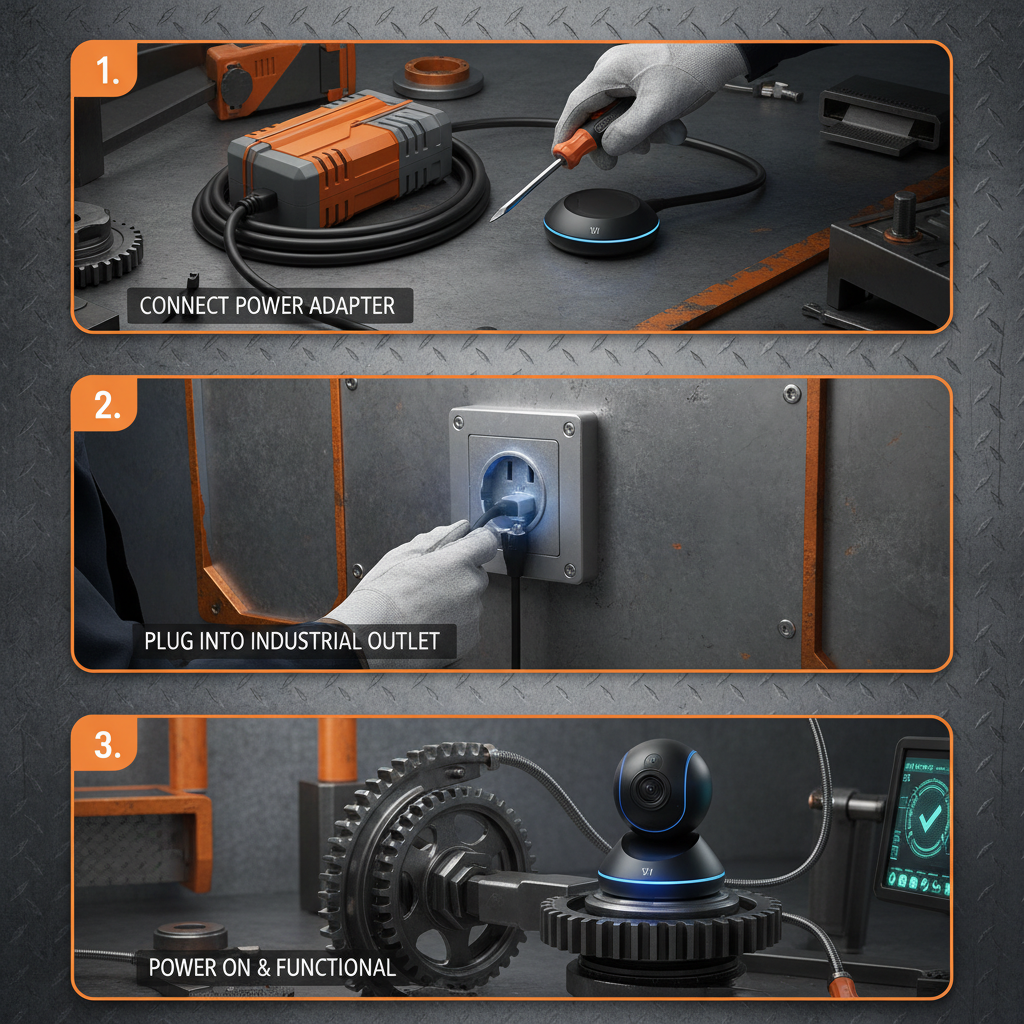
Understanding Your yi Home Camera Power Supply Requirements
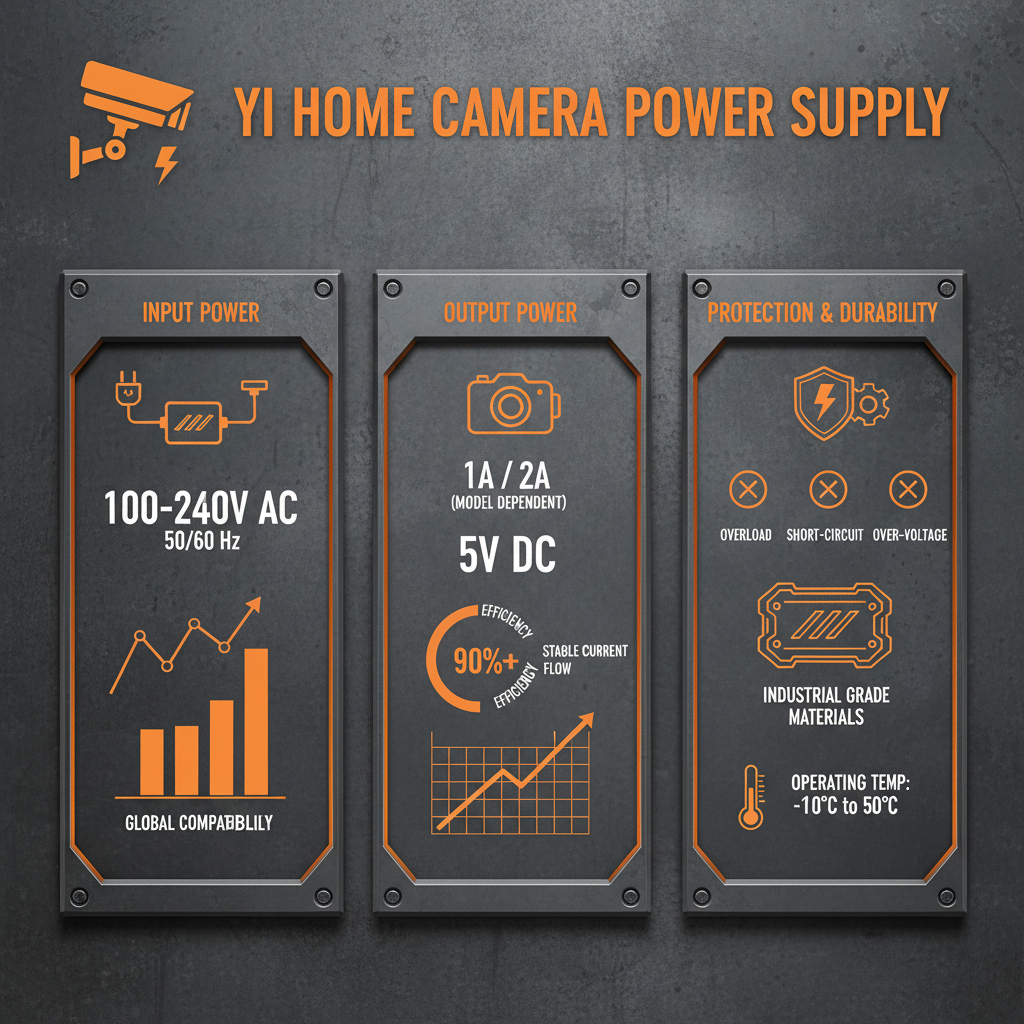
Yi home cameras typically require a 5V/1A or 5V/2A DC power supply. Using an incorrect power supply can lead to performance issues, including intermittent recording, reduced night vision quality, or even permanent damage to the camera. Always check the camera's label or user manual to confirm the specific voltage and amperage requirements. It’s essential to use a power supply that meets or slightly exceeds these specifications to ensure optimal performance. Using a supply with insufficient amperage can cause the camera to malfunction, while a higher voltage can cause irreversible damage.
Key Considerations: Voltage compatibility is paramount. Check your camera's label and user manual before selecting a power supply. Ensure the amperage meets or exceeds the camera's requirement.
Types of yi Home Camera Power Supplies Available
Several types of power supplies can be used with your yi home camera, including wall adapters, USB power adapters, and portable power banks. Wall adapters are the most common and provide a direct connection to a power outlet. USB power adapters offer greater flexibility, allowing you to power the camera from a USB port on a computer or a power bank. Portable power banks are ideal for temporary installations or situations where access to a power outlet is limited. When choosing a power supply, consider the length of the power cable, the availability of surge protection, and the overall quality of the adapter.
Power Supply Options:
• Wall Adapters: Direct connection to power outlet.
• USB Power Adapters: Flexibility with USB ports.
• Portable Power Banks: Temporary installations, no outlet needed.
Comparing Power Supply Specifications
When comparing different power supplies, pay close attention to their specifications. The voltage and amperage must match the camera’s requirements. Look for power supplies with surge protection to safeguard against power fluctuations. Also, consider the cable length to ensure it reaches the camera without needing extension cords. Choosing a reputable brand with certifications like CE or FCC can also provide peace of mind regarding safety and quality. ACDCBESS offers a range of reliable power solutions.
Troubleshooting Common yi Home Camera Power Supply Issues
If your yi camera is not powering on, start by checking the power outlet and ensuring the power adapter is securely connected. Verify the power cable is not damaged. Try a different outlet to rule out electrical issues. If you're using a USB power adapter, test it with another device to confirm it's functioning correctly. If the problem persists, it may indicate a faulty power supply or a camera malfunction. Replace the power supply with a compatible one from a reputable source like ACDCBESS to eliminate the power supply as the cause.
Safety Precautions When Using a yi Home Camera Power Supply
Always use a power supply specifically designed for your yi camera. Do not use damaged or frayed power cords. Avoid overloading power outlets. Keep the power supply away from water and excessive heat. If you notice any unusual smells or sparks, disconnect the power supply immediately. Regularly inspect the power supply for any signs of wear and tear. Ensure the power supply is properly grounded to prevent electrical shock.
Conclusion: Powering Your Peace of Mind
Choosing the right yi home camera power supply is crucial for ensuring continuous, reliable surveillance. By understanding your camera’s requirements, comparing specifications, and adhering to safety precautions, you can maintain a secure and functioning home security system. Don't compromise on the power that protects your peace of mind.
Frequently Asked Questions (FAQs)
What should I do if my yi camera keeps disconnecting?
If your yi camera frequently disconnects, the first step is to check your Wi-Fi connection. Ensure your router is functioning properly and the camera is within range. A weak or unstable Wi-Fi signal can cause intermittent disconnections. Also, consider the power supply. A failing or inadequate power supply can also lead to instability. Try a different power supply meeting the camera’s specifications. Check for firmware updates for your camera and router, as these often include performance improvements and bug fixes. Finally, ensure your camera isn't being interfered with by other wireless devices.
Can I use any USB power adapter with my yi camera?
While most USB power adapters with a USB-A to Micro-USB cable will physically fit your yi camera, it's crucial to verify the voltage and amperage. Your camera requires a 5V adapter. Using an adapter with a different voltage can damage the camera. Always check the output specifications printed on the adapter itself. A 5V/1A or 5V/2A adapter is generally recommended. A higher amperage (2A) can be beneficial, allowing for faster charging and more stable operation.
What are the signs of a failing power supply?
Several signs can indicate a failing power supply. These include intermittent camera operation, a flickering camera display, the camera randomly restarting, or the camera not powering on at all. You might also notice the power adapter feeling unusually hot to the touch. If you observe any of these symptoms, it’s best to replace the power supply with a new one. Continuing to use a failing power supply can potentially damage your camera or create a safety hazard.
Where can I find a reliable yi home camera power supply?
You can find reliable yi home camera power supplies at various retailers, including online marketplaces like Amazon and directly from manufacturers. ACDCBESS offers a selection of high-quality power supplies designed to meet the specific requirements of your yi camera. When purchasing, ensure the power supply meets the correct voltage and amperage specifications and has appropriate safety certifications.
-
Cedar Point EV Charging Solutions for Sustainable Tourism Experience
NewsApr.16,2026
-
Guide to Cedar Point Charging Stations for EV Park Visitors
NewsApr.16,2026
-
Acorn Stairlift Charging Point Guide for Home Mobility Optimization
NewsApr.16,2026
-
Integrating a Wireless Charging Point into Modern Infrastructure
NewsApr.16,2026
-
How to Optimize Your iPhone 14 Charging Point for Efficiency
NewsApr.16,2026
-
Analyzing the Charging Point Share Price Trends and Market Outlook
NewsApr.09,2026