

Mar . 28, 2026 01:55 Back to list
Comprehensive Energy Storage Technology Comparison For Optimal Solutions
Energy Storage Technology Comparison: Navigating the Options
The demand for efficient and reliable energy storage technology is rapidly increasing, driven by the growth of renewable energy sources and the need for grid stabilization. Understanding the different technologies available – from lithium-ion to flow batteries – is crucial for making informed decisions. This article provides a comprehensive comparison of leading energy storage technologies, outlining their strengths, weaknesses, and suitability for various applications. We'll delve into key considerations, including cost, efficiency, lifespan, and environmental impact. Choosing the right technology is pivotal for optimizing energy management and achieving sustainability goals.
Lithium-Ion Batteries: The Current Dominator
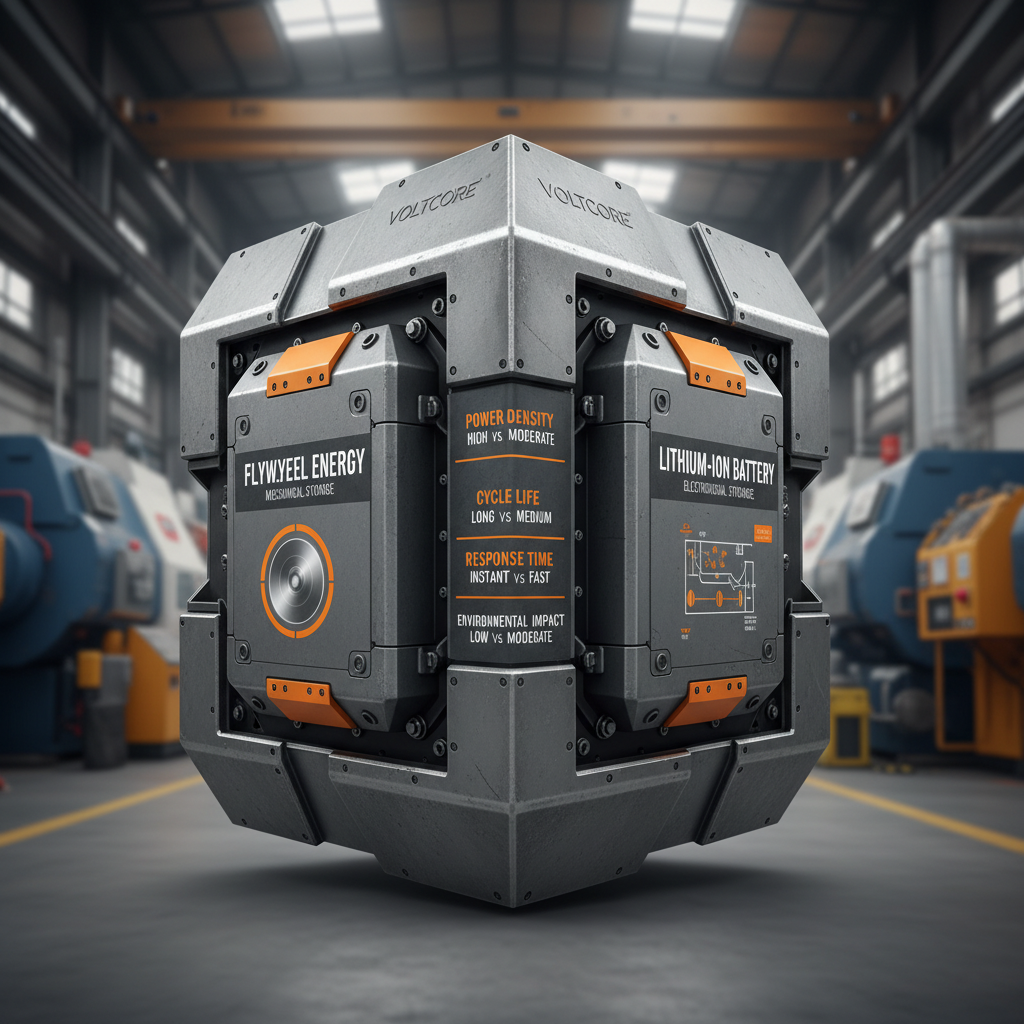
Currently, lithium-ion (Li-ion) batteries dominate the energy storage market. Their high energy density, relatively long lifespan, and declining costs have made them a popular choice for a wide range of applications, including electric vehicles, grid-scale storage, and portable electronics. However, Li-ion batteries have their limitations, including concerns regarding thermal runaway (potential for fire), resource availability (lithium, cobalt), and environmental impact associated with mining and disposal. ACDC BESS offers advanced Li-ion solutions tailored to diverse energy storage needs.
Flow Batteries: A Scalable and Sustainable Alternative
Flow batteries, particularly vanadium redox flow batteries (VRFBs), are emerging as a compelling alternative to Li-ion. These batteries store energy in liquid electrolytes housed in separate tanks, offering independent control of power and energy capacity. This makes them highly scalable and well-suited for long-duration storage applications, such as grid stabilization and renewable energy integration. Flow batteries boast a long lifespan, high cycle life, and enhanced safety compared to Li-ion, with minimal fire risk. Their environmental footprint is also generally lower, as they don't rely on scarce or conflict minerals like cobalt.
Energy Storage Technology Comparison: A Detailed Look
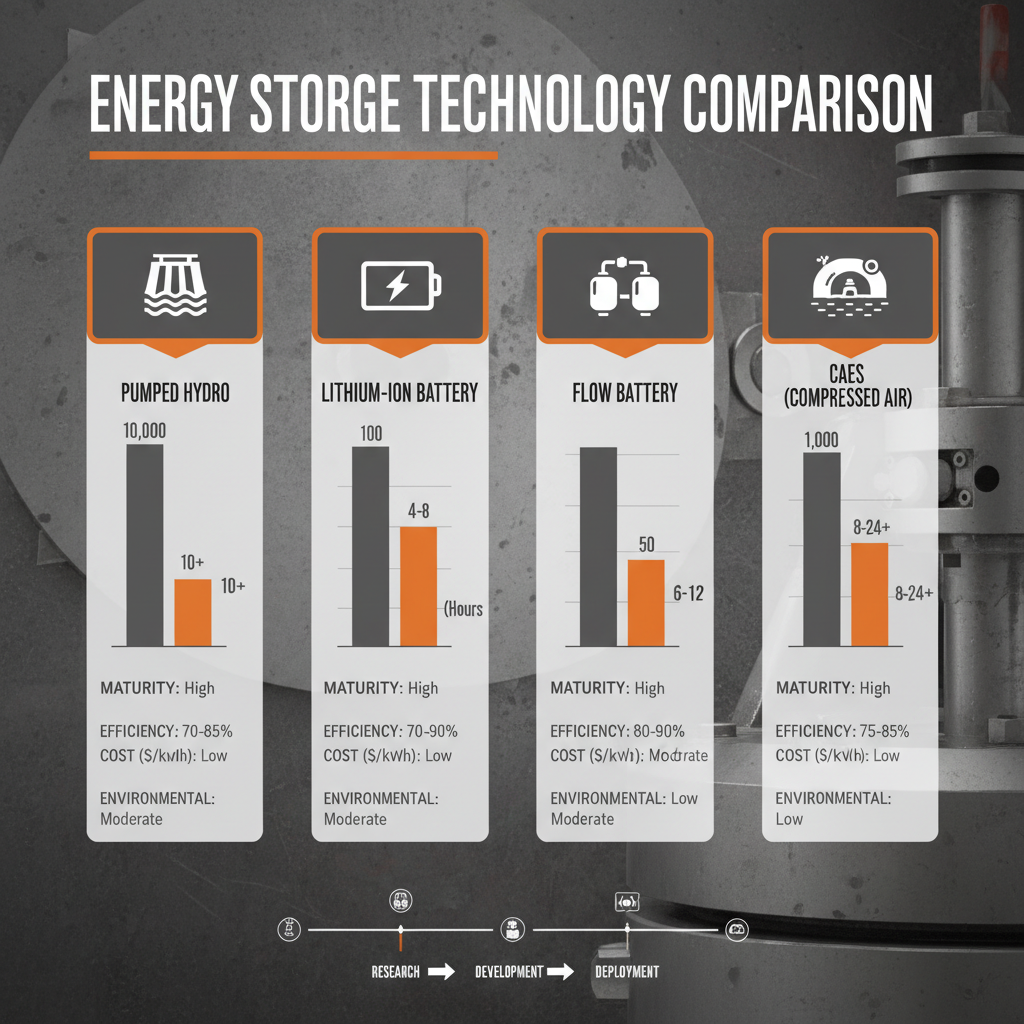
A comprehensive comparison of different energy storage technologies is essential for informed decision-making. The table below highlights the key differences and trade-offs between several prominent options.
Applications & Choosing the Right Technology
The optimal energy storage technology depends heavily on the specific application. Li-ion batteries are well-suited for applications requiring high energy density and rapid response times, such as EVs and short-duration grid services. Flow batteries excel in long-duration storage scenarios, providing grid stability and supporting renewable energy integration. Lead-acid batteries remain a cost-effective option for backup power and smaller-scale applications, while NaS batteries are suited for large-scale grid storage where high temperature operation is acceptable. ACDC BESS offers expertise in assessing your specific needs and recommending the most appropriate solution.
The Future of Energy Storage Technology
Research and development efforts are continually pushing the boundaries of energy storage technology. Emerging technologies, such as solid-state batteries, zinc-air batteries, and hydrogen storage, promise even higher energy densities, improved safety, and reduced environmental impact. As these technologies mature, they are poised to further revolutionize the energy landscape, enabling a more sustainable and resilient power system. ACDC BESS remains at the forefront of these advancements, committed to delivering innovative and reliable energy storage solutions.
Conclusion: Selecting the Optimal Energy Storage Solution
Choosing the right energy storage technology requires careful consideration of factors such as application requirements, cost, lifespan, and safety. Li-ion batteries currently lead the market, but flow batteries offer a compelling alternative for long-duration storage. By partnering with a trusted provider like ACDC BESS, you can ensure you select the solution that best meets your needs and contributes to a more sustainable future.
Frequently Asked Questions (FAQs)
What are the main advantages of flow batteries over lithium-ion?
Flow batteries offer several key advantages over lithium-ion. Firstly, they have a significantly longer lifespan and higher cycle life, making them ideal for applications requiring frequent charging and discharging. Secondly, they are inherently safer, with no risk of thermal runaway. Thirdly, flow batteries allow independent scaling of power and energy, offering greater flexibility in system design. Finally, they don't rely on scarce resources like cobalt, making them a more sustainable option.
How does the cost of energy storage technologies compare?
The cost of energy storage technologies varies significantly. Currently, lithium-ion batteries generally have the lowest upfront cost per kWh, but this can be offset by their shorter lifespan and potential replacement costs. Flow batteries have a higher initial cost, but their long lifespan and minimal maintenance can result in lower total cost of ownership over the long term. Lead-acid batteries are the cheapest initially but have a short lifespan and lower performance. Sodium-Sulfur batteries fall in the middle in terms of cost.
What is the role of energy storage in supporting renewable energy sources?
Energy storage plays a crucial role in integrating renewable energy sources like solar and wind into the grid. Renewable energy generation is intermittent, meaning it fluctuates depending on weather conditions. Energy storage systems can store excess energy generated during peak production periods and release it when demand is high or renewable generation is low, ensuring a reliable and consistent power supply. This helps to stabilize the grid and reduce reliance on fossil fuels.
What factors should I consider when selecting an energy storage system for my business?
Several factors should be considered, including your energy needs, peak demand, load profile, available space, budget, and sustainability goals. Assess whether you require short-duration or long-duration storage, and consider the environmental impact of different technologies. It’s also important to evaluate the reliability and warranty offered by different providers. Consulting with an experienced energy storage specialist like ACDC BESS can help you make the best decision for your business.
-
Cedar Point EV Charging Solutions for Sustainable Tourism Experience
NewsApr.16,2026
-
Guide to Cedar Point Charging Stations for EV Park Visitors
NewsApr.16,2026
-
Acorn Stairlift Charging Point Guide for Home Mobility Optimization
NewsApr.16,2026
-
Integrating a Wireless Charging Point into Modern Infrastructure
NewsApr.16,2026
-
How to Optimize Your iPhone 14 Charging Point for Efficiency
NewsApr.16,2026
-
Analyzing the Charging Point Share Price Trends and Market Outlook
NewsApr.09,2026