


Mar . 07, 2026 01:55 Back to list
Comprehensive Guide to Choosing the Right Home DC Power Supply for Your Needs
Choosing the Right Home DC Power Supply: A Comprehensive Guide
In today's increasingly power-dependent world, a reliable home DC power supply is crucial for a multitude of applications, from powering essential electronics during outages to supporting off-grid living. Selecting the appropriate power supply requires understanding various factors, including voltage, current, efficiency, and safety features. This article provides a detailed exploration of home DC power supplies, helping you make an informed decision for your specific needs. We’ll cover the different types available, key considerations, and how to ensure you’re getting a high-quality, dependable solution.
Understanding DC Power Supplies
A DC (Direct Current) power supply converts AC (Alternating Current) power from the grid into a stable DC voltage. This conversion is essential because most electronic devices operate on DC power. Home DC power supplies come in various forms, including linear power supplies, switching power supplies (SMPS), and battery backup systems. Each type has its own advantages and disadvantages regarding efficiency, size, weight, and cost. Choosing the right type depends largely on the intended application and the level of performance required.
Key Considerations: Selecting the correct voltage and amperage is vital for proper operation and avoiding damage to your devices. Prioritize safety features like overload protection and short-circuit prevention.
Types of Home DC Power Supplies
There are several types of home DC power supplies to choose from. Linear power supplies are known for their low noise and stable output, making them ideal for sensitive electronics. However, they are typically larger, heavier, and less efficient than switching power supplies. Switching power supplies (SMPS) are more compact and energy-efficient, but they can generate more electrical noise. Battery backup systems, such as UPS (Uninterruptible Power Supply) units, provide temporary power during outages, protecting devices from data loss and damage. Each has a unique role in ensuring power stability.
Key Differences:
• Linear Power Supplies: Low noise, stable output, less efficient.
• Switching Power Supplies (SMPS): Compact, efficient, potentially more noise.
• Battery Backup Systems (UPS): Temporary power during outages, data protection.
Key Specifications to Consider
When selecting a home DC power supply, several key specifications should be carefully considered. Voltage (measured in volts) must match the requirements of the devices you intend to power. Current (measured in amps) determines the maximum power the supply can deliver. Wattage (Volts x Amps) indicates the overall power capacity. Efficiency (expressed as a percentage) shows how much of the input power is converted into usable DC power. Finally, Regulation refers to the supply's ability to maintain a stable output voltage under varying load conditions.
Safety Features and Protections
Safety should be a paramount concern when choosing a DC power supply. Look for features such as overload protection, which prevents the supply from being damaged by excessive current draw. Short-circuit protection safeguards against damage caused by unintended short circuits. Over-voltage protection prevents excessively high voltages from reaching your devices. Thermal protection prevents overheating, ensuring the supply operates within safe temperature limits. A reliable DC power supply will have several of these protections built in.
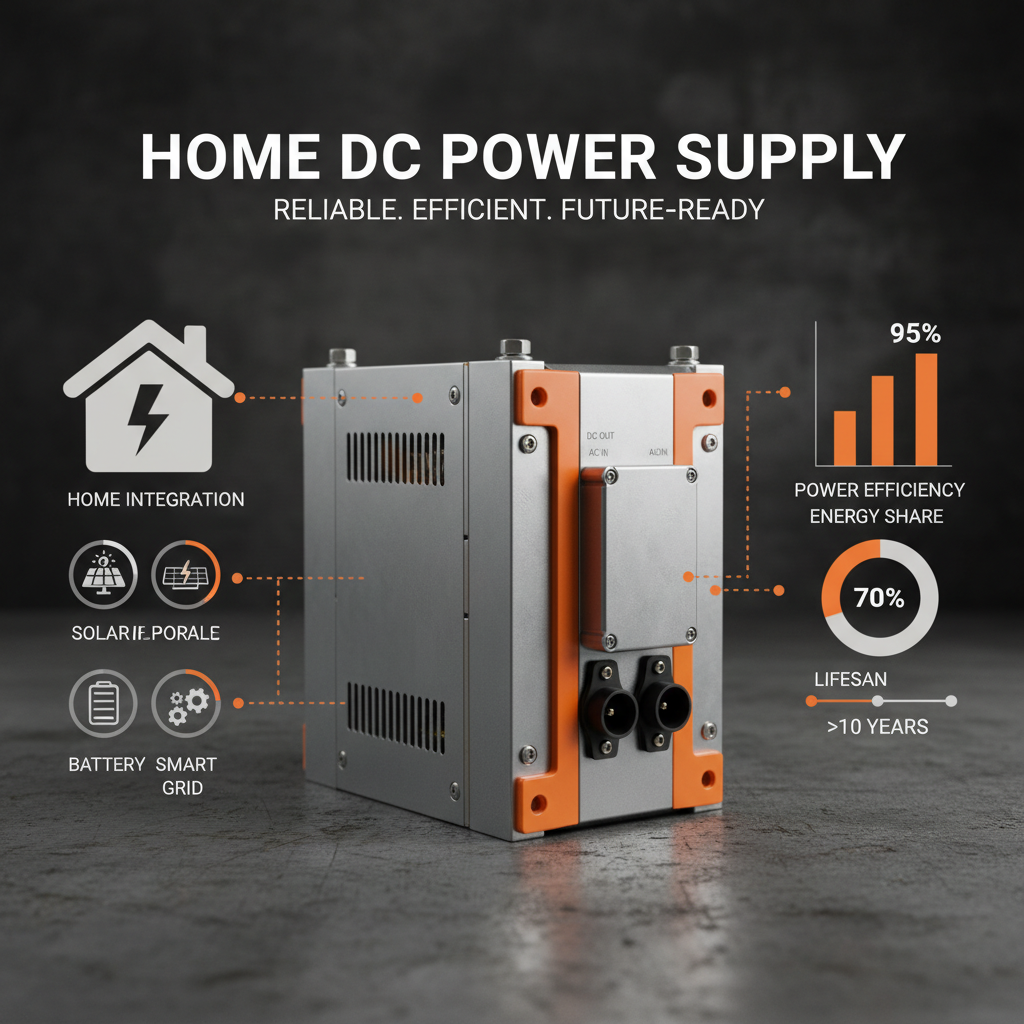
Choosing a Home DC Power Supply from ACDCBESS
ACDCBESS offers a wide range of high-quality home DC power supplies designed to meet diverse needs. Our products are engineered for efficiency, reliability, and safety, incorporating advanced protection features and adhering to stringent industry standards. Whether you require a power supply for everyday electronics, backup power systems, or specialized applications, ACDCBESS provides solutions tailored to your requirements. We pride ourselves on providing durable, long-lasting products and expert customer support.
Conclusion: Powering Your Life with Confidence
Choosing the right home DC power supply is a vital investment for ensuring the reliable operation of your essential electronics. By understanding the different types, key specifications, and safety features, you can make an informed decision that meets your specific needs. ACDCESS provides high-quality solutions and expert support, ensuring you receive a dependable power supply that will serve you for years to come.
Frequently Asked Questions (FAQs)
What is the difference between a linear and a switching power supply?
Linear power supplies provide a very stable and clean DC output with minimal noise, making them suitable for sensitive electronic equipment. However, they are larger, heavier, and less efficient. Switching power supplies are more compact, lighter, and more efficient, but can generate more electrical noise. The choice depends on the application: if noise is a critical concern, a linear supply is better; if size and efficiency are priorities, a switching supply is preferable.
How do I determine the correct wattage for my application?
To determine the correct wattage, calculate the total power consumption of all the devices you intend to power with the supply. Add up the wattage ratings of each device. It's always a good practice to add a safety margin of 20-30% to ensure the power supply isn't overloaded. A power supply with insufficient wattage can lead to instability or damage to the connected devices. For example, if your devices require a total of 100W, choose a power supply rated for at least 120-130W.
What is overload protection and why is it important?
Overload protection is a safety feature that automatically shuts down the power supply if the current draw exceeds its rated capacity. This prevents damage to the power supply itself and the connected devices. It's crucial because exceeding the power supply’s limit can cause overheating, component failure, and potentially a fire hazard. Look for power supplies that explicitly state they have overload protection.
Can I use a DC power supply to charge batteries?
While some DC power supplies can be used to charge batteries, it's essential to choose one specifically designed for battery charging. Standard DC power supplies may not provide the correct charging voltage and current, potentially damaging the battery or creating a safety hazard. Battery chargers often incorporate features like constant current/constant voltage (CC/CV) charging to optimize the charging process and ensure battery longevity.
-
Cedar Point EV Charging Solutions for Sustainable Tourism Experience
NewsApr.16,2026
-
Guide to Cedar Point Charging Stations for EV Park Visitors
NewsApr.16,2026
-
Acorn Stairlift Charging Point Guide for Home Mobility Optimization
NewsApr.16,2026
-
Integrating a Wireless Charging Point into Modern Infrastructure
NewsApr.16,2026
-
How to Optimize Your iPhone 14 Charging Point for Efficiency
NewsApr.16,2026
-
Analyzing the Charging Point Share Price Trends and Market Outlook
NewsApr.09,2026