


Mar . 19, 2026 01:55 Back to list
Comprehensive Guide to Choosing the Right Home Power Supply Generator for Your Needs
Choosing the Right Home Power Supply Generator: A Comprehensive Guide
In today’s world, power outages are becoming increasingly frequent due to natural disasters, grid failures, or simply unexpected events. A home power supply generator offers peace of mind, ensuring you can continue to power essential appliances and devices when the electricity goes out. This guide will explore the different types of generators, key considerations when choosing one, and how to ensure it meets your specific needs. We'll cover everything from fuel types to power output to help you make an informed decision. Investing in a reliable generator is an investment in your family’s safety and comfort.
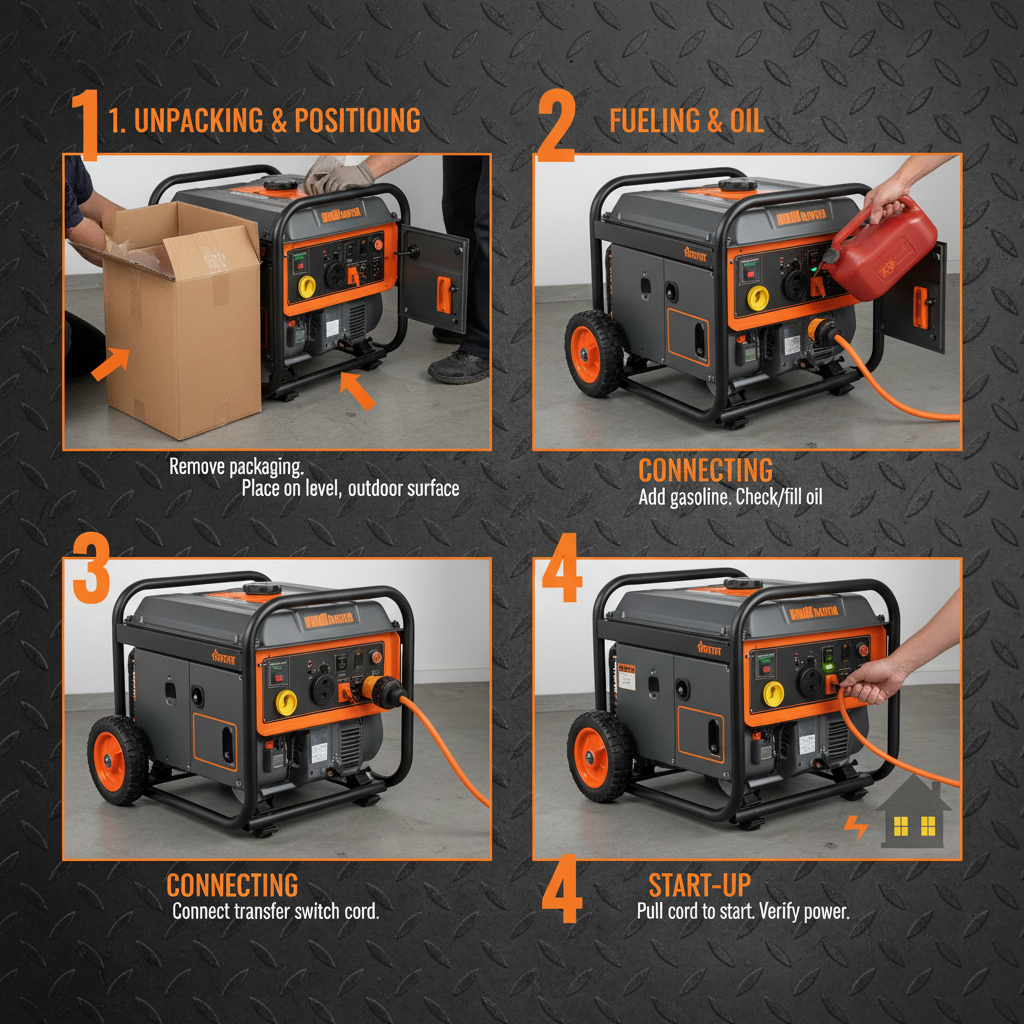
Understanding Different Types of Home Generators
There are several types of home power supply generators available, each with its own advantages and disadvantages. Portable generators are gasoline-powered and offer a cost-effective solution for powering essential appliances during short outages. Standby generators, on the other hand, are permanently installed and automatically kick in when the power goes out. They typically run on natural gas or propane. Inverter generators are a type of portable generator known for producing clean, stable power, making them ideal for sensitive electronics. Finally, dual fuel generators offer the flexibility of running on either gasoline or propane, providing versatility in fuel options. Selecting the right type depends on your power needs, budget, and desired level of convenience.
Key Takeaway: Consider your frequency of power outages and what appliances you need to power when making your choice.
Fuel Types: Gasoline, Propane, and Natural Gas
The fuel source for your home power supply generator is a critical factor. Gasoline is readily available but has a limited shelf life and can be messy. Propane is a cleaner-burning fuel with a longer shelf life but requires a propane tank. Natural gas is the most convenient option for standby generators, as it connects directly to your home’s gas line, eliminating the need for refueling. However, natural gas availability can be affected by widespread outages. Each fuel type also impacts running costs, with natural gas generally being the most economical over time.
Fuel Type Comparison:
• Gasoline: Widely available, shorter shelf life, less expensive upfront.
• Propane: Longer shelf life, cleaner burning, requires tank storage.
• Natural Gas: Most convenient (for standby), connects to gas line, potentially affected by widespread outages.
Determining Your Power Needs: Wattage and Surge Capacity
Calculating your power needs is essential for choosing the right generator. Start by listing the appliances you need to power during an outage, such as refrigerators, lights, medical devices, and heating systems. Note the wattage required to start and run each appliance. The starting wattage (surge wattage) is often higher than the running wattage, especially for appliances with motors. Add up the running wattage of all the appliances you want to run simultaneously. Then, add the highest starting wattage of any single appliance. This total will give you the minimum wattage your generator needs to provide. It’s always best to choose a generator with slightly higher wattage capacity than your calculated needs to allow for future expansion.
Safety Features and Maintenance: Ensuring Reliable Operation
Safety is paramount when operating a home power supply generator. Always operate generators outdoors in a well-ventilated area to avoid carbon monoxide poisoning. Never run a generator inside a home or garage. Install carbon monoxide detectors in your home for added safety. Regular maintenance, such as oil changes, air filter cleaning, and spark plug replacement, is crucial for ensuring the generator operates reliably. Follow the manufacturer's recommendations for maintenance schedules. Proper storage during off-season is also important to prevent fuel degradation and maintain optimal performance.
Choosing ACDCBESS for Your Power Needs
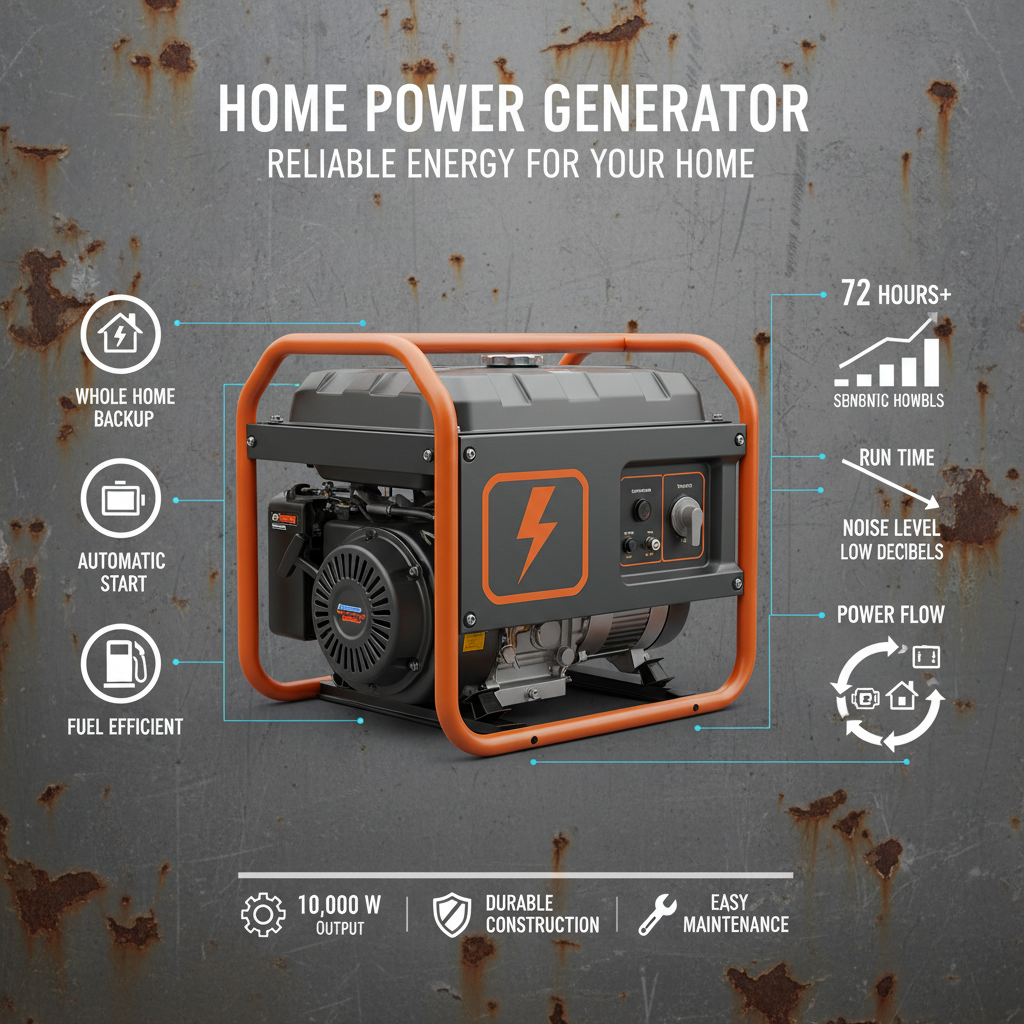
At ACDCBESS, we offer a comprehensive range of high-quality home power supply generators to meet your specific requirements. Our generators are engineered for reliability, efficiency, and safety. We provide expert guidance to help you select the right generator for your needs and ensure a seamless installation process. We are committed to providing you with a dependable power solution, giving you peace of mind during any outage. Explore our selection today and power your life with confidence!
Conclusion: Powering Your Peace of Mind
Investing in a home power supply generator from ACDCBESS is an investment in your family’s safety and comfort. By carefully considering your power needs, fuel preferences, and safety requirements, you can choose the generator that best suits your lifestyle. Don’t wait for the next outage – prepare today!
Frequently Asked Questions (FAQs)
How often should I run my generator for maintenance?
Even if you don’t experience frequent power outages, it’s crucial to run your generator for at least 30 minutes every month to keep the engine lubricated and prevent fuel from going stale. This also helps to ensure that all components are functioning correctly. For gasoline-powered generators, it’s recommended to add fuel stabilizer to the gasoline to prevent degradation during storage. Refer to your generator's manual for specific maintenance recommendations.
What size generator do I need for my entire house?
To power your entire house, you'll need a generator with a higher wattage capacity. This generally requires a standby generator. Calculate the total wattage of all essential appliances you want to run simultaneously, including your heating/cooling system, refrigerator, lights, and medical devices. It's advisable to add a buffer of 20-30% to account for potential surges. A professional assessment from an electrician can help determine the exact generator size needed for your home.
Can I connect my generator directly to my home's electrical panel?
Connecting a generator directly to your home’s electrical panel requires a transfer switch. A transfer switch safely isolates your home from the utility grid while allowing you to power selected circuits with the generator. This prevents backfeeding, which can be dangerous for utility workers. Installing a transfer switch should be done by a qualified electrician to ensure it meets safety codes and regulations. Do not attempt to connect a generator directly to your electrical panel without a transfer switch.
What is the difference between a portable and standby generator?
Portable generators are manually started and require refueling, making them suitable for temporary power needs. They are more affordable but less convenient. Standby generators, on the other hand, are permanently installed and automatically start when the power goes out. They typically run on natural gas or propane, eliminating the need for refueling, and offer a more seamless power restoration experience. Standby generators are a more significant investment but provide greater convenience and reliability.
-
Cedar Point EV Charging Solutions for Sustainable Tourism Experience
NewsApr.16,2026
-
Guide to Cedar Point Charging Stations for EV Park Visitors
NewsApr.16,2026
-
Acorn Stairlift Charging Point Guide for Home Mobility Optimization
NewsApr.16,2026
-
Integrating a Wireless Charging Point into Modern Infrastructure
NewsApr.16,2026
-
How to Optimize Your iPhone 14 Charging Point for Efficiency
NewsApr.16,2026
-
Analyzing the Charging Point Share Price Trends and Market Outlook
NewsApr.09,2026