


Mar . 12, 2026 01:55 Back to list
Comprehensive Guide to Sony Home Theater Power Supply Troubleshooting and Replacement
Understanding Your Sony Home Theater Power Supply: A Comprehensive Guide
A reliable power supply is the heart of any Sony home theater system. If you're experiencing issues with your audio or video, a failing power supply is often the culprit. This article provides an in-depth look at Sony home theater power supplies, covering common problems, troubleshooting tips, and potential replacement options. We'll explore the types of power supplies used, what to look for in a replacement, and how to ensure compatibility. Maintaining a stable power source is crucial for optimal performance and longevity of your entertainment setup.
Types of Sony Home Theater Power Supplies
Sony employs various power supply designs across its home theater range. Generally, you’ll encounter two main types: Switching Power Supplies and Linear Power Supplies. Switching power supplies are more common in modern systems due to their efficiency and compact size. They convert AC power to DC using high-frequency switching, minimizing heat loss. Linear power supplies, while larger and less efficient, are sometimes favored for their cleaner power output, which can potentially improve audio quality. Identifying the type of power supply in your system is crucial for accurate replacement. The specifications are usually found on the power supply itself, or in the service manual for your specific Sony model.
Common Issues with Sony Home Theater Power Supplies
Several issues can plague Sony home theater power supplies. These include internal component failure (capacitors are a common point of failure), overheating (often due to dust accumulation or a failing fan), voltage fluctuations, and complete power supply burnout. Symptoms of a failing power supply can range from intermittent audio or video, to a complete lack of power, or even a burning smell. Regularly checking for these signs can prevent further damage to your system. A bulging or leaking capacitor is a clear indication of a failing power supply and requires immediate attention.
Key Symptoms of a Failing Power Supply: No power, intermittent operation, unusual noises (humming, buzzing), burning smell, distorted audio/video.
Choosing the Right Replacement Sony Home Theater Power Supply
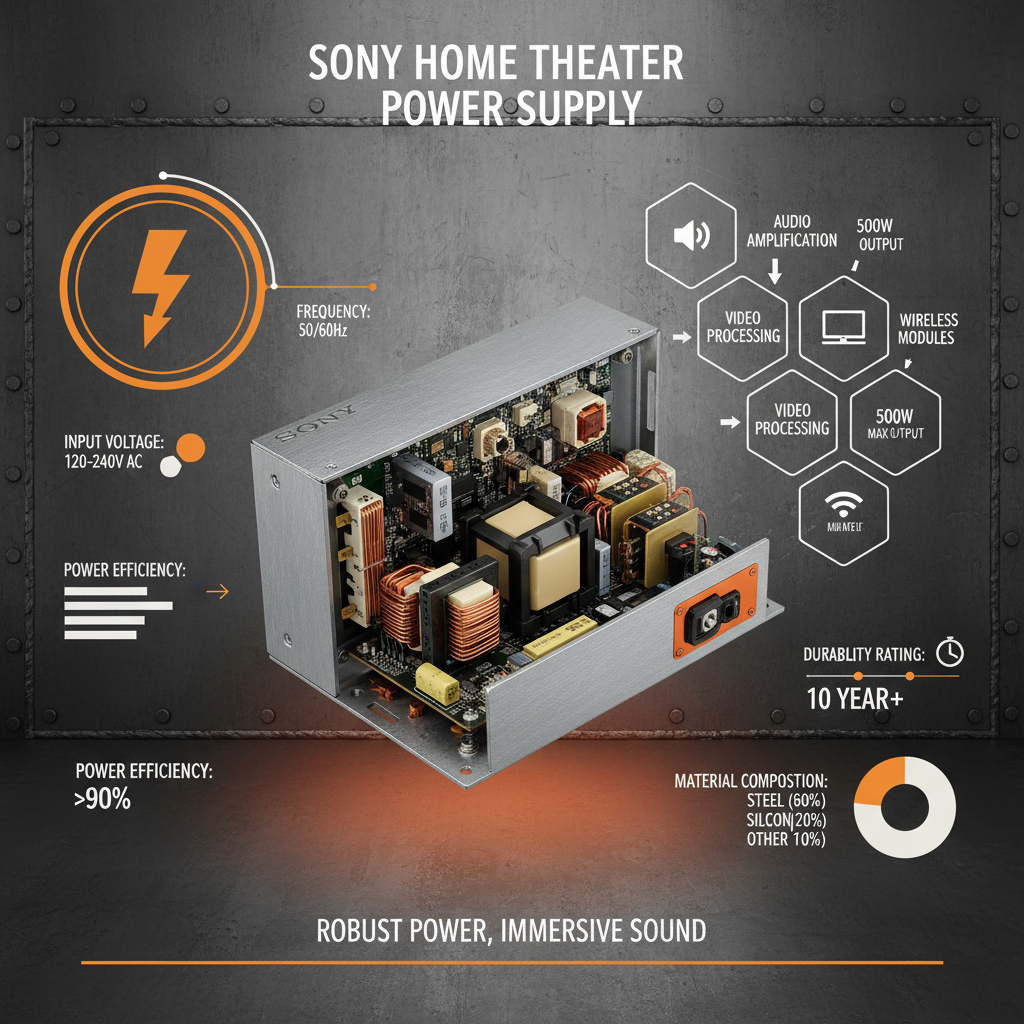
Selecting the correct replacement power supply is critical. Never attempt to use a generic power supply unless it perfectly matches the specifications of the original. Key specifications to verify include voltage (V), current (A), wattage (W), and connector type. Using an incompatible power supply can damage your home theater system. ACDCBESS offers a range of high-quality, compatible power supplies for various Sony models. Always cross-reference the part number on your original power supply with the replacement to ensure compatibility.
Key Specifications to Verify:
• Voltage (V)
• Current (A)
• Wattage (W)
• Connector Type
Comparing Sony Power Supply Options
Here's a comparison of common Sony power supply options, highlighting their features and applications. Please note that availability and specific models can vary.
Preventative Maintenance for Your Power Supply
Extending the life of your Sony home theater power supply involves simple preventative measures. Regularly clean the power supply to remove dust buildup, which can cause overheating. Ensure adequate ventilation around the unit. Avoid placing it in enclosed spaces. Consider using a surge protector to safeguard against power spikes. Finally, periodically inspect the power supply for any signs of damage, such as bulging capacitors or burnt components.
Conclusion: Powering Your Entertainment
Investing in a Reliable Power Supply
A stable and reliable power supply is essential for optimal performance of your Sony home theater system. Understanding the different types, common issues, and preventative maintenance measures can save you time and money in the long run. ACDCBESS provides a range of quality replacements and expert support to ensure your entertainment experience remains uninterrupted.
Frequently Asked Questions (FAQs)
Can I repair a failing Sony home theater power supply myself?
While it's possible to repair a power supply, it's generally not recommended unless you have extensive electronics repair experience. Power supplies contain potentially lethal voltages, even when unplugged. Furthermore, component-level repairs often require specialized tools and knowledge. It's safer and more reliable to replace the power supply with a new unit. Attempting a repair without proper expertise could lead to further damage to your system or personal injury.
What is the typical lifespan of a Sony home theater power supply?
The lifespan of a power supply varies depending on usage, environmental factors, and the quality of components. However, a typical lifespan is between 5-10 years. Factors that can shorten the lifespan include overheating, voltage fluctuations, and dust accumulation. Regular maintenance and proper ventilation can help extend the life of your power supply.
Where can I find the model number of my Sony power supply?
The model number is usually printed on a label affixed to the power supply itself. You may need to remove the cover of your home theater system to access it. The label typically includes the model number, voltage, and current ratings. If you can't find the label, consult your Sony home theater system's service manual, which may contain a parts list with the power supply model number.
-
Cedar Point EV Charging Solutions for Sustainable Tourism Experience
NewsApr.16,2026
-
Guide to Cedar Point Charging Stations for EV Park Visitors
NewsApr.16,2026
-
Acorn Stairlift Charging Point Guide for Home Mobility Optimization
NewsApr.16,2026
-
Integrating a Wireless Charging Point into Modern Infrastructure
NewsApr.16,2026
-
How to Optimize Your iPhone 14 Charging Point for Efficiency
NewsApr.16,2026
-
Analyzing the Charging Point Share Price Trends and Market Outlook
NewsApr.09,2026