


Mar . 24, 2026 02:05 Back to list
Comprehensive Guide to Uninterruptible Power Supply for Home Use and Protection
Uninterruptible Power Supply for Home: A Comprehensive Guide
In today’s digitally dependent world, power outages can disrupt our lives, leading to lost work, spoiled food, and even security vulnerabilities. An uninterruptible power supply (UPS) for home offers a crucial safety net, ensuring continuous power to essential devices. This article will explore the benefits of a home UPS, types available, key features to consider, and how to choose the right one for your needs. Protecting your home and valuable electronics is easier than you think with a reliable power backup solution.
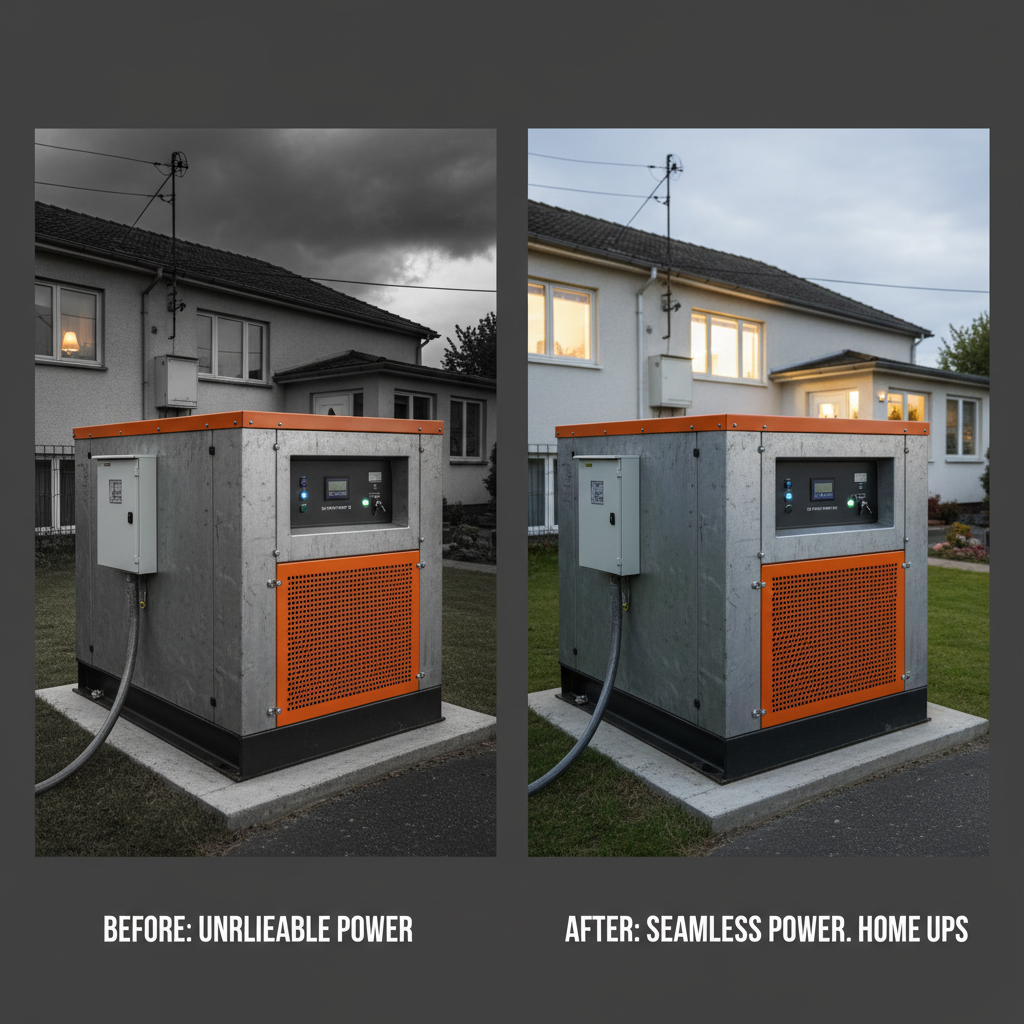
Why Do You Need an Uninterruptible Power Supply for Your Home?
A home UPS isn't just about convenience; it’s about protecting your investments and ensuring peace of mind. Frequent power fluctuations and outages can damage sensitive electronics like computers, TVs, and gaming consoles. A UPS acts as a buffer, providing clean, stable power even when the main grid fails. Furthermore, it allows you to safely shut down devices, preventing data loss and hardware corruption. Beyond electronics, a UPS can power essential medical equipment, security systems, and communication devices, especially crucial during emergencies. Investing in a reliable UPS is a proactive step towards safeguarding your home and lifestyle.
Key Benefits: Protection from power surges, outages, and fluctuations. Prevents data loss and hardware damage. Ensures continued operation of essential devices.
Types of Uninterruptible Power Supplies for Home Use
There are three primary types of UPS systems available for home use: standby, line-interactive, and online (double-conversion). Standby UPS systems are the most affordable but offer basic protection, switching to battery power only when a power outage is detected. Line-interactive UPS systems regulate voltage fluctuations in addition to providing backup power, making them a good choice for areas with unstable power grids. Online UPS systems offer the highest level of protection, constantly powering devices from the battery, ensuring zero transfer time during outages. The best type for your home depends on your budget, the sensitivity of your equipment, and the quality of your local power supply.
UPS Type Comparison:
• Standby: Most affordable, basic protection.
• Line-Interactive: Voltage regulation and backup power.
• Online: Highest protection, zero transfer time.
Choosing the Right Uninterruptible Power Supply for Home
Selecting the right UPS involves considering several factors. First, calculate the total wattage of the devices you want to protect. Add up the power requirements (in watts) of each device, and choose a UPS with a wattage capacity that exceeds this total. Next, consider the runtime you need. This depends on how long you want your devices to stay powered during an outage. A higher battery capacity provides longer runtime, but also increases the cost. Finally, look for features like surge protection, automatic voltage regulation (AVR), and compatibility with your devices. ACDCBESS offers a range of UPS solutions tailored to different home needs.
Popular Applications for Home UPS Systems
Home UPS systems are incredibly versatile. Protecting computers and gaming consoles during power outages is a common application, preventing data loss and damage. They are essential for powering medical devices like CPAP machines, ensuring uninterrupted therapy. Security systems, including alarms and cameras, require continuous power to maintain home security. Furthermore, a UPS can keep essential communication devices, like routers and modems, online during outages, allowing you to stay connected.
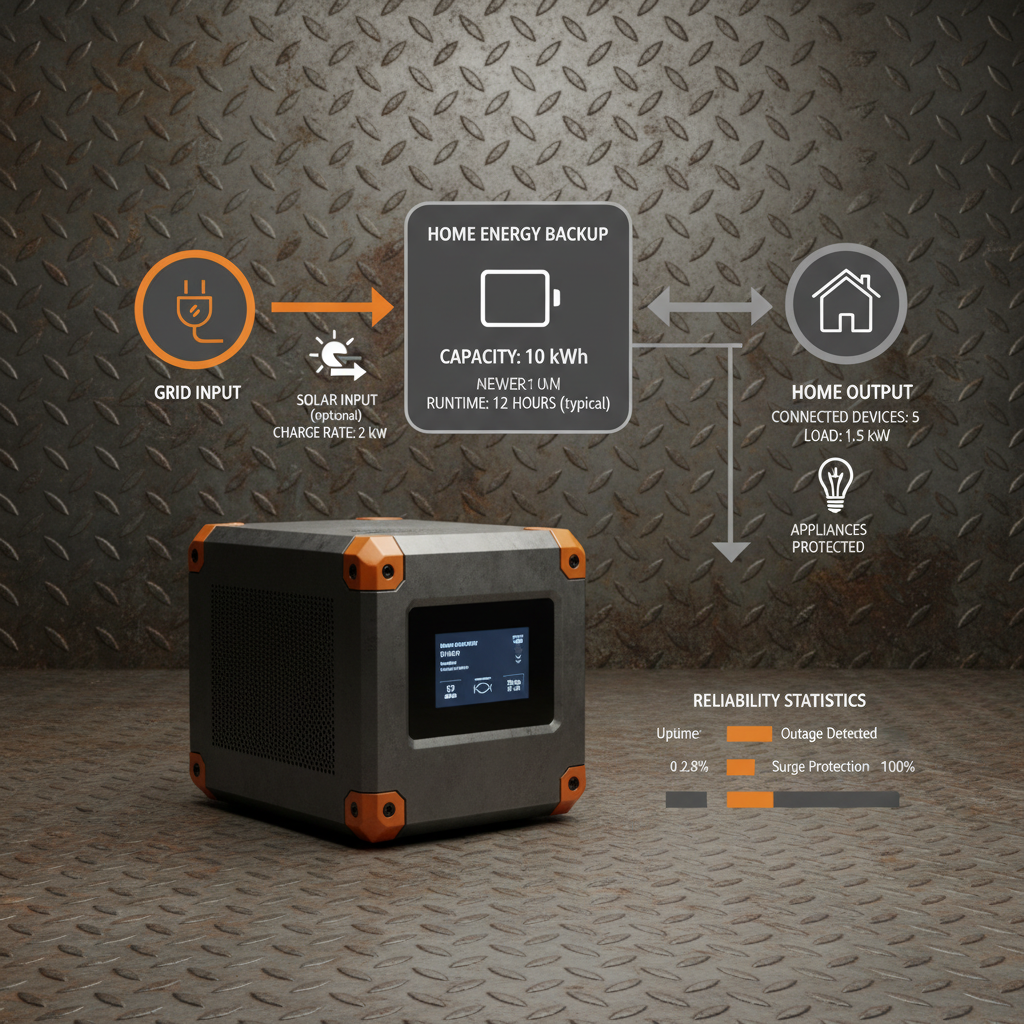
ACDCBESS UPS Solutions: Powering Your Peace of Mind
ACDCBESS offers a comprehensive range of UPS systems designed to meet the diverse needs of homeowners. Our UPS solutions feature advanced technology, including AVR, surge protection, and efficient battery management. We provide models with varying wattage capacities and runtime options to ensure you find the perfect fit for your home. Explore our selection today and invest in the reliable power protection you deserve.
Conclusion: Secure Your Home with a Reliable UPS
Investing in an uninterruptible power supply for your home is a proactive step towards protecting your valuable electronics, essential equipment, and peace of mind. By choosing the right UPS, you can safeguard against power outages, surges, and fluctuations, ensuring uninterrupted operation of your critical devices. Don’t wait for the next power outage – prepare today with ACDCBESS.
Frequently Asked Questions (FAQs)
How long will a UPS power my computer during an outage?
The runtime depends on the UPS’s battery capacity (measured in volt-amperes or VA) and the power consumption of your computer. A typical 600VA UPS might provide 5-10 minutes of runtime for a desktop computer. Higher VA ratings and larger batteries will extend the runtime. To calculate an estimate, determine your computer’s wattage (usually found on the power supply), and use the formula: Runtime (minutes) = (Battery Capacity (VA) x Voltage (V) x Discharge Efficiency) / Power Consumption (W). Remember to factor in the discharge efficiency of the battery, which is typically around 80-90%.
What is the difference between VA and Watts?
VA (Volt-Amperes) is the apparent power, while Watts (W) is the actual power consumed. VA represents the total power the UPS can deliver, while Watts represent the real power your devices need. The relationship between VA and Watts is determined by the power factor, which is typically between 0.6 and 0.8. To estimate the wattage capacity you need, multiply the VA rating by the power factor. For example, a 600VA UPS with a power factor of 0.7 has a wattage capacity of 420W.
How often should I replace the battery in my UPS?
UPS batteries typically last 3-5 years, depending on usage and environmental factors like temperature. Most UPS systems have a battery replacement indicator or can be tested through software. When the battery reaches the end of its life, it won’t hold a charge for as long, reducing the runtime. Replacing the battery is a relatively simple process, and replacement batteries are readily available. It’s important to choose a compatible battery from a reputable supplier.
Can a UPS protect against lightning strikes?
While a UPS can offer some level of surge protection, it’s not a substitute for a dedicated lightning surge protector. A UPS will protect against smaller power surges and spikes, but a direct lightning strike can overwhelm the UPS’s protection circuitry and potentially damage both the UPS and connected devices. For comprehensive lightning protection, it's crucial to use a whole-house surge protector in addition to a UPS.
-
Cedar Point EV Charging Solutions for Sustainable Tourism Experience
NewsApr.16,2026
-
Guide to Cedar Point Charging Stations for EV Park Visitors
NewsApr.16,2026
-
Acorn Stairlift Charging Point Guide for Home Mobility Optimization
NewsApr.16,2026
-
Integrating a Wireless Charging Point into Modern Infrastructure
NewsApr.16,2026
-
How to Optimize Your iPhone 14 Charging Point for Efficiency
NewsApr.16,2026
-
Analyzing the Charging Point Share Price Trends and Market Outlook
NewsApr.09,2026