


Sep . 22, 2025 11:45 Back to list
EMS: Smart Energy Management for Optimal Storage & Savings
The Imperative of Advanced Energy Management Systems in Modern Industrial Operations
In an era defined by escalating energy costs, stringent environmental regulations, and the increasing integration of renewable energy sources, the efficient management of energy has become a critical pillar for operational sustainability and profitability across B2B sectors. An advanced ems, or Energy Management System, is no longer a luxury but a strategic necessity, providing the intelligence and control required to navigate complex energy landscapes. These sophisticated platforms empower industries to monitor, analyze, and optimize energy consumption in real-time, leading to substantial cost savings, reduced carbon footprints, and enhanced operational reliability.
The global energy management system market size was valued at USD 41.5 billion in 2022 and is projected to reach USD 111.9 billion by 2032, growing at a CAGR of 10.5% from 2023 to 2032 (source: Allied Market Research). This rapid expansion underscores the profound shift towards data-driven energy strategies. Key drivers include the push for decarbonization, grid modernization initiatives, and the rapid deployment of distributed energy resources, including energy storage battery companies solutions. Businesses are recognizing that proactive energy management, facilitated by a robust ems, is fundamental to maintaining a competitive edge and meeting corporate sustainability goals.
Core Functionality and Technical Specifications of an Advanced EMS
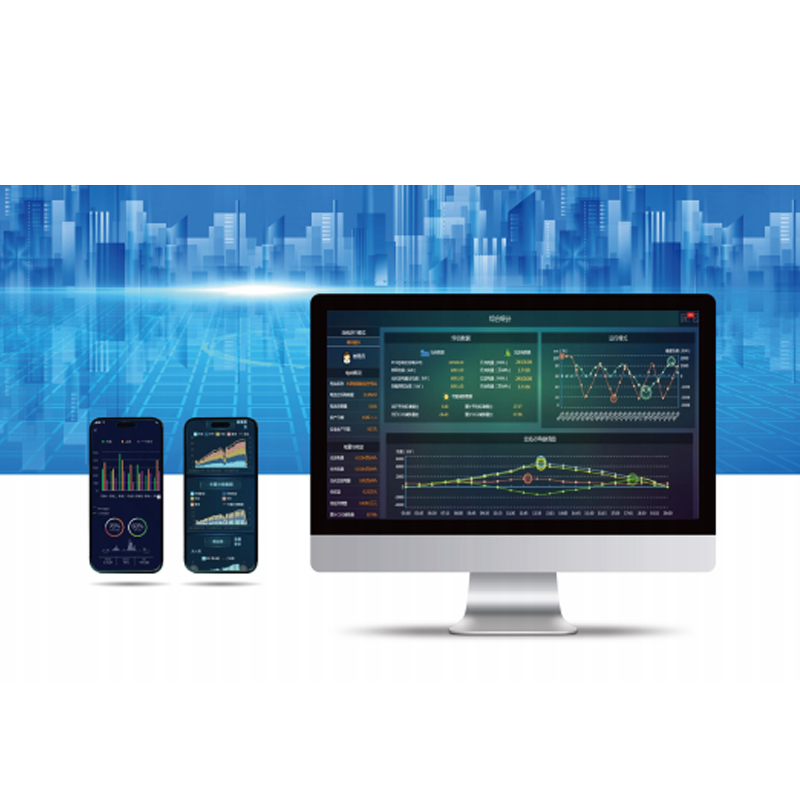
An ems is a comprehensive system designed to optimize energy performance across various assets and operations. It typically comprises hardware components (sensors, meters, controllers) and software platforms that collect, process, and visualize energy data. The primary objective is to facilitate informed decision-making for energy efficiency, demand-side management, and integration of diverse energy sources.
Key Technical Specifications:
| Parameter | Description / Typical Range |
|---|---|
| Data Acquisition Rate | Sub-second to 15-minute intervals, configurable based on granularity needs (e.g., 1-second for critical loads, 15-min for general consumption). |
| Communication Protocols | Modbus TCP/RTU, IEC 61850, DNP3, BACnet, OPC UA, MQTT for IoT integration. |
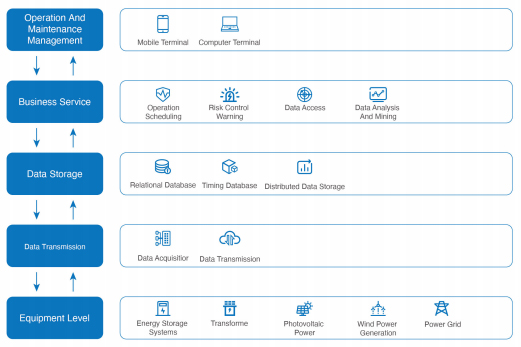
| System Architecture | Distributed (edge computing), Centralized (cloud-based), Hybrid. Scalable microservices. |
| Analytics Capabilities | Real-time monitoring, historical trending, anomaly detection, predictive analytics (AI/ML-driven), tariff optimization, demand forecasting. |
| Control Functionality | Automated load shedding, dispatching of distributed generation (DG) and energy storage battery companies assets, HVAC optimization, lighting control. |
| User Interface | Web-based, customizable dashboards, mobile applications, multi-user access with role-based permissions. |
| Cybersecurity | End-to-end encryption (TLS/SSL), user authentication, regular security audits, compliance with industry standards (e.g., NIST, IEC 62443). |
| Integration Capabilities | API for integration with SCADA, BMS, ERP, CMMS, and other enterprise systems. |
Understanding these specifications is crucial for selecting an ems that aligns with an organization's specific operational needs and long-term energy strategy.
The Advanced EMS Deployment and Operational Lifecycle
The deployment and operational lifecycle of a sophisticated energy management systerm is a multi-faceted process, emphasizing integration, testing, and continuous optimization rather than traditional manufacturing of discrete components. It begins with meticulous planning and extends through integration, rigorous testing, and ongoing support, ensuring long-term performance and adaptability.
Process Flow for EMS Deployment and Management:
- 1. Needs Assessment & System Design: This initial phase involves a detailed audit of the client’s existing energy infrastructure, consumption patterns, and operational goals. Materials considered include existing metering infrastructure, sensor types (e.g., current transformers, voltage transducers, temperature sensors), and communication networks. The design phase outlines the system architecture, data points, control strategies, and integration requirements. Emphasis is placed on open standards like IEC 61850 for interoperability.
- 2. Hardware Procurement & Configuration: Selection of industrial-grade edge devices, gateways, and sensors (material considerations: robust enclosures, wide operating temperature range, EMI/RFI shielding). Configuration involves programming devices for specific data acquisition and control functions. All components adhere to relevant certifications (e.g., CE, FCC, UL).
- 3. Software Development & Customization: Core ems software platform deployment, followed by customization of dashboards, reports, and algorithms tailored to the client’s specific needs. This involves extensive coding, database setup, and UI/UX design. Development follows agile methodologies and secure coding practices.
- 4. System Integration & Installation: Physical installation of hardware (meters, sensors, controllers) and network setup. Critical integration with existing building management systems (BMS), SCADA, ERP, and distributed energy resources (DERs) like solar PV and energy storage battery companies assets. All connections are tested for data integrity and reliability.
- 5. Rigorous Testing & Commissioning: Comprehensive testing procedures are paramount. This includes functional testing, data validation, communication protocol adherence, cybersecurity assessments, and performance testing against design specifications. Compliance with ISO 50001 for Energy Management Systems and ANSI standards for measurement accuracy is verified.
- — Data Accuracy Test: Verification of sensor and meter readings against calibrated instruments.
- — Control Logic Test: Simulation of various operational scenarios to ensure automated control actions (e.g., load shedding, battery dispatch) function as intended.
- — System Stress Test: Evaluation of system stability and performance under peak data loads and communication disruptions.
- — Security Penetration Test: Identification of vulnerabilities and reinforcement of cyber defenses.
- 6. User Training & Handover: Comprehensive training for client personnel on system operation, data interpretation, and report generation. Documentation includes user manuals, technical specifications, and maintenance guidelines.
- 7. Post-Deployment Optimization & Support: Continuous monitoring, performance tuning, software updates, and predictive maintenance. Service life for a well-maintained ems can exceed 10-15 years for software and 5-10 years for hardware, with modular upgrades facilitating longevity.
Target Industries & Advantages:
The versatility of an energy management systerm makes it indispensable across a range of heavy industries:
- Petrochemical: Advantages include energy saving through optimized process heating and cooling, corrosion resistance for monitoring in harsh environments, and enhanced safety through real-time load balancing, preventing overloads in critical processes.
- Metallurgy: Significant energy savings by optimizing electric arc furnaces and rolling mills, reduced carbon emissions, and improved operational stability in high-demand scenarios.
- Water Supply & Drainage: Energy efficiency in pump scheduling, predictive maintenance for reducing downtime, and optimized power consumption for large motor loads, leading to substantial energy cost reductions.
- Data Centers: Precision power monitoring and cooling optimization to minimize PUE (Power Usage Effectiveness), ensuring critical uptime and managing peak loads efficiently.
Application Scenarios and Technical Advantages
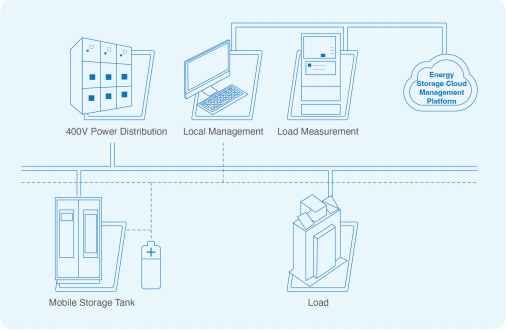
The versatility of an ems extends across diverse operational landscapes, delivering tangible benefits.
Typical Application Scenarios:
- Industrial Facilities: From discrete manufacturing to continuous process plants, an energy management systerm orchestrates machinery, HVAC, and lighting to reduce peak demand charges and overall consumption. For example, in an automotive assembly plant, an ems can sequence paint shop ventilation or compressor operation during off-peak hours, generating significant savings.
- Commercial Buildings: Office complexes, shopping malls, and hospitals leverage ems for optimizing HVAC schedules, lighting control, and managing distributed energy resources (e.g., rooftop solar, EV charging infrastructure) to comply with green building standards and lower operational expenses.
- Utility-Scale and Microgrids: Utilities deploy ems to manage grid stability, integrate large-scale renewables, and optimize the dispatch of generation and storage assets. Microgrids rely on ems for autonomous operation, black start capabilities, and seamless grid synchronization, critical for remote communities or military bases.
- Telecommunication Infrastructure: Base stations and data centers utilize ems to monitor power quality, manage backup power systems (UPS, generators, energy storage battery companies), and optimize cooling, ensuring uninterrupted service and reducing the PUE.
Technical Advantages:
- Enhanced Energy Efficiency: Through granular monitoring and intelligent control, an ems can identify and eliminate energy waste, often reducing consumption by 15-30%.
- Cost Optimization: By leveraging time-of-use tariffs, demand response programs, and optimal dispatch of storage, an ems significantly lowers energy bills and avoids penalty charges.
- Improved Reliability & Resilience: Real-time fault detection, predictive maintenance, and seamless integration with backup power systems enhance grid stability and operational uptime, critical for sensitive industrial processes.
- Sustainability & ESG Compliance: Facilitates the integration of renewable energy, reduces carbon emissions, and provides verifiable data for environmental, social, and governance (ESG) reporting, aligning with corporate sustainability objectives.
- Predictive Maintenance & Asset Longevity: By monitoring power quality and operational parameters of connected assets, an ems can anticipate equipment failures, enabling proactive maintenance and extending asset lifespan.
Vendor Comparison and Customization Options
Choosing the right ems provider is a critical decision for B2B stakeholders. A comparison across key attributes helps in identifying the best fit, while recognizing the importance of customized solutions to meet specific operational requirements.
EMS Vendor Comparison Overview:
| Feature/Vendor Type | Integrated Platform Providers (e.g., Large Automation Firms) | Specialized EMS Software Vendors | Custom Solution Integrators |
|---|---|---|---|
| Scope of Offering | Broad, often covers BMS, SCADA, and ems; extensive hardware portfolio. | Deep expertise in energy analytics and optimization; often hardware-agnostic. | Tailored solutions using best-of-breed components; high degree of customization. |
| Integration Capability | Excellent with own product ecosystem; can be complex with third-party systems. | Strong API support for diverse systems; often relies on partner integrators for hardware. | Core strength in integrating disparate systems and data sources. |
| Scalability | Highly scalable, from small sites to multi-site enterprises. | Generally robust cloud-based architectures support high scalability. | Scalability is designed into the solution from the ground up, highly flexible. |
| Pricing Model | Often includes high upfront capital expenditure for hardware and software licenses. | Subscription-based (SaaS) is common; lower initial investment. | Project-based pricing, reflecting complexity and tailored development. |
| Industry Focus | Broad applicability across industries; generalist solutions. | May specialize in specific verticals (e.g., data centers, renewables, manufacturing). | Adapts to any industry, highly specific operational requirements. |
Customized EMS Solutions:
Many organizations, especially those with unique operational challenges or highly specialized processes, require an energy management systerm that goes beyond off-the-shelf capabilities. This is where customized solutions excel.
- Tailored Analytics: Development of bespoke algorithms for predictive maintenance specific to unique machinery, or custom demand forecasting models integrating proprietary production schedules.
- Seamless Legacy System Integration: Custom APIs and middleware to ensure smooth data flow and control between new ems components and older, essential operational technology (OT) systems.
- Advanced Control Strategies: Implementation of complex control logic for dynamic energy routing, integration with multiple energy storage battery companies technologies, or specific load management profiles for critical industrial processes (e.g., maintaining specific temperature gradients in a chemical reactor while optimizing energy).
- Compliance Reporting: Generation of specific reports required by internal stakeholders or regulatory bodies, tailored to meet precise audit requirements or carbon footprint disclosures.
The ability to develop and deploy such tailored solutions ensures that the ems not only addresses current energy challenges but also adapts to future operational evolution and regulatory changes.
Real-World Application Case Studies
Illustrating the tangible benefits of an ems through real-world deployments underscores its value proposition for B2B enterprises.
Case Study 1: Large-Scale Manufacturing Plant Energy Optimization
Client: Global Automotive Component Manufacturer (multi-site operation)
Challenge: High electricity costs, significant peak demand charges, limited visibility into energy consumption across various production lines, and compliance requirements for carbon reduction. Existing infrastructure included a mix of legacy machinery and modern robotic systems.
Solution: Deployed a hybrid cloud-edge energy management systerm. Edge devices collected real-time data from over 500 metering points across production lines, HVAC systems, and compressed air units. The cloud platform provided centralized analytics and predictive modeling. The ems was integrated with their existing SCADA for operational control and their ERP for cost accounting.
Results (Post 12 Months):
- — 22% Reduction in Peak Demand: Achieved through automated load shedding and intelligent sequencing of non-critical loads during peak tariff periods.
- — 18% Overall Energy Cost Reduction: Due to improved efficiency, demand-side management, and identification of energy waste.
- — 15% Decrease in Carbon Emissions: Directly attributable to lower energy consumption.
- — Enhanced Operational Visibility: Centralized dashboards provided actionable insights into energy performance, enabling proactive adjustments.
Case Study 2: Commercial Microgrid with Battery Storage
Client: University Campus with significant solar PV and a 2MWh energy storage battery companies system.
Challenge: Maximizing self-consumption of renewable energy, participating in grid services (demand response), and ensuring power reliability for critical loads during grid outages, all while managing fluctuating energy prices.
Solution: Implemented an advanced ems specifically designed for microgrid control. This energy management systerm integrated real-time data from solar inverters, battery management systems (BMS), utility grid meters, and campus building loads. It featured predictive analytics for solar forecasting and AI-driven optimization for battery dispatch.
Results (Post 18 Months):
- — 90% Renewable Energy Self-Consumption: Optimized charging and discharging of the battery system to maximize solar energy utilization on-site.
- — $150,000 Annual Savings from Demand Response: Proactive participation in grid demand reduction programs, facilitated by the ems's ability to shed non-critical loads and discharge batteries.
- — Seamless Transition to Island Mode: During simulated grid outages, the ems demonstrated flawless transitions to isolated microgrid operation, maintaining critical campus functions.
- — Improved ROI on Battery Investment: Intelligent dispatch strategies extended battery life and maximized financial returns from both arbitrage and grid services.
Ensuring Trustworthiness: FAQ, Lead Time, Warranty, and Support
Frequently Asked Questions (FAQ)
- Q: What is the typical ROI period for an EMS investment?
A: The ROI period for an energy management systerm typically ranges from 18 months to 3 years, depending on the scale of deployment, current energy costs, and the level of optimization achieved. Significant reductions in energy consumption and peak demand charges are key drivers. - Q: Is an EMS compatible with my existing infrastructure?
A: Most modern ems solutions are designed for high interoperability, supporting a wide range of communication protocols (Modbus, BACnet, IEC 61850) and offering flexible APIs for integration with legacy systems. A detailed site assessment determines specific integration requirements. - Q: How does an EMS handle cybersecurity threats?
A: Robust ems platforms incorporate multi-layered cybersecurity measures, including end-to-end data encryption, secure authentication protocols (e.g., OAuth 2.0), regular vulnerability assessments, and compliance with industry standards such as IEC 62443. - Q: Can an EMS integrate with renewable energy sources and battery storage?
A: Absolutely. A primary function of advanced ems is to seamlessly integrate and optimize the dispatch of various distributed energy resources, including solar PV, wind turbines, and energy storage battery companies solutions, maximizing their economic and environmental benefits.
Lead Time & Fulfillment Details
Deployment timelines for an ems can vary based on project complexity and the extent of customization required. Typical lead times are:
- — Standard Deployments: 8-12 weeks from contract signing to full operational status for well-defined projects with minimal legacy integration challenges.
- — Customized & Complex Projects: 12-24 weeks, allowing for comprehensive system design, bespoke software development, extensive integration, and rigorous multi-phase testing.
Our project management methodology includes detailed planning, regular progress updates, and dedicated project managers to ensure timely and efficient delivery.
Warranty Commitments
We stand behind the quality and reliability of our energy management systerm solutions:
- — Hardware Components: Standard 2-year warranty covering defects in materials and workmanship. Extended warranty options are available.
- — Software Platform: Continuous maintenance and support for the subscription period, including bug fixes, security patches, and minor version upgrades. Guaranteed uptime of 99.9% for cloud-based services.
- — System Performance: Performance guarantees can be integrated into service level agreements (SLAs), committing to specified energy savings or operational efficiency improvements.
Customer Support Information
Our commitment to client success extends well beyond deployment. We offer comprehensive, multi-tiered customer support:
- — 24/7 Technical Support: Available via phone, email, and a dedicated online portal for critical issues, ensuring rapid response and resolution.
- — Dedicated Account Managers: Providing personalized support, strategic guidance, and regular performance reviews to maximize the value of your ems.
- — Training & Documentation: Ongoing training programs for new staff and access to a comprehensive knowledge base, user manuals, and technical guides.
- — Proactive Monitoring & Maintenance: Remote monitoring of system health and performance, with proactive interventions to prevent potential issues.
Citations
- Allied Market Research. (2023). Energy Management System Market by Component, Type, and End-Use Industry: Global Opportunity Analysis and Industry Forecast, 2023-2032. Retrieved from www.alliedmarketresearch.com
- International Organization for Standardization. (2018). ISO 50001:2018 Energy management systems - Requirements with guidance for use. Retrieved from www.iso.org
- International Electrotechnical Commission. (2017). IEC 61850 Communication networks and systems for power utility automation. Retrieved from www.iec.ch
- National Institute of Standards and Technology. (2020). NIST SP 800-82 Revision 3, Guide to Operational Technology (OT) Security. Retrieved from www.nist.gov
-
Cedar Point EV Charging Solutions for Sustainable Tourism Experience
NewsApr.16,2026
-
Guide to Cedar Point Charging Stations for EV Park Visitors
NewsApr.16,2026
-
Acorn Stairlift Charging Point Guide for Home Mobility Optimization
NewsApr.16,2026
-
Integrating a Wireless Charging Point into Modern Infrastructure
NewsApr.16,2026
-
How to Optimize Your iPhone 14 Charging Point for Efficiency
NewsApr.16,2026
-
Analyzing the Charging Point Share Price Trends and Market Outlook
NewsApr.09,2026