


Nov . 06, 2025 11:00 Back to list
Energy Management System EMS: Real-Time Analytics & OEM
Why an Energy Management System Starts With a Rock‑Solid 48V Backbone
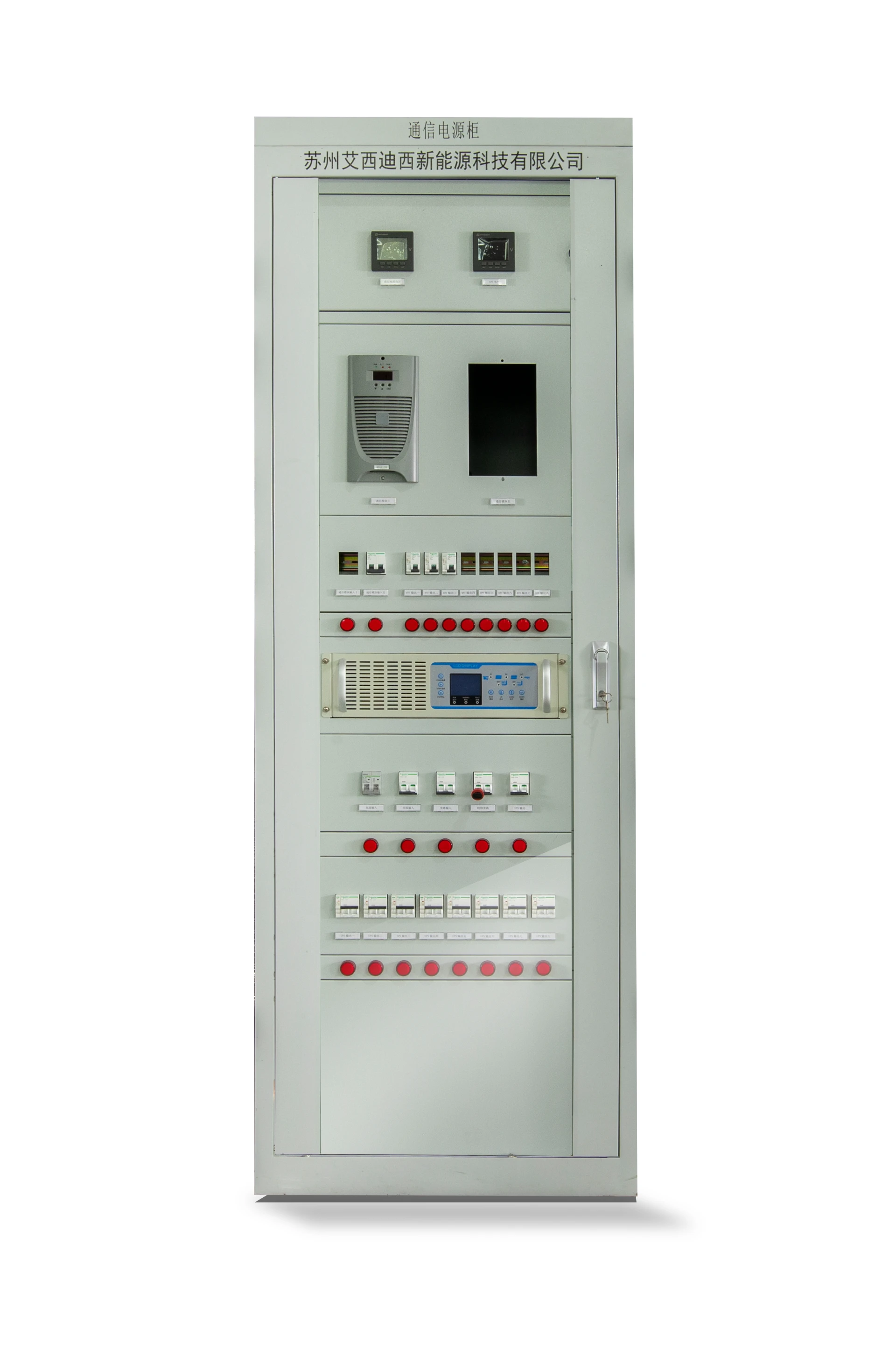
I’ve sat in more switch rooms and roadside cabinets than I care to admit, and one thing keeps coming up: the quiet hero is the DC plant. In telecom and edge computing, the 48V bus is the spine that keeps everything breathing. That’s why a modern Energy Management System (EMS) often centers on a smart, battery‑aware 48V power platform—like the 48V Communication Power Supply from ACDC BESS, built at No. 58 Tongxin Road, Tongan town, Suzhou, Jiangsu 215000. It’s not glamorous, but it’s where uptime is won or lost.
Quick industry snapshot (and why it matters)
Trends are clear: hybrid power (grid + battery + PV), lithium adoption in brownfield sites, and tighter SLAs at the edge. Honestly, it’s no longer about “does it power on?”—it’s about intelligent orchestration: battery chemistry awareness, remote diagnostics, and standards compliance baked in. Many customers say they want “set‑and‑forget,” but what they really want is “self‑reporting and self‑protecting.” A well‑tuned Energy Management System delivers exactly that.
Product snapshot: 48V Communication Power Supply
| Item | Spec (≈ real‑world use may vary) |
|---|---|
| Product Name | 48V Communication Power Supply |
| Model Description | ACDC rectification; LA – Lead Acid Batteries; LF – Lithium Iron Phosphate Battery; TPS – Communication Power Panel |
| Nominal Output | 48V / 100A |
| Chemistry Support | Valve‑regulated Lead‑Acid (VRLA) and LiFePO₄ packs, with appropriate BMS/charge profiles |
| Typical Use | Telecom BTS, microwave backhaul, edge IT racks, CCTV, utility substations |
How it fits inside a modern Energy Management System
- Materials: High‑reliability rectifier modules, copper busbars, TPS panel, VRLA or LiFePO₄ strings with BMS (for LF).
- Methods: ACDC conversion → DC bus regulation → battery charge control → distribution with alarms → remote telemetry.
- Testing standards: Safety and EMC verification (see citations). Battery transport where applicable.
- Service life: LA ≈ 3–5 years (ambient dependent); LiFePO₄ ≈ 8–12 years or 3000–6000 cycles under moderate DoD.
- Industries: Telecom, fiber POPs, rail signaling, oil & gas RTUs, campus networks.
Advantages I actually notice in the field
Telecom crews like predictability. With a 48V/100A plant, you get clean DC for radios and routers, while the Energy Management System layer handles alarms, charge stages, and event logs. Swapping between LA and LF is practical when the system recognizes BMS signals and adjusts charge curves—saves time, saves batteries. Surprisingly, many outages are still battery‑related, so chemistry‑aware charging is not optional anymore.
Vendor landscape (high‑level)
| Vendor | Focus Area | Strengths | Notes |
|---|---|---|---|
| ACDC BESS (Suzhou) | 48V communication power and EMS integration | LA/LF flexibility, telecom‑oriented TPS panels | Good fit for sites needing chemistry transitions |
| Vendor A | High‑density rectifiers | Compact footprints, modularity | May need add‑on EMS gateways |
| Vendor B | Battery‑centric systems | Advanced analytics, SOC/SOH insights | Integration effort for legacy 48V plants |
Customization & compliance
Typical requests: custom TPS distribution, site‑specific alarm mapping, and charge profiles for mixed fleets (some LA sites, some LF). Compliance usually revolves around ICT safety, EMC, and battery handling. The right Energy Management System will log disturbances (voltage sags, over‑temp) and align reporting to local regulations.
Application scenarios and quick wins
- Rooftop BTS: Weight‑sensitive—LF helps. EMS throttles charge in summer heat to preserve cycle life.
- Edge micro‑data rack: Clean 48V bus feeds PoE++ switches; logs sent via SNMP/Modbus to NOC.
- Rural relay huts: Grid is flaky. EMS prioritizes battery health and automates weekly self‑tests.
Field notes (informal, but real)
“We cut truck rolls by about a third once alarms were mapped properly,” one operator told me. Another pointed out that moving half their cabinets from LA to LF extended service windows from 2 to 5 years. To be honest, it’s the little EMS features—charge caps on hot days, roll‑up reports—that save budgets.
Case studies (brief)
- Tier‑2 city fiber POP: 48V/100A plant with LF batteries; zero SLA breaches over summer; EMS flagged two failing cells early.
- Highway CCTV network: Mixed LA/LF sites; standardized TPS panel simplified spares; mean time to repair improved ≈ 22%.
Certifications, testing, and data points to ask for
- Safety certification for ICT equipment (see [1]).
- EMC immunity/emissions reports (see [2]).
- Battery transport safety for LF packs (see [3]) and stationary battery compliance (see [4],[5]).
- Factory test records: burn‑in, charge acceptance, alarm verification, and distribution panel continuity.
Authoritative citations:
- IEC 62368‑1: Audio/video, IT and communication technology equipment – Safety requirements
- IEC 61000‑6‑2: EMC – Immunity for industrial environments
- UN 38.3: UN Manual of Tests and Criteria for lithium batteries (transport)
- UL 1973: Batteries for Use in Stationary and Motive Auxiliary Power
- IEEE 1188: Recommended Practice for VRLA Battery Maintenance and Testing
-
Cedar Point EV Charging Solutions for Sustainable Tourism Experience
NewsApr.16,2026
-
Guide to Cedar Point Charging Stations for EV Park Visitors
NewsApr.16,2026
-
Acorn Stairlift Charging Point Guide for Home Mobility Optimization
NewsApr.16,2026
-
Integrating a Wireless Charging Point into Modern Infrastructure
NewsApr.16,2026
-
How to Optimize Your iPhone 14 Charging Point for Efficiency
NewsApr.16,2026
-
Analyzing the Charging Point Share Price Trends and Market Outlook
NewsApr.09,2026