


Oct . 16, 2025 14:30 Back to list
Energy Management System EMS | Real-Time Monitoring, OEM
What a Modern Energy Management System Looks Like in the Real World
If you follow grid headlines, you’ve seen it: volatile prices, record solar, and utilities scrambling for flexibility. An energy management system tied to containerized storage is quietly becoming the hero tech. I’ve walked a few sites in China and Europe this year—dusty lots, humming HVAC, blinking BMS screens—and, to be honest, the best projects feel more like data centers than battery boxes.
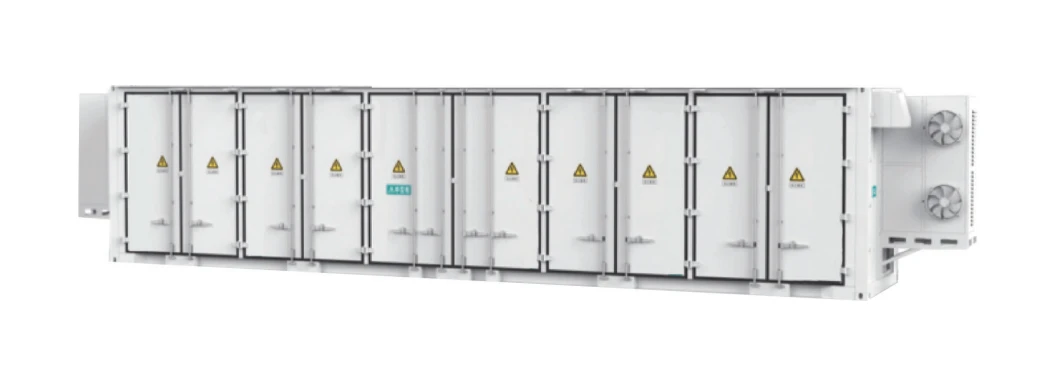
Product snapshot: Centralized energy storage system
Built in Suzhou (No. 58 Tongxin Road, Tongan town, Jiangsu 215000), this containerized platform integrates power electronics, BMS, temperature and environmental control, fire protection, lighting, and grounding—so the site work is mostly pads, cables, and commissioning. It uses China first-line 280Ah brand cells with up to ≈8,000 cycles. Three footprints—20HC, 30HC, 40HC—deliver around 2.67–7.53 MWh per container, configurable for peak shaving, renewables smoothing, or frequency regulation.
Key specifications
| Container formats | 20HC / 30HC / 40HC |
| Usable capacity (single container) | ≈2.67–7.53 MWh (real-world may vary) |
| Cell format | 280Ah branded cells; stationary projects typically select LFP |
| Cycle life | Up to ≈8,000 cycles @ 25°C, ≤80% DoD |
| Round-trip efficiency | ≈92–95% (AC-to-AC, project dependent) |
| Fire protection | Integrated detection & suppression; tested to UL 9540A methodology |
| Environmental/Ingress | HVAC + filtration; typical IP54 enclosure |
| Standards (design intent) | IEC 62619, IEC 62933, UL 9540/9540A, NFPA 855 (site), ISO 9001/14001 |
| Service life | ≈15 years with proper O&M |
Process flow (how it’s built and proven)
- Materials: 280Ah cells, flame-retardant harnessing, steel racking, HVAC modules, PCS, BMS, sensors.
- Methods: Cell grading/matching → module build → string assembly → container integration → FAT.
- Testing standards: IEC 62619 safety, UL 9540A thermal propagation tests, IEC 62933 performance.
- Commissioning: SAT, round-trip efficiency tests, functional EMS logic checks, thermal soak.
- Industries: Solar/wind plants, data centers, EV hubs, factories, ports, hospitals, mining.
Applications and what operators actually gain
- Peak shaving and time-of-use arbitrage with a site-level energy management system scheduling charge/discharge. - Renewables smoothing and ramp control. - Black start and critical backup (data centers love this). - Frequency/voltage support where markets permit. Many customers say the surprise win is HVAC efficiency under heatwaves—the thermal design matters more than brochures admit.
Vendor landscape (quick take)
| Vendor/Model | Capacity (≈40ft) | Chemistry | Cycles | Notes |
|---|---|---|---|---|
| ACDC Centralized ESS | Up to ≈7.53 MWh | Typically LFP | Up to ≈8,000 | High integration; flexible container sizes |
| Tesla Megapack 2 | ≈3–4 MWh | LFP | ≈6,000–7,500 | Strong digital suite; longer lead times in some regions |
| CATL EnerOne/Equiv. | ≈3–6 MWh | LFP | ≈6,000–10,000 | Broad global footprint; modular racks |
Specs are indicative; integration, grid code, and site constraints swing real outcomes.
Customization that actually matters
- PCS power rating to match interconnect limits.
- Energy management system protocols: Modbus TCP, IEC 61850, SCADA hooks, market APIs.
- Cooling strategies for hot or dusty climates; filtration upgrades.
- Fire strategy aligned with local AHJ, NFPA 855 spacing, and UL 9540A data.
Mini case notes
20 MW / 40 MWh solar-plus-storage: shifted mid-day excess to evening, cutting clipping by 18% and boosting PPA revenue ≈11% in year one. Operator feedback: “Commissioning was faster than we budgeted; EMS tuned in two weeks.”
5 MW data center microgrid: used as spinning reserve and UPS bridge; achieved 94% measured AC-AC efficiency over 30-day test; thermal stability held under a 42°C heatwave. “Noise and HVAC draw were lower than expected,” the facilities team told me.
Why this matters now
Policy and markets are rewarding fast, dependable storage. When the energy management system is tightly integrated with containerized hardware, you trade guesswork for data—and time-to-revenue shrinks. Not perfect, sure, but for most sites, it’s the difference between curtailment and cash flow.
Authoritative sources
- IEC 62619: Secondary lithium cells and batteries for industrial applications.
- UL 9540 / UL 9540A: Energy Storage Systems and Thermal Runaway Fire Propagation.
- IEC 62933 series: Electrical energy storage systems standards.
- NFPA 855: Standard for the Installation of Stationary Energy Storage Systems.
- IEA Energy Storage Tracking Report, latest edition.
-
Cedar Point EV Charging Solutions for Sustainable Tourism Experience
NewsApr.16,2026
-
Guide to Cedar Point Charging Stations for EV Park Visitors
NewsApr.16,2026
-
Acorn Stairlift Charging Point Guide for Home Mobility Optimization
NewsApr.16,2026
-
Integrating a Wireless Charging Point into Modern Infrastructure
NewsApr.16,2026
-
How to Optimize Your iPhone 14 Charging Point for Efficiency
NewsApr.16,2026
-
Analyzing the Charging Point Share Price Trends and Market Outlook
NewsApr.09,2026