


Oct . 01, 2025 10:30 Back to list
Energy Management System EMS: Cut Energy Costs Fast?
Why telecom sites are quietly standardizing on 48V for smart power and real savings
If you work around base stations or edge rooms, you already know the unsung hero: the energy management system. It ties rectifiers, batteries, and loads together so the network doesn’t blink during outages. Lately, I’ve been testing a tidy setup built around a 48V Communication Power Supply, and—surprisingly—it’s the simple things (clean wiring, honest specs, decent remote telemetry) that make the biggest difference.
Industry trend check (and why 48V still wins)
Edge compute and 5G densification are pushing cabinets into hotter, dustier, more remote places. Operators tell me they want fewer site visits and predictable batteries. That’s why the modern energy management system leans into 48V DC, high-efficiency rectifiers, and LiFePO4 options. In fact, hybrid sites pairing small PV strings with 48V storage are up noticeably year over year, at least in the APAC markets I’ve walked.
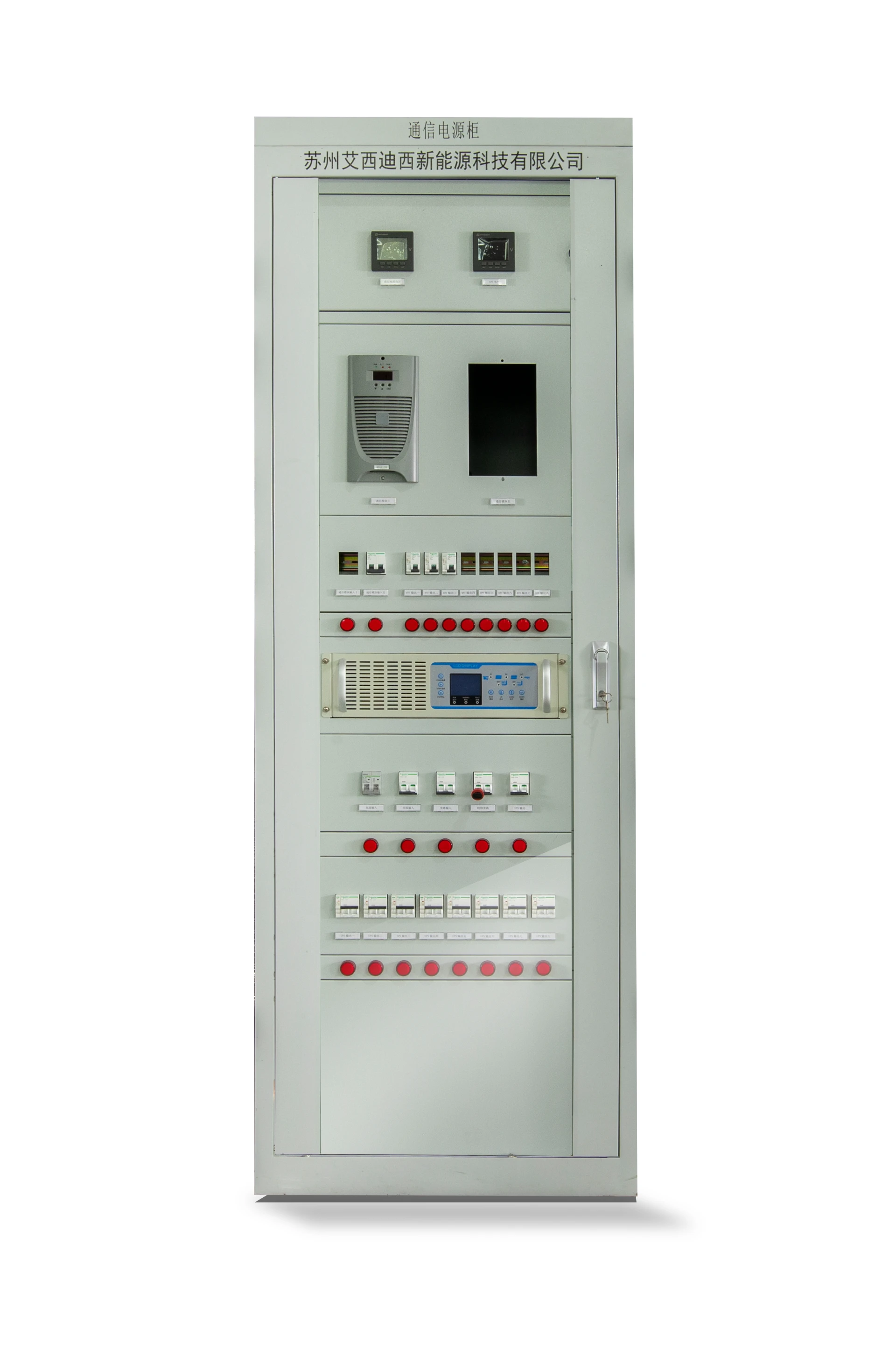
Product snapshot: 48V Communication Power Supply
Model description hints at a flexible stack: ACDC rectifiers, LA (Valve-Regulated Lead-Acid) or LF (Lithium Iron Phosphate) batteries, and a TPS communication power panel. Nominal output is 48V/100A—plenty for a typical sectorized BTS plus routers, with headroom for peaks. To be honest, the wiring ergonomics matter as much as raw amps; this one’s layout is sane.
| Parameter | Spec (real-world use may vary) |
|---|---|
| Nominal Output | 48V DC / 100A (≈4.8 kW) |
| Battery Options | LA—Lead Acid; LF—LiFePO4 (TPS communication power panel compatible) |
| Efficiency | ≈92–95% at 50–75% load |
| Ripple / Noise | ≤150 mVrms @ 48V |
| Protections | OVP, OCP, SCP, OTP; battery LVD; surge ≥6 kV (IEC 61000-4-5) |
| Comms / EMS | SNMP/Modbus (optional), dry contacts, event logs for energy management system platforms |
| Certifications | CE, RoHS; designed to IEC 62368-1, ETSI EN 300 132-2, EMC per IEC 61000 series |
| Service Life | Rectifier ≈10–15 years; LiFePO4 ≈4000+ cycles @ 80% DoD; VRLA ≈5–8 years |
Process flow, testing, and what’s inside
- Materials: oxygen-free copper busbars, FR-4 PCBs with conformal coating, aluminum heat sinks, UL94 V-0 plastics, LiFePO4 or VRLA banks.
- Methods: SMT assembly, selective wave soldering, potting on high-stress components, thermal path optimization.
- Testing standards: burn-in 48–72h at elevated temp, IEC 60068 environmental, IEC 61000-4-x EMC immunity, surge per -4-5, MTBF per Telcordia SR-332 (target >200,000 h).
- Service routines: remote firmware, monthly battery impedance checks, quarterly log review in the energy management system.
- Industries: telecom, rail communications, industrial IoT cabinets, small microgrids, safe-city nodes.
Where it fits (and what users report)
Application scenarios: rooftop BTS, rural towers on diesel-solar hybrids, edge data rooms, and wayside cabinets. Many customers say they noticed quieter fans and fewer nuisance trips. One PM joked the best feature was “not hearing about it for months,” which, I guess, is the ultimate compliment for an energy management system.
Vendor snapshot (rough, but useful)
| Vendor | Output Class | Efficiency | Protocols | Certs (≈) | Price Band |
|---|---|---|---|---|---|
| ACDC (Suzhou) | 48V/100A | 92–95% | SNMP, Modbus | CE, RoHS, IEC/ETSI | $$ |
| Vendor H (global) | 48V/60–200A | 95–96% | SNMP, proprietary | CE, UL, IEC/ETSI | $$$ |
| Vendor L (regional) | 48V/50–120A | 90–93% | Modbus | CE, EMC | $–$$ |
Note: values are indicative; site conditions and firmware options can shift results.
Customization and integration
- Rack formats: 19" or ETSI; front or top cable entry.
- Telemetry: northbound to NOC via SNMP traps; API hooks to your energy management system.
- Battery curves: LA vs. LiFePO4 charge profiles, temperature-compensated.
- Surge rating, paint (RAL), and connector sets configurable.
Mini case notes
- Island BTS hybrid: diesel + 3 kW PV, reduced fuel runs by ≈28%; uptime 99.98% over wet season.
- Metro tunnels: tighter ripple kept radio resets near zero; maintenance tickets dropped by ~35% in Q2.
Origin and support: No. 58 Tongxin Road, Tongan town, Suzhou!Jiangsu province,215000. The team there was responsive on Modbus register maps—small thing, big win.
Authoritative references
-
Cedar Point EV Charging Solutions for Sustainable Tourism Experience
NewsApr.16,2026
-
Guide to Cedar Point Charging Stations for EV Park Visitors
NewsApr.16,2026
-
Acorn Stairlift Charging Point Guide for Home Mobility Optimization
NewsApr.16,2026
-
Integrating a Wireless Charging Point into Modern Infrastructure
NewsApr.16,2026
-
How to Optimize Your iPhone 14 Charging Point for Efficiency
NewsApr.16,2026
-
Analyzing the Charging Point Share Price Trends and Market Outlook
NewsApr.09,2026