


Oct . 17, 2025 08:15 Back to list
Energy Management System for Real-Time Monitoring & Savings
A Practical Insider’s Look at Modern Energy Management for Micro Data Centers
If you’re evaluating an energy management system for edge or campus sites, here’s what’s really moving the needle: compact, prefabricated modules that blend power, cooling, racks, cabling, security, and monitoring into one fast-deployable package. Actually, the category has matured—less hype, more field data. And yes, it’s saving real money for operators who are tired of juggling vendors and delays.
Product at a Glance: Micro Module Computer Room
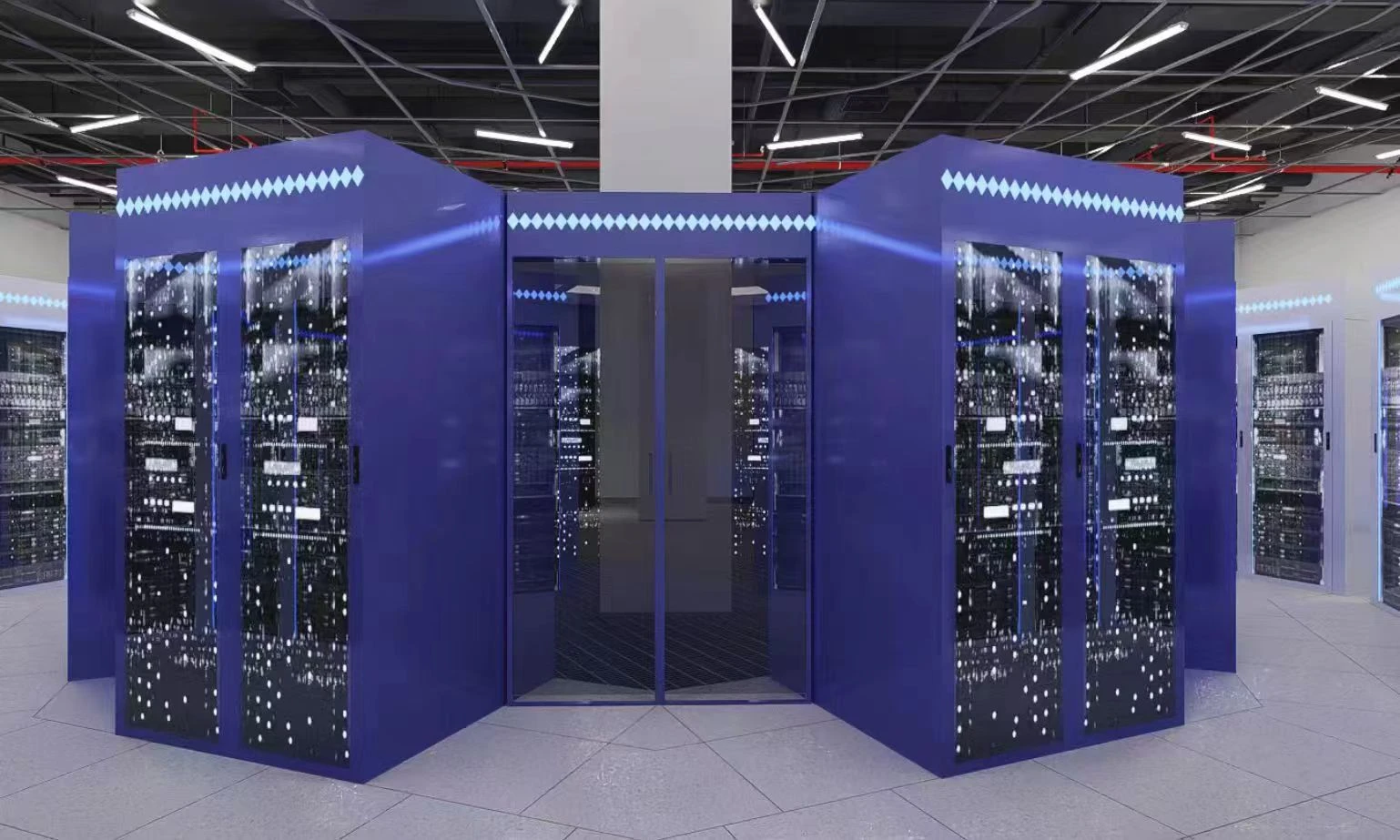
From Suzhou (No. 58 Tongxin Road, Tongan town, Suzhou!Jiangsu province,215000), the Micro module computer room is a highly integrated, rapidly deployable data center “in a box.” It folds power distribution, temperature control, cabinet access, cabling, and monitoring into a single module. Many customers say the appeal is simple: lower operating costs and a smaller footprint without sacrificing resilience.
Why Now: Industry Trends
- Power costs and carbon reporting are up; operators chase PUE ≤ 1.4 at the edge.
- AI/analytics at branches push 5–20 kW/rack densities—cooling must be smarter.
- Standards-led ops (ISO 50001, EN 50600, ASHRAE TC 9.9) are becoming the baseline.
Typical Specs (field-proven, not just brochure talk)
| Rated power distribution | ≈ 40–250 kVA (scalable, IEC 61439 compliant) |
| Cooling | In-row DX or chilled water; hot/cold aisle containment; ASHRAE TC 9.9 |
| Racks per module | 6–20 racks (42U/48U), around 800–1,200 mm deep |
| Redundancy | UPS N+1, cooling N/N+1, dual power paths (where applicable) |
| Monitoring & protocols | BMS/DCIM, Modbus/TCP, SNMP v2c/v3; optional API |
| Fire & safety | VESDA/aspirating + clean agent options; IEC/EN 62368 awareness |
| Expected service life | 10–15 years with planned maintenance; batteries 5–10 years real-world |
Application scenarios: finance branches, hospital IT closets, school server rooms, telco edge POPs, and enterprise sites where space is tight and uptime matters. In fact, we’ve seen surprising traction in manufacturing MES hubs, too.
Process Flow (materials → validation)
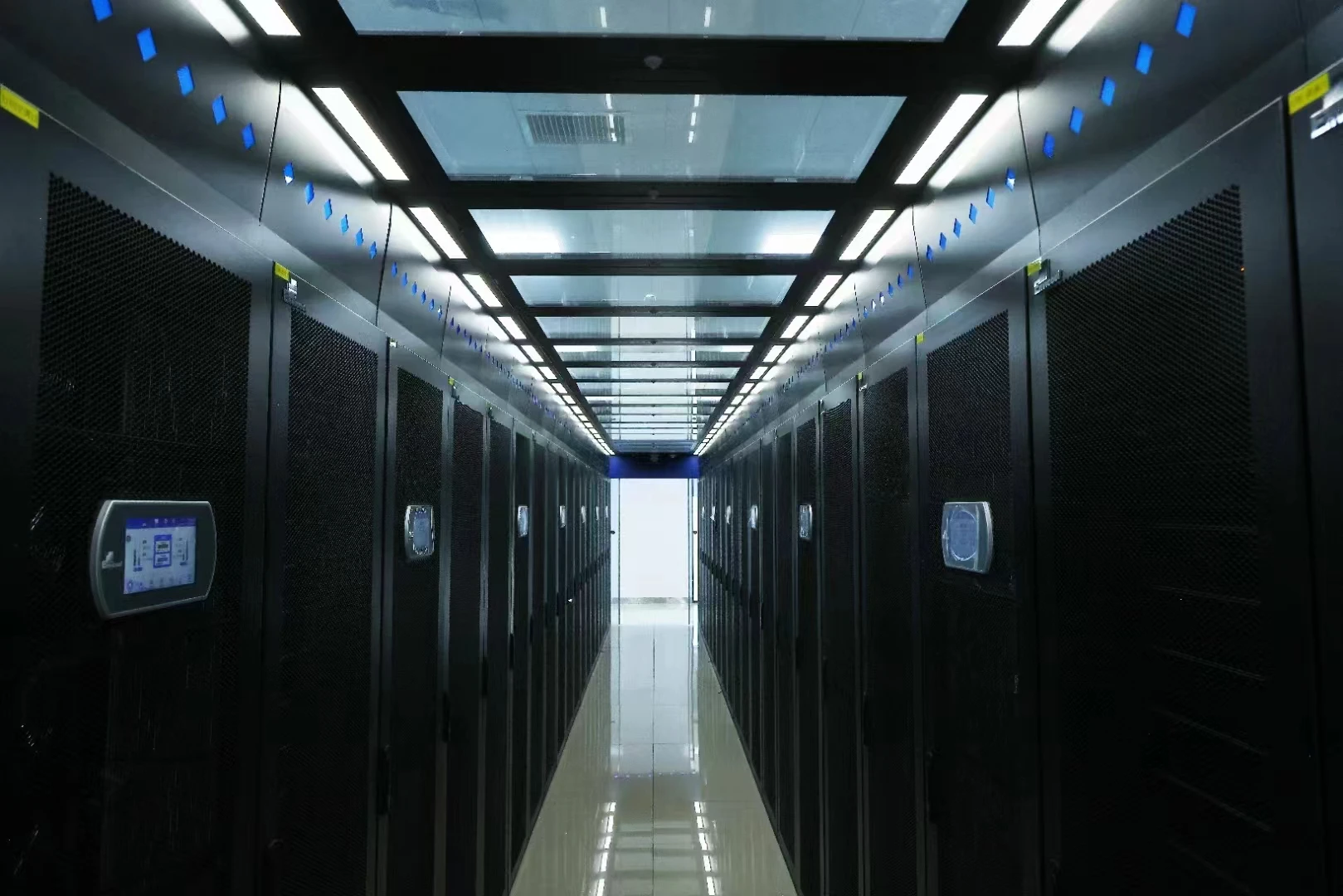
- Materials: cold-rolled steel frames, powder-coated panels, copper busbars, sealed cable trays, low-smoke halogen-free wiring.
- Build methods: prefabricated subassemblies, factory acceptance testing (FAT), then site acceptance (SAT); rapid lift-in install.
- Testing standards: IEC 61439 (switchgear), EN 50600 (data centers), ASHRAE thermal guidelines; electrical tests to local code.
- Performance: typical PUE ≈ 1.35–1.5 (climate dependent); leak-tested cooling loops; thermal imaging on load banks.
Vendor Snapshot (real-world differences)
| Option | Deploy time | Typical PUE | Footprint | Customization |
|---|---|---|---|---|
| Micro module computer room | 4–10 weeks | ≈1.35–1.5 | Compact, shared containment | High (power/cooling/rack mix) |
| Traditional room build | 3–9 months | ≈1.6–1.9 | Larger; bespoke MEP | Very high, but slower |
| Generic modular vendor | 6–12 weeks | ≈1.45–1.7 | Moderate | Medium; fixed SKUs |
Customization & Monitoring (the heart of a energy management system)
- UPS chemistries (VRLA or Li-ion), rack densities 3–20 kW, containment types, and security (badge, biometrics).
- DCIM dashboards: real-time kW, kWh, inlet temps, alarms, and sustainability KPIs aligned to ISO 50001.
- APIs to feed corporate ESG platforms; alerts via SNMP or webhook—simple but effective.
Field Results & Case Notes
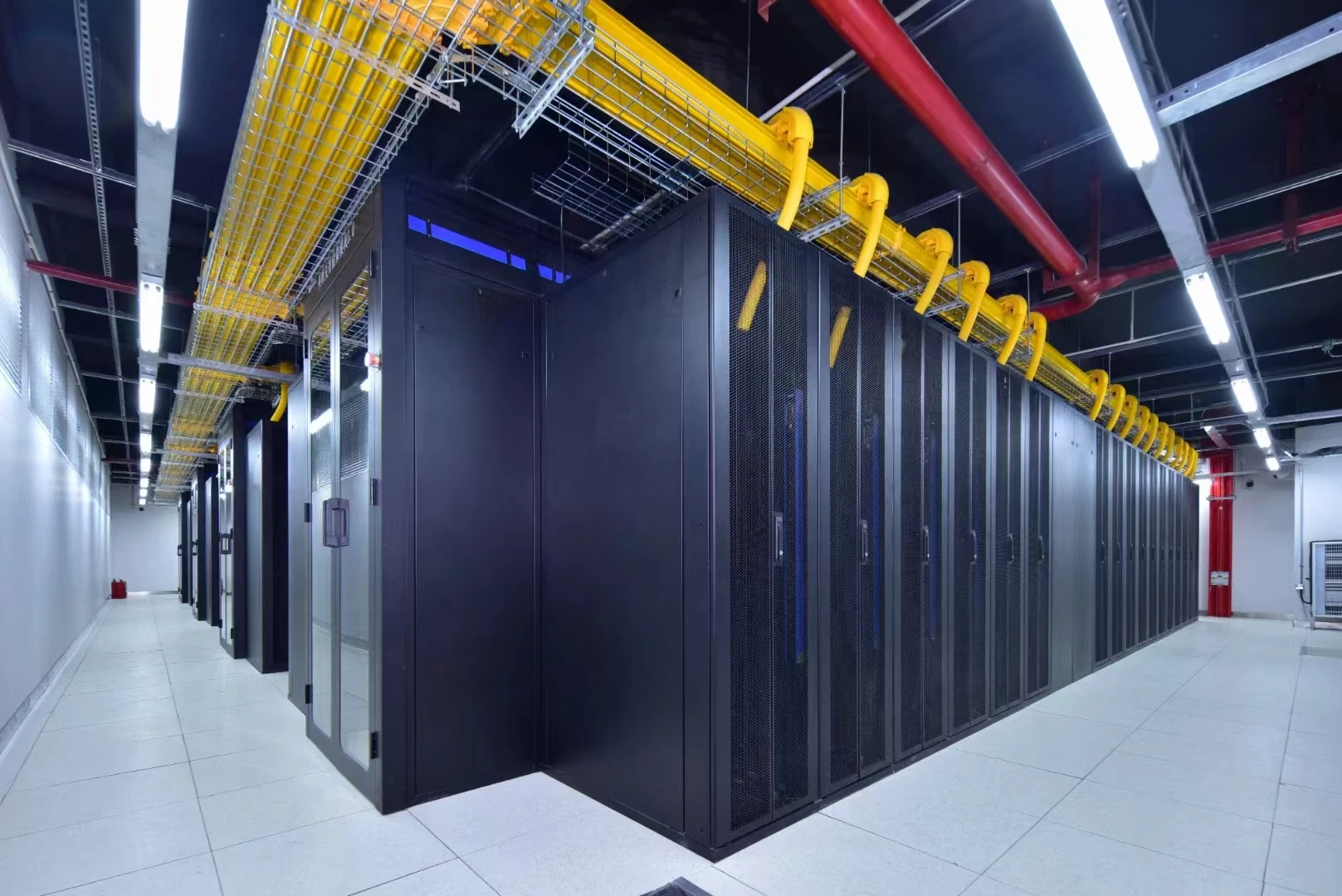
Bank branches (8 racks, mixed workloads): measured 22% energy reduction vs. legacy IT rooms; PUE improved from 1.76 to 1.41 over 90 days (metered kWh, weekdays only). Operators liked the quiet install—two days, minimal dust, to be honest.
Hospital edge analytics node: N+1 cooling held inlet temps within ASHRAE recommended range even during a 34°C heatwave. Battery runtime ≈ 12 minutes at 70% load; automatic generator start succeeded in 3/3 tests.
Certifications and good practice: ISO 9001/14001 manufacturing, designs aligned to EN 50600 and ASHRAE TC 9.9. Many facilities teams say the integrated alarms make the energy management system feel… calm. Less paging at 2 a.m., which is priceless.
Who benefits
Finance, healthcare, education, telecom, manufacturing—anyone needing fast deployment, predictable efficiency, and tidy lifecycle costs. It seems that the more constrained the site, the bigger the win from a unified energy management system.
References
- ISO 50001: Energy management systems — Requirements with guidance (https://www.iso.org/standard/69426.html)
- EN 50600: Information technology — Data centre facilities and infrastructures (https://standards.cencenelec.eu)
- ASHRAE TC 9.9: Thermal Guidelines for Data Processing Environments (https://www.ashrae.org)
- IEC 61439: Low-voltage switchgear and controlgear assemblies (https://webstore.iec.ch)
- Uptime Institute Tier Guidelines (https://uptimeinstitute.com/tiers)
-
Cedar Point EV Charging Solutions for Sustainable Tourism Experience
NewsApr.16,2026
-
Guide to Cedar Point Charging Stations for EV Park Visitors
NewsApr.16,2026
-
Acorn Stairlift Charging Point Guide for Home Mobility Optimization
NewsApr.16,2026
-
Integrating a Wireless Charging Point into Modern Infrastructure
NewsApr.16,2026
-
How to Optimize Your iPhone 14 Charging Point for Efficiency
NewsApr.16,2026
-
Analyzing the Charging Point Share Price Trends and Market Outlook
NewsApr.09,2026