

Nov . 02, 2025 01:05 Back to list
Energy Management System with Real-Time Analytics & Savings
Energy Management System is a key solution in the information-technology industry industry, specifically within data center and Modular Data Center. This article explores how Suzhou ACDC New Energy Technology Co., LTD., supports professionals with durable, high-performance products, and explains why this product is an ideal choice for businesses in these sectors.
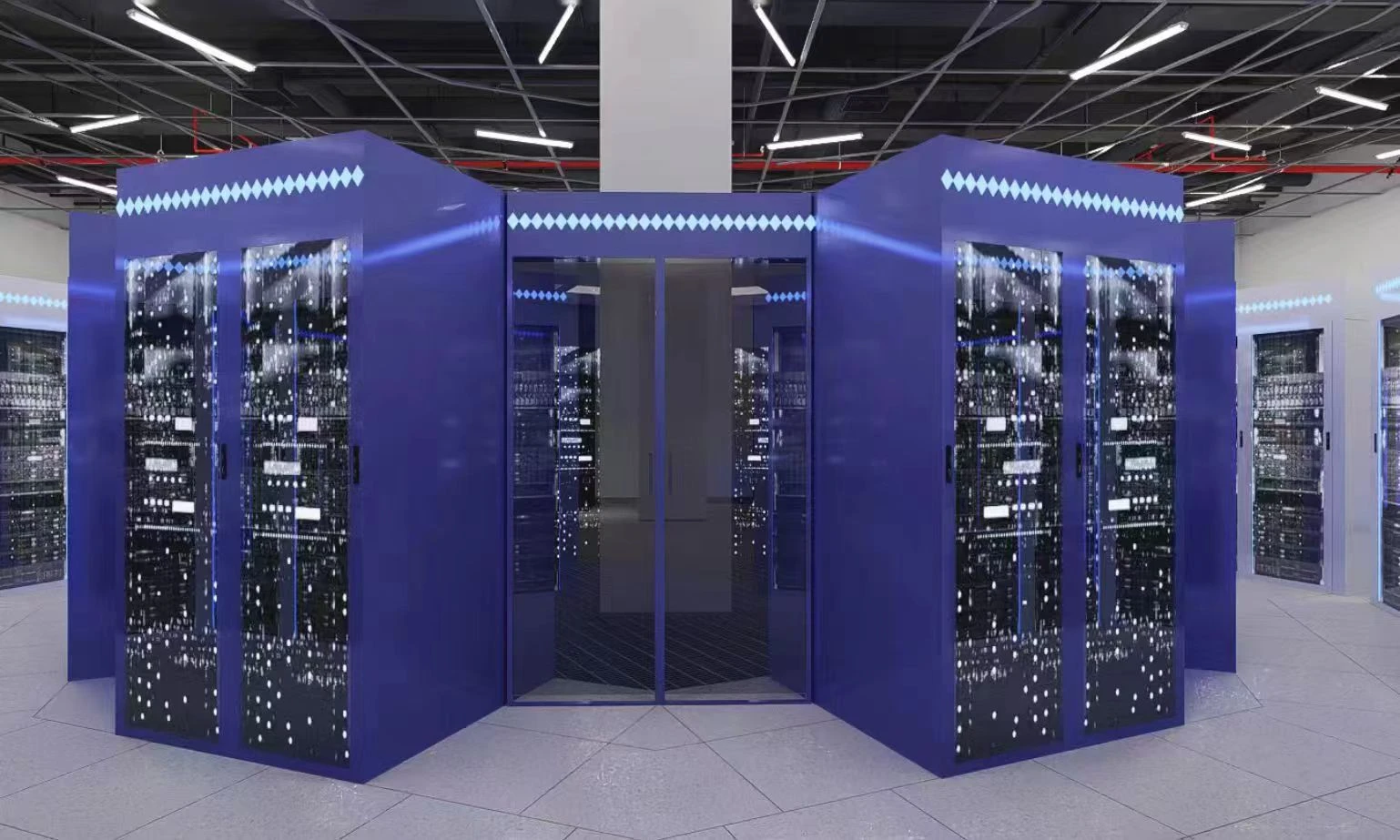
Table of Contents
- Energy Management System Overview
- Benefits & Use Cases of Energy Management System in Modular Data Center
- Cost, Maintenance & User Experience
- Sustainability & Market Trends in information-technology industry
- Conclusion on Energy Management System from Suzhou ACDC New Energy Technology Co., LTD.,
Energy Management System Overview
In a high-density, always-on digital economy, an Energy Management System (EMS) is the operational backbone that optimizes how power is produced, distributed, stored, and consumed across data center assets. In modular data centers—where capacity is packaged into standardized, scalable micro-modules—the EMS ties together energy control systems, cooling plants, UPSs, PDUs, battery energy storage, and IT loads to ensure safe, efficient, and resilient operations. Modern EMS platforms deliver granular telemetry, advanced analytics, and automated control, enabling B2B decision makers to balance performance, sustainability, and cost.
- Relevance: In the information-technology industry, EMS reduces energy waste, improves PUE/DCiE, supports capacity planning, and orchestrates demand response. In modular environments, it accelerates deployment and standardizes governance across sites.
- Technical background: Typical integrations include Modbus TCP/RTU, BACnet/IP, SNMPv3, and REST APIs. Core capabilities encompass real-time metering at busway/branch-circuit level, predictive thermal optimization, and automated setpoint control for CRAC/CRAH and in-row cooling. Operators often see measurable improvements in energy intensity and alarm fidelity after EMS rollout.
- Manufacturer: Suzhou ACDC New Energy Technology Co., LTD., provides micro-module computer room solutions engineered for reliability and speed-to-market, with EMS-ready architectures that simplify monitoring, control, and lifecycle management.
Benefits & Use Cases of Energy Management System in Modular Data Center
A modular data center thrives on repeatability and speed. An energy monitoring and management system extends those advantages by delivering plug-and-play telemetry and unified control across each module—no matter the site or climate. Whether you’re bringing a 500 kW edge node online or scaling a multi-MW campus, EMS provides a single pane of glass to tune energy flows, validate redundancy, and optimize cooling for fluctuating AI and cloud workloads.
- Applications: Commissioning assistance and “digital burn-in”; real-time PUE tracking; peak shaving with BESS; carbon-aware load scheduling; automated chiller/CRAH sequencing; branch-circuit monitoring to prevent overloads; and demand-response participation for cost control.
- Competitive advantages: Vendor-agnostic protocol support, role-based access control and encrypted telemetry, edge-to-cloud analytics, and AI-assisted setpoint optimization. The result is lower energy cost, improved uptime posture, and faster root-cause analysis.
- Expertise: Suzhou ACDC New Energy Technology Co., LTD., designs micro-module systems with EMS integration in mind—standardized wiring, clear network segmentation, and pre-validated data models—so operators can deploy energy control systems rapidly and scale consistently.
Cost, Maintenance & User Experience
Total cost of ownership for an EMS spans licensing, integration, sensors/metering, and ongoing support. For modular data centers, standardized designs reduce upfront engineering and accelerate time to value. Operators often realize ROI through energy savings, reduced truck rolls, faster incident response, and automated compliance reporting. EMS also extends asset life by reducing mechanical short-cycling and keeping equipment within optimal operating envelopes.
- Durability and ROI: With resilient edge nodes, high-availability servers, and secure failover, EMS sustains operations during network disruptions. Energy and maintenance savings compound over time, especially where BESS and demand response are leveraged.
- User experience: Role-based dashboards for facilities, IT, and finance teams; no/low-code reports; and automated alerts that reduce noise while surfacing actionable insights. Feedback from data center operators commonly cites improved visibility, faster MTTR, and simpler multi-site benchmarking.
Sustainability & Market Trends in information-technology industry
Data centers are scaling to support AI, edge computing, and digital services, even as sustainability expectations rise. Organizations are aligning with frameworks such as ISO 50001 and publishing energy and emissions metrics while pursuing lower PUE and carbon intensity. EMS plays a pivotal role by enabling continuous optimization, granular carbon accounting, and grid-interactive strategies that pair on-site renewables and battery storage with intelligent control.
- Industry growth & regulation: Higher rack densities and liquid cooling adoption demand precise monitoring and coordinated cooling control. Reporting expectations are increasing, making auditable energy data and automated documentation a must-have.
- Forward-thinking approach: Suzhou ACDC New Energy Technology Co., LTD., engineers solutions that help customers reduce energy intensity, integrate BESS, and support carbon-aware operations—positioning EMS as both a performance tool and an environmental commitment.
Conclusion on Energy Management System from Suzhou ACDC New Energy Technology Co., LTD.,
For B2B decision makers operating in the information-technology industry, an Energy Management System is essential to orchestrate power, cooling, and storage at scale. In modular data centers, EMS accelerates deployment, enhances resilience, and drives ongoing efficiency gains. Suzhou ACDC New Energy Technology Co., LTD., combines engineering rigor with EMS-ready micro-module designs, enabling faster time to value and simpler multi-site governance.
- Recap: EMS improves efficiency, visibility, and sustainability across data center and Modular Data Center operations.
- Reputation: Suzhou ACDC New Energy Technology Co., LTD., delivers durable, high-performance platforms designed for real-world reliability.
- Strong CTA: Contact us: email: beika@acdctech.com.cn — Visit our website: https://www.acdcbess.com
-
Cedar Point EV Charging Solutions for Sustainable Tourism Experience
NewsApr.16,2026
-
Guide to Cedar Point Charging Stations for EV Park Visitors
NewsApr.16,2026
-
Acorn Stairlift Charging Point Guide for Home Mobility Optimization
NewsApr.16,2026
-
Integrating a Wireless Charging Point into Modern Infrastructure
NewsApr.16,2026
-
How to Optimize Your iPhone 14 Charging Point for Efficiency
NewsApr.16,2026
-
Analyzing the Charging Point Share Price Trends and Market Outlook
NewsApr.09,2026