

Oct . 23, 2025 01:05 Back to list
Energy Management System with Real-Time Analytics & Savings
Energy Management System is a key solution in the information-technology industry industry, specifically within data center and Modular Data Center. This article explores how Suzhou ACDC New Energy Technology Co., LTD., supports professionals with durable, high-performance products, and explains why this product is an ideal choice for businesses in these sectors.
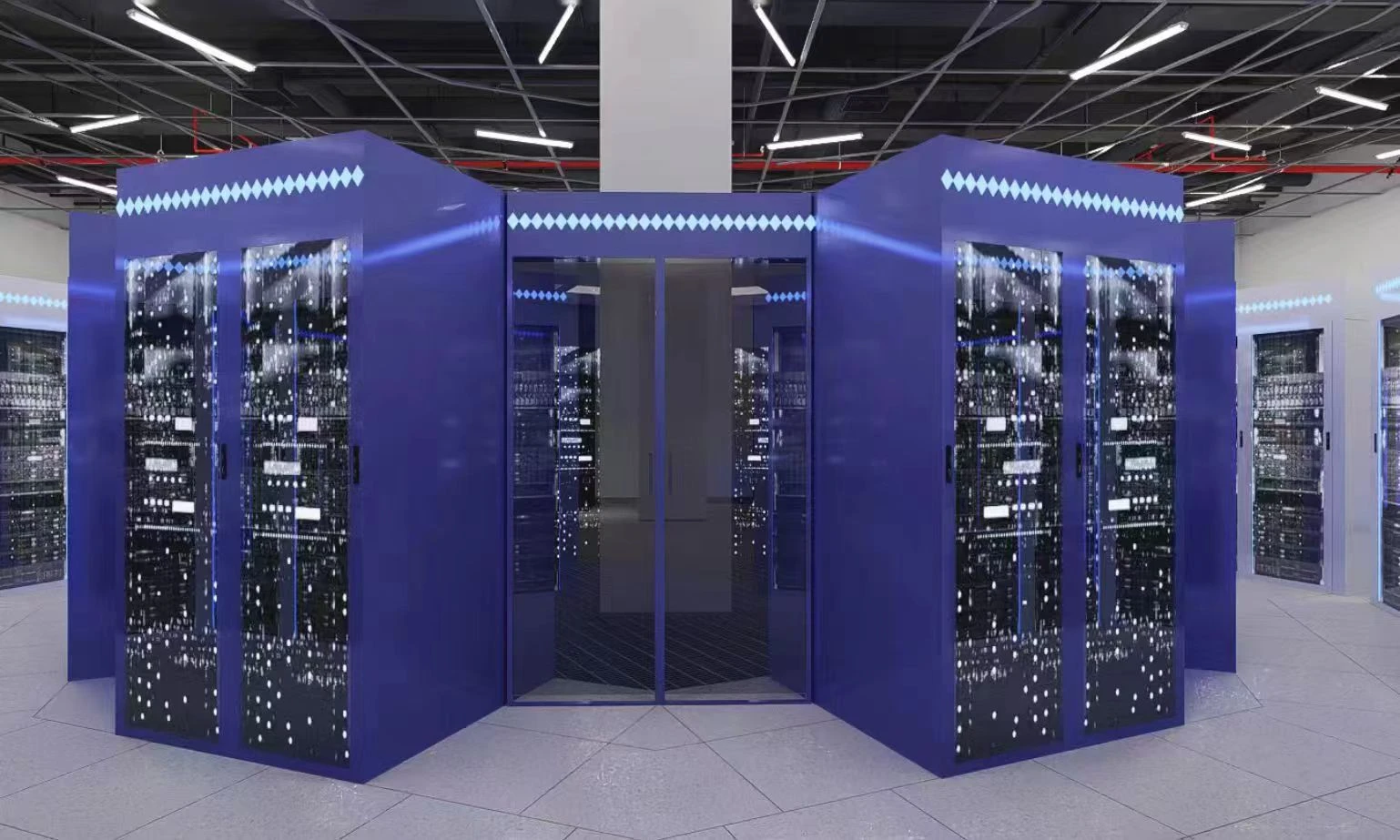
Table of Contents
- Energy Management System Overview
- Benefits & Use Cases of Energy Management System in Modular Data Center
- Cost, Maintenance & User Experience
- Sustainability & Market Trends in information-technology industry
- Conclusion on Energy Management System from Suzhou ACDC New Energy Technology Co., LTD.,
Energy Management System Overview
In data centers—especially modular and micro-module facilities—an Energy Management System (EMS) orchestrates how power is measured, analyzed, and controlled across the entire electrical and mechanical stack. A modern energy monitoring and management system consolidates real-time data from utility feeds, switchgear, UPS, PDUs, batteries, IT loads, and cooling assets (CRAC/CRAH, in-row, or liquid cooling), then applies analytics to optimize efficiency and resilience. Typical capabilities include branch-circuit metering, automated setpoint management, alarm correlation, power usage effectiveness (PUE) tracking, and integration with BMS/DCIM platforms via Modbus TCP/IP, SNMP, or BACnet/IP.
For Modular Data Centers, an EMS is the nerve center that enables faster deployment and consistent performance at scale. By standardizing telemetry and control, operators can commission new modules quickly and maintain fleet-wide visibility. Suzhou ACDC New Energy Technology Co., LTD., manufactures micro-module solutions designed for high availability and efficiency, pairing robust hardware with software-driven energy control systems. In one 200‑rack edge deployment scenario, standardizing on an EMS drove peak-load visibility and automated cooling optimization, reducing energy waste and improving uptime through proactive alerting and trending.
Benefits & Use Cases of Energy Management System in Modular Data Center
Modular Data Centers benefit from pre-engineered, repeatable control logic. An EMS unifies distributed modules under a single pane of glass, enabling capacity planning, load balancing, and automated demand response. Common use cases include: commissioning new sites with templated energy baselines; reducing PUE through dynamic cooling optimization; peak-demand management to curb utility charges; fleet-wide energy compliance reporting; and integrating renewables or battery systems when present. For high-density and AI/HPC pods, EMS insights help tune power distribution and thermal strategies to protect SLAs.
Competitive advantages of a well-implemented energy monitoring and management system include rapid deployment, open protocol support, granular metering, and advanced analytics. Suzhou ACDC New Energy Technology Co., LTD., leverages factory integration and rigorous testing across its micro-module computer room solutions to minimize onsite risk and accelerate time-to-value. Their approach to energy control systems emphasizes interoperability with existing DCIM/BMS tools, secure remote operations for distributed sites, and lifecycle scalability—so operators can add modules, sensors, and features without re-architecting the platform.
Cost, Maintenance & User Experience
Total cost of ownership (TCO) improves when an EMS systematically reduces energy waste, extends equipment life, and prevents unplanned downtime. For many operators, energy savings and avoided demand charges can drive a 12–24 month payback, depending on local tariffs, load profile, and baseline efficiency. Additional ROI stems from faster root-cause analysis, reduced truck rolls, and streamlined compliance reporting. In modular environments, pre-integrated EMS frameworks from Suzhou ACDC New Energy Technology Co., LTD., further cut commissioning costs and integration time.
Maintenance is simplified by standardized components, remote firmware updates, and clear telemetry down to the rack or branch circuit. Operators praise intuitive dashboards that highlight anomalies, compare module performance, and forecast capacity. Data center teams report smoother collaboration between facilities and IT when the EMS surfaces actionable KPIs—PUE, WUE, power quality, thermal gradients—within one interface. The result is a user experience focused on outcomes: faster decisions, fewer alarms, and predictable performance across diverse sites and climates.
Sustainability & Market Trends in information-technology industry
Sustainability targets and regulatory pressure are reshaping data center strategies. Organizations increasingly align with ISO 50001 energy-management practices, disclose Scope 2 emissions, and optimize PUE while preparing for grid constraints. Modular Data Centers, paired with an effective Energy Management System, enable measurable progress: baselining consumption, verifying improvements, and automating interventions such as load shifting or demand response where available. For AI and high-density workloads, precision monitoring and control are critical to balance performance with efficiency.
Suzhou ACDC New Energy Technology Co., LTD., positions its micro-module solutions to meet these expectations with efficient power and cooling topologies, open integrations, and data-rich reporting. By building energy control systems that are future-ready—supporting evolving protocols and analytics—the company helps operators scale responsibly, reduce operational carbon, and adapt to market dynamics. As edge expansion and hybrid cloud continue, standardized EMS capabilities will be a cornerstone for resilient, eco-conscious data center growth.
Conclusion on Energy Management System from Suzhou ACDC New Energy Technology Co., LTD.,
An Energy Management System is mission-critical for information-technology industry operations—especially in data center and Modular Data Center deployments where speed, efficiency, and resilience must coexist. By unifying monitoring, analytics, and control, EMS solutions reduce energy costs, improve uptime, and simplify compliance. Suzhou ACDC New Energy Technology Co., LTD., delivers reliable, high-performance micro-module platforms that embed these capabilities for rapid, scalable value.
- Recap the value of Energy Management System in information-technology industry / data center / Modular Data Center.
- Reinforce Suzhou ACDC New Energy Technology Co., LTD.,’s reputation.
- Strong CTA: - Contact us: email: beika@acdctech.com.cn - Visit our website: https://www.acdcbess.com
-
Cedar Point EV Charging Solutions for Sustainable Tourism Experience
NewsApr.16,2026
-
Guide to Cedar Point Charging Stations for EV Park Visitors
NewsApr.16,2026
-
Acorn Stairlift Charging Point Guide for Home Mobility Optimization
NewsApr.16,2026
-
Integrating a Wireless Charging Point into Modern Infrastructure
NewsApr.16,2026
-
How to Optimize Your iPhone 14 Charging Point for Efficiency
NewsApr.16,2026
-
Analyzing the Charging Point Share Price Trends and Market Outlook
NewsApr.09,2026