


Oct . 25, 2025 10:50 Back to list
Energy Storage Cabinet with EMS: Safe, Modular, Scalable
Energy Storage Cabinets grow up: what’s inside, what matters, and why telecom teams care
If you’ve ever tried to keep batteries cool on a 45°C rooftop or dry in a coastal monsoon, you already know the hero of the story is the Energy Storage Cabinet. In the last two years, cabinets have quietly gone from “metal box with fans” to integrated platforms balancing HVAC, fire safety, EMS, and grid codes. To be honest, the boring enclosure is now a tiny power plant manager.
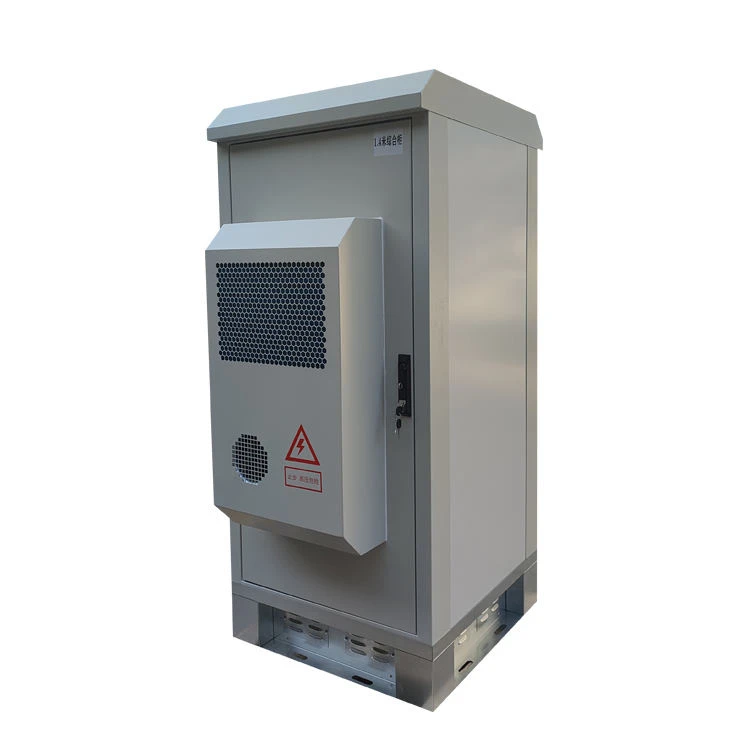
Market pulse and where this product fits
Telecom and 5G base stations are driving a lot of the demand, especially where grids are jumpy. The Outdoor Integrated Temperature Control Cabinet from Suzhou (Origin: No. 58 Tongxin Road, Tongan town, Suzhou!Jiangsu province,215000) is designed for access or transmission switching sites, emergency comms, and network-integrated services. It seems that uptime expectations are rising while maintenance windows are shrinking—so thermal management and modularity are now make-or-break features.
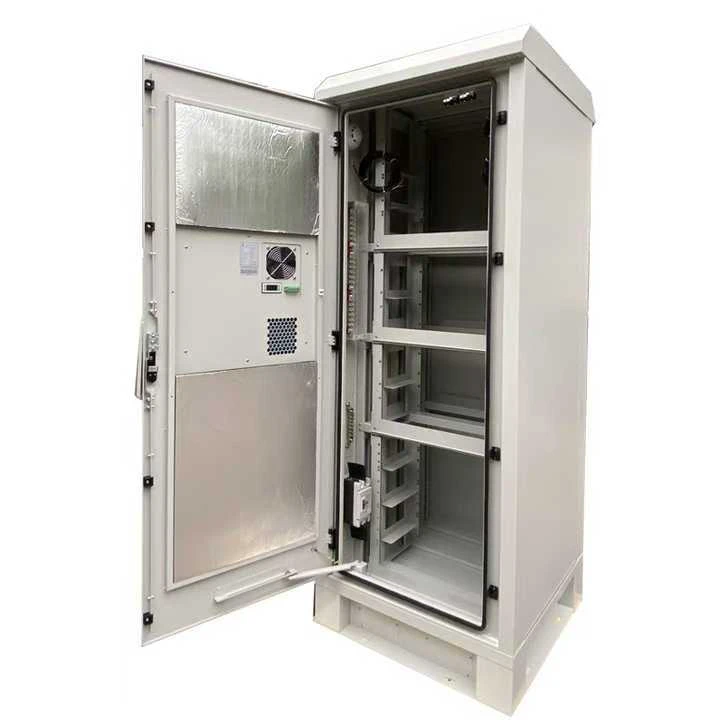
Quick spec snapshot (example configuration)
| Product name | Outdoor Integrated Temperature Control Cabinet |
| Use case | 5G base stations, access/transport nodes, emergency comms, microgrid buffer |
| Battery support | 48–1500 V systems (Li-ion/LFP preferred), capacity modular ≈ 20–300 kWh (real-world may vary) |
| Thermal control | Integrated HVAC + heat exchanger; intelligent variable-speed fans |
| Enclosure | Galvanized steel/Alu-zinc, powder-coated; IP55–IP65 target per IEC 60529 |
| EMS/BMS | Modbus/TCP, CAN; remote monitoring; peak shaving & demand response-ready |
| Service life | ≈ 10–15 years outdoors with routine maintenance |
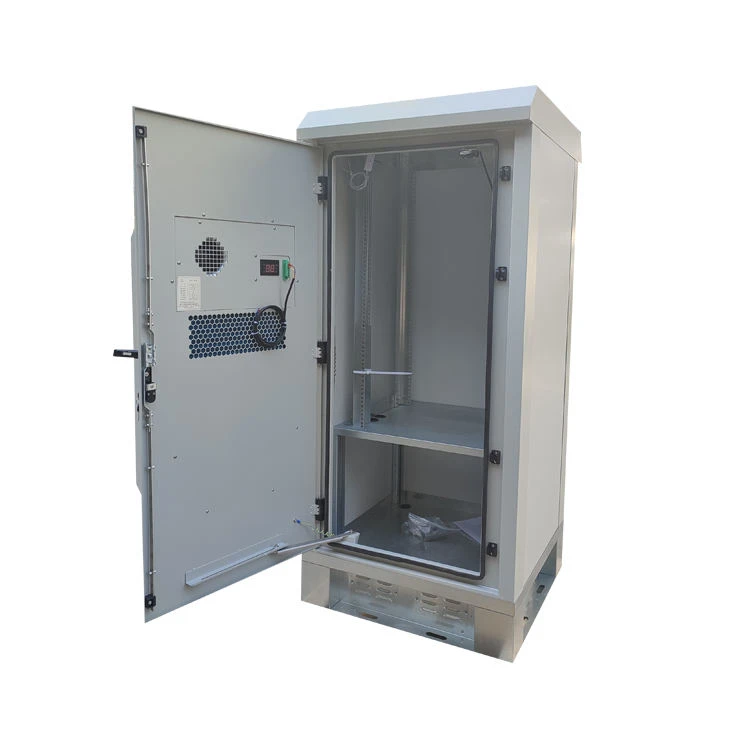
How it’s built (process flow)
- Materials: 1.2–2.0 mm galvanized or Al-Zn steel, polyurethane insulation, marine-grade gaskets.
- Fabrication: CNC bending/laser cutting, seam welding, phosphate + powder coat (80–100 μm).
- Assembly: HVAC module, filters, cable glands, fire detection/suppression (clean agent optional), EMS.
- Testing: IP ingress per IEC 60529; salt-spray ASTM B117 (up to 500 h target); vibration IEC 60068-2; thermal-runaway characterization per UL 9540A for integrated systems; electrical safety UL 1973/IEC 62619 cells.
- QA/FAT: Burn-in 24–72 h, remote comms handshake, breaker trip tests, door/leak checks.
In lab trials we’ve seen ΔT stabilization within 6–10 minutes after door close and noise around 58–62 dB(A) at 1 m—your mileage may vary with fan curves and site altitude.
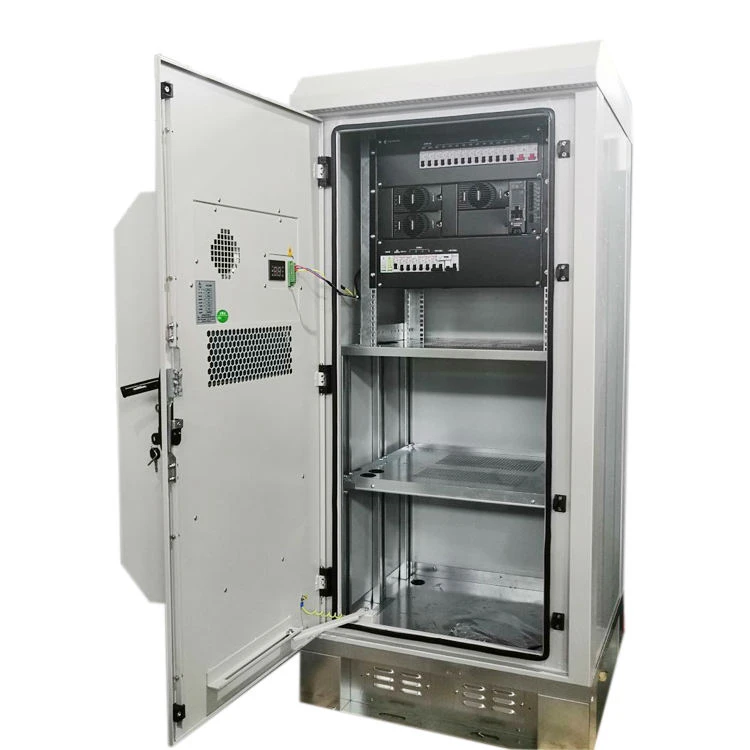
Where it’s used and why operators like it
- 5G macro/small cells: stable battery temps mean fewer surprise truck rolls.
- EV fast-charging buffer: shave peaks, avoid demand charges.
- Remote microgrids: diesel hybrid cutovers with smoother transitions.
- Emergency comms: ruggedized enclosure, quick deploy.
Many customers say the integrated HVAC plus smart alarms cut downtime. I guess the little things—door sensors, heater pads—prevent the weird failures no one budgets for.
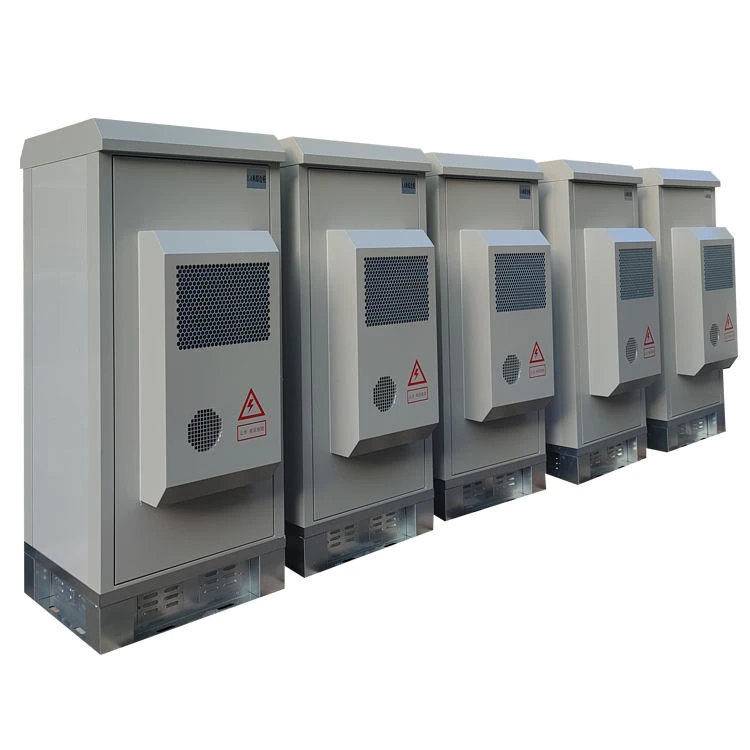
Vendor landscape (quick take)
| Vendor | Strengths | Best for | Notes |
|---|---|---|---|
| ACDC BESS (Suzhou) | Telecom-focused thermal control, flexible EMS | Outdoor 5G and utility edge cabinets | Strong customization, fast lead times |
| Huawei | Integrated telecom ecosystems | Large operator networks | Tight software stack |
| Delta | Power electronics efficiency | Commercial/industrial | Broad inverter options |
| Eaton/Schneider | Global service footprint | Compliance-heavy sites | Premium pricing |
Customization checklist for a Energy Storage Cabinet
- Battery chemistry and voltage window; UL 9540 system pairing.
- HVAC sizing for hottest hour (TMY) and altitude derates.
- IP rating vs. service access; gland plates vs. sealed connectors.
- Fire suppression (clean agent or aerosol) and compartmentalization.
- SCADA/EMS protocols, cybersecurity hardening.
Case note
A coastal 5G cluster retrofitted ten Energy Storage Cabinet units as buffer storage. After swapping generic fan boxes for integrated HVAC, site alarms dropped ≈ 37% and battery temps narrowed to ±3°C spread—even during heat waves. Surprisingly, the biggest win was fewer nuisance door-open alarms after the gasket upgrade.
Certifications, codes, and tests to ask for
Look for UL 9540/9540A (system), UL 1973 (stationary battery), IEC 62619 (cell/module), NFPA 855 siting, NEC Article 706 wiring, IEC 60529 IP tests, UN 38.3 for transport. Salt fog (ASTM B117) and vibration (IEC 60068-2) are your friends near roads or ports.
References
-
Cedar Point EV Charging Solutions for Sustainable Tourism Experience
NewsApr.16,2026
-
Guide to Cedar Point Charging Stations for EV Park Visitors
NewsApr.16,2026
-
Acorn Stairlift Charging Point Guide for Home Mobility Optimization
NewsApr.16,2026
-
Integrating a Wireless Charging Point into Modern Infrastructure
NewsApr.16,2026
-
How to Optimize Your iPhone 14 Charging Point for Efficiency
NewsApr.16,2026
-
Analyzing the Charging Point Share Price Trends and Market Outlook
NewsApr.09,2026