


Sep . 30, 2025 10:45 Back to list
Energy Storage Cabinet: Safe, Scalable Power—Why Upgrade?
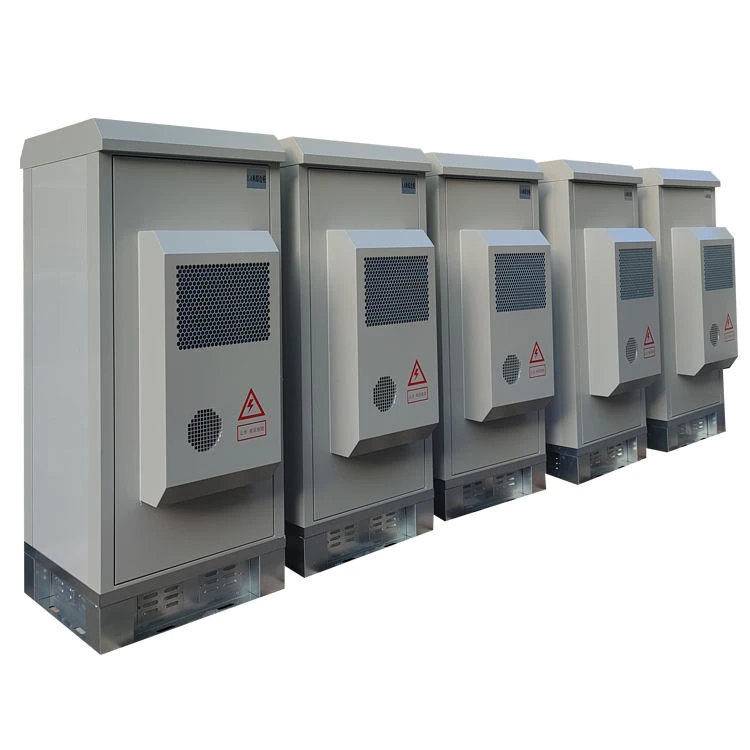
Outdoor Integrated Temperature Control Cabinet for Modern Networks
If you’ve been comparing options for an energy storage cabinet to stabilize remote 5G and edge sites, this model has been getting a lot of buzz in the field. To be honest, the surge in outdoor deployments caught some teams off guard—heat loads jumped, uptime SLAs tightened, and utility rates got spiky. That’s where an integrated temperature-control design quietly pays for itself.
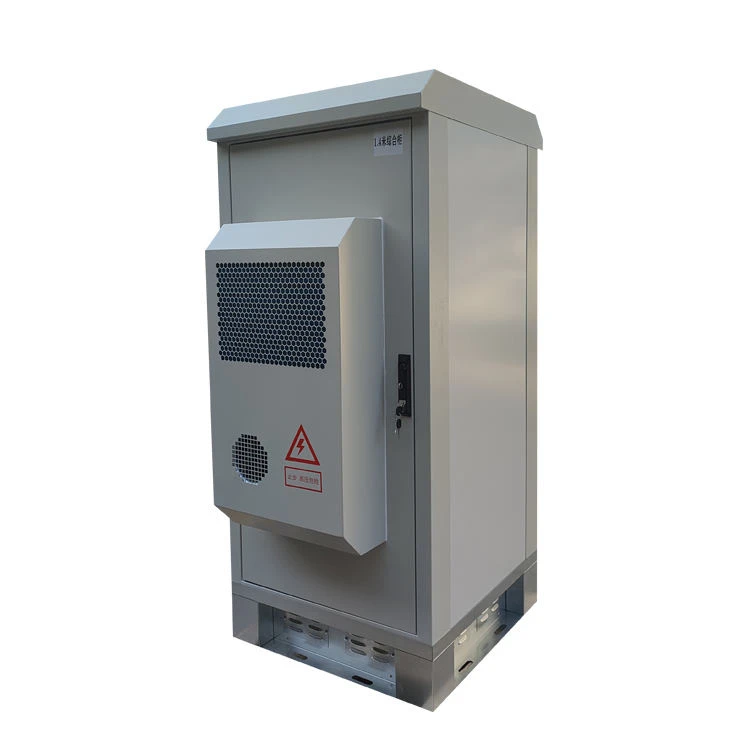
Industry trends (short version)
Edge compute and radio heads moved outdoors, batteries followed, and cooling became mission-critical. In fact, many customers say they favor hybrid thermal strategies (smart fans + active cooling) to cut power use ≈15–25% versus legacy AC-only boxes. Meanwhile, standards bodies have tightened the screws on safety and thermal runaway testing—good news for everyone who values sleep.
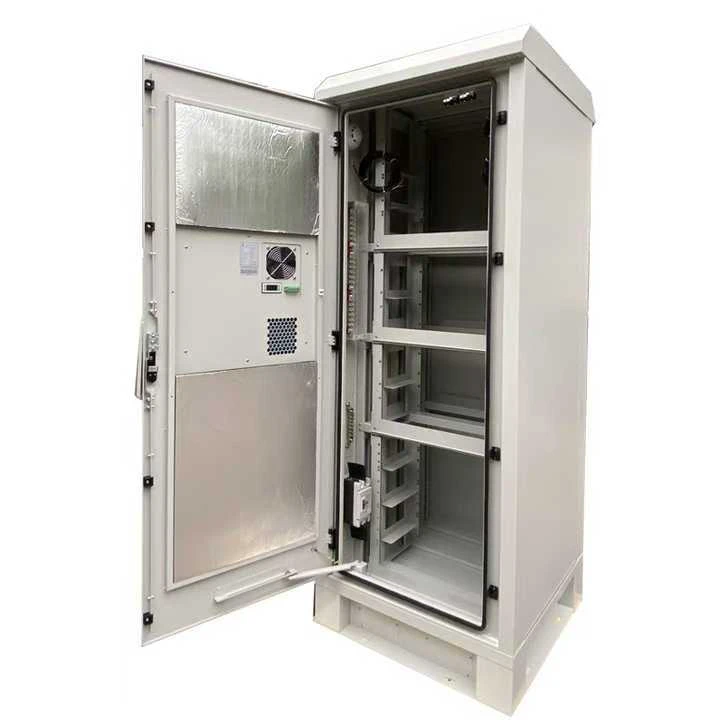
What this cabinet actually is
The Outdoor Integrated Temperature Control Cabinet is designed for wireless communication base stations—5G systems, access/transmission nodes, switching sites, and emergency comms. It pairs robust enclosure engineering with a smart thermal pack, so batteries and power electronics run inside the sweet spot. In the field, that bump in temperature stability directly extends service life. It’s not flashy, but it’s the kind of reliability ops teams quietly celebrate.
Key specs (typical configuration)
| Enclosure Material | Galvanized steel with outdoor-grade powder coat; optional 304 SS |
| Ingress Rating | IP55 (IP65 optional) – real-world use may vary with site sealing |
| Thermal System | Smart fans + DC air conditioner (≈1.0–2.5 kW); anti-condensation heating |
| Battery Compatibility | LFP modules (48 V/51.2 V), rack-mounted; BMS integration via CAN/RS485 |
| Operating Temp | -20 °C to +55 °C (extended options to +60 °C) |
| Design Life | ≈10–15 years (enclosure); battery life depends on cycles/DoD |
| Dimensions/Capacity | Custom footprints; typical 12–24U battery + 6–12U power/electronics |
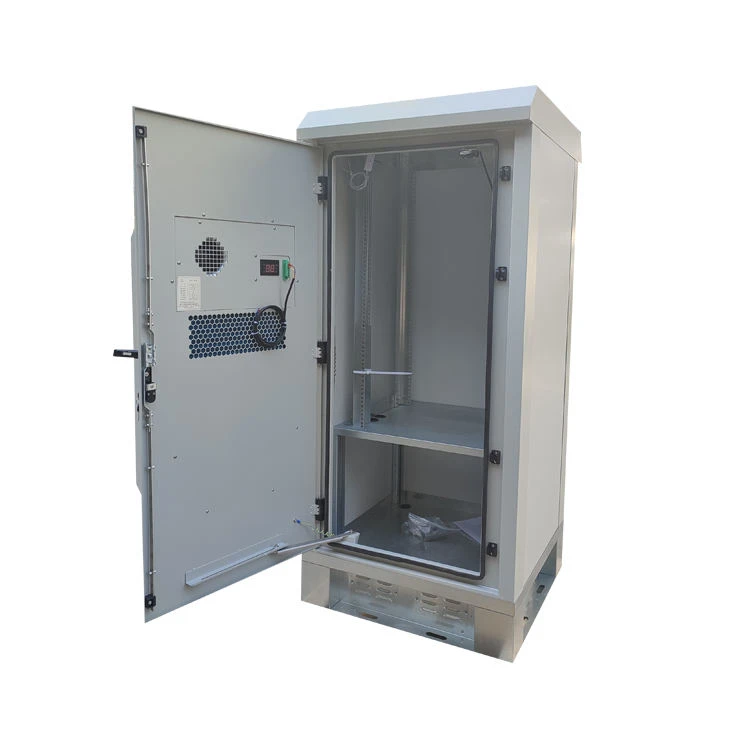
How it’s built and tested
Materials: 1.5–2.0 mm galvanized steel, outdoor powder coat (≥80 μm), closed-cell insulation, stainless hardware, weather gaskets. Methods: laser cutting, CNC bending, TIG/MIG welding, phosphate pretreatment, powder cure, final assembly with DCAC, filters, sensors, wiring harnesses.
Testing: ingress (IP55/IP65), salt fog (IEC 60068-2-52), vibration (IEC 60068-2-6), thermal stress (-20~55 °C chambers), door-cycle tests (≥10k), insulation resistance, and for battery-integrated builds: cell/module compliance per IEC 62619 and system safety to UL 9540 with UL 9540A data for fire propagation analysis. Service life depends on site heat load and maintenance—filter swaps are quick; many teams set reminders every 3–6 months.
Where it’s used (a few common scenarios)
- 5G macro/micro base stations needing energy storage cabinet backup and thermal stability
- Edge compute shelters near retail/logistics hubs
- Emergency comms trailers and pop-up sites
- Transmission switching nodes in hot, dusty climates
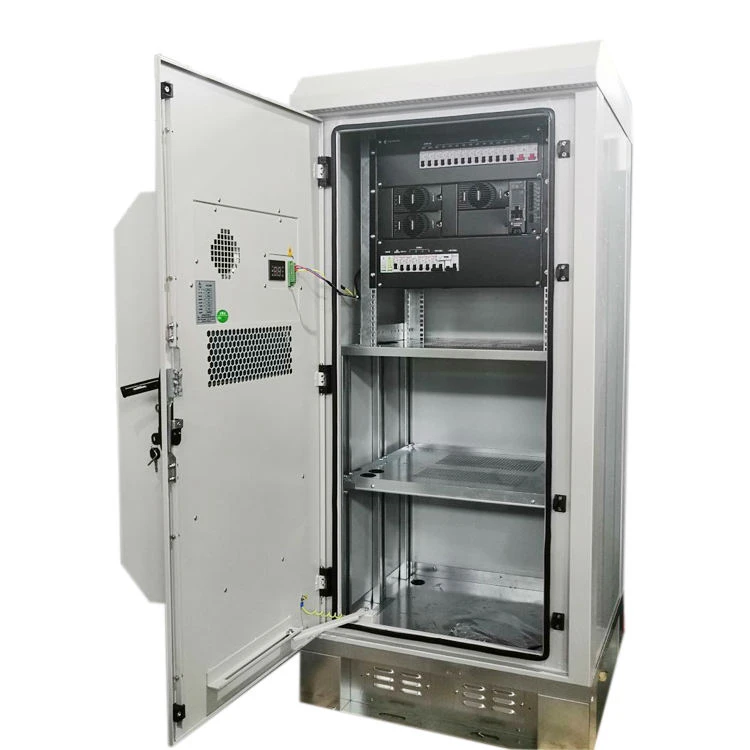
Vendor comparison (field-notes style)
| Vendor | Thermal Approach | Ingress | Certs (indicative) | Lead Time | Customization |
| Vendor A (budget) | Fans only | IP54 | Basic CE | 2–4 weeks | Limited |
| Vendor B (premium) | DC AC + economizer | IP65 | UL/IEC set | 6–10 weeks | High |
| This model | Smart fans + DC AC; anti-condensation | IP55 (IP65 opt.) | IEC 62619 (cells), UL 9540/9540A (system), CE | ≈4–7 weeks | Rack, paint, cutouts, telemetry |
Real-world cases
Coastal 5G nodes (Southeast Asia): IP55 + anti-corrosion finish reduced maintenance calls; one operator reported ~18% fewer thermal alarms. Logistics edge site (US Southwest): hybrid cooling cut cabinet energy draw ≈22% vs. legacy—surprisingly big in summer peaks. Feedback has been “install was straightforward” and “better BMS visibility than expected.”
Customization options
- Battery racks (12–24U), cable glands, quick-disconnects
- Telemetry: dry contacts, Modbus/RS485, CAN to BMS, optional SNMP
- Paint colors, anti-graffiti coats, double-wall insulation
- Higher IP rating, seismic kits, door alarms, fire detection panels
For teams standardizing on a energy storage cabinet platform across regions, the factory in Suzhou (No. 58 Tongxin Road, Tongan town, Suzhou, Jiangsu province, 215000) can align specs to local code plus operator-specific MOPs. Lead times are reasonable, and honestly, the documentation is better than average.
Compliance and references
Typical documentation bundles include IEC 62619 cell certs, UL 9540/9540A test summaries (for systems), NFPA 855 siting guidance notes, and environmental test reports (IEC 60068 series). If you’re integrating batteries, it’s worth double-checking your AHJ requirements—rules can vary.
Citations
-
Cedar Point EV Charging Solutions for Sustainable Tourism Experience
NewsApr.16,2026
-
Guide to Cedar Point Charging Stations for EV Park Visitors
NewsApr.16,2026
-
Acorn Stairlift Charging Point Guide for Home Mobility Optimization
NewsApr.16,2026
-
Integrating a Wireless Charging Point into Modern Infrastructure
NewsApr.16,2026
-
How to Optimize Your iPhone 14 Charging Point for Efficiency
NewsApr.16,2026
-
Analyzing the Charging Point Share Price Trends and Market Outlook
NewsApr.09,2026