

Mar . 28, 2026 01:55 Back to list
Exploring Lift Energy Storage Technology and Advanced ACDBESS Solutions
Understanding Lift Energy Storage Technology and ACDBESS Solutions
In today’s rapidly evolving energy landscape, reliable and efficient energy storage is more critical than ever. Lift energy storage technology is a key component in facilitating the integration of renewable energy sources and ensuring grid stability. This article delves into the core principles of lift energy storage, its diverse applications, and how ACDBESS delivers cutting-edge solutions in this domain. We'll explore the benefits of advanced battery energy storage systems (BESS) and their crucial role in a sustainable future.
What is Lift Energy Storage Technology?
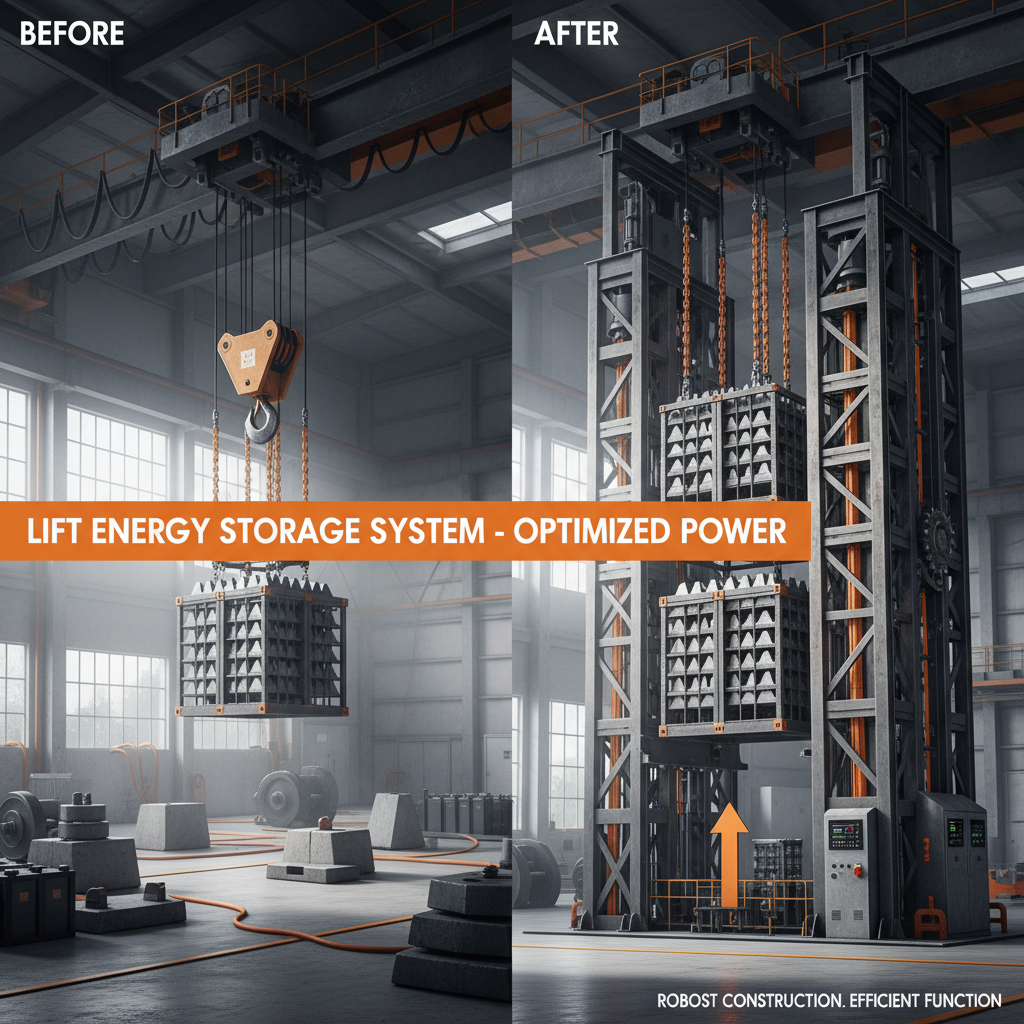
Lift energy storage, broadly, encompasses technologies that store energy generated from various sources – solar, wind, hydro, and even the grid itself – for later use. This is pivotal for overcoming the intermittent nature of renewable energy. While several technologies fall under this umbrella, battery energy storage systems (BESS) currently dominate the market due to their efficiency, scalability, and decreasing costs. These systems leverage electrochemical cells to store and release electricity on demand. The 'lift' refers to the ability of these systems to ‘lift’ energy from periods of low demand or high generation to times when demand is high or generation is low, effectively smoothing out energy supply.
Types of Lift Energy Storage Technologies
Beyond BESS, several other technologies contribute to lift energy storage, each with its strengths and weaknesses. These include pumped hydro storage (PHS), compressed air energy storage (CAES), and thermal energy storage (TES). However, BESS offers advantages in terms of rapid response times, modularity, and site flexibility. Understanding the different options is vital for selecting the most appropriate solution for a specific application. The choice often hinges on factors like energy capacity, discharge duration, geographical constraints, and cost.
Key Takeaway: BESS is currently the leading technology for lift energy storage due to its versatility, scalability, and declining costs.
Applications of Lift Energy Storage Technology
The applications of lift energy storage technology are diverse and expanding. They include grid stabilization, peak shaving (reducing demand during peak hours), frequency regulation, renewable energy integration, microgrid support, and electric vehicle (EV) charging infrastructure. By storing excess energy generated during off-peak hours, BESS can reduce strain on the grid and lower energy costs for consumers. They are also essential for ensuring a reliable power supply in remote areas or during emergencies. Moreover, they enable greater adoption of renewable energy sources by mitigating their intermittent nature.
ACDBESS: Leading the Way in BESS Solutions
ACDBESS specializes in designing, manufacturing, and deploying advanced battery energy storage systems (BESS) tailored to meet a wide range of energy storage needs. We offer scalable and customizable solutions, utilizing leading-edge battery technologies – Lithium Iron Phosphate (LiFePO4) – known for their safety, longevity, and performance. Our systems are engineered for optimal efficiency, reliability, and cost-effectiveness, backed by comprehensive monitoring and control software. We are committed to delivering sustainable energy solutions that empower businesses and communities.
The Future of Lift Energy Storage
The future of lift energy storage is bright. Ongoing innovations in battery technology, such as solid-state batteries and flow batteries, promise even higher energy densities, longer lifespans, and improved safety. As the demand for renewable energy continues to grow, the role of energy storage solutions will become increasingly vital. ACDBESS is dedicated to remaining at the forefront of this innovation, providing our clients with cutting-edge solutions that support a sustainable energy future.
Conclusion: Embracing the Power of Energy Storage
ACDBESS is committed to providing reliable, scalable, and innovative lift energy storage solutions. By harnessing the power of BESS, we can unlock a more sustainable and resilient energy future. Contact us today to learn how we can help you optimize your energy storage needs.
Frequently Asked Questions (FAQs)
What are the primary benefits of using a BESS?
Battery energy storage systems (BESS) offer numerous advantages, including enhanced grid stability, reduced energy costs through peak shaving and arbitrage, increased renewable energy integration, and improved power quality. BESS also provides backup power during outages, increasing resilience. The scalability of BESS allows it to be tailored to a wide range of applications, from residential solar storage to utility-scale grid support. They can also reduce carbon emissions by enabling greater use of clean energy sources.
What is the typical lifespan of an ACDBESS BESS?
The lifespan of an ACDBESS BESS depends on several factors, including battery chemistry, operating conditions, and depth of discharge. However, our LiFePO4 batteries are designed for exceptional longevity, offering over 4000 cycles at 80% depth of discharge. This translates to a lifespan of 10+ years with proper maintenance and operation. We provide comprehensive warranties and performance guarantees to ensure our customers receive maximum value from their investment.
How does ACDBESS ensure the safety of its BESS?
Safety is paramount at ACDBESS. We utilize LiFePO4 battery chemistry, which is inherently safer than other lithium-ion chemistries. Our BESS are equipped with advanced battery management systems (BMS) that continuously monitor cell voltage, temperature, and current, preventing overcharge, over-discharge, and thermal runaway. We also incorporate robust safety features such as fire suppression systems and thermal insulation. All our systems undergo rigorous testing and certification to meet the highest safety standards.
What level of maintenance do ACDBESS BESS require?
ACDBESS BESS are designed for minimal maintenance. Typically, routine visual inspections and cleaning are sufficient. Our BMS provides remote monitoring and diagnostics, allowing us to proactively identify and address any potential issues. We also offer comprehensive maintenance packages to ensure optimal system performance and longevity. The long lifespan and minimal maintenance requirements of our systems translate to lower total cost of ownership for our customers.
-
Cedar Point EV Charging Solutions for Sustainable Tourism Experience
NewsApr.16,2026
-
Guide to Cedar Point Charging Stations for EV Park Visitors
NewsApr.16,2026
-
Acorn Stairlift Charging Point Guide for Home Mobility Optimization
NewsApr.16,2026
-
Integrating a Wireless Charging Point into Modern Infrastructure
NewsApr.16,2026
-
How to Optimize Your iPhone 14 Charging Point for Efficiency
NewsApr.16,2026
-
Analyzing the Charging Point Share Price Trends and Market Outlook
NewsApr.09,2026