
0%

Table of Contents

You know, these days everyone’s talking about modularity and prefabrication. Seems like every other engineer is obsessed with off-site construction. To be honest, it’s a bit much. We’ve been piecing things together on site for decades; it’s not exactly a revelation. But… there is something to it. It’s less about the ‘newness’ and more about getting things done faster and, frankly, with fewer headaches.

It's funny, though, you design something perfect on a computer, then it hits the real world… and things get interesting. Have you noticed how often designs look great on paper but completely ignore how a guy in work boots actually needs to use it? Like making access panels too small for a gloved hand. Seriously.

We're seeing a big push for high-strength, lightweight composites, which is good. But there’s a feel to things you just can’t replicate in a lab. I was at a factory in Zhejiang province last time, and they were using this new carbon fiber reinforced polymer – smelled faintly of resin, slick to the touch. It was incredibly strong, but it chipped so easily if you weren’t careful handling it. You need material that can take a beating, not just a tensile test.
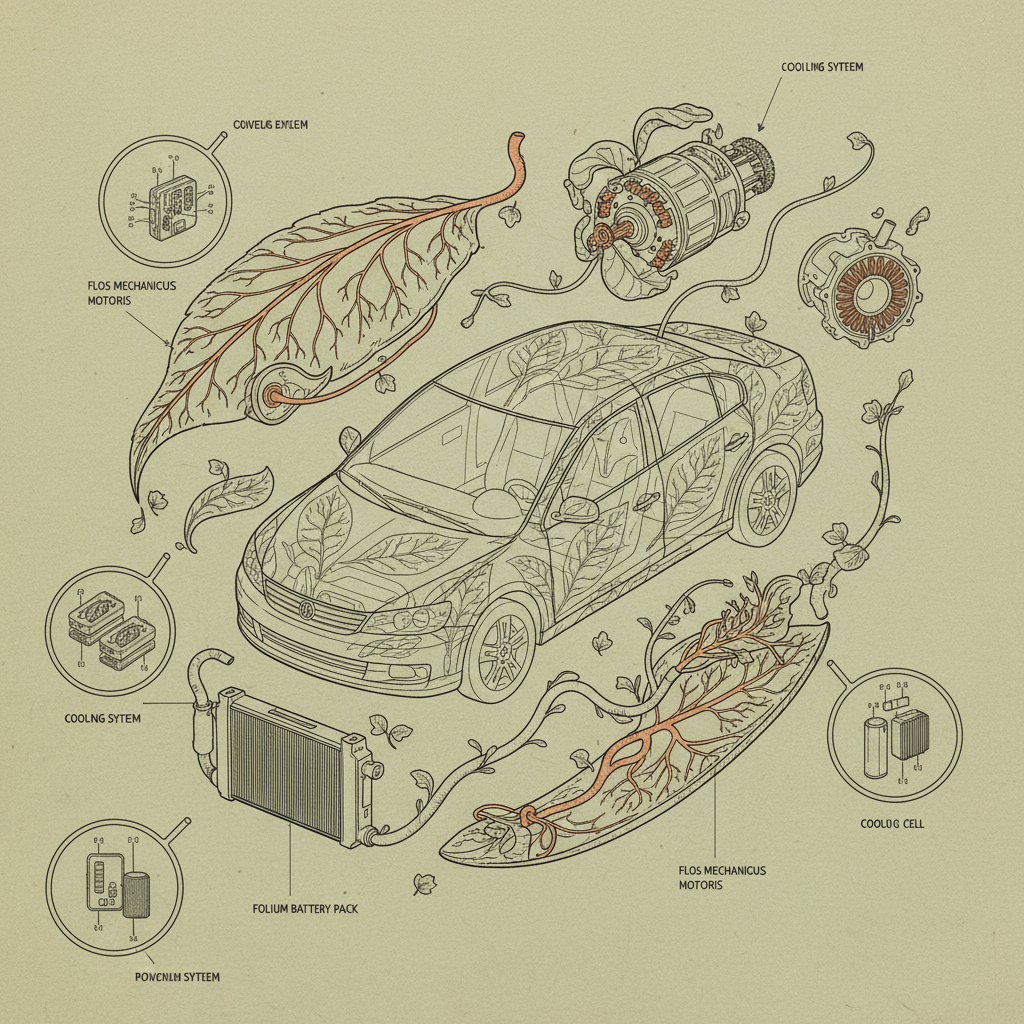
Advancements in Energy Solutions and Real World Implementation Challenges

The Current Landscape of energy Solutions

Advancements in Energy Solutions and Real World Implementation Challenges

The demand for reliable energy sources is insane right now, fueled by everything from data centers to electric vehicle charging. Everyone wants more power, faster, and cheaper. And sustainably, of course. That’s the holy grail, isn’t it? Strangely, a lot of the focus is on completely new tech when optimizing what we already have is often the smartest move.

It's all about optimizing existing infrastructure, that's where the real gains are. Things like smart grids, better energy storage… those are the areas where I see the biggest impact in the short term. Later... Forget it, I won't mention it.

Common Design Pitfalls in energy Implementation

Honestly, the biggest mistake I see is over-engineering. Engineers love to solve problems, and sometimes they create new ones in the process. Complicated systems with dozens of moving parts? They’re a nightmare to maintain. Simplicity is key, always. I encountered this at a solar farm in Nevada last year. They had this ridiculously complex cooling system for the inverters, and it was constantly breaking down. A simple passive cooling setup would have saved them a fortune.

Another issue is neglecting the human factor. Designers often forget that people are the ones who have to install, operate, and repair these systems. If it’s not intuitive and easy to work with, it’s going to fail.

And don’t even get me started on proprietary connectors and software. Anything that locks you into a single vendor is a bad idea. Give me standard interfaces any day.

Materials Used in energy Systems

We’re using a lot of high-strength steel alloys, obviously, for structural components. It’s reliable, relatively cheap, and everyone knows how to work with it. But it’s heavy. Aluminum is good for lighter applications, but it corrodes easily if you don't treat it properly. You get a certain smell from it, too, especially when it's cutting.

Then there are the polymers. EPDM rubber for seals and insulation – it's rubbery, naturally. Polycarbonate for covers and housings – tough stuff, but it can get brittle in the cold. PVC conduit for wiring, but you have to be careful with the fumes when you heat weld it. It's not pleasant.

And increasingly, we’re seeing advanced ceramics for thermal management. They're expensive, but they can handle insane temperatures. It's all about finding the right balance between cost, performance, and durability.

Real-World Testing of energy Components

Lab tests are fine, but they don’t tell the whole story. We need to see how these things perform in the actual environment. I’ve seen equipment pass every test in the book and then fail within a week on site.

We do a lot of accelerated aging tests – exposing components to extreme temperatures, humidity, and UV radiation. We also do vibration tests, simulating the conditions of transportation and installation. But the best test is always time. Give it a year or two in the field and you’ll really know what you’ve got.

Component Failure Rate under Various Energy Conditions


Practical Applications of energy Technologies

You see it everywhere now – microgrids powering remote communities, energy storage systems stabilizing the grid, smart meters giving consumers more control. It’s transforming how we generate, distribute, and use power.

There’s a huge opportunity in developing countries, where access to reliable energy is still a major challenge. We're working on a project in rural Kenya right now, providing solar power to a small village. It’s making a real difference in people’s lives.

Advantages and Limitations of energy

The benefits are obvious: reduced carbon emissions, increased energy independence, lower operating costs. But there are limitations. Energy storage is still expensive, and the intermittent nature of renewable sources can be a challenge. Plus, you’ve got the whole political and regulatory landscape to navigate. It’s a mess, frankly.

And don't even think the current grid will be replaced. It will still be needed as an emergency backup and for handling peak loads.

But anyway, I think the biggest limitation is simply a lack of skilled workers. We need more technicians who can install, maintain, and repair these complex systems.

Customization Options for energy Solutions

Everything can be customized, to some extent. We had a customer in Shenzhen last month – ran a smart home device company – who insisted on changing the interface to . Completely unnecessary, added cost, and created a potential point of failure. But he was adamant. “It’s the future!” he said. And guess what? It caused all sorts of compatibility issues with their existing products.

We can tailor the size, capacity, and configuration of our systems to meet specific needs. We can also integrate different technologies, like solar, wind, and storage, into a hybrid solution.

But you have to be careful. Customization adds complexity and cost. It’s a trade-off.

Summary of energy Solution Customization Parameters

Customization Parameter Complexity Level (1-5) Cost Impact (Low/Medium/High) Typical Implementation Time
Interface Type 2 Medium 2-4 weeks
System Capacity 3 High 4-8 weeks
Component Integration 4 Medium 6-12 weeks
Physical Dimensions 2 Low 2-4 weeks
Software Customization 5 High 8+ weeks
Material Selection 3 Medium 4-6 weeks

FAQS

What are the typical installation challenges for energy systems?

Honestly, it's almost never the electrical part. It's usually the physical stuff – getting the components into place, dealing with existing infrastructure, and making sure everything is properly secured. Access is a huge issue, especially in older buildings. And don't forget permitting – that can be a nightmare, depending on the location. You need a good team and a lot of patience.

How long do energy components typically last in harsh environments?

It depends on the component and the environment, obviously. But we generally design for a 20-25 year lifespan. However, you have to factor in regular maintenance. Ignoring maintenance is a quick way to shorten that lifespan. Salt spray, extreme temperatures, and vibration are the biggest enemies. We have seen installations in desert areas needing component changes after only 10 years.

Is energy storage becoming more cost-effective?

Definitely. Battery prices have plummeted in the last decade, and that trend is expected to continue. Lithium-ion is still the dominant technology, but we’re seeing more interest in alternative chemistries, like sodium-ion and flow batteries. The key is finding a storage solution that balances cost, performance, and safety. It’s not just about the upfront cost, but also the life-cycle cost, which includes maintenance and replacement.

How are smart grids impacting energy distribution?

Smart grids are making distribution more efficient and reliable. They allow for two-way communication between the utility and the consumer, which enables things like demand response and real-time pricing. They also improve fault detection and isolation, which minimizes outages. It’s a complex undertaking, but the benefits are significant. But installing all the sensors and upgrading the infrastructure is a massive task.

What are the biggest regulatory hurdles for energy projects?

Permitting, interconnection, and net metering are the biggest pain points. Regulations vary widely by location, and it can be incredibly time-consuming and expensive to navigate the process. Plus, the rules are constantly changing. You need a good regulatory consultant to help you through it. There are so many hoops to jump through, it's a nightmare for project developers.

How is cybersecurity impacting the energy sector?

Cybersecurity is a huge concern, especially as the grid becomes more interconnected. A successful cyberattack could disrupt power supply to millions of people. We’re seeing increased investment in cybersecurity measures, like intrusion detection systems and encryption. It’s a constant arms race, though. You have to stay one step ahead of the hackers. It’s honestly a bit scary.

Conclusion

So, where does all this leave us? Well, energy is changing faster than ever. It's not just about finding new sources of power, it’s about optimizing what we have, making it more reliable, and delivering it efficiently. The technology is evolving rapidly, but the fundamentals remain the same: you need a well-designed system, high-quality components, and skilled people to install and maintain it.

Ultimately, whether this thing works or not, the worker will know the moment he tightens the screw. Because that's when all the theory meets reality. And that’s what keeps me coming back to the construction site, day after day.


Daniel Rodriguez

Daniel Rodriguez

Daniel Rodriguez is a Product Line Manager at Suzhou ACDC New Energy Technology, overseeing the development and launch of our household energy storage systems. He’s responsible for market research, product definition, and ensuring our products meet the evolving needs of the residential energy storage market. Daniel possesses a strong understanding
Previous The Rapid Evolution of Portable Energy Storage and Real World Applications
Next Navigating Modern Construction Challenges with National Mobile Storage Solutions