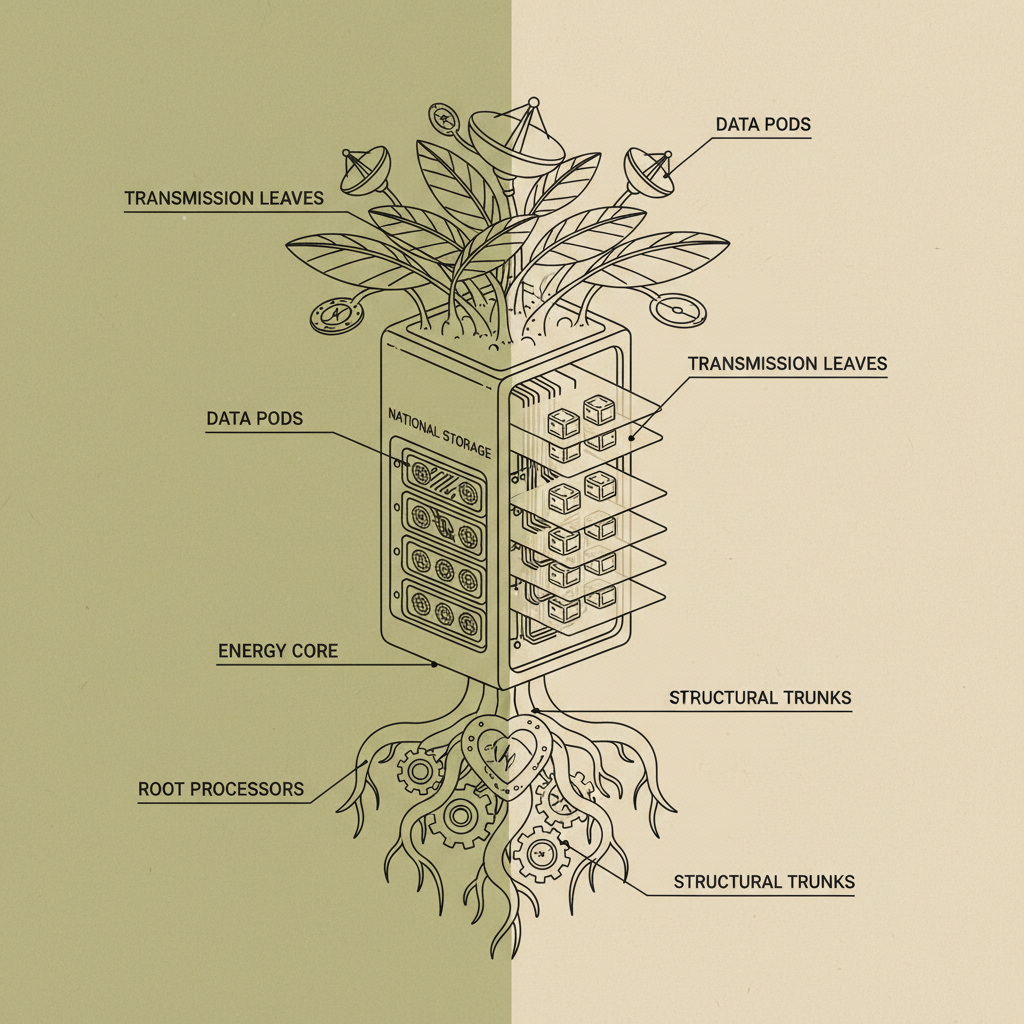
Energy storage system integration is rapidly becoming a cornerstone of modern energy infrastructure. As the world transitions towards renewable energy sources like solar and wind, the intermittent nature of these resources presents a significant challenge. Effective energy storage is crucial for ensuring grid stability, reliability, and the efficient delivery of power. Understanding the principles and practices of energy storage system integration is, therefore, paramount for engineers, policymakers, and anyone involved in shaping the future of energy. This knowledge is essential to unlocking a sustainable and resilient energy future.
The increasing demand for energy storage is driven not only by the growth of renewables but also by the need for enhanced grid services, such as frequency regulation and peak shaving. These services are vital for maintaining the quality and reliability of the electricity supply. Moreover, energy storage plays a critical role in enabling microgrids and off-grid power solutions, bringing electricity to remote communities and improving energy access globally. The economic benefits of efficient energy storage system integration are substantial, reducing reliance on expensive peak power plants and optimizing the use of existing infrastructure.
Investing in and advancing energy storage system integration technologies allows for a more flexible, responsive, and ultimately sustainable energy ecosystem. Successfully implementing these systems requires a multi-faceted approach, considering technological advancements, regulatory frameworks, and economic incentives. This exploration will delve into the key aspects, applications, and future trends shaping this dynamic field, highlighting its importance in addressing global energy challenges.
Introduction to Energy Storage System Integration
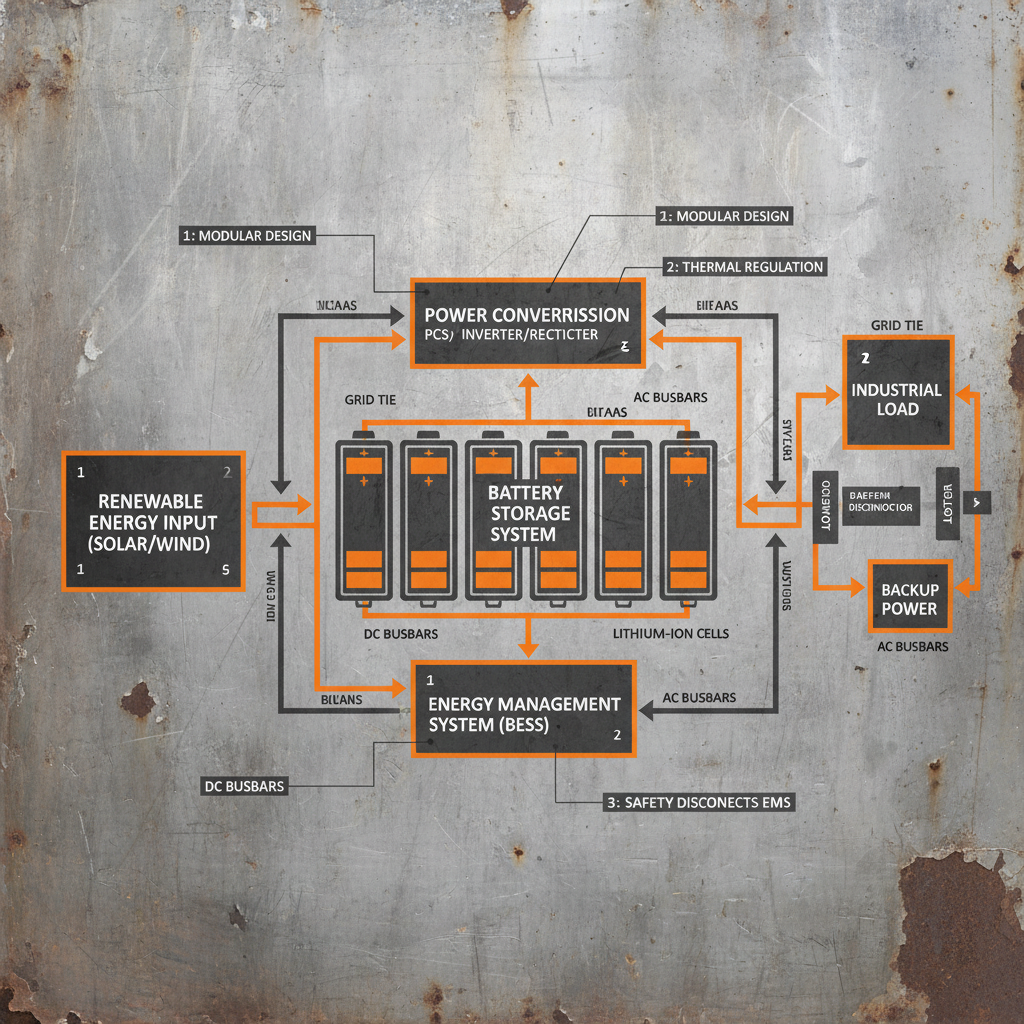
Energy storage system integration encompasses the seamless connection of energy storage technologies – such as batteries, pumped hydro, compressed air energy storage, and thermal storage – into existing or new power grids. It’s not simply about adding storage; it's about optimizing the interaction between these storage assets and the broader energy system to maximize efficiency and reliability. Energy storage system integration requires careful planning, advanced control systems, and a thorough understanding of grid dynamics.
The increasing adoption of renewable energy sources has underscored the importance of energy storage system integration. As intermittent renewables become a larger part of the energy mix, storage is necessary to mitigate their variability and provide a consistent power supply. Furthermore, the falling costs of energy storage technologies, particularly lithium-ion batteries, are making integration more economically feasible and attractive.
Global Context and Relevance
The global need for energy storage is escalating rapidly. According to the International Renewable Energy Agency (IRENA), global installed battery capacity is projected to increase fifteen-fold by 2030. This growth is being fueled by ambitious climate goals, such as the Paris Agreement, and increasing investment in renewable energy projects. Countries like China, the United States, and Germany are leading the way in energy storage deployment, driven by supportive policies and declining technology costs.
However, challenges remain. Grid infrastructure limitations, regulatory hurdles, and a lack of standardized interconnection procedures can impede the deployment of energy storage systems. Furthermore, concerns about the environmental impact of battery manufacturing and disposal require sustainable solutions. Addressing these issues is crucial for unlocking the full potential of energy storage and achieving a sustainable energy transition.
The World Bank estimates that investments in energy storage will need to reach hundreds of billions of dollars annually to meet global climate targets. The economic opportunities associated with energy storage are significant, creating jobs and stimulating innovation in areas such as battery technology, grid management, and software development.
Defining Energy Storage System Integration
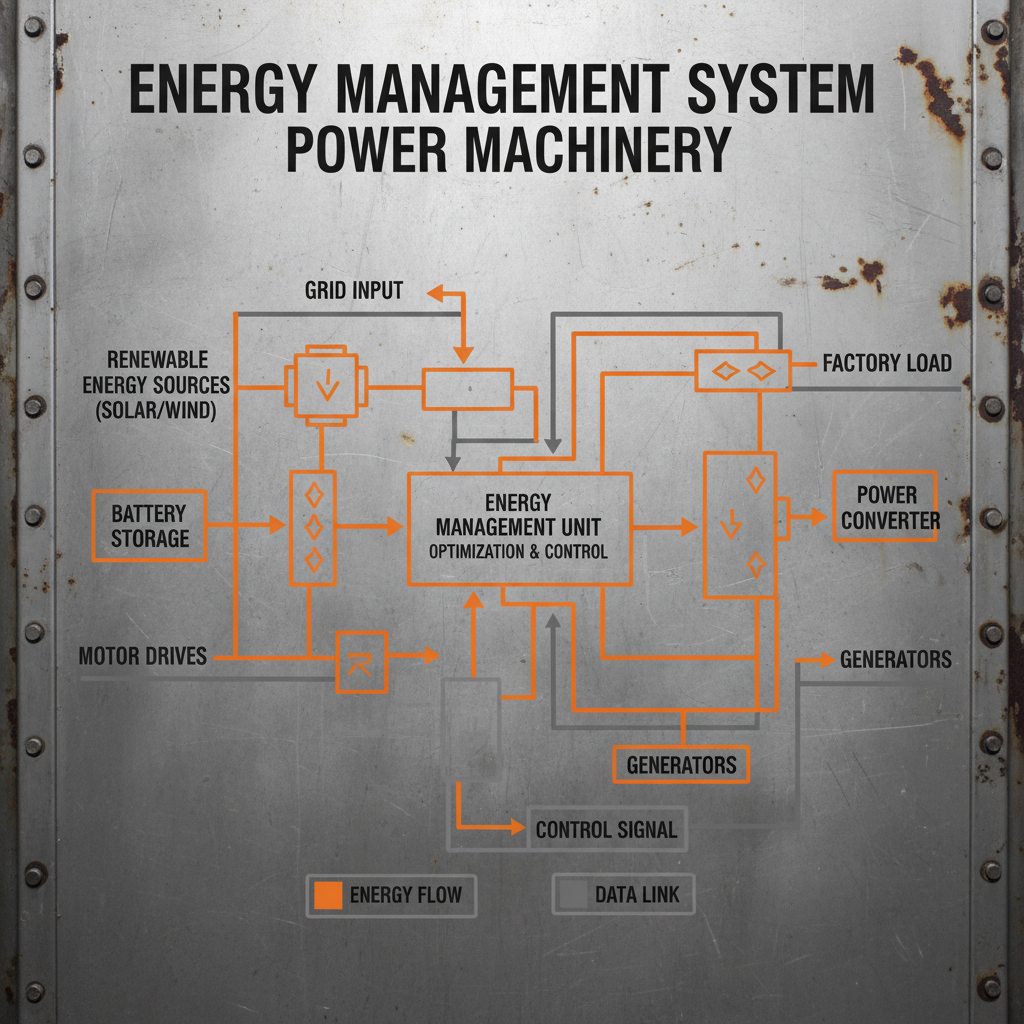
Energy storage system integration is the process of incorporating energy storage devices into the electricity grid or localized energy systems. This integration is not merely a physical connection; it encompasses sophisticated control systems, communication protocols, and software algorithms that enable the storage system to interact intelligently with the grid and respond to changing conditions. The ultimate goal is to enhance grid stability, improve power quality, and maximize the utilization of renewable energy resources.
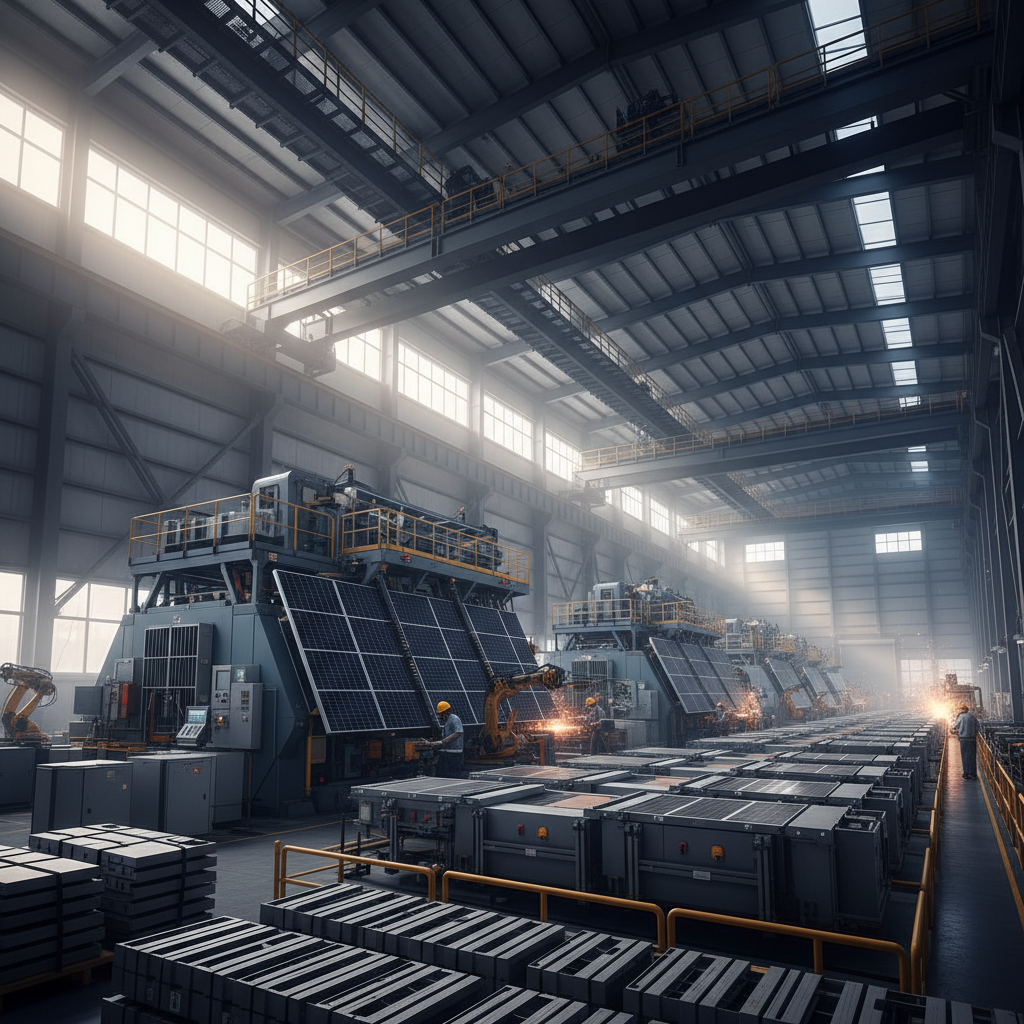
The connection to modern industry stems from the need for reliable and resilient power supplies. Industries are increasingly reliant on uninterrupted power for critical processes, and energy storage can provide backup power during outages, protect against voltage fluctuations, and reduce energy costs. For humanitarian needs, energy storage is vital in providing power to remote communities, disaster relief efforts, and healthcare facilities, improving access to essential services and enhancing quality of life.
Effectively integrated energy storage systems act as a flexible resource, capable of both absorbing and injecting power into the grid as needed. This capability is essential for balancing supply and demand, mitigating the impact of intermittent renewable energy sources, and providing a range of ancillary services that support grid operation.
Key Factors for Successful Integration
Successful energy storage system integration hinges on several key factors. Scalability is paramount, as storage needs will vary depending on the application and grid requirements. Systems must be adaptable and capable of expanding to meet future demand.
Durability and Reliability are critical for ensuring long-term performance and minimizing downtime. Storage systems need to withstand harsh environmental conditions and operate reliably over extended periods. Cost Efficiency is also vital, as the economic viability of energy storage projects depends on minimizing upfront costs and maximizing return on investment.
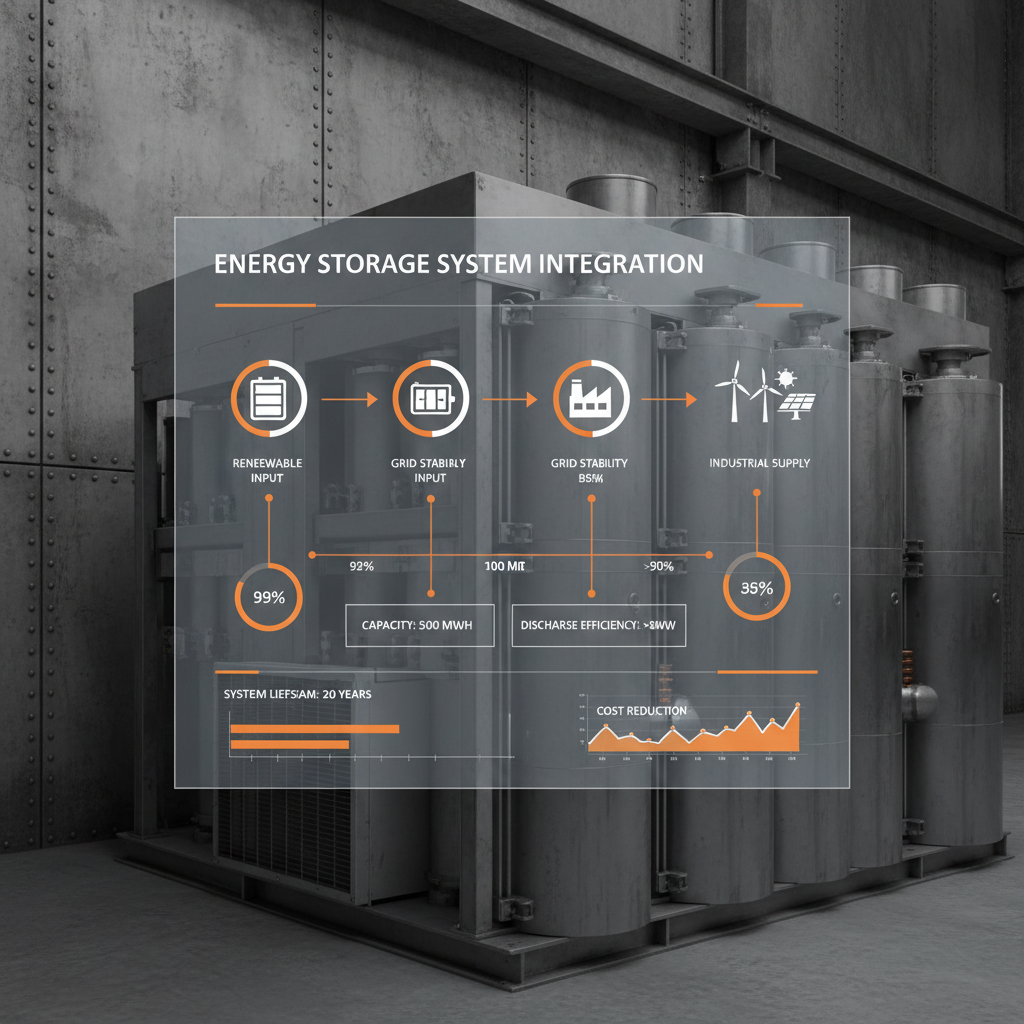
Energy Storage System Integration Performance Metrics
Global Applications and Use Cases
Energy storage systems are being deployed across a wide range of applications globally. In post-disaster relief operations, portable energy storage units provide critical power to affected communities, supporting communication, healthcare, and essential services. In remote industrial zones, energy storage system integration enables the reliable operation of mining operations and other energy-intensive industries, reducing reliance on diesel generators.
Microgrids incorporating energy storage are gaining traction in island nations and rural areas, providing access to clean and affordable electricity. Large-scale battery storage projects are being implemented to support grid stability and integrate renewable energy into the power system. For example, California and Australia have seen significant investments in grid-scale battery storage to address peak demand and enhance grid resilience.
Advantages and Long-Term Value
The advantages of energy storage system integration are multifaceted. Economically, it reduces reliance on expensive peak power plants, lowers energy costs, and creates new revenue streams through ancillary services. Sustainably, it facilitates the integration of renewable energy, reducing carbon emissions and mitigating climate change. Socially, it improves energy access, enhances grid resilience, and supports economic development.
Beyond these tangible benefits, energy storage fosters a sense of security and reliability, ensuring a consistent power supply for critical infrastructure and communities. It empowers innovation in energy technologies and promotes a more sustainable and equitable energy future. It instills trust in the power grid, knowing there is a flexible resource available to balance the system.
Future Trends and Innovations
The future of energy storage is marked by exciting trends and innovations. Advancements in battery technology, such as solid-state batteries and flow batteries, promise higher energy density, improved safety, and longer lifespans. Digitalization and the use of artificial intelligence (AI) are optimizing storage system operation, enabling predictive maintenance and enhancing grid management.
The integration of energy storage with electric vehicles (V2G) is creating new opportunities for grid stabilization and energy arbitrage. Furthermore, the development of standardized interconnection protocols and regulatory frameworks is streamlining the deployment of energy storage projects. These advancements will accelerate the transition to a cleaner, more resilient, and more sustainable energy system.
The convergence of green energy technologies with advancements in automation and data analytics will unlock even greater potential for energy storage system integration. Expect to see more sophisticated grid management systems and increased utilization of distributed energy resources.
FAQS
Integrating large-scale energy storage presents several challenges, including grid infrastructure limitations, regulatory uncertainties, and interconnection complexities. Existing grid infrastructure may require upgrades to accommodate the bidirectional power flow of storage systems. Navigating permitting and interconnection processes can be time-consuming and costly. Additionally, ensuring the cybersecurity of energy storage systems is paramount.
Energy storage significantly enhances grid resilience by providing backup power during outages, mitigating the impact of extreme weather events, and stabilizing the grid during periods of high demand. It acts as a buffer against disruptions, ensuring a more reliable power supply for critical infrastructure and communities. Furthermore, distributed energy storage can create microgrids, enabling localized power generation and reducing reliance on the centralized grid.
Various energy storage technologies are suitable for grid integration, each with its own strengths and weaknesses. Lithium-ion batteries are currently the most widely deployed technology, offering high energy density and fast response times. Pumped hydro storage is a mature technology providing large-scale storage capacity. Other promising technologies include flow batteries, compressed air energy storage, and thermal energy storage.
Software and AI are critical for optimizing energy storage system integration. Advanced control systems use AI algorithms to predict grid conditions, optimize charging and discharging cycles, and provide ancillary services. Software platforms enable remote monitoring, diagnostics, and control of storage assets. AI-powered predictive maintenance can minimize downtime and extend the lifespan of storage systems.
Energy storage facilitates the integration of renewable energy sources, such as solar and wind, into the power grid. By storing excess renewable energy generated during periods of high production and releasing it when demand is high, storage reduces reliance on fossil fuel-based power plants. This results in significant reductions in carbon emissions and contributes to a cleaner energy future.
Safety is paramount when integrating energy storage. This includes ensuring proper thermal management to prevent overheating, implementing robust fire suppression systems, and adhering to strict electrical safety standards. Cybersecurity measures are also vital to protect against unauthorized access and malicious attacks. Regular inspections and maintenance are crucial for maintaining safe operation.
Conclusion
Energy storage system integration is no longer a futuristic concept but a vital component of a modern, sustainable energy system. From enhancing grid reliability and facilitating the adoption of renewable energy to lowering costs and improving energy access, the benefits are substantial. Successfully navigating the challenges and embracing the innovations in this field will be crucial for building a resilient and equitable energy future.
As technology continues to advance and costs decline, we can expect to see even greater deployment of energy storage systems across the globe. Investing in research and development, establishing supportive policies, and fostering collaboration between industry, government, and academia will be essential for unlocking the full potential of energy storage and achieving a cleaner, more sustainable energy future. Visit our website at www.acdcbess.com to learn more about our energy storage solutions.