


Sep . 22, 2025 13:25 Back to list
High-Performance Energy Storage Cabinet | Solar & Smart EMS
The Evolving Landscape of Energy Storage: Industry Trends and Critical Solutions
The global energy landscape is undergoing a profound transformation, driven by the imperative for decarbonization, grid modernization, and enhanced energy resilience. At the forefront of this revolution are advanced energy storage solutions, which are becoming indispensable for integrating renewable energy sources, stabilizing grids, and optimizing energy consumption in industrial and commercial sectors. The market for energy storage, particularly for robust, integrated systems, is experiencing exponential growth, with projections indicating a compound annual growth rate (CAGR) exceeding 20% in the coming decade, reaching multi-billion dollar valuations. This surge is largely propelled by the increasing deployment of energy storage cabinet systems that offer reliable power, demand response capabilities, and seamless integration with existing infrastructure.
Key industry trends include the advancement of lithium-ion battery technologies, the development of sophisticated energy management system platforms, and the increasing demand for modular, scalable, and environmentally resilient solutions. Specialized solutions like the solar battery storage cabinet are particularly critical in regions aiming for energy independence or requiring off-grid capabilities. These systems not only store excess solar generation but also provide crucial backup power, ensuring continuity of operations and mitigating the intermittency challenges inherent to renewable sources. The focus is shifting towards integrated systems that combine battery storage with intelligent control and comprehensive environmental protection, ensuring optimal performance and longevity in diverse operational conditions.
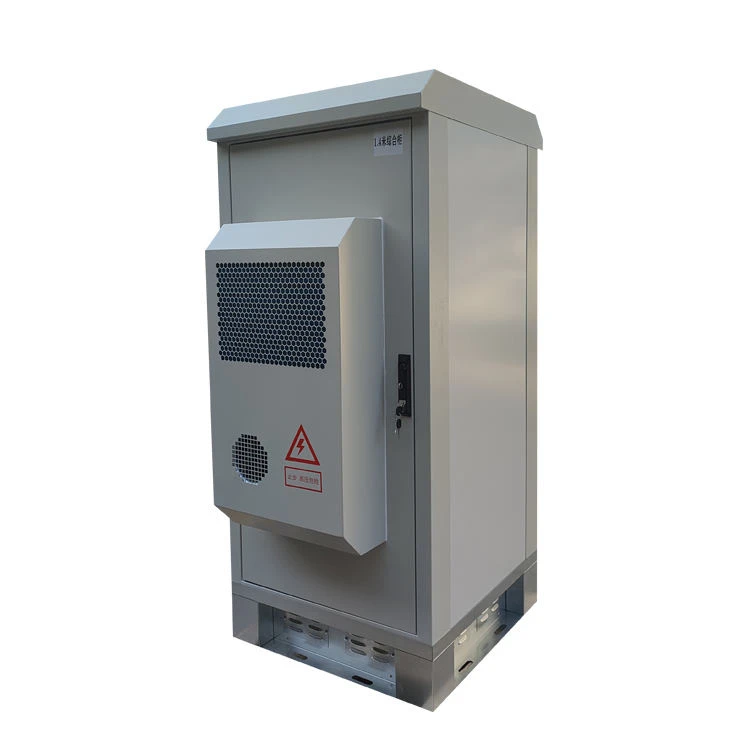
Figure 1: Illustration of a modern energy storage infrastructure.
Technical Specifications and Design Principles of the Outdoor Integrated Temperature Control Cabinet
The Outdoor integrated temperature control cabinet represents a pinnacle in advanced energy storage cabinet design, engineered to withstand challenging environmental conditions while ensuring optimal performance and longevity of its internal components. These cabinets are meticulously structured, integrating high-efficiency battery modules, a sophisticated Battery Management System (BMS), a Power Conversion System (PCS), and crucially, an advanced thermal management system. The enclosure itself is a critical element, typically constructed from robust, corrosion-resistant materials such as galvanized steel or aluminum alloys, often with specialized coatings.
The BMS provides real-time monitoring of voltage, current, temperature, and State of Charge (SoC) for each battery cell, preventing overcharging, over-discharging, and overheating—critical for both safety and battery lifespan. The PCS facilitates the conversion of DC power from the batteries to AC power for grid or load connection, and vice-versa for charging. Integral to its outdoor functionality, the thermal management system actively maintains optimal operating temperatures, crucial for lithium-ion batteries, which perform best within a narrow temperature range (e.g., 20-25°C). This can involve air conditioning, heat exchangers, or advanced fluid cooling systems, ensuring consistent performance even in extreme ambient conditions. The cabinet's IP rating (e.g., IP55 or IP65) guarantees protection against dust ingress and water jets, aligning with international standards for outdoor electrical enclosures.
Representative Energy Storage Cabinet Specifications
| Parameter | Specification |
|---|---|
| Nominal System Capacity | 50 kWh - 250 kWh (Scalable) |
| Nominal System Voltage | 400 V DC - 1000 V DC |
| Operating Temperature Range | -30°C to +55°C (with active thermal management) |
| Enclosure Protection Rating | IP55 / IP65 (IEC 60529) |
| Cooling Method | Integrated Air Conditioning / Heat Exchanger |
| Expected Service Life | 15-20 years (based on 80% DoD, 6000+ cycles) |
| Communication Interface | Modbus TCP/RTU, CAN, Ethernet (for EMS integration) |
| Certifications | CE, UL 9540, IEC 62619, ISO 9001 |
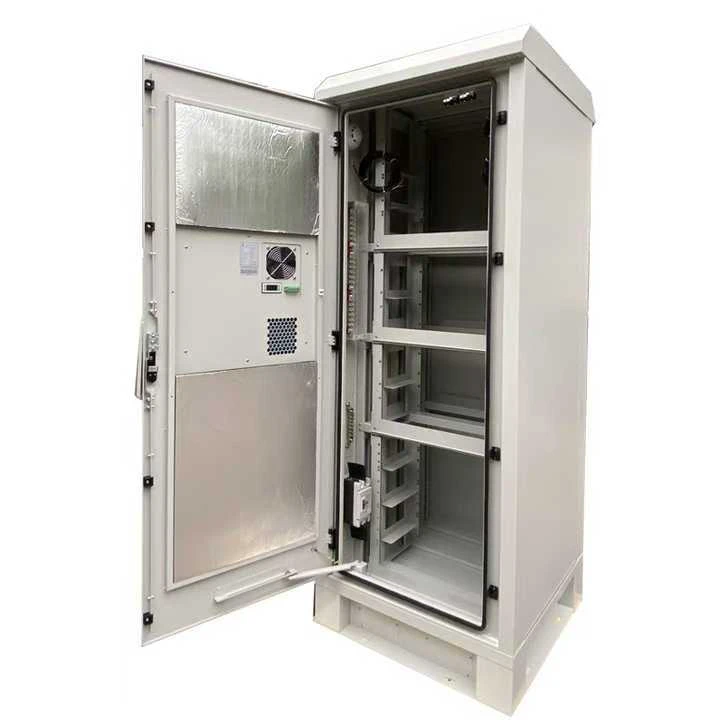
Figure 2: Internal components of an integrated temperature control cabinet.
The Rigorous Manufacturing Process of Energy Storage Cabinets
The production of a high-quality energy storage cabinet demands a meticulous and multi-stage manufacturing process, ensuring both structural integrity and optimal functional performance. This process adheres to stringent international quality management systems such as ISO 9001, alongside specific product safety and performance standards.
Manufacturing Process Flow:
- Material Sourcing & Inspection: High-grade materials, including specialized steel alloys (e.g., galvanized, stainless) for the enclosure, high-purity copper for busbars, and certified insulation materials, are sourced from trusted suppliers. Incoming materials undergo rigorous quality control, checking for specifications, composition, and absence of defects (e.g., using spectrography for metallurgy).
- Precision Fabrication (Enclosure): Utilizing state-of-the-art CNC machining, laser cutting, and robotic welding techniques, the enclosure components are precisely formed and assembled. This ensures exact dimensions and structural robustness. Specific processes like sheet metal bending and forming are crucial for achieving complex geometries. This stage often involves casting and forging for certain specialized components that require extreme strength or heat resistance.
- Surface Treatment & Coating: To ensure exceptional corrosion resistance, especially for outdoor deployments, the fabricated enclosure undergoes thorough cleaning, phosphating, and multi-layer powder coating or painting. These coatings meet standards like ANSI/NEMA for environmental protection and long service life, demonstrating superior resistance to UV, salt spray, and industrial pollutants.
- Component Integration: Battery modules, the BMS, PCS, cooling units, fire suppression systems, and internal wiring harnesses are carefully integrated into the prepared enclosure. This step requires precision assembly and adherence to electrical safety standards.
- Pre-Assembly & Quality Checks: Individual sub-systems (e.g., cooling unit, power distribution unit) are tested for functionality and adherence to performance parameters before full system integration. This includes leak tests for cooling systems and continuity checks for electrical circuits.
- System Integration & Functional Testing: The entire energy storage cabinet undergoes comprehensive functional testing. This includes power cycling, charge/discharge efficiency tests, thermal performance validation, insulation resistance tests, and communication protocol verification (e.g., Modbus, CAN for EMS integration). These tests conform to international standards such as IEC 62619 for safety and performance of lithium-ion batteries and UL 9540 for energy storage systems.
- Final Assembly & Packaging: After passing all tests, the cabinet is sealed, and final aesthetic checks are performed. It is then carefully packaged for transport, often using custom crating to protect against damage during shipping.
The rigorous adherence to these process steps, coupled with continuous quality assurance, ensures that the resulting `Outdoor integrated temperature control cabinet` offers an extended service life of 15-20 years, with minimal maintenance, even in demanding environments.
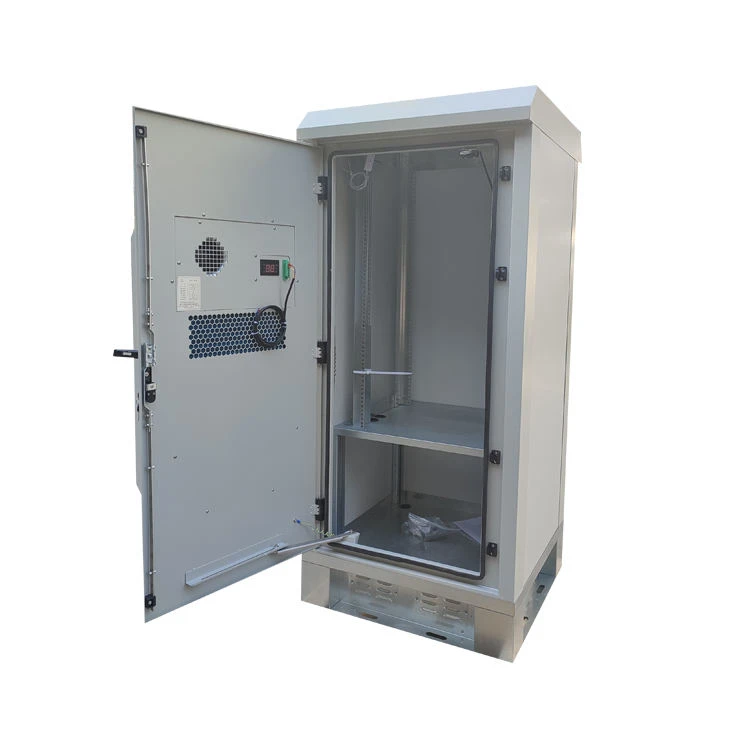
Figure 3: Quality control and assembly in a manufacturing facility.
Application Scenarios and Operational Advantages
The versatility and robustness of the energy storage cabinet make it an ideal solution across a broad spectrum of critical industries and challenging application scenarios. Its integrated design, particularly the thermal management capabilities, ensures reliable performance where traditional battery systems would falter.
Target Industries and Advantages:
- Petrochemical Industry: In environments prone to volatile substances and extreme temperatures, these cabinets provide stable, uninterrupted power for critical control systems, emergency lighting, and monitoring equipment. Advantages include superior corrosion resistance from specialized coatings and inherent safety features to mitigate risks, ensuring operational continuity and reducing explosion hazards by controlling internal environment.
- Metallurgy Sector: High-power, high-temperature industrial settings demand resilient power solutions. Energy storage cabinet systems facilitate peak shaving, reducing exorbitant electricity costs during demand spikes, and provide critical backup for continuous processes, where even momentary power interruptions can lead to significant material losses or equipment damage.
- Water Supply & Drainage: Ensuring continuous operation of pumps, filtration systems, and control valves is paramount. These cabinets offer energy saving through optimized pumping schedules, utilizing stored energy during off-peak hours, and provide reliable backup power for essential services during grid outages, preventing public health crises or environmental damage.
- Telecommunications & Data Centers: Critical for maintaining network uptime and data integrity. The cabinets ensure uninterrupted power supply (UPS) and can extend backup duration, especially for remote cell towers or edge data centers where consistent power is challenging.
- Renewable Energy Integration (Solar & Wind): As a solar battery storage cabinet, it stores excess energy generated from intermittent sources, making renewable power dispatchable. This enhances grid stability, enables self-consumption, and reduces reliance on fossil fuel peaker plants.
In all these scenarios, the robust construction, precise temperature control, and advanced energy management system integration contribute to significant energy saving, enhanced reliability, and superior corrosion resistance, translating to reduced operational expenditures and a longer operational lifespan for critical infrastructure.
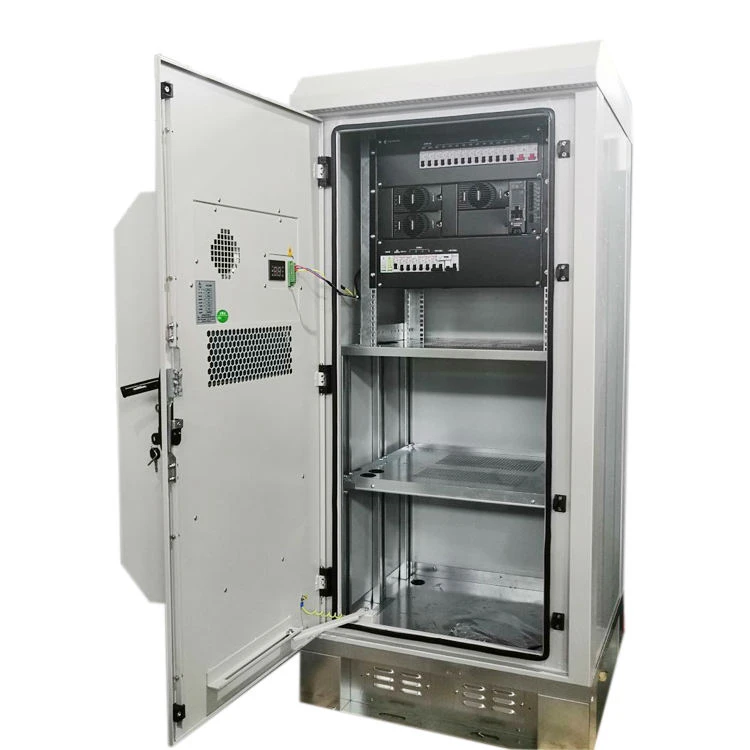
Figure 4: Energy storage solutions deployed in an industrial setting.
Technical Advantages and Vendor Comparison Insights
The technical advantages of a well-engineered energy storage cabinet, especially one designed for integrated temperature control and outdoor deployment, set it apart from conventional battery enclosures. These advantages are crucial for B2B decision-makers assessing total cost of ownership (TCO) and long-term reliability.
Key Technical Differentiators:
- Integrated Thermal Management: Unlike passive cooling or basic fan systems, advanced cabinets feature precision air conditioning or heat exchangers. This active control maintains an optimal internal temperature range, extending battery cycle life by up to 30% compared to systems experiencing wide temperature fluctuations.
- Advanced Battery Management System (BMS): A sophisticated BMS not only monitors cell voltage and temperature but also performs active cell balancing, State of Health (SoH) prediction, and advanced fault diagnostics. This granular control maximizes usable capacity and enhances safety protocols.
- Robust Enclosure Design & Material Science: Beyond standard IP ratings, premium cabinets employ anti-corrosion materials and specialized coatings (e.g., marine-grade finishes) designed for extreme environments, ensuring structural integrity and protection against dust, moisture, and chemical agents over decades. This is crucial for applications in petrochemical or coastal areas.
- Modular and Scalable Architecture: The ability to easily expand capacity by adding more modules without extensive system redesign provides future-proofing and adaptability to evolving energy demands.
- Seamless EMS Integration: Deep integration with an overarching energy management system allows for intelligent charge/discharge scheduling, demand response participation, and comprehensive operational visibility, maximizing economic returns and operational efficiency.
Energy Storage Cabinet Solution Comparison
| Feature Category | Standard Solutions | Advanced Integrated Solutions (e.g., Outdoor Integrated Temperature Control Cabinet) |
|---|---|---|
| Thermal Management | Passive cooling / Basic fans; limited temperature control. | Active AC/DC air conditioning or heat exchangers; precise temperature regulation. |
| Enclosure Protection | IP54; basic protection against dust and splashing water. | IP55/IP65/NEMA 3R/4X; robust protection against dust, strong water jets, harsh weather, corrosion. |
| BMS Capabilities | Basic monitoring (voltage, current, temperature); passive balancing. | Advanced monitoring, active balancing, SoH/SoC prediction, remote diagnostics, comprehensive safety. |
| Integration with EMS | Limited communication protocols; less granular control. | Seamless integration (Modbus, CAN, Ethernet); optimized operational strategies. |
| Expected Lifespan | 10-12 years; susceptible to environmental degradation. | 15-20 years; optimized for longevity in harsh conditions. |
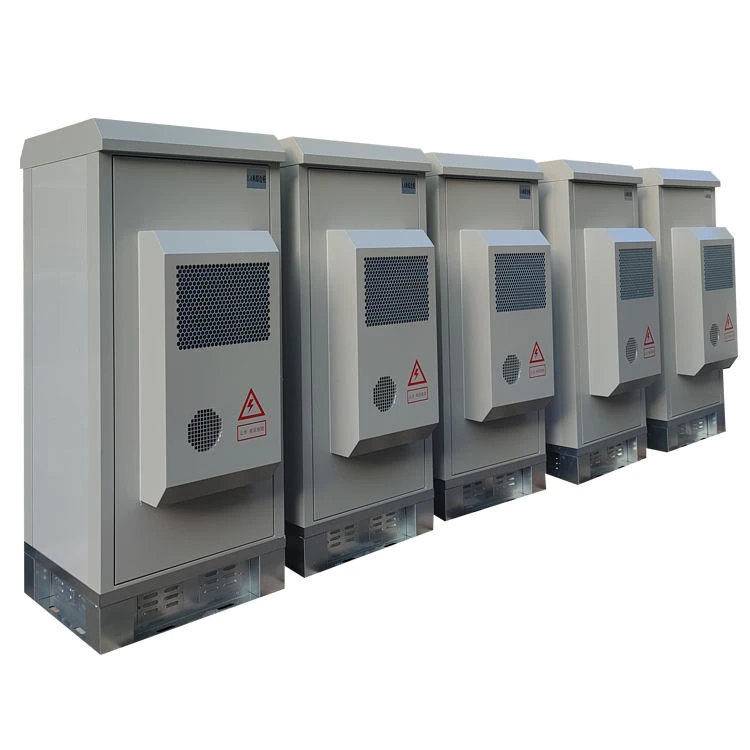
Figure 5: Advanced thermal management system components.
Customized Solutions and Real-World Application Case Studies
Recognizing that no two projects are identical, leading providers of energy storage cabinet solutions offer extensive customization options. This ensures that the deployed system perfectly aligns with specific operational requirements, environmental conditions, and regulatory frameworks. Customization can include capacity scaling (from tens of kWh to MWh), voltage configurations, specialized communication protocols for integration with existing SCADA or EMS systems, and bespoke enclosure designs for extreme temperatures or hazardous areas (e.g., explosion-proof certifications for Zone 1 or Zone 2 in petrochemical plants).
Application Case Study 1: Remote Telecommunication Base Station
A major telecommunications provider sought to enhance the reliability and reduce the operational costs of its remote base stations, many of which were off-grid or suffered from unreliable grid connections. The solution involved deploying an Outdoor integrated temperature control cabinet configured as a solar battery storage cabinet.
- Challenge: Unstable grid, reliance on expensive diesel generators, extreme temperatures (-20°C to +45°C), remote location requiring minimal maintenance.
- Solution: Customized 50 kWh `Outdoor integrated temperature control cabinet` with integrated solar charge controllers and active air conditioning, IP65 enclosure.
- Results: Achieved 95% reduction in diesel consumption, extended backup power from 4 hours to 24+ hours, stable operational temperature of batteries, significantly reduced site visits for maintenance (customer feedback indicated 70% fewer interventions). The system maintained continuous network uptime, even during prolonged grid outages.
Application Case Study 2: Industrial Manufacturing Facility Peak Shaving
A large metallurgy plant faced high electricity tariffs due to significant demand charges during peak hours. Their objective was to reduce operational costs and enhance energy independence.
- Challenge: High peak demand charges, grid instability affecting sensitive machinery, need for energy cost optimization.
- Solution: A modular 500 kWh energy storage cabinet system integrated with the facility's existing energy management system. The cabinet featured a robust IP55 enclosure to protect against industrial dust and humidity.
- Results: Reduced peak demand by 30%, resulting in average monthly electricity bill savings of 15%. Provided critical power continuity for sensitive equipment, preventing production stoppages. The facility gained greater control over its energy consumption and improved overall energy efficiency.
Ensuring Trust: Certifications, Support, and Guarantees ()
For B2B stakeholders, trust in a technology provider is paramount. This trust is built upon a foundation of proven expertise, rigorous compliance, robust support structures, and transparent commitments.
Authoritativeness and Certifications:
Our products, including the `Outdoor integrated temperature control cabinet`, are developed and manufactured under strict adherence to international standards. Key certifications underscore our commitment to quality, safety, and environmental responsibility:
- ISO 9001:2015: Certified Quality Management System, ensuring consistent product quality from design to delivery.
- CE Mark: Conformance with European health, safety, and environmental protection standards.
- UL 9540: Safety Standard for Energy Storage Systems and Equipment, critical for North American markets.
- IEC 62619: Safety requirements for large format lithium-ion cells and batteries for industrial applications.
- Years of Service: With over a decade of specialization in industrial temperature control and energy storage solutions, our experience translates into mature, reliable products deployed across various demanding sectors globally.
Trustworthiness: FAQs, Lead Time, Warranty, and Support
Frequently Asked Questions (FAQs)
Q: What is the typical lead time for an energy storage cabinet order?A: Standard configurations typically have a lead time of 8-12 weeks from order confirmation to shipment, depending on current production schedules. Customized solutions may require an additional 4-6 weeks for design and prototyping approval.
Q: What warranty is provided for the Outdoor integrated temperature control cabinet?A: We offer a standard 5-year warranty on the complete `Outdoor integrated temperature control cabinet` system, covering materials and workmanship. Battery modules typically carry a separate performance warranty of 10 years or 6,000 cycles to 80% of their initial capacity, whichever comes first. Extended warranty options are available upon request.
Q: How does the system handle extreme weather conditions?A: Our cabinets are designed with IP55/IP65 rated enclosures and integrated thermal management systems (air conditioning/heat exchangers) to maintain optimal internal temperatures from -30°C to +55°C. The robust construction and specialized coatings ensure resilience against humidity, dust, and corrosive environments.
Q: Is the energy storage cabinet compatible with existing solar installations?A: Yes, our solar battery storage cabinet solutions are designed for seamless integration with new or existing solar PV systems. They include flexible input voltage ranges and various communication protocols (Modbus, CAN) to interface with most solar inverters and `energy management system` platforms.
Customer Support and After-Sales Service:
Our commitment extends beyond product delivery. We provide comprehensive after-sales support to ensure the long-term optimal performance of your `Outdoor integrated temperature control cabinet`. This includes:
- 24/7 Technical Support: Expert assistance for troubleshooting and operational queries.
- On-site Commissioning & Training: Our engineers can assist with installation, commissioning, and provide comprehensive training for your operational staff.
- Remote Monitoring & Diagnostics: Leveraging integrated communication capabilities for proactive maintenance and fault detection.
- Spare Parts Availability: A readily available inventory of critical spare parts to minimize downtime.
References
- International Energy Agency. (2023). Battery Storage in Grid Decarbonization. IEA Publications.
- U.S. Department of Energy. (2022). Energy Storage Grand Challenge Roadmap. Office of Energy Efficiency & Renewable Energy.
- BloombergNEF. (2023). Long-Term Energy Storage Outlook.
- IEC 62619:2017. (2017). Secondary cells and batteries containing alkaline or other non-acid electrolytes – Safety requirements for secondary lithium cells and batteries, for use in industrial applications. International Electrotechnical Commission.
- UL 9540:2020. (2020). Standard for Energy Storage Systems and Equipment. Underwriters Laboratories.
-
Cedar Point EV Charging Solutions for Sustainable Tourism Experience
NewsApr.16,2026
-
Guide to Cedar Point Charging Stations for EV Park Visitors
NewsApr.16,2026
-
Acorn Stairlift Charging Point Guide for Home Mobility Optimization
NewsApr.16,2026
-
Integrating a Wireless Charging Point into Modern Infrastructure
NewsApr.16,2026
-
How to Optimize Your iPhone 14 Charging Point for Efficiency
NewsApr.16,2026
-
Analyzing the Charging Point Share Price Trends and Market Outlook
NewsApr.09,2026