


Oct . 28, 2025 11:45 Back to list
Intelligent Energy Management: AI Savings, Solar + Storage
Practical Notes on Intelligent Energy Management for Real-World Facilities
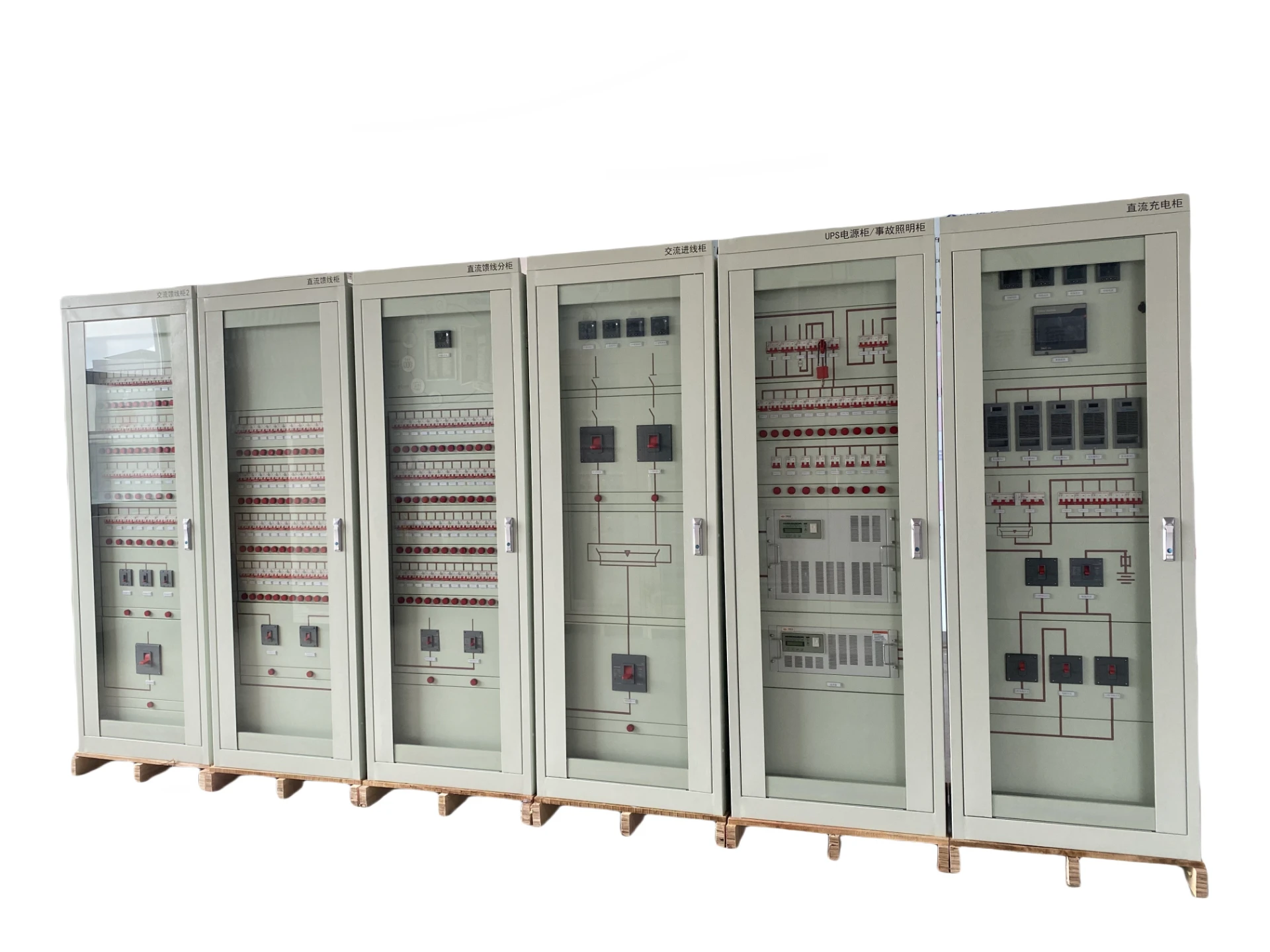
I’ve spent a big chunk of the last decade chasing the same promise: make power systems smarter without making them harder to live with. If you’re exploring Intelligent Energy Management, you’re probably juggling uptime, efficiency, and—let’s be honest—budget sanity. The Intelligent integrated power supply from ACDC feels like one of those quietly competent products that doesn’t shout, it just does the job, and keeps doing it.
Why now: Trends you can’t ignore
Grids are getting spikier, tariffs more dynamic, and audits tougher. Edge data rooms, 5G nodes, rail signal huts, and hospital labs all need smarter DC backbones. Many customers say they want fewer boxes, clearer data, and “don’t-make-me-think” maintenance. That’s exactly where Intelligent Energy Management platforms with integrated batteries and microcomputer controls are landing, surprisingly well.
Product snapshot: Intelligent integrated power supply
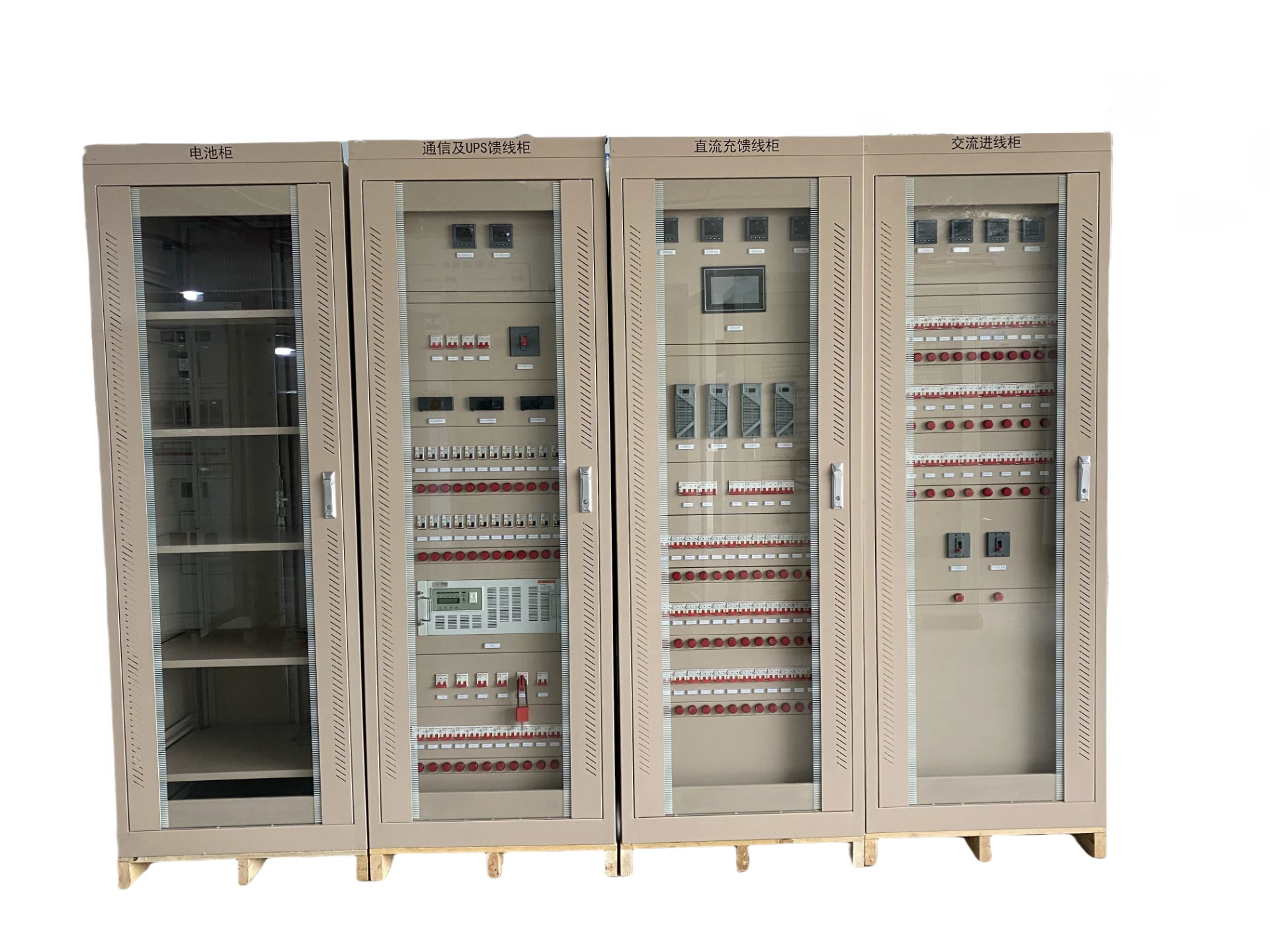
Origin: No. 58 Tongxin Road, Tongan town, Suzhou, Jiangsu province, 215000. The system pairs a microcomputer-based DC power supply with battery choices—ACDC LA (lead-acid) or LF (lithium iron phosphate)—for dependable 220V/100A nominal output. It’s a tidy building block for Intelligent Energy Management in telecom, transport, and light industrial sites.
| Parameter | Specification (≈, real-world may vary) |
|---|---|
| Model | Microcomputer-based DC power supply (LA / LF battery options) |
| Nominal Output | 220V / 100A |
| Input | 3Φ 380–415Vac, 50/60Hz (auto-ranging rectifier) |
| Efficiency | Rectifier up to ≈96–97% at rated load |
| Battery | LA (VRLA) or LF (LiFePO4), hot-standby; CC/CV charge |
| Comms | RS485/CAN; Modbus RTU; Modbus TCP optional; dry contacts |
| Protection | OVP, UVP, OCP, OTP, short-circuit, surge (IEC 61000-4-x) |
| Environment | -20°C to +55°C; noise |
| Service Life | LF: >6000 cycles @80% DoD; LA: ≈500 cycles @50% DoD |
How it’s built: materials, methods, and tests
- Materials: LiFePO4 prismatic cells (LF), VRLA blocks (LA), copper busbars, conformal-coated PCBs, flame-retardant cabinet.
- Methods: SMT controller assembly, cell capacity grading, spot-weld/busbar torque QA, thermal cycling, firmware HIL simulation.
- Testing standards: IEC 62619 (Li-ion safety), UL 1973 (stationary batteries), UN 38.3 (transport), IEC 60896 (VRLA), IEC 61000-4-x (EMC).
- Factory QA: 8–24h burn-in at 0.5C charge/discharge; insulation 2 kV; surge ±4 kV; MTBF modeling >200k h (Telcordia SR-332, indicative).
Where it fits
Scenarios: telecom base stations, rail signal/wayside, industrial PLC/DC drives, hospital labs, and oil & gas remote skids. Benefits include stable DC buses, battery-aware optimization, and clearer alarms that operations teams actually trust.
Vendor landscape (quick take)
| Feature | ACDC Intelligent integrated power supply | Traditional UPS vendor | Low-cost integrator |
|---|---|---|---|
| Efficiency | ≈96–97% rectifier | 92–95% | 88–93% |
| Battery options | LA + LiFePO4 | Often LA only | Varies, limited QA |
| Cert coverage | IEC/UL/UN-ready | IEC core only | Inconsistent |
| After-sales | Remote + on-site | Ticket-based | Best effort |
| Price band | Mid (TCO-optimized) | High | Low upfront |
Customization and integration
Options: cabinet size, LF/LA mix, parallel rectifiers, N+1, front-access maintenance, SNMP gateway, and site-specific discharge curves. It seems that operators appreciate the plain-language alarms and the ability to mirror data into existing SCADA—no drama.
Field notes (mini case studies)
- Rail signal hut, humid coastal zone: LF pack cut site visits by ~30% in the first year; logs showed fewer thermal derates than LA baseline.
- Hospital lab backup DC: LA chosen for cost; automated monthly test caught one weak block early—avoided an outage during a grid sag event.
Customer feedback: “Once we turned on analytics, the ‘mystery alarms’ disappeared.” Another manager told me, “I guess we underestimated how much visibility matters.”
Certifications and documentation
Typical compliance path includes IEC 62619/60896, UL 1973, UN 38.3 for transport, EMC immunity/conducted to IEC 61000-4-x, and ISO 9001-driven QA. Ask for test reports and as-built BOM—always worth it.
Authoritative citations
- IEC 62619:2022 Safety requirements for secondary lithium cells and batteries for industrial applications.
- UL 1973:2018 Batteries for use in stationary, vehicle auxiliary power and light electric rail applications.
- UN Manual of Tests and Criteria, Section 38.3 (UN 38.3) – Transport of lithium batteries.
- IEC 60896-21/22: Valve-regulated lead-acid batteries – Requirements and tests.
- IEC 61000-4 series: Electromagnetic compatibility (EMC) testing and measurement techniques.
- ISO 9001:2015 Quality management systems – Requirements.
-
Cedar Point EV Charging Solutions for Sustainable Tourism Experience
NewsApr.16,2026
-
Guide to Cedar Point Charging Stations for EV Park Visitors
NewsApr.16,2026
-
Acorn Stairlift Charging Point Guide for Home Mobility Optimization
NewsApr.16,2026
-
Integrating a Wireless Charging Point into Modern Infrastructure
NewsApr.16,2026
-
How to Optimize Your iPhone 14 Charging Point for Efficiency
NewsApr.16,2026
-
Analyzing the Charging Point Share Price Trends and Market Outlook
NewsApr.09,2026